
3 min walk
Blaha Lujza
- High
- Historic monument
Language · 11 published
Place of worship · Budapest
Fiumei úti sírkert
Reviewed by Elena Voss · Roavina Travel Editor
It was established in 1849.
Kerepesi Cemetery is a historic burial ground in Budapest’s eighth district, established in 1847 and remembered as a national pantheon. Its avenues, graves, mausoleums, and memorials connect the city’s political, artistic, and intellectual history with a quiet garden landscape. This is both a cemetery and a heritage destination: the atmosphere depends on respect for the people buried here, as well as attention to the architecture and sculpture that make the grounds distinctive. Kerepesi Cemetery is a historic burial ground in Budapest, Hungary. Established in 1847, it serves as a major national pantheon where many prominent Hungarian figures are interred. The cemetery spans a substantial area in the city's eighth district and functions as both an active burial site and a cultural heritage destination. Its landscape combines formal garden design with monumental architecture, reflecting nineteenth and twentieth century commemorative traditions. The site holds significance for understanding Hungarian political, artistic, and intellectual history through its memorials. The cemetery functions as both an active burial site and heritage destination.
Checked 2026-08-26 · Source
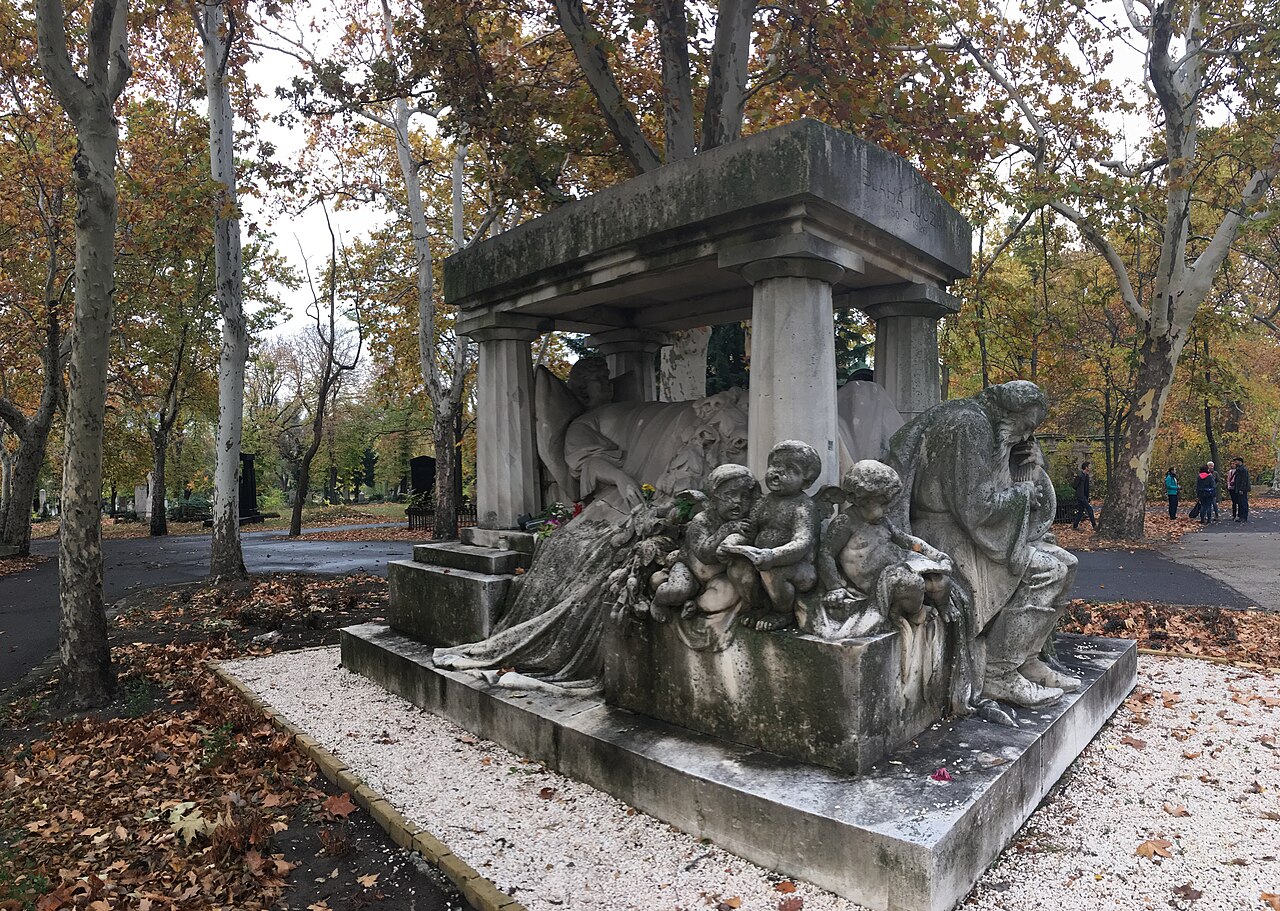
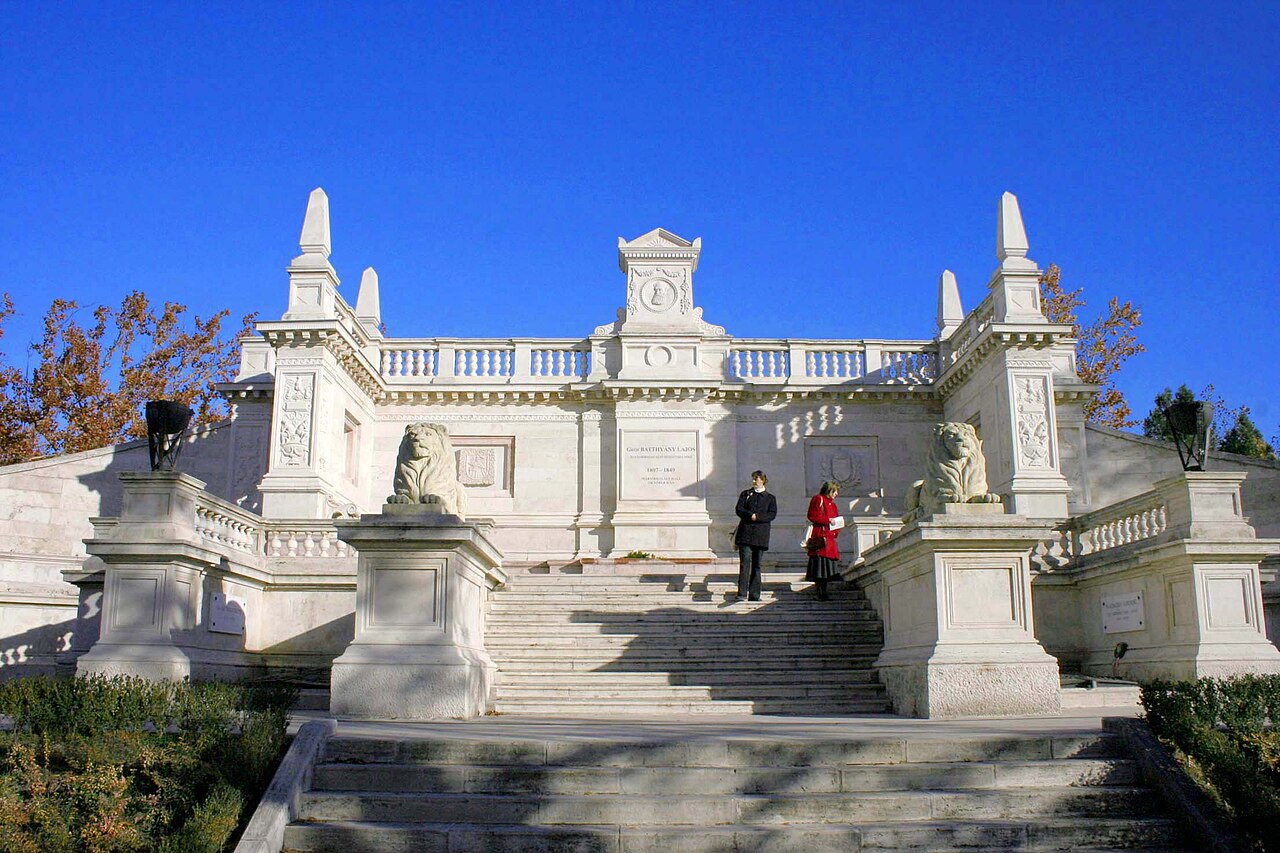
Expect a large outdoor landscape filled with mausoleums, tomb sculptures, commemorative monuments, mature trees, and landscaped paths. Memorial areas honour prominent Hungarian statespersons, writers, and cultural figures, while other monuments recall historical events and national tragedies. Decorative ironwork, carved stone, and the changing vegetation reward slow observation. The cemetery’s significance lies in the relationship between its memorial art and the people and events represented, rather than in one isolated building or single viewpoint. The cemetery contains numerous mausoleums, tomb sculptures, and memorial monuments of varying architectural styles. Notable structures include the pantheon sections dedicated to leading Hungarian statespersons, writers, and cultural figures.
Checked 2026-08-26 · Source
Set aside about ninety minutes to two hours for a focused walk through the principal monuments. A broader exploration can fill half a day, especially if you are interested in funerary sculpture, national history, or particular Hungarian figures. The grounds are extensive, so a simple route is easier to manage than trying to cover everything. Outdoor walking defines the visit; leave room for pauses at memorials and for the weather conditions of the day.
Checked 2026-08-26 · Source
Visit during daylight, when the paths, monuments, and carved details are easiest to appreciate. Summer foliage gives the cemetery a greener, more enclosed atmosphere; winter strips back the vegetation and can make the monumental forms more prominent, but daylight is shorter. Morning light is useful for east-facing memorials and quieter photographic walks. The site combines active burial grounds with heritage interest, so keep the tone calm and leave space for ceremonies and mourners whenever they are present.
Checked 2026-08-26 · Source
Kerepesi Cemetery is experienced as an open heritage landscape rather than a conventional museum with a gallery ticket. The grounds contain memorials, mausoleums, and landscaped paths, and the visit is centred on walking among them. If you join an organised cultural visit, that is a separate service from entering the cemetery grounds. Keep the practical focus on respectful exploration of the memorial landscape and allow enough time for an outdoor route across the extensive site.
Checked 2026-08-26 · Source
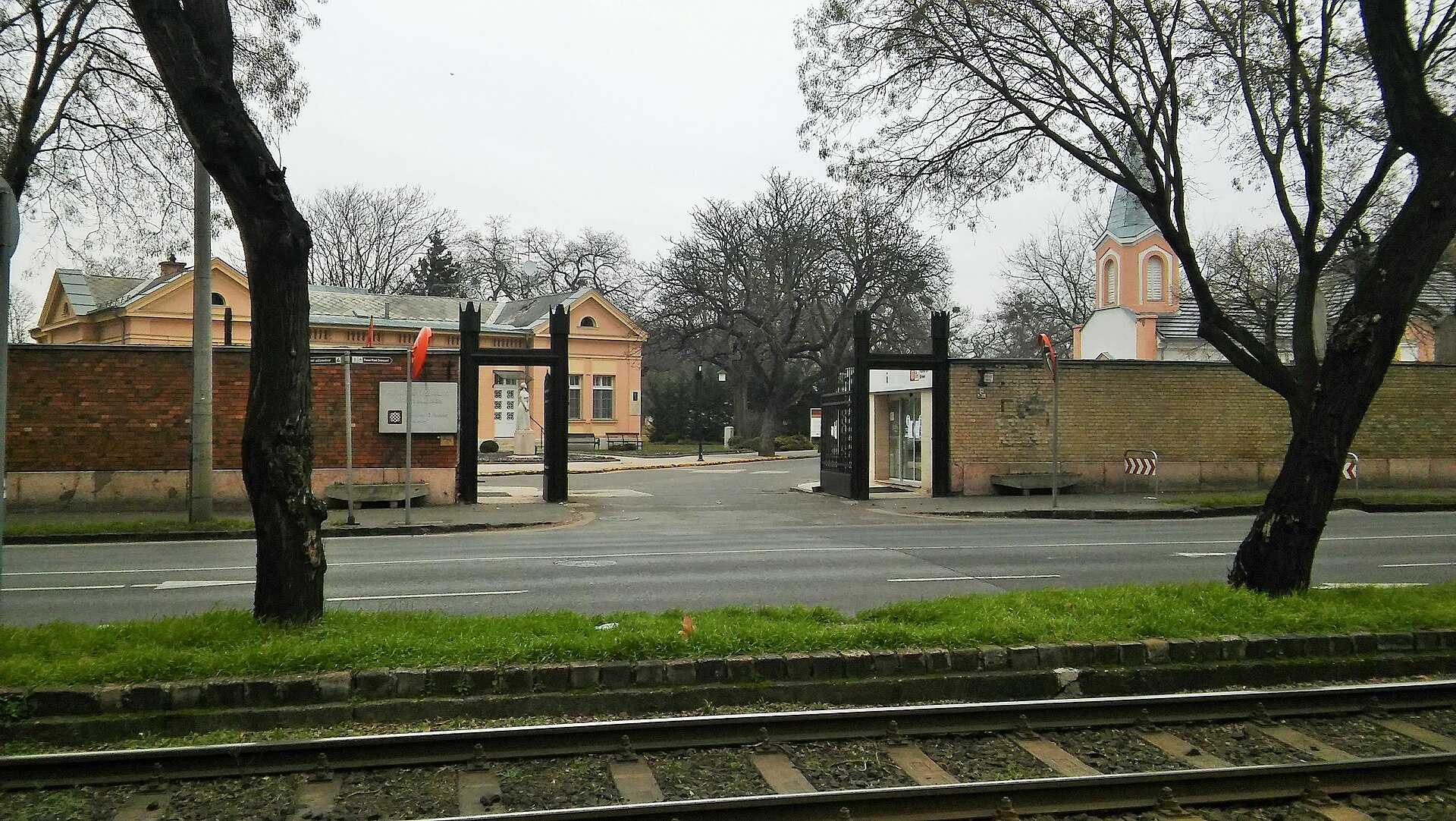
The cemetery lies in Budapest’s eighth district and is reachable from the central city through the district’s tram and bus network. Once nearby, walking is the natural way to experience the grounds and their monuments. The urban setting makes it practical to combine the cemetery with other eastern Pest sights, while taxis and ride services can serve the surrounding district. Treat the cemetery as a substantial walking destination and plan your arrival with the size of the grounds in mind.
Checked 2026-08-26 · Source
Kerepesi Cemetery is an active burial setting, so keep voices low, yield to mourners, and never treat ceremonies as tourist scenes. Wear comfortable shoes for uneven outdoor paths and be prepared for limited shelter. The grounds are extensive, and self-guided navigation takes attention. Stay aware of conservation areas and any restricted monuments. Standard urban care for personal belongings remains sensible, but the most important visitor responsibility is preserving the cemetery’s dignity while you explore its history and memorial art.
Checked 2026-08-26 · Source
Photograph the cemetery as a memorial landscape: mausoleums, sculpted tombs, ironwork, tree-lined paths, and broad compositions of the grounds all provide subjects. Morning or late-day light can give stone and bronze more depth, while overcast weather helps preserve detail in pale carvings. Keep a respectful distance from mourners and ceremonies, and avoid turning private grief into a backdrop. A quiet, unhurried approach suits the place better than conspicuous equipment or staged poses.
Checked 2026-08-26 · Source
Established in 1847, it is a national pantheon containing memorials to prominent Hungarian political, artistic, and intellectual figures.
The grounds contain mausoleums, tomb sculptures, commemorative monuments, landscaped paths, decorative ironwork, and carved stone memorials.
Allow about ninety minutes to two hours for a focused visit, or up to half a day for a broader exploration.
Keep voices low, respect mourners and ceremonies, and treat the grounds as an active burial place as well as a heritage site.
No. The experience is primarily an outdoor walk through memorial avenues, landscaped grounds, mausoleums, sculptures, and monuments.
Yes, its memorial architecture, sculptures, ironwork, trees, and paths offer strong subjects when photographed with restraint and respect.
Loading the interactive map…
The interactive map could not be loaded.

Last updated:
Source: OpenStreetMap contributors, Wikidata ·