
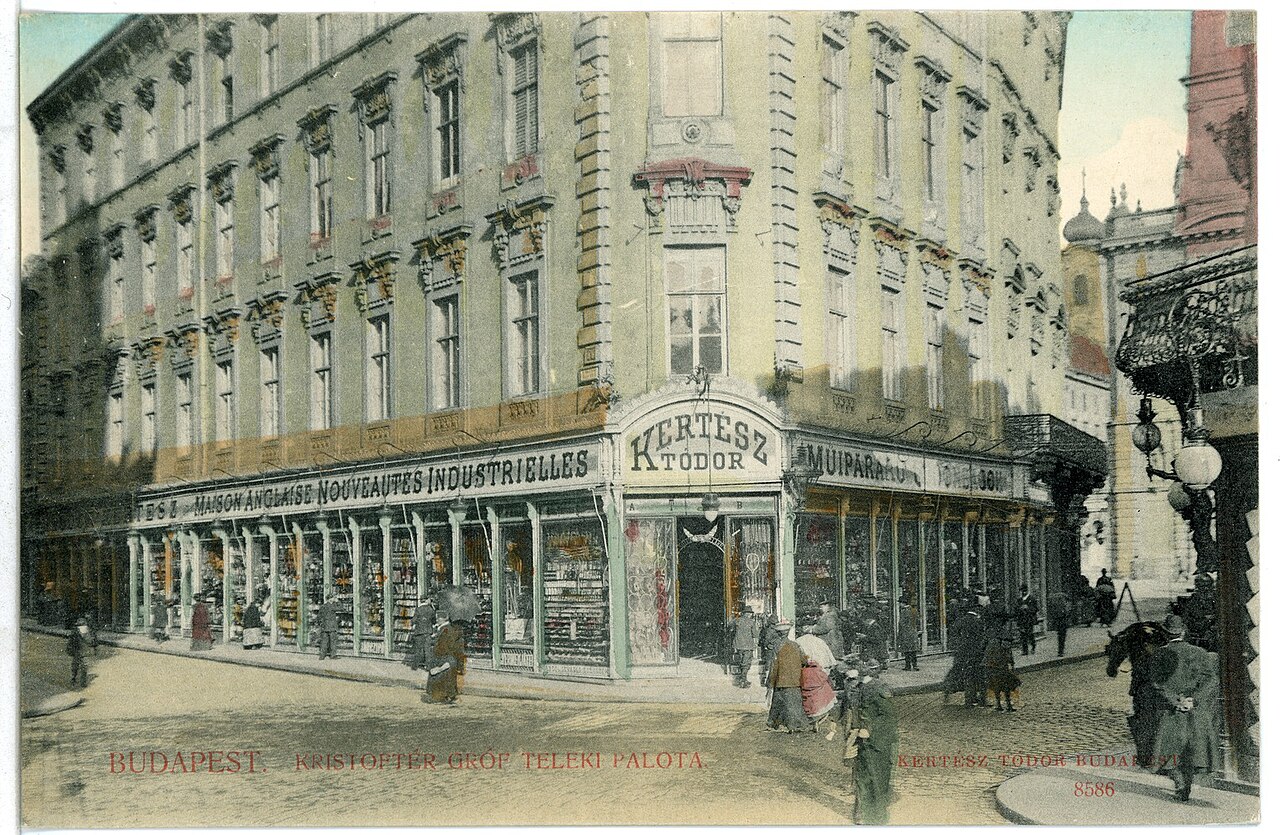
3 min walk
Vaci Street
- Must see
- Activity
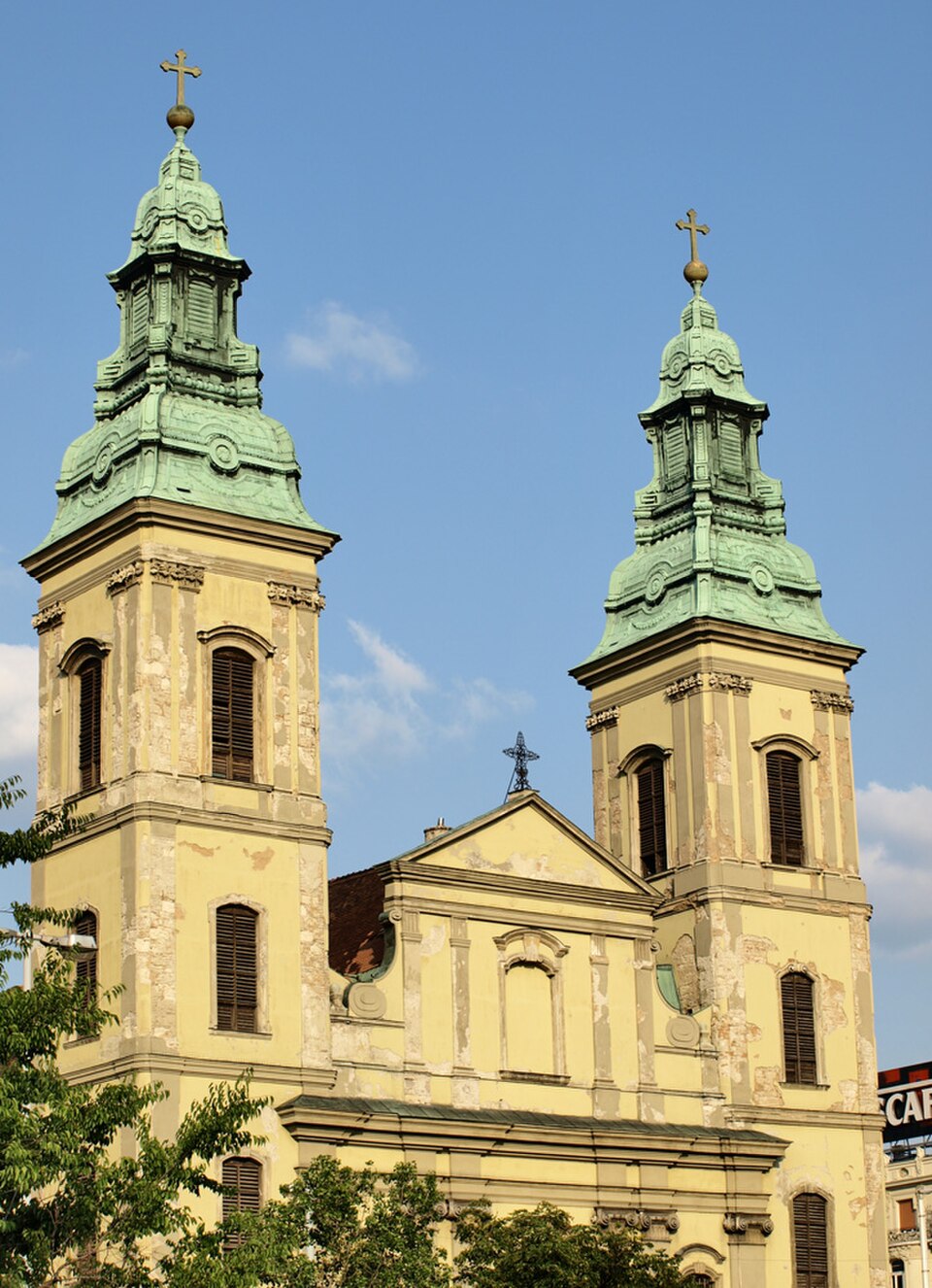
Place of worship · Budapest
Belvárosi Nagyboldogasszony-templom
| Monday | 10:00 – 18:00 |
|---|---|
| Tuesday | 10:00 – 18:00 |
| Wednesday | 10:00 – 18:00 |
| Thursday | 10:00 – 18:00 |
| Friday | 10:00 – 18:00 |
| Saturday | 10:00 – 18:00 |
| Sunday | 08:30 – 19:00 |
Parsed from OpenStreetMap opening hours on 2026-09-09.
Inner City Parish Church stands near the Elizabeth Bridge on Budapest’s Pest riverbank and ranks among the city’s oldest ecclesiastical buildings. Its foundations incorporate remains from Roman Contra-Aquincum, while the present structure reflects medieval, Gothic, Ottoman and Baroque phases. The church remains connected with the Belváros parish community as well as with Budapest’s historical story. Its riverside position makes it an easy stop for travellers exploring the Danube promenade and central Pest. The Inner City Parish Church stands as one of Budapest's oldest ecclesiastical structures, situated near the Elizabeth Bridge on the Pest embankment. Its foundations incorporate remains from Roman Contra-Aquincum, reflecting successive layers of Hungarian history. The building represents a palimpsest of architectural periods, having been modified through medieval, Gothic, Ottoman, and Baroque phases. Its riverside position made it strategically and commercially significant throughout Budapest's urban development. The church serves the Belváros district and maintains active parish functions alongside its historical importance.
Checked 2026-08-26 · Source
The building’s interest lies in the way several historical periods coexist within one church. Visitors can look for changes in architectural character created by successive rebuilding, including the medieval and Gothic inheritance, later Baroque work and the building’s connection with the Ottoman period. Roman remains belong to the foundations beneath the present structure. The church is an active religious place, so the experience combines historic fabric with an atmosphere of worship rather than a conventional museum display. The interior preserves elements from multiple construction campaigns, though specific inventory details remain unverified. Visitors may observe architectural transitions between periods, with some Gothic fabric potentially surviving amid later Baroque modifications. The Ottoman occupation period reportedly saw conversion to mosque use, which may have left trace elements. Frescoes, altarpieces, and liturgical furnishings would be expected in a functioning parish church of this antiquity, but no authoritative catalogue of artworks has been supplied.
Checked 2026-08-26 · Source
Allow roughly forty-five to seventy-five minutes for a considered visit, including time to view the exterior, absorb the interior and understand the layers of the building’s history. A shorter stop can focus on the riverside façade and the church’s position beside Elizabeth Bridge. Because the church sits in a compact central area, it combines easily with a walk along the Danube, nearby Belváros streets or a crossing toward Buda. Quiet observation suits the setting best.
Checked 2026-08-26 · Source
Church access must fit around parish worship, so a visit works best when planned as part of a flexible central-Budapest walk. Summer heat is more noticeable along the exposed riverside, making morning or evening exploration comfortable outdoors. The interior offers shelter during winter cold. Rain can make the pavements near the Danube slippery, while heavy weather may affect the wider promenade. The building’s historical character is worth seeing in daylight, when its riverside setting is easiest to read.
Checked 2026-08-26 · Source
As a functioning parish church, the site should be approached primarily as a place of worship with historical importance. Travellers may wish to carry a small amount for a voluntary contribution if one is offered, but no fixed amount is stated here. Public transport tickets and any separate city attractions form different parts of the day’s budget.
Checked 2026-08-26 · Source
The church occupies a prominent Pest-side position beside the Danube and close to Elizabeth Bridge. Tram and metro connections serve the surrounding central district, with a walk from the nearest stop. It is also reachable on foot from many Belváros hotels and riverside sights. The bridge links the area with Buda, making the church useful in a cross-river route. Central streets are busy and parking is limited, so walking and public transport fit the location naturally.
Checked 2026-08-26 · Source
This is an active parish church, and worshippers and services take priority over sightseeing. Dress modestly, keep voices low and avoid moving through devotional areas during prayer. Interior floors may reflect the age and archaeological complexity of the building. Riverside pavements can become slippery in wet weather, while the central district requires ordinary care with personal belongings.
Checked 2026-08-26 · Source
The exterior is well suited to photographs that include the church, the Danube and Elizabeth Bridge, with the Buda side creating a strong background across the river. Morning light can define the façade, while evening gives the riverside setting a different mood. Inside, photograph only when it does not disturb worship, and use no flash unless clearly permitted. The building’s layered architecture rewards close study of materials, transitions and details rather than only broad façade views.
Checked 2026-08-26 · Source
Its foundations include Roman Contra-Aquincum remains, and the building preserves layers associated with medieval, Gothic, Ottoman and Baroque periods.
It stands on Budapest’s Pest riverbank near Elizabeth Bridge, in the central Belváros area beside the Danube promenade.
Yes. Its central riverside position combines naturally with the Danube promenade, Belváros streets, Elizabeth Bridge and a route toward Buda.
It is an active parish church, so worship takes priority. Dress modestly, keep quiet and avoid disturbing services or private prayer.
Yes. Roman remains from Contra-Aquincum are incorporated into the foundations beneath the present church building.
A considered visit takes roughly forty-five to seventy-five minutes, while a brief exterior stop can be shorter.
Loading the interactive map…
The interactive map could not be loaded.
Last updated:
Source: OpenStreetMap contributors, Wikidata ·