
51 min walk
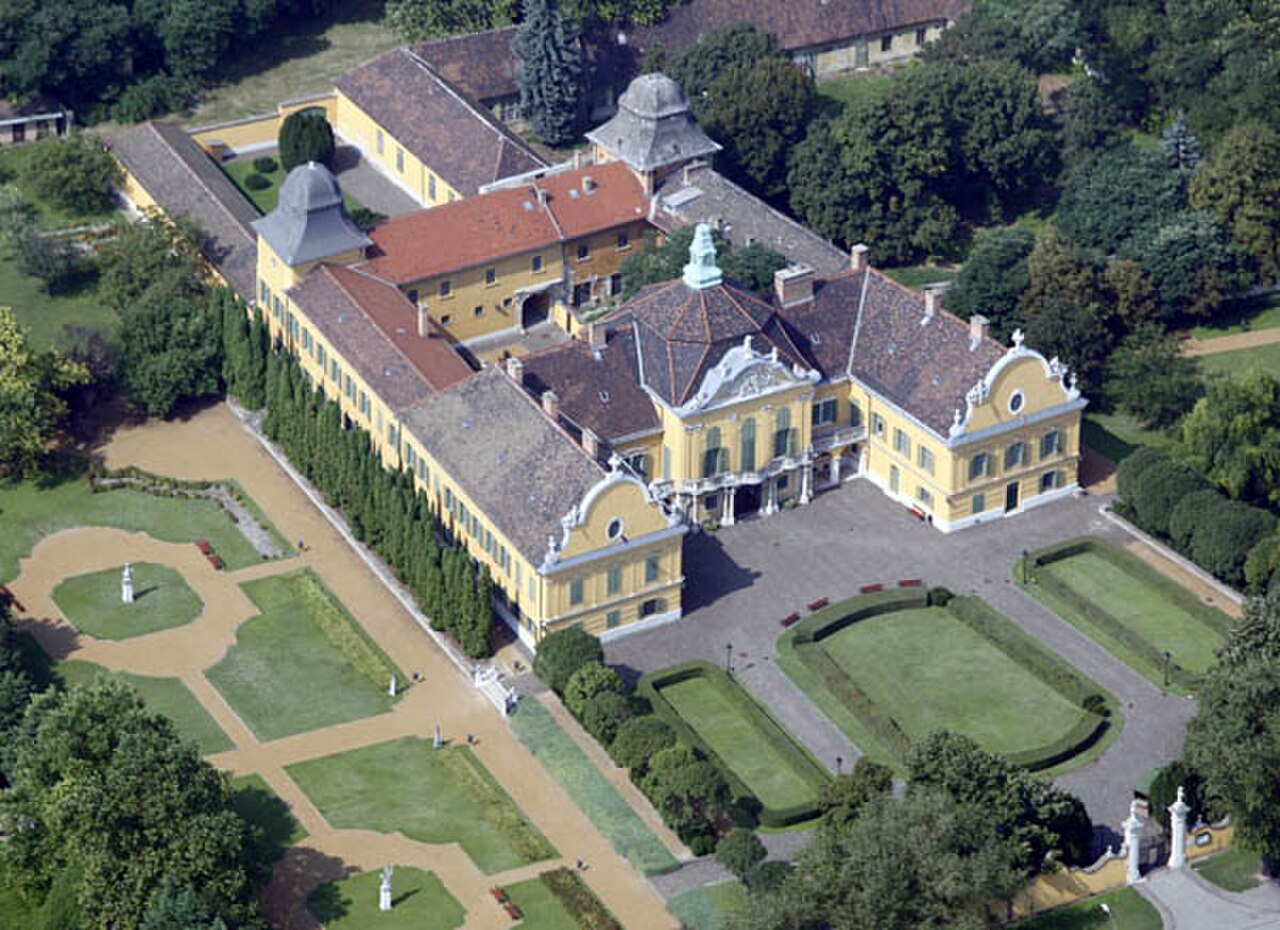
Nagytétény Castle
- High
- Historic monument
Language · 11 published
Nature site · Budapest
Reviewed by Elena Voss · Roavina Travel Editor
| Monday | 10:00 – 18:00 |
|---|---|
| Tuesday | 10:00 – 18:00 |
| Wednesday | 10:00 – 18:00 |
| Thursday | 10:00 – 18:00 |
| Friday | 10:00 – 18:00 |
| Saturday | 10:00 – 18:00 |
| Sunday | 10:00 – 18:00 |
Parsed from OpenStreetMap opening hours on 2026-09-09.
This place is a Attraction. It was established in 1993.
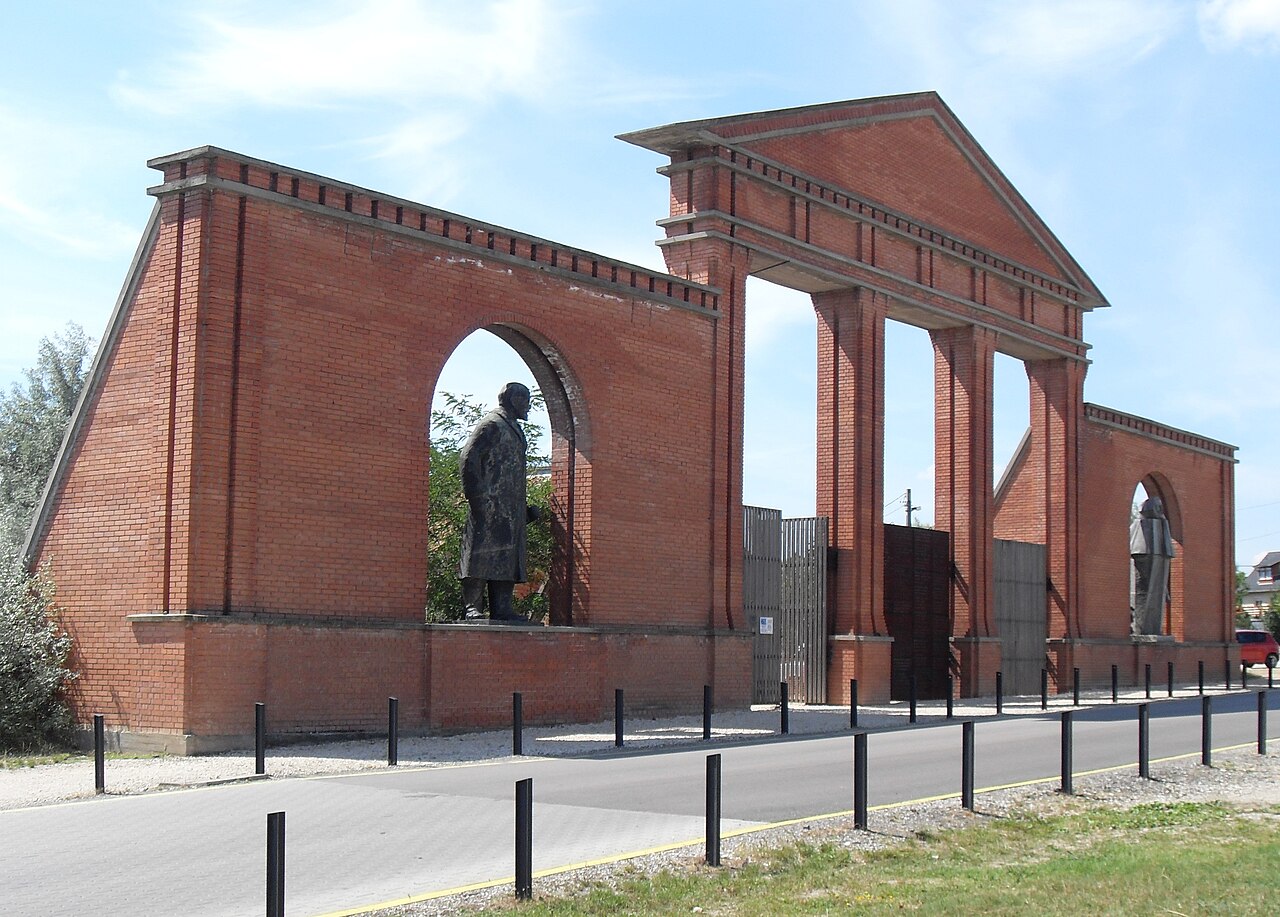
Memento Park is an open-air museum in Budapest devoted to monumental statues and plaques from Hungary's Communist period, especially the years between 1949 and 1989. After the political changes at the end of the Cold War, many works were removed from public squares and brought together here. The park preserves them as difficult historical evidence, allowing visitors to confront the scale and visual language of state propaganda. Memento Park is an open-air museum in Budapest dedicated to monumental statues and sculpted plaques from Hungary's Communist period between 1949 and 1989. Located in the city's XXII district, it was established after the fall of the Iron Curtain as a repository for politically charged artworks removed from public spaces. The park preserves these massive socialist realist monuments rather than destroying them, creating a unique historical site. It serves as both museum and memorial, offering visitors direct encounter with propaganda art that once dominated Hungarian public squares. The collection represents one of Europe's most significant assemblies of Cold War-era monumental sculpture. Public bus connections from central Budapest serve the site, though the journey requires time and potentially transfers due to the peripheral location.
Checked 2026-08-26 · Source
The collection contains about forty monumental statues, busts, and plaques removed from locations across Hungary. Visitors encounter figures associated with Lenin, Marx, Engels, Hungarian Communist leaders, and Soviet-Hungarian friendship. The park also includes the reconstructed Stalin's Boots installation, recalling the 1956 revolution and the toppling of Stalin's statue. The grounds combine the main Statue Park with a separate exhibition area and architectural elements connected with the period. The park contains approximately forty monumental statues, busts, and plaques removed from their original locations throughout Hungary. Prominent works include statues of Lenin, Marx, and Engels, along with Hungarian Communist leaders and allegorical figures representing Soviet-Hungarian friendship. The collection features massive bronze and stone figures, some reaching several meters in height.
Checked 2026-08-26 · Source
Allow one to two hours for the main grounds, with more time for visitors who read every plaque, photograph the monuments, or explore the additional exhibition space. The statues are large and widely spaced, so the visit involves substantial outdoor walking. The open route allows an unhurried pace and encourages comparison between works. History enthusiasts may want a longer stop to connect the monuments with Hungary's twentieth-century political experience.
Checked 2026-08-26 · Source
Spring and autumn generally provide comfortable conditions for walking among the statues. Summer brings strong sun and heat, with limited shade across the open grounds, while winter can be cold and bring snow or icy surfaces. Morning and late afternoon offer softer light for photography and reduce exposure to the hottest part of a summer day. Because this is an outdoor site, weather has a direct effect on comfort and pacing.
Checked 2026-08-26 · Source
Memento Park is a paid cultural attraction, and the cost of a visit includes more than admission because the site lies well outside central Budapest. Travelers should plan their transport and entry together, particularly when visiting on a tight daily budget. Different visitor categories or ticket arrangements may apply. The park's historical value comes from seeing the original monumental works gathered in one place, rather than from a brief roadside photo stop.
Checked 2026-08-26 · Source
Memento Park is in Budapest's XXII district, roughly ten kilometers southwest of the city center. Public bus connections reach the site, but a journey from central Budapest can take more than thirty minutes and may involve a transfer. A private car offers a direct route, while taxi or rideshare services provide convenience at higher cost. Build generous travel time into your day, since this peripheral location cannot be treated like a central museum.
Checked 2026-08-26 · Source
The grounds offer little protection from summer sun, winter cold, wind, or rain, so clothing and footwear should match the forecast. Walking surfaces can be uneven or slippery in poor weather, and the distance between monuments may challenge visitors with limited mobility. The subject matter includes dictatorship, political propaganda, oppression, and the 1956 revolution. Bring water and allow for the site's relatively isolated setting, where immediate services are limited.
Checked 2026-08-26 · Source
Memento Park offers strong photographic subjects through the monumental scale, dramatic poses, and weathered surfaces of its socialist realist sculptures. Wide views help show the figures' size, while side light in the morning or late afternoon brings out texture and depth. Midday sun creates harder shadows. The spacious grounds provide room for clear compositions, but any commercial setup, tripod use, or drone activity should follow site rules and local regulations.
Checked 2026-08-26 · Source
Yes. Public bus connections serve the park, although the journey from central Budapest takes time and may require a transfer.
Yes. The collection consists of original statues and plaques removed from Hungarian public spaces after the political changes of 1989.
It is a reconstruction recalling the 1956 revolution, when protesters toppled Stalin's statue and only the boots remained on the pedestal.
Plan one to two hours for the grounds, adding time for the exhibition space, photography, and detailed reading.
Children can respond to the statues' scale, but adults should explain the political history and supervise them across the open grounds.
The park presents monumental art and political memory from Hungary's Communist period, principally from 1949 to 1989.
Loading the interactive map…
The interactive map could not be loaded.
Last updated:
Source: OpenStreetMap contributors, Wikidata ·