


4 min walk
Jakarta Cathedral
- Must see
- Place of worship
Place of worship · Jakarta
Masjid Istiqlal
| Monday | 09:00 – 16:00 |
|---|---|
| Tuesday | 09:00 – 16:00 |
| Wednesday | 09:00 – 16:00 |
| Thursday | 09:00 – 16:00 |
| Friday | 09:00 – 16:00 |
| Saturday | 09:00 – 16:00 |
| Sunday | 09:00 – 16:00 |
Checked 2026-08-31 · Source
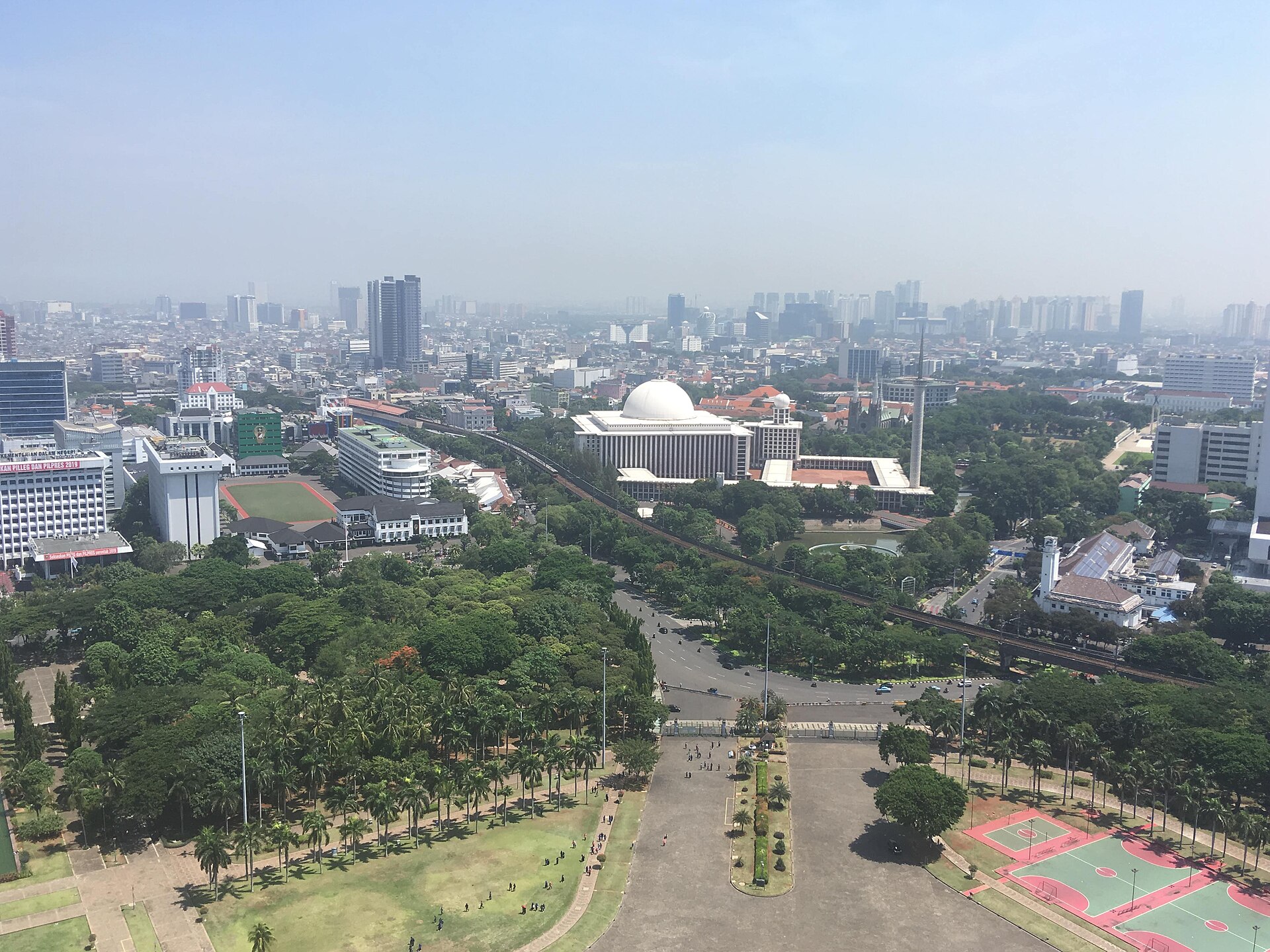
Istiqlal Mosque, known locally as Masjid Istiqlal, stands as Indonesia's national mosque and one of the largest mosques in Southeast Asia. Located in central Jakarta near Merdeka Square, it was constructed to commemorate Indonesian independence. The name Istiqlal derives from the Arabic word for independence. The mosque serves as a significant religious and national symbol, reflecting Indonesia's status as the world's most populous Muslim-majority nation. Its prominent position in the capital makes it a landmark of both spiritual and civic importance for visitors to Jakarta. Istiqlal is Indonesia's national mosque and one of the world's largest mosques, designed by Friedrich Silaban and inaugurated in 1978. Its monumental prayer hall, dome, minaret and vast courtyard express the role of the mosque in national civic life as well as worship. The cathedral directly opposite creates a notable interfaith urban relationship. Official guided visits introduce non-Muslims to permitted areas outside prayer priority, while the five daily prayers, Friday congregation, Ramadan and major observances determine how the building is used. A monumental drum, expansive marble interior and capacity for enormous congregations distinguish Istiqlal from neighbourhood mosques. Official guides help visitors understand these spaces without entering worship-only areas independently. The mosque remains a defining national institution.
Checked 2026-08-31 · Source
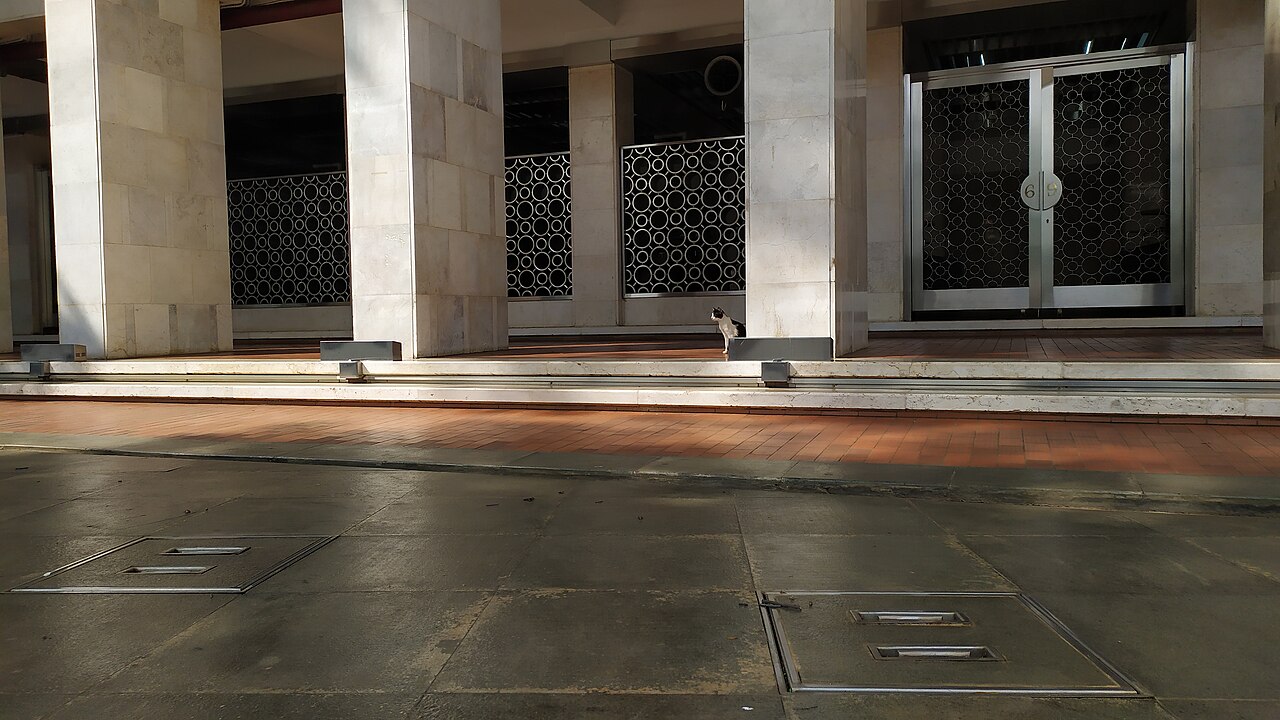
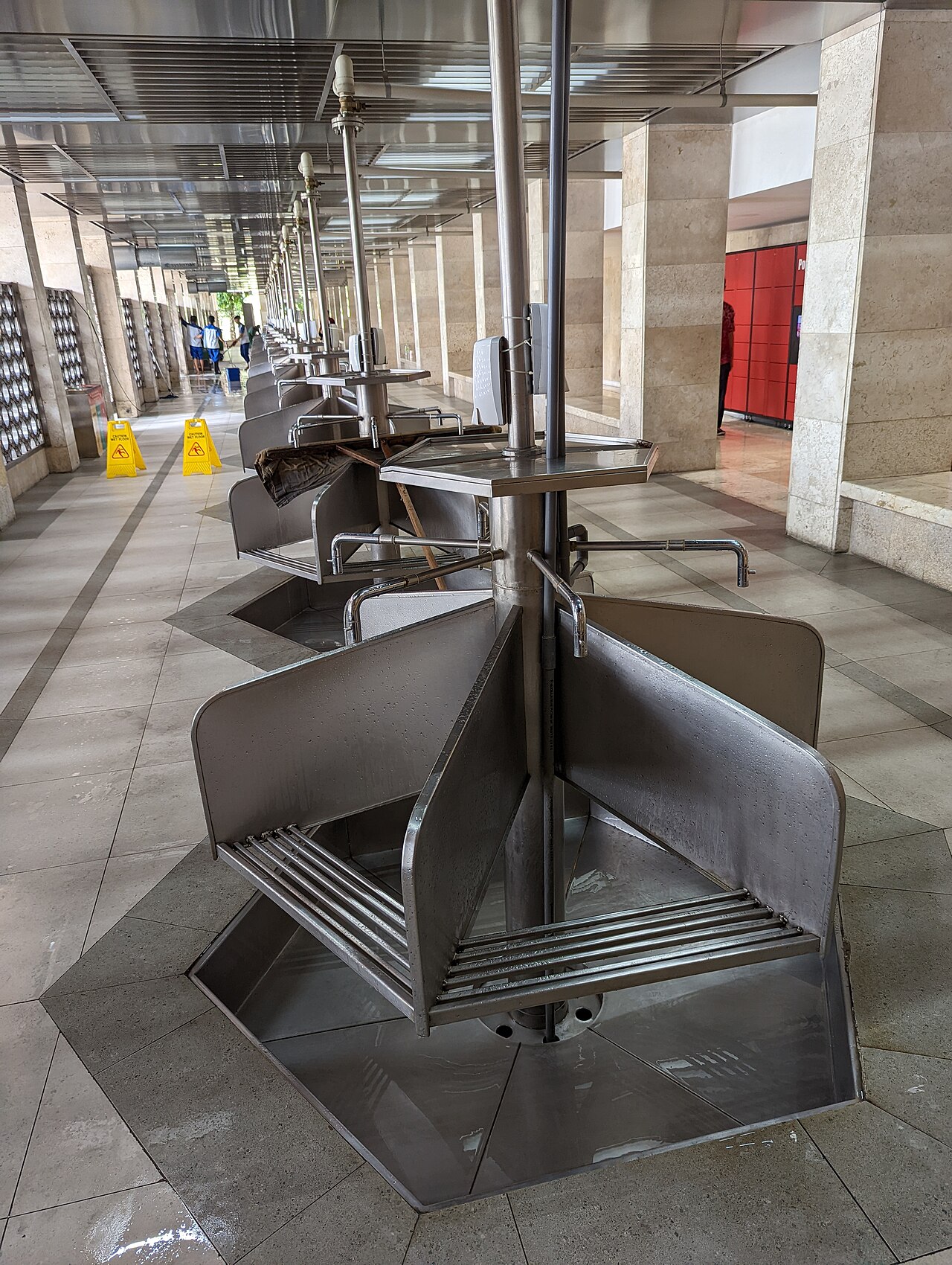
The mosque features a vast prayer hall capable of accommodating substantial congregations. Its architectural design incorporates modern elements with traditional Islamic influences. Visitors can observe the main dome and minaret structures that define its skyline presence. The interior spaces include areas for prayer, ablution facilities, and circulation spaces for worshippers. The building's scale and proportions create an atmosphere of solemn grandeur. Non-Muslim visitors may explore designated areas when appropriately dressed and during permitted visiting times, though access to certain spaces may be restricted during prayer periods.
Checked 2026-08-31 · Source
A respectful visit to Istiqlal Mosque typically requires between thirty minutes to one hour for exterior appreciation and interior observation. Visitors should factor additional time for security procedures and appropriate preparation, including obtaining suitable modest clothing if needed. Those wishing to observe prayer times or engage more deeply with the site's significance may extend their stay. The surrounding area, including nearby Merdeka Square and other central Jakarta landmarks, allows for combined itinerary planning. Visitors should remain attentive to prayer schedules that may affect access duration.
Checked 2026-08-31 · Source
The mosque is open daily around the five prayers, with guided visitor access normally 09:00-16:00 outside services. Friday noon, Ramadan and major Islamic observances prioritise worship. Arrive outside worship, event or final-admission periods and allow time for security and traffic. Weekends, school holidays and national or religious observances increase crowds or alter individual areas. Jakarta heat, humidity and rain affect outdoor squares, parks and harbour approaches, while indoor museums remain more controlled. The dated operator notice always takes priority over the normal pattern.
Checked 2026-08-31 · Source
Entry and official mosque tours are free; donations are voluntary. Use the official operator and retain the ticket, JakCard or timed confirmation. General entry does not include separately priced decks, museums, immersive rooms, rides, performances, parking, rentals or food unless stated. Free access can still require security, registration or appropriate clothing. Concessions and foreign-visitor prices require the identity document named by the venue.
Checked 2026-08-31 · Source

KAI Juanda station is about five minutes east; TransJakarta Juanda and Istiqlal stops serve the cathedral-mosque precinct. Allow a traffic buffer and use the full Indonesian venue name in ride-hailing apps. Kota Tua, Merdeka Square and Museum Campus-style clusters contain several entrances, so navigate to the named gate rather than a general district pin. Public transport avoids parking constraints, while pedestrian crossings and tropical weather can lengthen the final walk.
Checked 2026-08-31 · Source
Ramps, lifts, accessible ablution facilities, toilets and wheelchairs provide a step-free visitor route through designated areas. Follow the designated accessible route and staff instructions. Historic thresholds, worship areas, harbour operations, rides, pavilions and immersive installations can apply narrower access than the main route. Keep bags compact, protect tickets and identification, dress appropriately at religious sites and leave lifts, ramps, aisles and emergency routes clear.
Checked 2026-08-31 · Source
Istiqlal Mosque allows respectful personal photography on the visitor route when guides and security permit it. Stop during prayer, avoid flash and never photograph worshippers closely without consent. Keep tripods and lighting out of ablution areas, prayer circulation and the step-free route. The dome, minaret and courtyard can be photographed from public visitor areas, with Jakarta Cathedral providing important urban context opposite. Commercial, staged and drone photography requires mosque and aviation permission.
Checked 2026-08-31 · Source
Yes. Entry and official mosque tours are free; donations are voluntary.
Yes on the designated visitor route outside prayer restrictions.
Yes. The midday congregational prayer prioritises worship.
Yes; loan coverings are available and shoes are removed where directed.
Yes. Ramps, lifts, accessible ablution facilities, toilets and wheelchairs provide a step-free visitor route through designated areas.
KAI Juanda station is about five minutes east of the mosque.
Loading the interactive map…
The interactive map could not be loaded.

Last updated:
Source: OpenStreetMap contributors, Wikidata ·