

1 min walk
Jakarta History Museum
- Must see
- Museum
Language · 11 published
Historic monument · Jakarta
Taman Fatahillah
Reviewed by Elena Voss · Roavina Travel Editor
| Monday | 00:00 – 23:59 |
|---|---|
| Tuesday | 00:00 – 23:59 |
| Wednesday | 00:00 – 23:59 |
| Thursday | 00:00 – 23:59 |
| Friday | 00:00 – 23:59 |
| Saturday | 00:00 – 23:59 |
| Sunday | 00:00 – 23:59 |
Checked 2026-08-31 · Source
Read from the OpenStreetMap access tags; anything not listed has no tag recorded.
Set the group type to family in the planner and the day window contracts to about three quarters of a solo day.
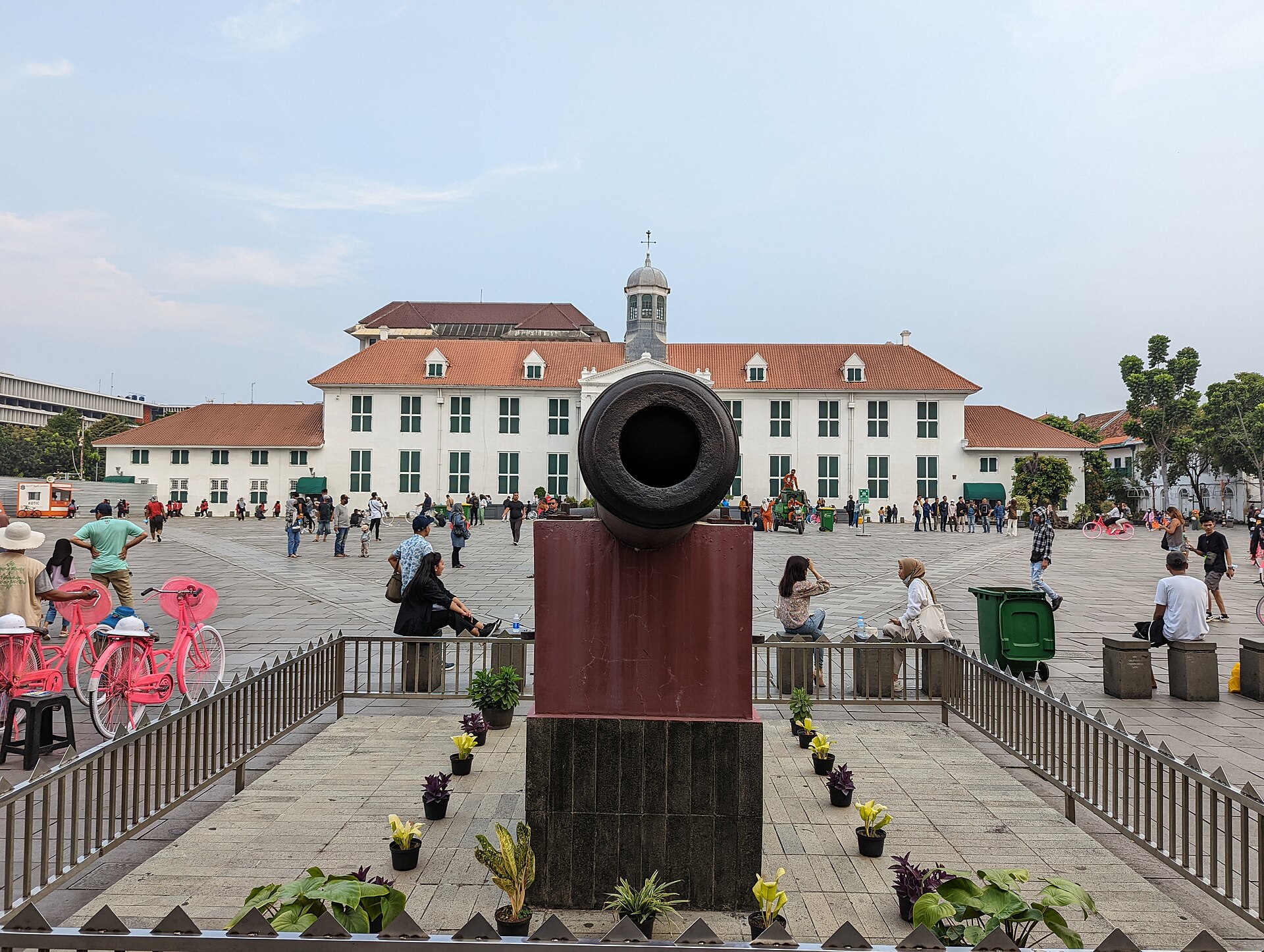
Fatahillah Square, known locally as Taman Fatahillah, is a historic public plaza in Jakarta's Kota Tua Old Town district. The square centers on colonial-era architecture and serves as a gathering place for residents and visitors. It functions as the main civic space of the old Batavia city center, surrounded by significant heritage buildings. The area reflects Dutch colonial urban planning and remains a focal point for cultural activity in North Jakarta. The square's open cobblestone space hosts casual recreation and occasional events. Fatahillah Square is the civic heart of Kota Tua, framed by the former Batavia City Hall, the old Court of Justice and other colonial buildings now used as museums. The broad paved plaza functions as a meeting place, photography foreground, bicycle-rental area and event space. Its public character continues after museums close, but the surrounding façades belong to separate institutions with their own tickets and accessible entrances. Understanding the square therefore depends on reading its urban relationships, not only crossing the open surface. The plaza also marks the point from which many visitors orient a wider walk toward Kali Besar, Sunda Kelapa and the district's restored side streets.
Checked 2026-08-31 · Source
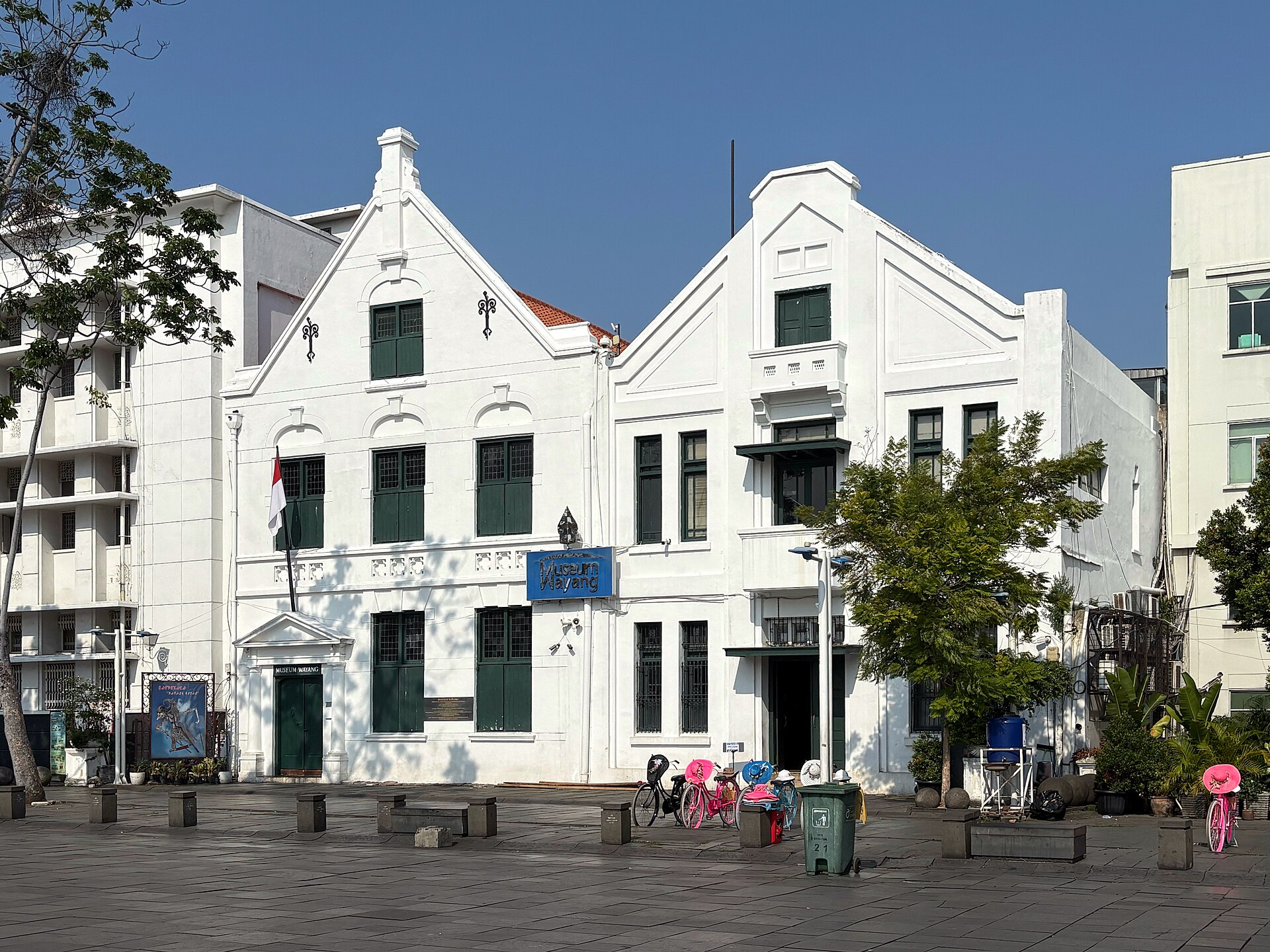
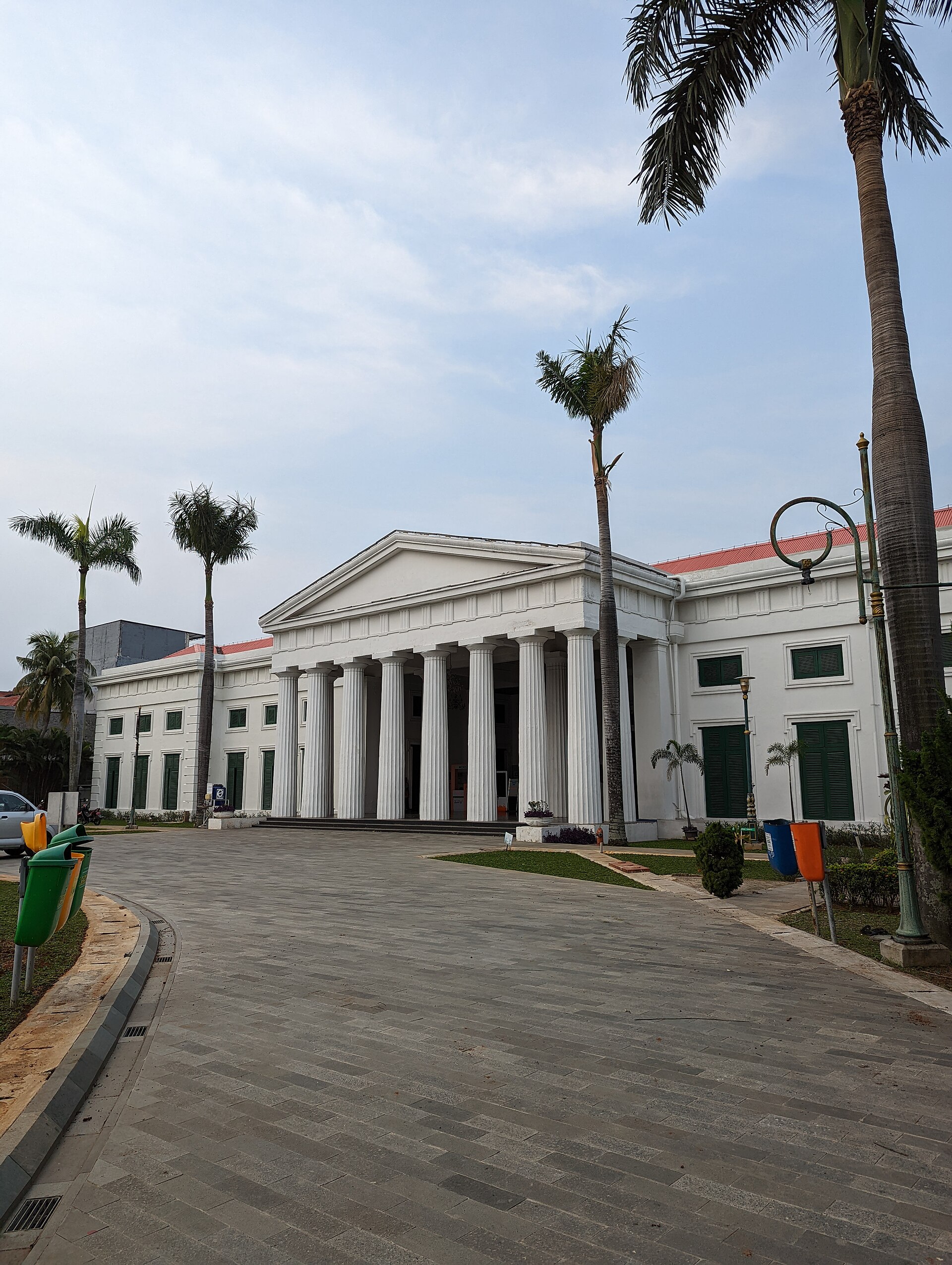
The square is bordered by several notable structures including the Jakarta History Museum in the former Stadhuis town hall building, the Wayang Museum, and the Fine Arts and Ceramics Museum. A prominent feature is the fountain monument located centrally within the plaza. The surrounding area contains additional colonial-era buildings, some restored and others in various states of preservation. Street vendors and informal food sellers operate around the perimeter. The square itself provides open pedestrian space with limited seating and shade structures.
Checked 2026-08-31 · Source
Visitors typically spend between one and three hours at Fatahillah Square depending on museum entry and pace of exploration. A brief walk-through of the plaza alone requires approximately thirty minutes. Combined visits to the surrounding museums extend duration substantially. Evening and weekend visits often include people-watching and casual dining at adjacent establishments. The square suits both quick stops as part of broader Kota Tua exploration and longer stays incorporating multiple attractions. Plan additional time for photography and spontaneous engagement with street activity.
Checked 2026-08-31 · Source
The public square is accessible 24 hours daily. Municipal management can restrict bicycle rentals, vendors or sections during events, cleaning and crowd control. Arrive outside worship, event or final-admission periods and allow time for security and traffic. Weekends, school holidays and national or religious observances increase crowds or alter individual areas. Jakarta heat, humidity and rain affect outdoor squares, parks and harbour approaches, while indoor museums remain more controlled. The dated operator notice always takes priority over the normal pattern.
Checked 2026-08-31 · Source
Square access is free; museums, bicycle hire, street performances and guided tours charge separately. Use the official operator and retain the ticket, JakCard or timed confirmation. General entry does not include separately priced decks, museums, immersive rooms, rides, performances, parking, rentals or food unless stated. Free access can still require security, registration or appropriate clothing. Concessions and foreign-visitor prices require the identity document named by the venue.
Checked 2026-08-31 · Source
Jakarta Kota KAI and TransJakarta stations are about five minutes south via the pedestrian old-town corridor. Allow a traffic buffer and use the full Indonesian venue name in ride-hailing apps. Kota Tua, Merdeka Square and Museum Campus-style clusters contain several entrances, so navigate to the named gate rather than a general district pin. Public transport avoids parking constraints, while pedestrian crossings and tropical weather can lengthen the final walk.
Checked 2026-08-31 · Source
The central plaza is broad and mostly level, with curb ramps at principal approaches; cobbles and crowds can make movement uneven. Follow the designated accessible route and staff instructions. Historic thresholds, worship areas, harbour operations, rides, pavilions and immersive installations can apply narrower access than the main route. Keep bags compact, protect tickets and identification, dress appropriately at religious sites and leave lifts, ramps, aisles and emergency routes clear.
Checked 2026-08-31 · Source
The colonial architecture surrounding Fatahillah Square provides strong photographic subjects including symmetrical building facades and the central fountain. Early morning and late afternoon offer preferable natural light angles. The square's open space allows unobstructed wide shots though weekend crowds complicate clean compositions. Museum interiors permit photography under varying policies requiring verification. Night photography benefits from building illumination though tripod use may attract security attention. The fountain monument serves as a recognizable landmark identifier. Respect individuals when capturing street scenes; some vendors and visitors may object to direct photography.
Checked 2026-08-31 · Source
Yes.
No regular closure applies.
Most municipal museums are closed Monday.
Yes across the central plaza.
No.
Jakarta Kota.
Loading the interactive map…
The interactive map could not be loaded.
Last updated:
Source: OpenStreetMap contributors, Wikidata ·