_Fatahillah_Square_(2025)_-_img_02.jpg)
1 min walk
Fatahillah Square
- Must see
- Historic monument

Museum · Jakarta
Museum Sejarah Jakarta
| Monday | Closed |
|---|---|
| Tuesday | 09:00 – 15:00 |
| Wednesday | 09:00 – 15:00 |
| Thursday | 09:00 – 15:00 |
| Friday | 09:00 – 15:00 |
| Saturday | 09:00 – 15:00 |
| Sunday | 09:00 – 15:00 |
Checked 2026-08-31 · Source
| Per person | IDR 5,000.00 |
|---|
Checked 2026-08-31 · Source
Read from the OpenStreetMap access tags; anything not listed has no tag recorded.
Set the group type to family in the planner and the day window contracts to about three quarters of a solo day.
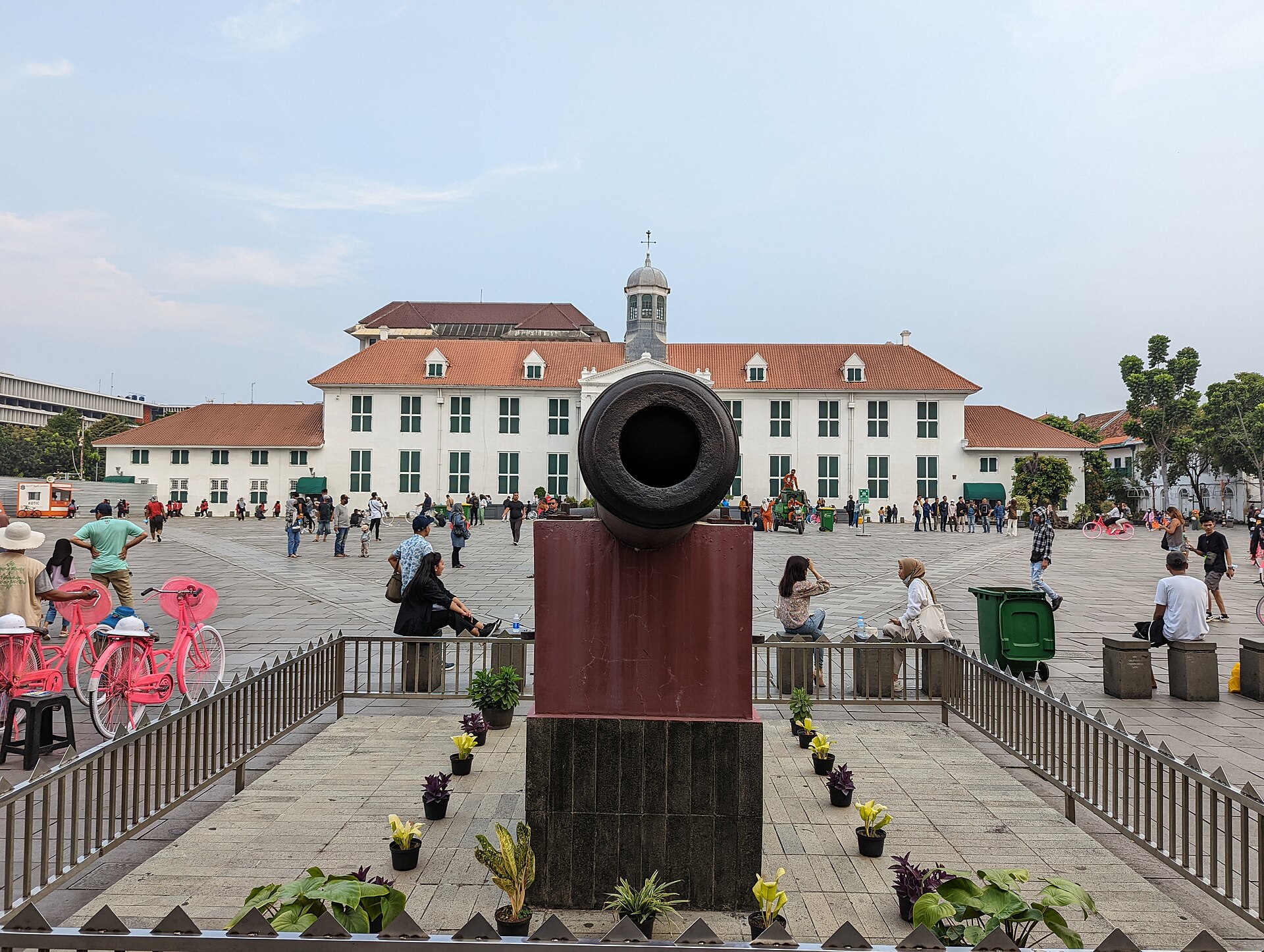
The Jakarta History Museum, locally known as Museum Sejarah Jakarta, is a museum housed in the former Stadhuis of Batavia, the colonial town hall of Dutch East India Company era. The building stands in Kota Tua, the old town area of Jakarta. It represents Dutch colonial architecture and serves as a key heritage landmark. The museum presents historical collections related to Jakarta's development from pre-colonial period through independence. Its location in Fatahillah Square places it among several preserved colonial structures in this historic district. Jakarta History Museum occupies the former Batavia City Hall, completed in the early eighteenth century and later adapted to interpret Jakarta from precolonial settlement through Dutch rule and independence. Period rooms, maps, furniture, archaeology and objects of municipal life explain how Sunda Kelapa and Batavia developed into the modern capital. The colonial building itself is part of the evidence, including old cells and administrative spaces. That historic fabric also creates access limits: the ground-floor route is more manageable than upper rooms reached through stairs and thresholds. The museum's location facing Fatahillah Square allows the administrative history inside to be compared directly with the public space and commercial buildings that organised colonial Batavia.
Checked 2026-08-31 · Source
The museum contains historical artifacts, maps, paintings, and furniture reflecting Jakarta's past. Collections include items from the Dutch colonial period, Betawi culture, and archaeological finds from the region. Displays cover the city's transformation from Sunda Kelapa port through Dutch Batavia to modern Jakarta. The building itself features period rooms including the former governor's office and assembly hall. Furniture and decorative elements from the colonial administration remain in situ. Exhibitions address trade, governance, and daily life across different eras of the city's history.
Checked 2026-08-31 · Source
Visitors typically allocate one to two hours for exploring the museum's main exhibitions and architectural features. The compact layout of the colonial building allows efficient circulation through display rooms. Additional time may be spent examining detailed maps, historical paintings, or colonial-era furnishings. The surrounding Fatahillah Square contains other heritage structures that visitors often combine with this site. Total engagement depends on interest level in Indonesian colonial history and museum collections. Photography and reading exhibit labels extend duration. Integration with broader Kota Tua exploration commonly occupies half a day.
Checked 2026-08-31 · Source
Open Tuesday-Sunday 09:00-15:00; closed Monday and selected public holidays. Last admission is before closing. Arrive outside worship, event or final-admission periods and allow time for security and traffic. Weekends, school holidays and national or religious observances increase crowds or alter individual areas. Jakarta heat, humidity and rain affect outdoor squares, parks and harbour approaches, while indoor museums remain more controlled. The dated operator notice always takes priority over the normal pattern.
Checked 2026-08-31 · Source
Adult admission is IDR 5,000 under the Jakarta municipal museum tariff; student and child concessions apply. Use the official operator and retain the ticket, JakCard or timed confirmation. General entry does not include separately priced decks, museums, immersive rooms, rides, performances, parking, rentals or food unless stated. Free access can still require security, registration or appropriate clothing. Concessions and foreign-visitor prices require the identity document named by the venue.
Checked 2026-08-31 · Source
The museum occupies the south side of Fatahillah Square, a five-minute walk from Jakarta Kota KAI and TransJakarta stations. Allow a traffic buffer and use the full Indonesian venue name in ride-hailing apps. Kota Tua, Merdeka Square and Museum Campus-style clusters contain several entrances, so navigate to the named gate rather than a general district pin. Public transport avoids parking constraints, while pedestrian crossings and tropical weather can lengthen the final walk.
Checked 2026-08-31 · Source
The ground floor and courtyard have assisted access, but steep historic stairs and thresholds exclude much of the upper-floor route. Follow the designated accessible route and staff instructions. Historic thresholds, worship areas, harbour operations, rides, pavilions and immersive installations can apply narrower access than the main route. Keep bags compact, protect tickets and identification, dress appropriately at religious sites and leave lifts, ramps, aisles and emergency routes clear.
Checked 2026-08-31 · Source
Personal photography follows room signs inside the former Batavia town hall. Use no flash around documents, furniture and light-sensitive objects, and keep tripods and lighting out of narrow colonial-era rooms and stairs. The façade and Fatahillah Square provide broad exterior views without a museum ticket. Ask before photographing staff or programmes. Commercial, publication and staged photography require Jakarta museum authority permission; drone use over the crowded heritage district is not part of ordinary admission.
Checked 2026-08-31 · Source
Monday.
IDR 5,000.
No.
Yes in ordinary museum admission.
It occupies the former Dutch colonial city hall.
Jakarta Kota.
Loading the interactive map…
The interactive map could not be loaded.
Last updated:
Source: OpenStreetMap contributors, Wikidata ·