.jpg)
6 min walk
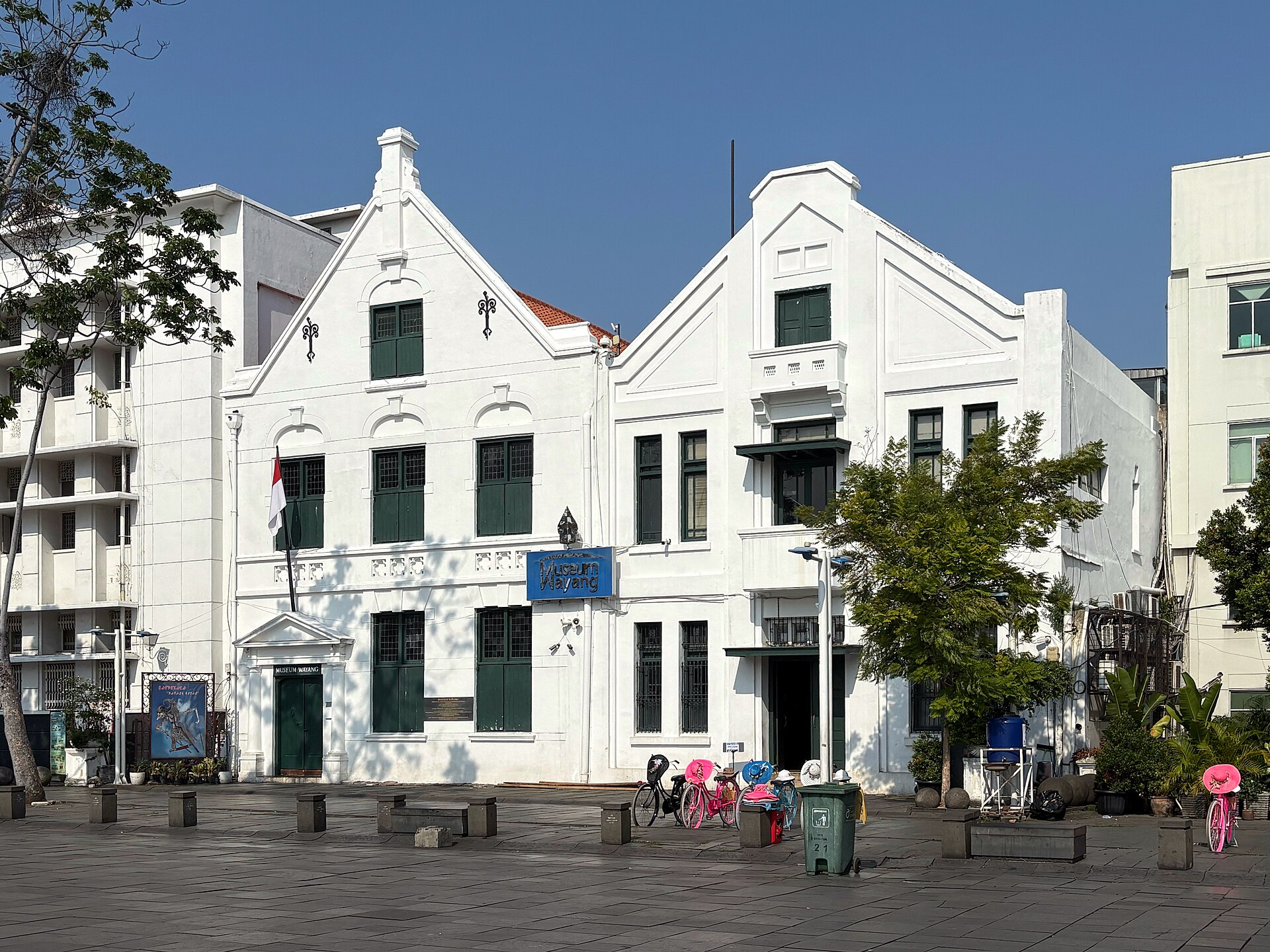
Wayang Museum
- Must see
- Museum
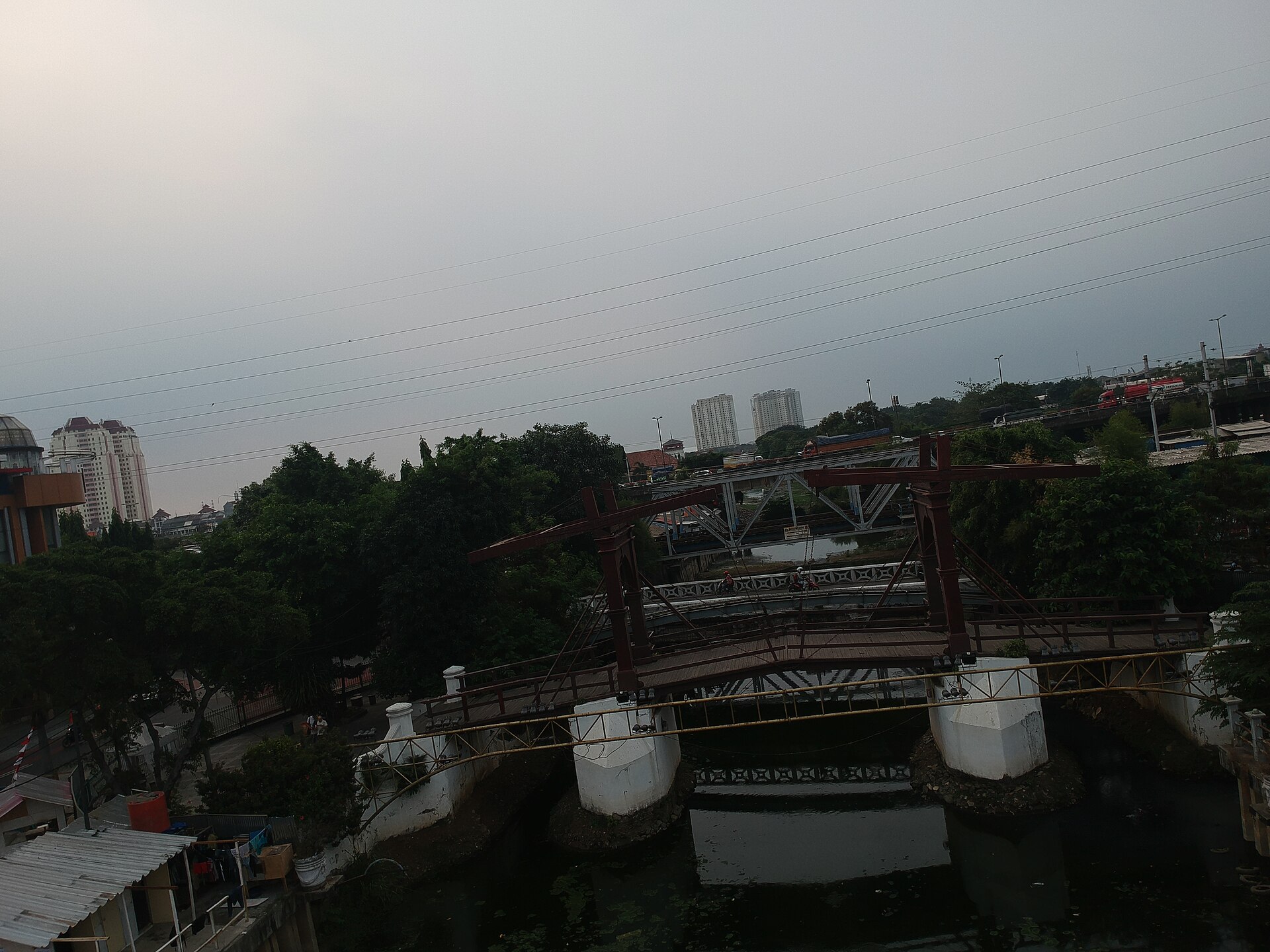
Historic monument · Jakarta
| Monday | 00:00 – 23:59 |
|---|---|
| Tuesday | 00:00 – 23:59 |
| Wednesday | 00:00 – 23:59 |
| Thursday | 00:00 – 23:59 |
| Friday | 00:00 – 23:59 |
| Saturday | 00:00 – 23:59 |
| Sunday | 00:00 – 23:59 |
Checked 2026-08-31 · Source
| Per person | IDR 0.00 |
|---|
Checked 2026-08-31 · Source
Read from the OpenStreetMap access tags; anything not listed has no tag recorded.
Set the group type to family in the planner and the day window contracts to about three quarters of a solo day.
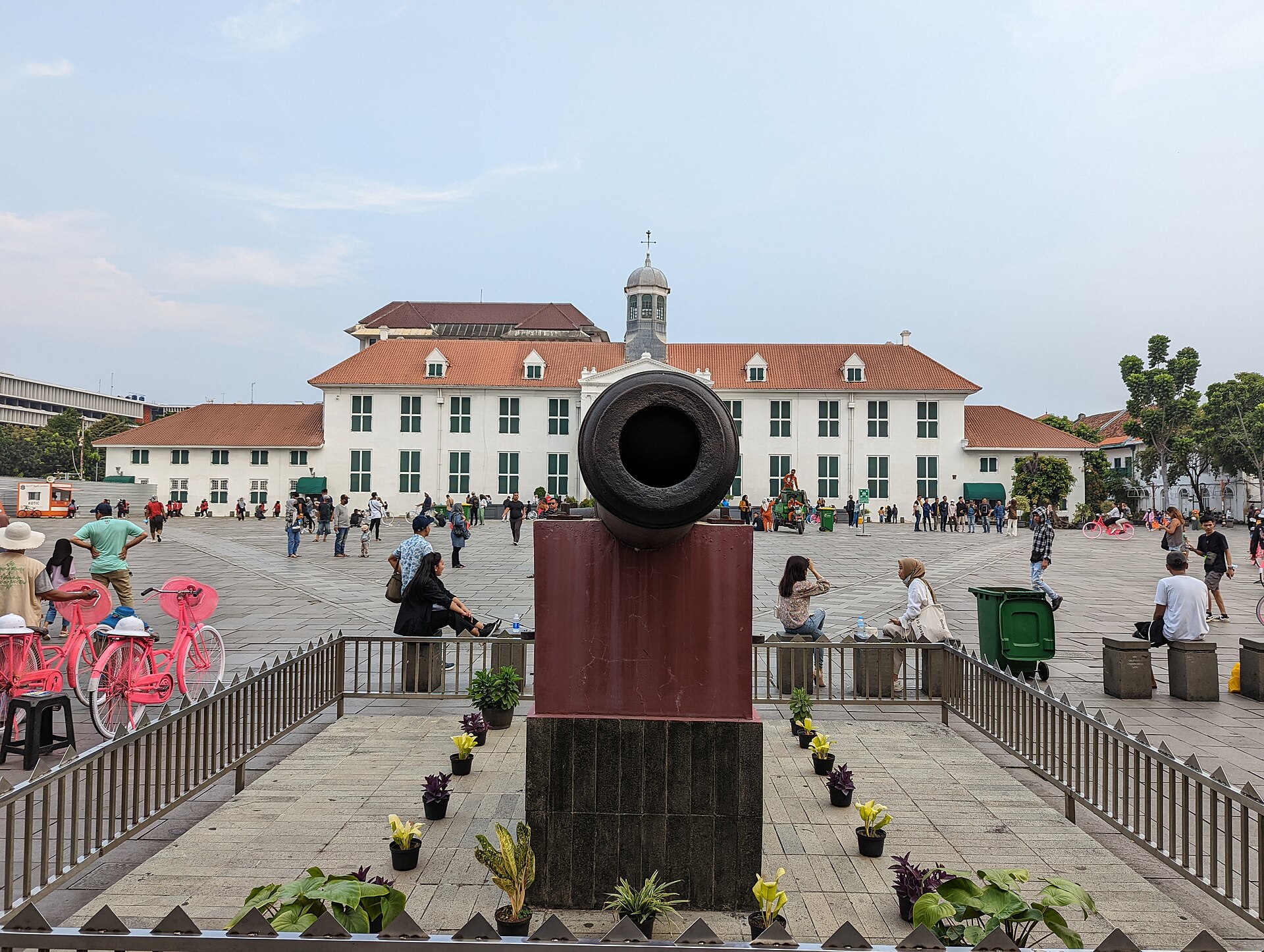
Kota Tua Jakarta, or Old Town Jakarta, is a historic district in North Jakarta preserving Dutch colonial architecture from the period when Batavia served as the capital of the Dutch East Indies. The area encompasses Fatahillah Square and surrounding streets lined with buildings dating to the 17th and 18th centuries. It functions as a cultural heritage zone where visitors can observe Indonesia's colonial past through urban fabric and institutional structures that have survived decades of urban transformation in the capital. Kota Tua preserves the street plan and surviving civic, commercial and warehouse architecture of colonial Batavia around Fatahillah Square and Kali Besar. Jakarta History Museum, Wayang Museum, Museum of Fine Arts and Ceramics, Bank Indonesia Museum and former trading buildings form separate institutions within the free public district. Cafés, bicycle rentals, street activity and heritage façades make the area function beyond museum hours, but the open streets do not imply that every building is open. The district's value lies in walking between these independent layers rather than treating it as one attraction entrance.
Checked 2026-08-31 · Source
The district contains several notable structures including the Jakarta History Museum housed in the former Stadhuis city hall, the Wayang Museum, the Fine Arts and Ceramics Museum, and the Bank Indonesia Museum. Fatahillah Square serves as the central public space where street performers and vendors gather. Surrounding streets feature additional colonial-era commercial buildings, some restored and others in various states of preservation. The area includes cafes and small businesses operating within heritage structures, contributing to its contemporary function as a leisure destination.
Checked 2026-08-31 · Source
Visitors typically allocate half a day to explore Kota Tua's core attractions, though duration varies considerably based on individual interests. Those entering multiple museums require additional time, as each institution warrants separate attention. The square itself permits brief observation or extended lingering depending on crowd conditions and personal preference. Photography enthusiasts and architecture observers may extend their visit across a full day. Combining Kota Tua with nearby Sunda Kelapa harbor, located within reasonable walking distance, can extend the overall excursion substantially.
Checked 2026-08-31 · Source
Kota Tua's public streets and squares are accessible 24 hours daily. Museums, cafes and heritage buildings keep separate hours, and events can close sections of the pedestrian zone. Arrive outside worship, event or final-admission periods and allow time for security and traffic. Weekends, school holidays and national or religious observances increase crowds or alter individual areas. Jakarta heat, humidity and rain affect outdoor squares, parks and harbour approaches, while indoor museums remain more controlled. The dated operator notice always takes priority over the normal pattern.
Checked 2026-08-31 · Source
Walking the public district is free; each museum, bicycle rental, tour and attraction charges separately. Use the official operator and retain the ticket, JakCard or timed confirmation. General entry does not include separately priced decks, museums, immersive rooms, rides, performances, parking, rentals or food unless stated. Free access can still require security, registration or appropriate clothing. Concessions and foreign-visitor prices require the identity document named by the venue.
Checked 2026-08-31 · Source
KAI Commuter Line terminates at Jakarta Kota station beside the old town; TransJakarta Kota stop serves the same hub. Allow a traffic buffer and use the full Indonesian venue name in ride-hailing apps. Kota Tua, Merdeka Square and Museum Campus-style clusters contain several entrances, so navigate to the named gate rather than a general district pin. Public transport avoids parking constraints, while pedestrian crossings and tropical weather can lengthen the final walk.
Checked 2026-08-31 · Source
Fatahillah Square and principal pedestrian streets are broadly level, but broken paving, drainage channels, curbs and inaccessible heritage interiors interrupt a complete step-free route. Follow the designated accessible route and staff instructions. Historic thresholds, worship areas, harbour operations, rides, pavilions and immersive installations can apply narrower access than the main route. Keep bags compact, protect tickets and identification, dress appropriately at religious sites and leave lifts, ramps, aisles and emergency routes clear.
Checked 2026-08-31 · Source
The colonial architecture provides substantial subject matter, with the Jakarta History Museum facade and Fatahillah Square's open space offering classic compositions. Early morning light illuminates the museum's western face favorably. Interior photography in museums may face restrictions or require permits. The square's cobblestone surface and surrounding building lines create geometric possibilities. Street photography opportunities arise with performer and vendor activity, though respectful distance and implicit permission remain advisable. Sunda Kelapa's wooden pinisi ships, reachable on foot, extend photographic options to maritime subjects against harbor backdrops distinct from the colonial urban core.
Checked 2026-08-31 · Source
Yes; museums charge separately.
No, public streets remain open.
No. Most municipal museums close Monday.
No.
Yes.
Jakarta Kota.
Loading the interactive map…
The interactive map could not be loaded.

Last updated:
Source: OpenStreetMap contributors ·