_-_img_01.jpg)

3 min walk
Lapangan Banteng
- Must see
- Nature site
Language · 11 published
Place of worship · Jakarta
Katedral Jakarta
Reviewed by Elena Voss · Roavina Travel Editor

Read from the OpenStreetMap access tags; anything not listed has no tag recorded.
Set the group type to family in the planner and the day window contracts to about three quarters of a solo day.
This place is a Place of worship. It was established in 1901. It was built in the Gothic Revival style.
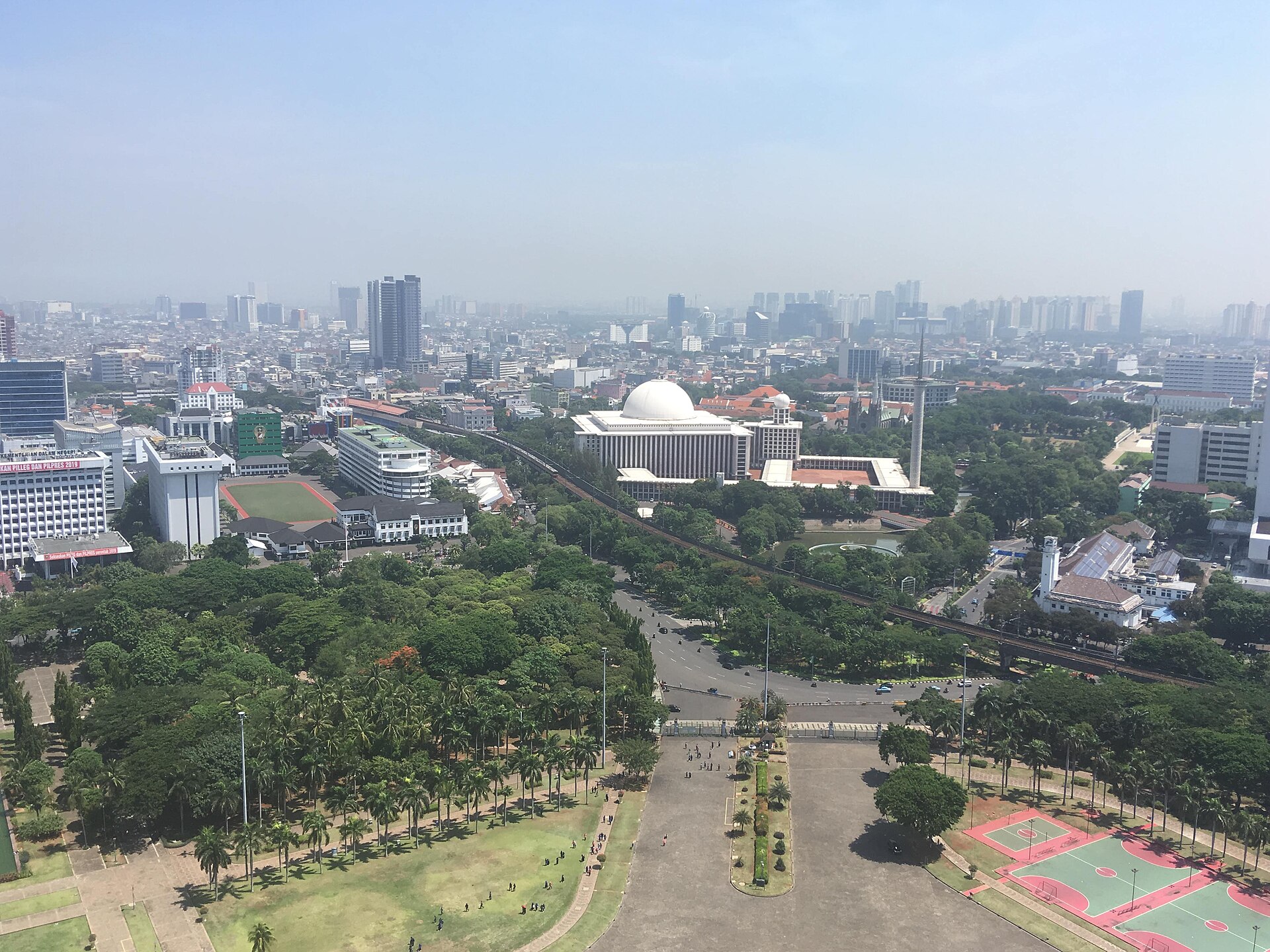
Jakarta Cathedral, locally known as Gereja Katedral Jakarta, stands as a prominent Catholic church in Indonesia's capital. The neo-Gothic structure serves as the seat of the Roman Catholic Archbishop of Jakarta. Its distinctive twin spires form a recognizable landmark in the city centre, positioned near Merdeka Square and the Istiqlal Mosque. The building represents colonial-era religious architecture and continues functioning as an active place of worship. Visitors encounter a significant spiritual and historical site within Jakarta's dense urban environment, reflecting the city's layered cultural and religious heritage through its maintained ecclesiastical presence. Jakarta Cathedral, formally the Church of Our Lady of the Assumption, is the seat of the Roman Catholic Archdiocese of Jakarta. The current neo-Gothic building was completed in 1901, with twin spires, vaulted nave and stained glass framing an active liturgical space. Its position opposite Istiqlal Mosque gives the two landmarks unusual civic and interfaith significance. Visitors may enter permitted areas outside Mass, weddings and private rites; the church's worship schedule, not tourism demand, controls circulation. A small museum interprets cathedral history on a shorter timetable.
Checked 2026-08-31 · Source
The interior features typical neo-Gothic elements including pointed arches, ribbed vaulting, and stained glass windows. The main altar and side chapels accommodate regular religious services. Ornate detailing throughout the nave demonstrates craftsmanship from the colonial period. The cathedral maintains its original architectural character with stone construction and decorative religious iconography. Visitors observe pews arranged for congregational worship, statuary, and ceremonial fixtures. The spatial arrangement follows traditional Catholic church design with a central aisle leading to the sanctuary. The building's preserved condition allows appreciation of historical construction techniques and aesthetic choices from its era of establishment.
Checked 2026-08-31 · Source
A respectful visit typically requires thirty to sixty minutes depending on individual interest in architectural examination and personal reflection. Active worshippers may stay longer for prayer or attending services. Casual visitors observing the interior and exterior features generally complete their experience within this timeframe. Photography and contemplative observation extend duration slightly. The compact central location permits efficient scheduling alongside nearby attractions including the national monument and adjacent mosque. Visitors should factor in potential waiting periods during popular times or religious observances when the space serves primary congregational functions rather than tourism purposes.
Checked 2026-08-31 · Source
The cathedral opens daily around scheduled morning and evening Masses; tourist circulation pauses during liturgy, weddings and major Christian observances. The cathedral museum follows shorter published hours. Arrive outside worship, event or final-admission periods and allow time for security and traffic. Weekends, school holidays and national or religious observances increase crowds or alter individual areas. Jakarta heat, humidity and rain affect outdoor squares, parks and harbour approaches, while indoor museums remain more controlled. The dated operator notice always takes priority over the normal pattern.
Checked 2026-08-31 · Source
Church entry is free; donations are voluntary. Museum or special guided programmes may require registration. Use the official operator and retain the ticket, JakCard or timed confirmation. General entry does not include separately priced decks, museums, immersive rooms, rides, performances, parking, rentals or food unless stated. Free access can still require security, registration or appropriate clothing. Concessions and foreign-visitor prices require the identity document named by the venue.
Checked 2026-08-31 · Source
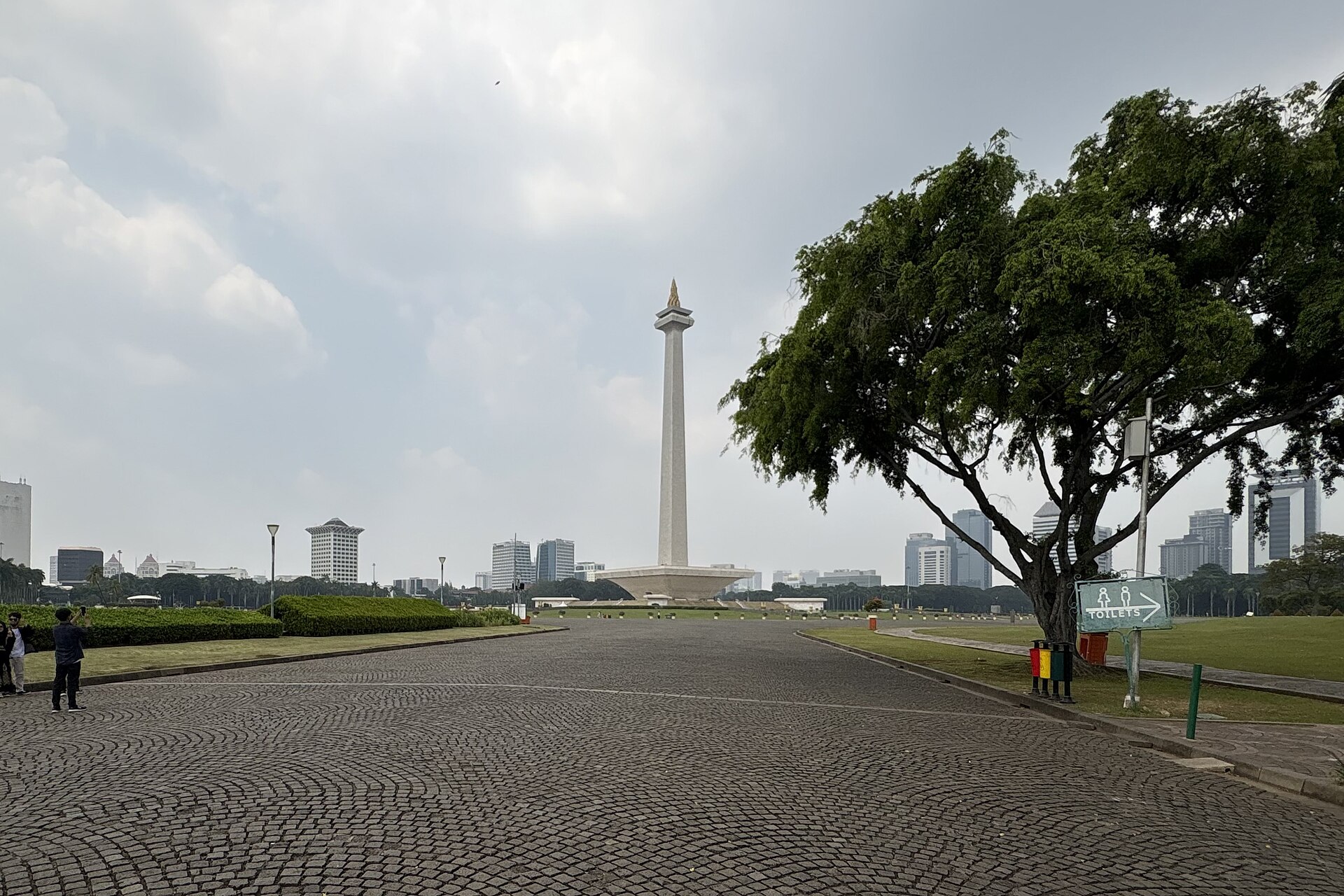
KAI Juanda station and TransJakarta Juanda are a short walk; the cathedral faces Istiqlal Mosque across Jalan Katedral. Allow a traffic buffer and use the full Indonesian venue name in ride-hailing apps. Kota Tua, Merdeka Square and Museum Campus-style clusters contain several entrances, so navigate to the named gate rather than a general district pin. Public transport avoids parking constraints, while pedestrian crossings and tropical weather can lengthen the final walk.
Checked 2026-08-31 · Source
A ramped entrance, accessible nave seating and toilets provide step-free church access; upper choir and tower areas require stairs. Follow the designated accessible route and staff instructions. Historic thresholds, worship areas, harbour operations, rides, pavilions and immersive installations can apply narrower access than the main route. Keep bags compact, protect tickets and identification, dress appropriately at religious sites and leave lifts, ramps, aisles and emergency routes clear.
Checked 2026-08-31 · Source
The neo-Gothic façade, twin spires, nave and stained glass are strong subjects, but Jakarta Cathedral is first an active church. Personal photography must stop during Mass, weddings, funerals and private prayer whenever staff or signs direct. Avoid flash, tripods and lighting, keep aisles and the step-free route open and never photograph worshippers closely without consent. Morning light suits the façade; stained glass is brightest from inside during daylight. Commercial or staged photography needs church permission.
Checked 2026-08-31 · Source
Yes.
They may attend respectfully, while sightseeing movement and photography pause.
Yes at nave level.
No. It has shorter separate hours.
Yes.
Juanda.
Loading the interactive map…
The interactive map could not be loaded.
Last updated:
Source: OpenStreetMap contributors, Wikidata ·