Book of Kells
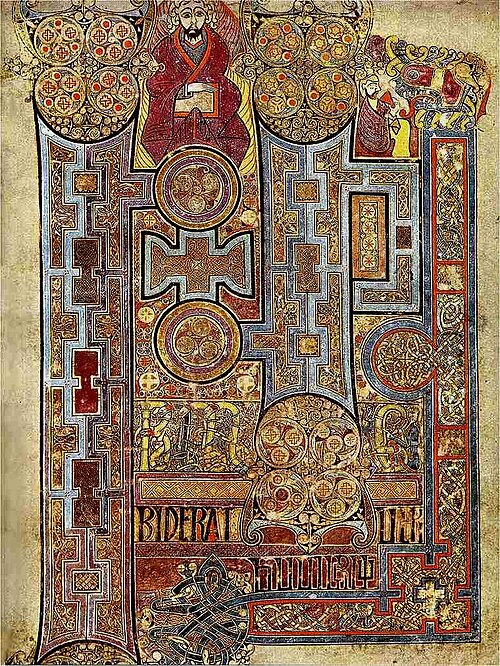
The Book of Kells is an illuminated manuscript Gospel book in Latin, containing the four Gospels of the New Testament. It is housed at Trinity College Dublin.
- Must see
- Historic monument
- Dublin
Country guide
Ireland here means the state covering 26 of the island's 32 counties; the other six are Northern Ireland, and the two share the republic's only land border. Abo...
Photograph · Suicasmo · CC BY-SA 4.0
Reviewed by Elena Voss · Roavina Travel Editor
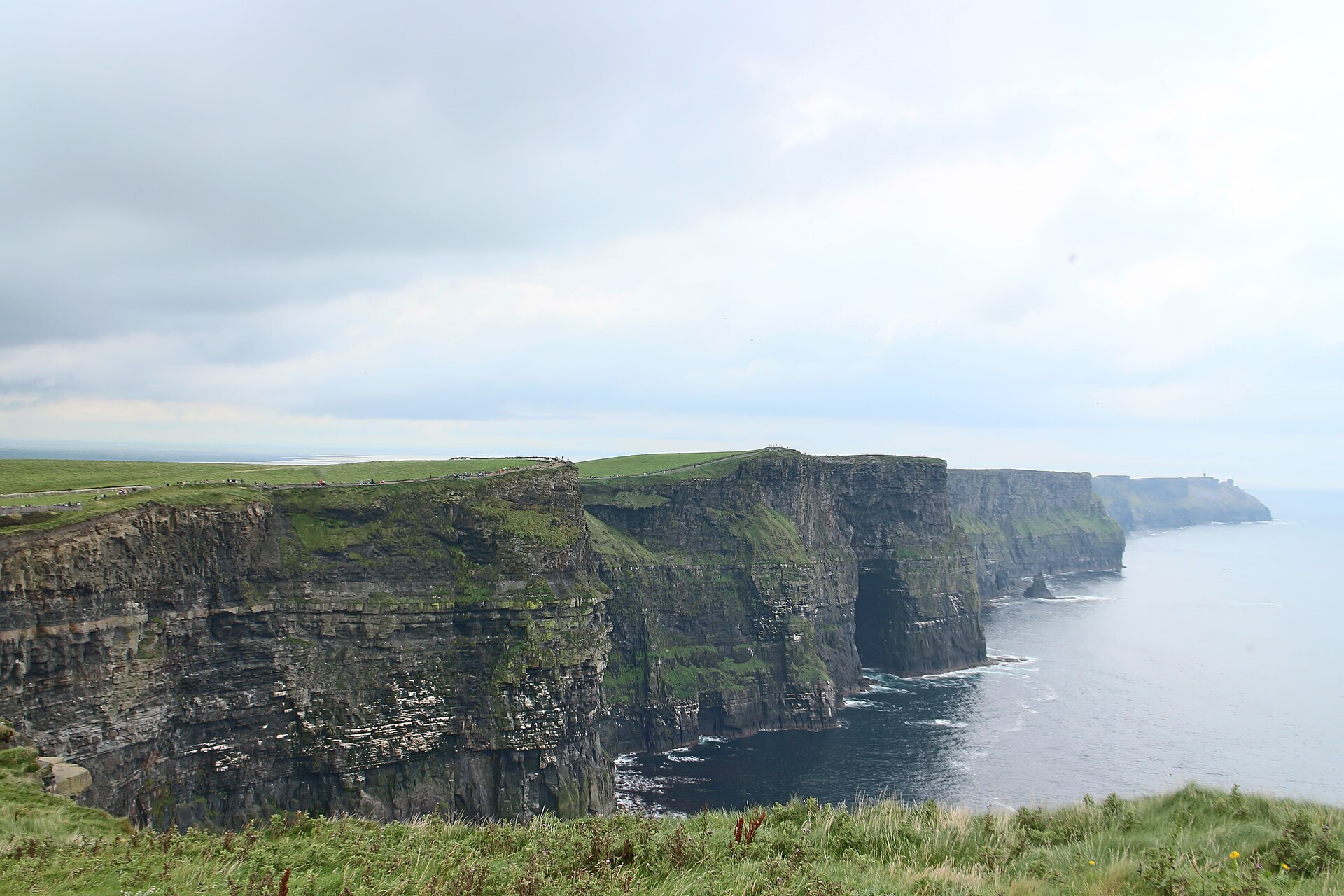
Ireland here means the state covering 26 of the island's 32 counties; the other six are Northern Ireland, and the two share the republic's only land border. About 5.4 million people live in the 26, more than 1.5 million of them in Dublin on the east coast, where most arrivals begin. Everything else is a direction away from the capital - the Atlantic west and its cliffs and harbour towns, the Celtic Sea to the south beyond Cork, the Irish Sea coast running north. The island is small enough to cross by car in a day, which regularly tempts people into trying it.
Checked 2026-08-25
Every city catalogued in this country so far, ranked by how much there is to see.
Photograph · 瑞丽江的河水 · CC BY-SA 4.0
Seasonal closures come from recorded opening hours.
Ranked by importance — sitelinks, pageviews and heritage status, not editor preference.
100 places match
Category
Typical visit duration
Interests
The Book of Kells is an illuminated manuscript Gospel book in Latin, containing the four Gospels of the New Testament. It is housed at Trinity College Dublin.
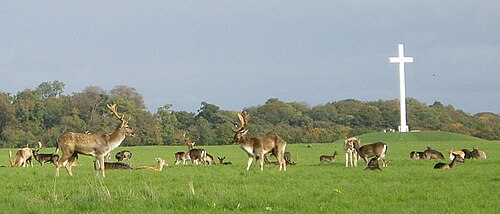
Phoenix Park is a large public park located west of Dublin city centre. It is one of the largest enclosed recreational spaces within any European capital city.
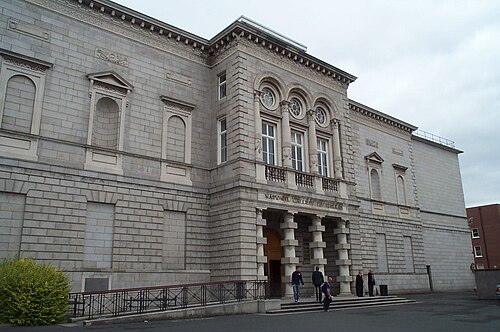
The National Gallery of Ireland is a major public art museum located in Dublin. It occupies a prominent position in the city centre, near Merrion Square.
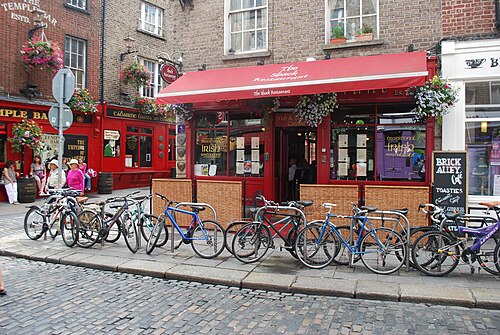
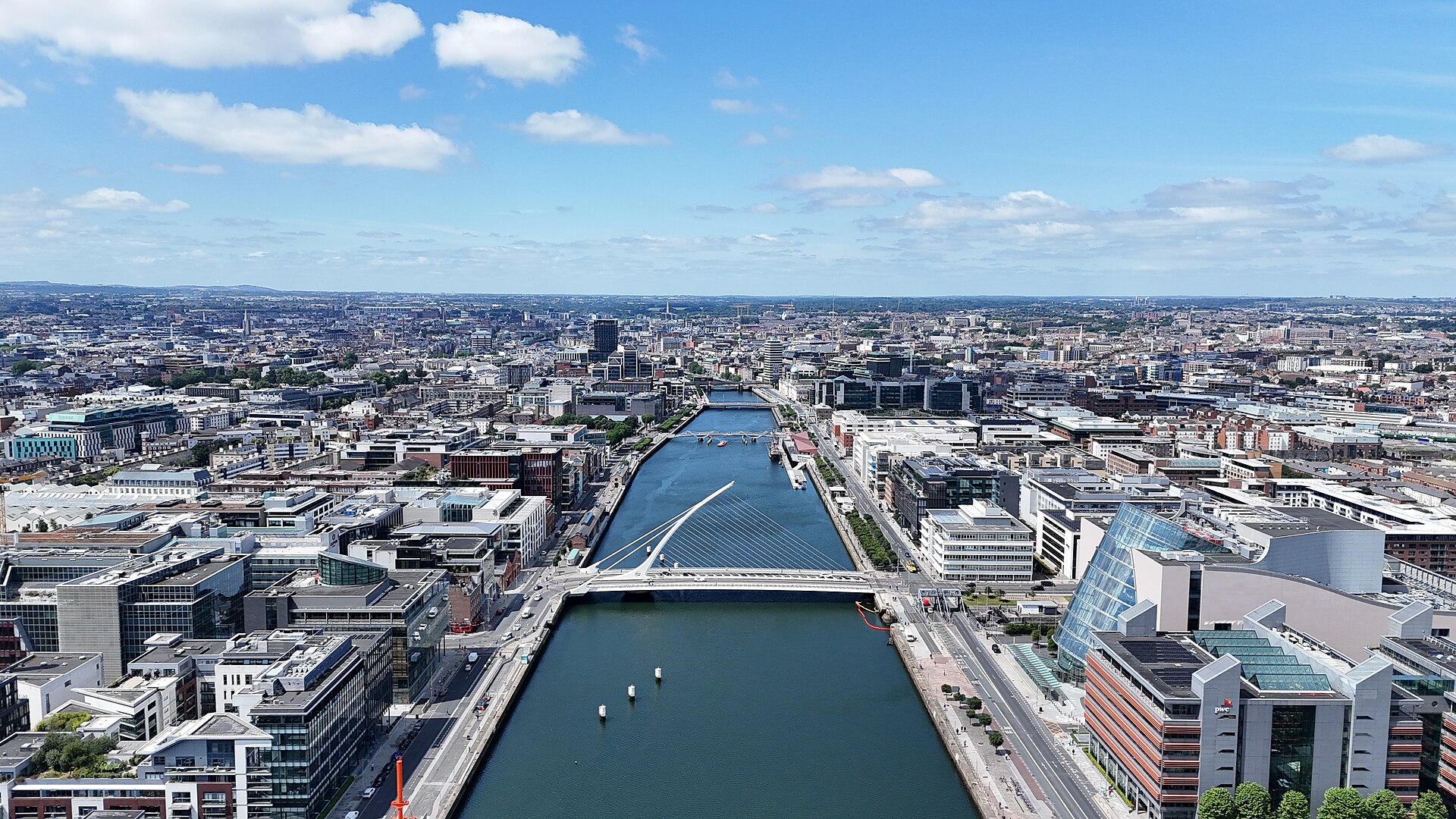
Temple Bar is a neighbourhood rather than a building: about a dozen cobbled streets on the south bank of the River Liffey, bounded by the river to the north, Dame Street to the south, Westmoreland Street to the east and…
Chester Beatty Library is a museum and library in Dublin, Ireland. It houses the collection of Sir Alfred Chester Beatty, a mining magnate and collector.
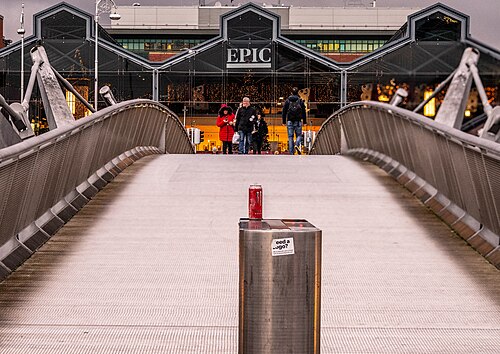
EPIC The Irish Emigration Museum is an interactive digital museum located in Dublin's Docklands, within the historic CHQ Building. It explores the stories of Irish emigration throughout history, examining why people left Ireland and how they influenced the world.
Dublin Zoo is a zoological garden located in Phoenix Park, Dublin. Founded in 1830, it is one of the oldest zoos still in operation worldwide.
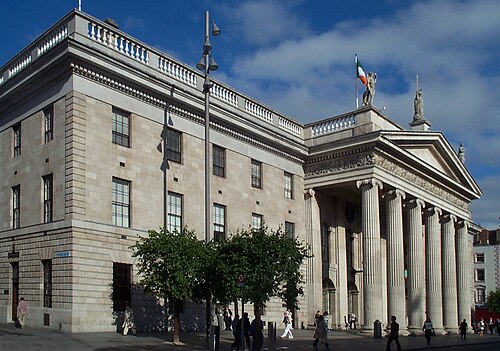
The General Post Office stands on O'Connell Street in Dublin as one of Ireland's most recognisable civic buildings. Designed by Francis Johnston and completed in 1818, it serves as the headquarters of An Post, the Irish postal service.
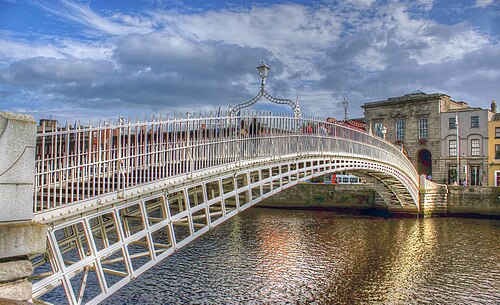
Ha'penny Bridge is a historic pedestrian bridge spanning the River Liffey in Dublin city centre. Its local name and common name are identical: Ha'penny Bridge.
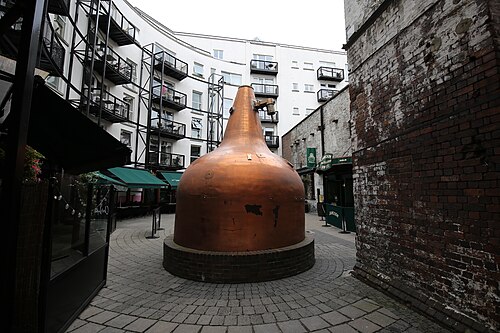
The Old Jameson Distillery is a visitor attraction located on Bow Street in Smithfield, Dublin. It occupies the site of the original Jameson whiskey distillery founded by John Jameson in 1780.
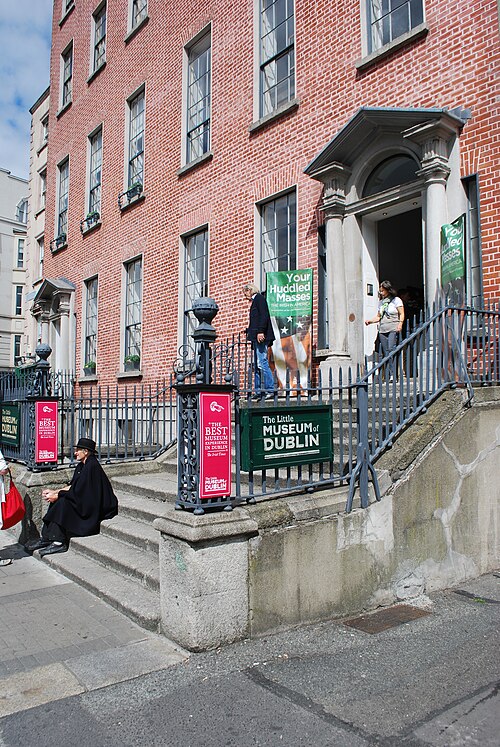
The Little Museum of Dublin
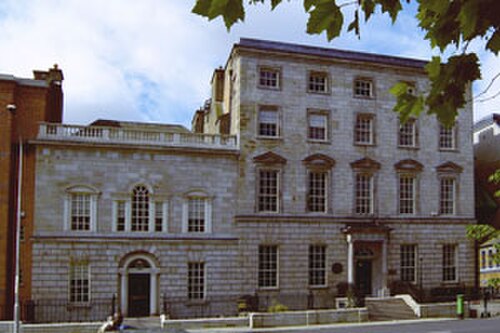
The Little Museum of Dublin is a small city-centre museum dedicated to the history of Ireland's capital in the twentieth century. Housed in a Georgian townhouse on St Stephen's Green, it presents a compact, idiosyncratic collection assembled through public donation.
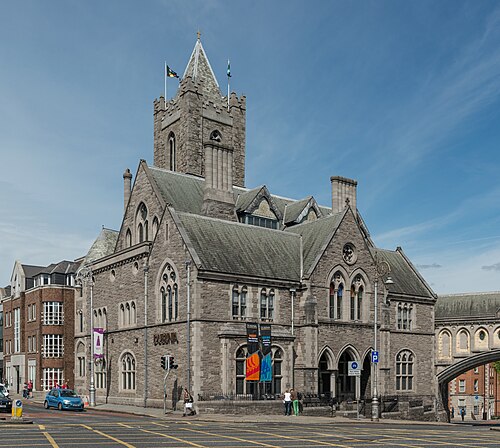
Dublinia is a historical recreation museum in Dublin, Ireland, presenting the city's medieval and Viking heritage. Located near Christ Church Cathedral, the attraction uses interactive exhibits to explore Dublin's past from its Viking settlement origins through the medieval period.
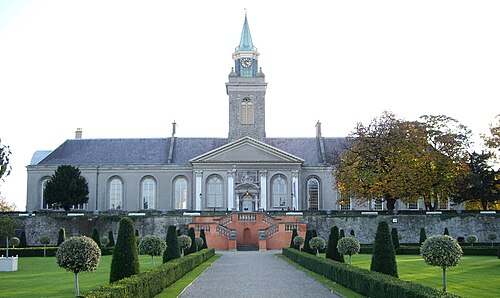
The Irish Museum of Modern Art is a national institution in Dublin dedicated to contemporary and modern art. It occupies the historic Royal Hospital Kilmainham, a seventeenth-century building with extensive grounds.
National Museum of Ireland (Decorative Arts & History)
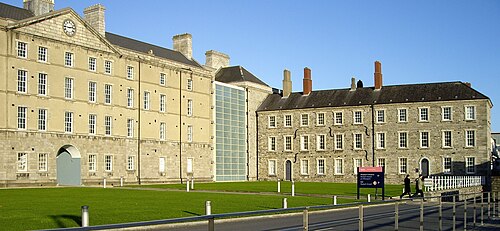
The National Museum of Ireland at Collins Barracks is a branch of Ireland's national museum system, housed in former military barracks dating to the early eighteenth century.
National Museum of Ireland, Natural History
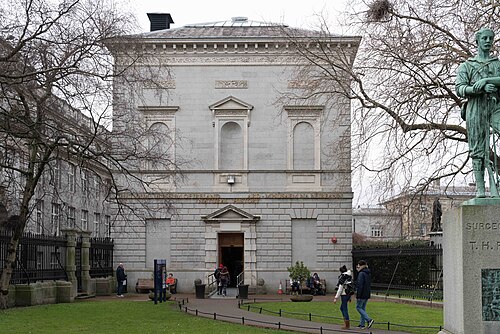
The National Museum of Ireland, Natural History occupies a Victorian building on Merrion Street in Dublin. Known locally as the "Dead Zoo," this institution forms part of the National Museum of Ireland network.
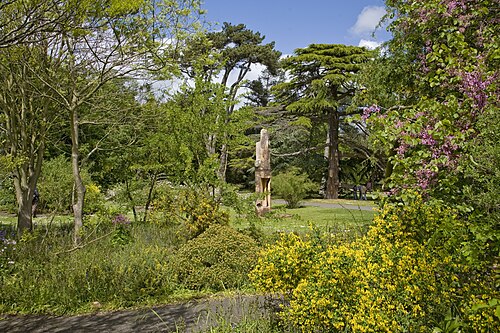
The National Botanic Gardens in Dublin is a botanical garden and scientific institution located in Glasnevin. Established in 1795, it serves as a centre for botanical research and conservation in Ireland.
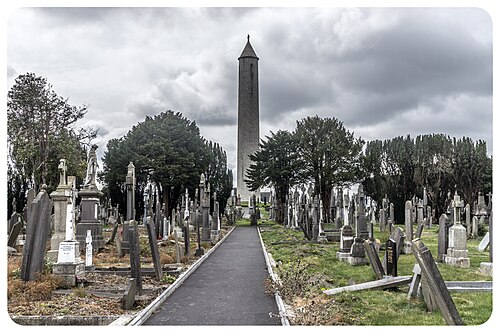
Glasnevin Cemetery is a historic burial ground located in Dublin, Ireland. Established in 1832, it serves as the final resting place for many prominent Irish historical figures.
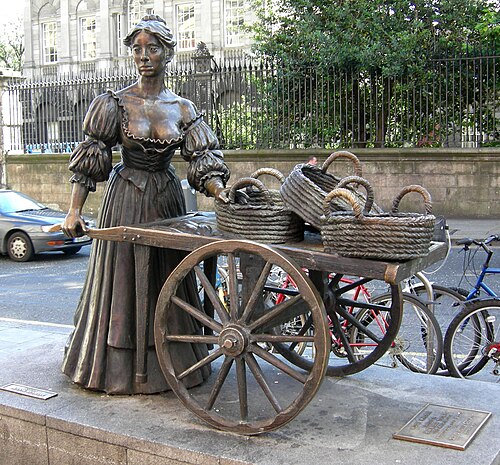
Molly Malone is a bronze statue located on Suffolk Street in Dublin city centre.
Merrion Square Park
Merrion Square is a Georgian garden square in Dublin, Ireland, with a public park at its centre known as Merrion Square Park.
Iveagh Gardens is a public park located in Dublin, Ireland. The gardens were originally designed in the 19th century and are known for their Victorian landscape design.
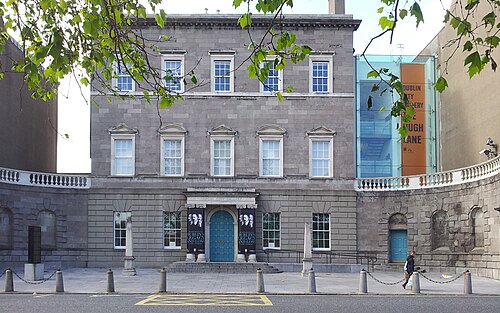
The Hugh Lane Gallery is a municipal art gallery in Dublin, Ireland. Established through a bequest from Sir Hugh Lane, who perished aboard the RMS Lusitania in 1915, the institution occupies a purpose-built structure on Parnell Square North.
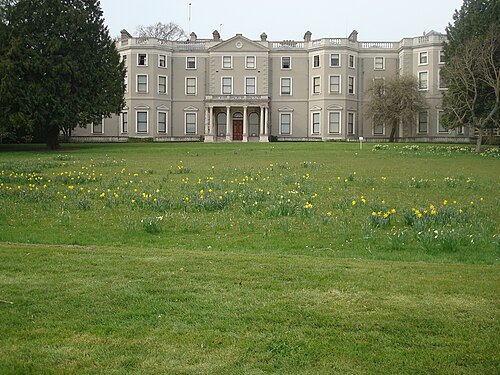
Farmleigh is a historic estate and official Irish State guest house located in the Phoenix Park area of Dublin. The property serves as a venue for state functions and is also open to public visitors.
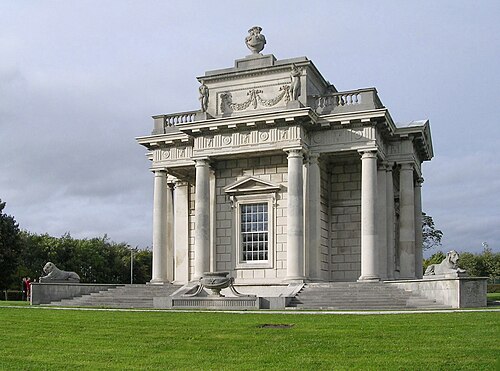
The Casino at Marino is a small pleasure house located in the northern suburbs of Dublin, Ireland.
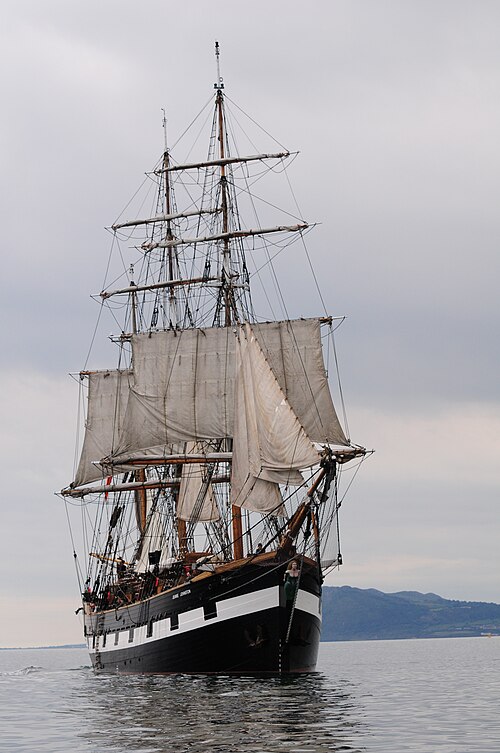
The Jeanie Johnston is a tall ship and famine museum moored on the River Liffey in Dublin. It is a replica of the original three-masted barque that carried Irish emigrants to North America during the Great Famine of the 1840s.
The Museum of Literature Ireland, known locally by the same name, is a cultural institution in Dublin dedicated to Irish literary heritage.
Seven to ten days supports Dublin plus one coherent coastal or western circuit. A shorter trip should choose either the southwest, Galway and Connemara, or Northern Ireland connections rather than tracing the entire island.
Irish Immigration explains the documents examined at the border. Visa need, passport validity and supporting evidence depend on nationality; Ireland is not part of Schengen, so a Schengen permission alone does not settle Irish entry.
Dublin is the largest air gateway, with Shannon and Cork useful for western and southern routes. Intercity rail and coach links serve the main cities, while rural peninsulas and small settlements often require a car or planned bus connection.
May to September offers longer daylight for road and coastal itineraries. Rain and wind remain possible throughout the year, so ferry crossings and exposed walks need a current forecast rather than a seasonal assumption.
Ireland uses the euro (EUR). The cited national tourism source does not record a universal payment rule; confirm card acceptance for rural transport, small accommodation and deposits, and retain an alternative.
Emergency services in Ireland answer 112 or 999. Type G sockets use 230 V, and mains tap water is recorded as safe.