


2 min walk
Sacher Park
- Must see
- Nature site
Language · 11 published
Nature site · Jerusalem
התחנה לחקר ציפורי ירושלים
Reviewed by Elena Voss · Roavina Travel Editor
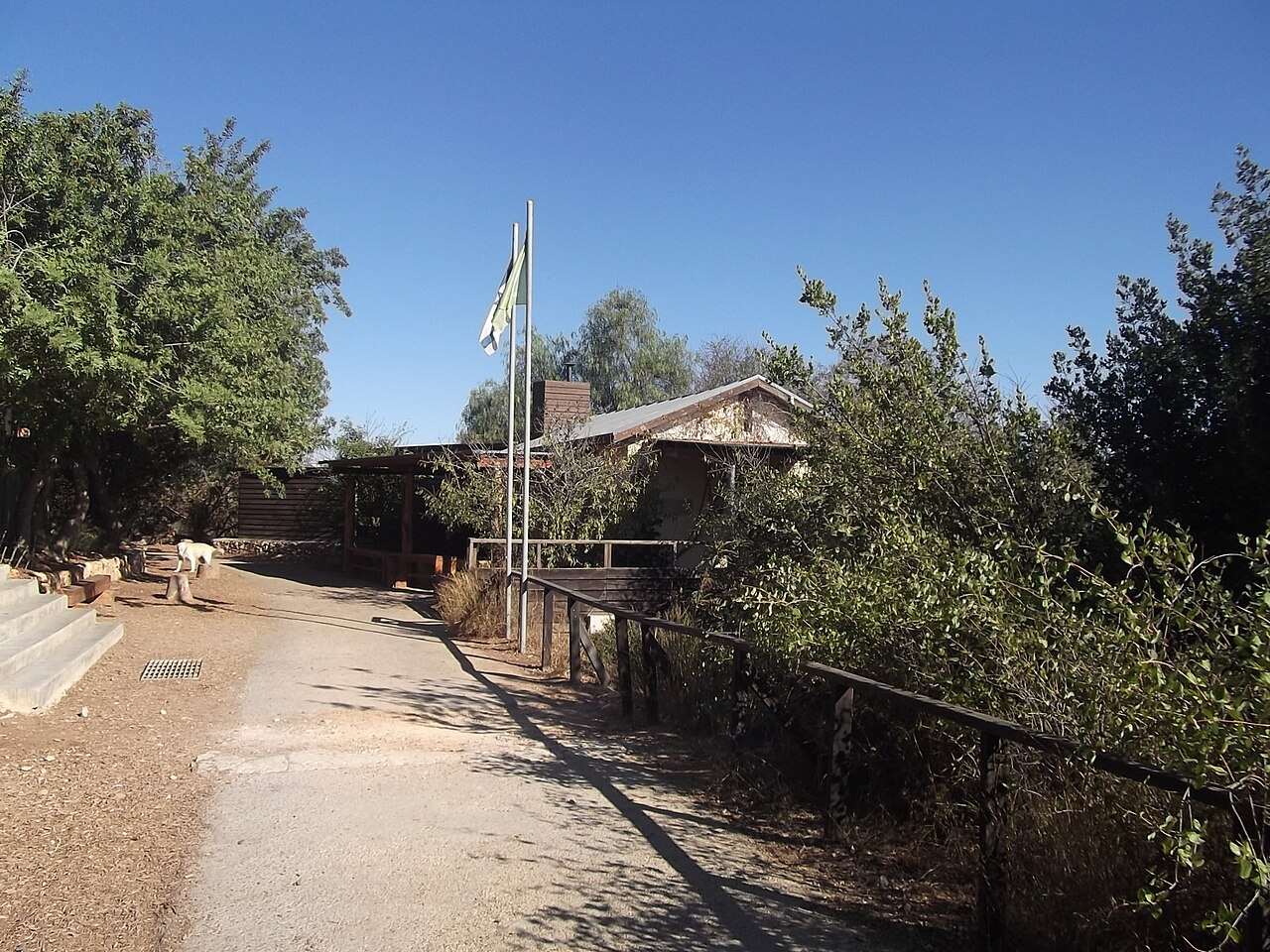
This place is a Garden. It was established in 1994.
Jerusalem Bird Observatory is an urban nature site in central Jerusalem, where wild birds can be watched against a city backdrop. Its position on a migration route between Africa, Europe and Asia gives the site particular interest during spring and autumn passage. The observatory combines public birdwatching with environmental education and scientific monitoring. It is a rewarding choice for travelers who want a quieter experience alongside Jerusalem’s historic streets, especially when they enjoy patient observation rather than a fast sightseeing stop. The Jerusalem Bird Observatory is an urban birdwatching site situated in central Jerusalem, Israel. Established to monitor avian migration patterns and provide environmental education, it occupies a strategic location along a major flyway between Africa, Europe, and Asia. The observatory serves both scientific research and public engagement purposes, offering visitors opportunities to observe wild birds within a densely populated metropolitan environment. Its presence in Jerusalem reflects growing global interest in urban ecology and citizen science participation in biodiversity conservation efforts. Children with genuine interest in nature observation can benefit, though patience requirements may challenge younger visitors. Educational programming availability should be confirmed directly.
Checked 2026-08-26 · Source
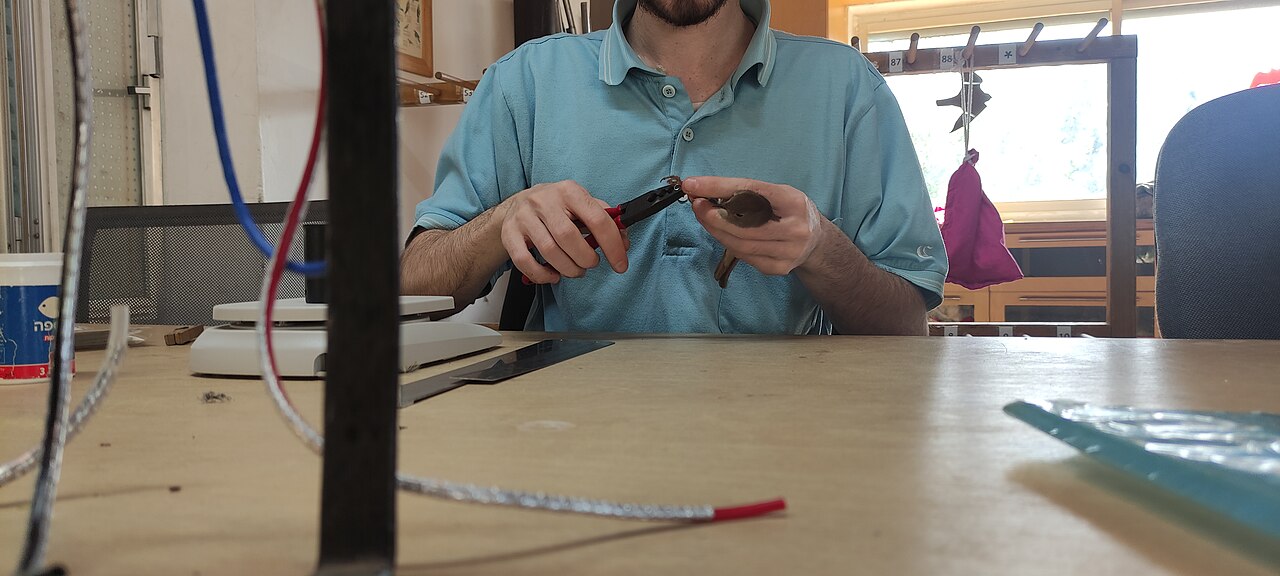
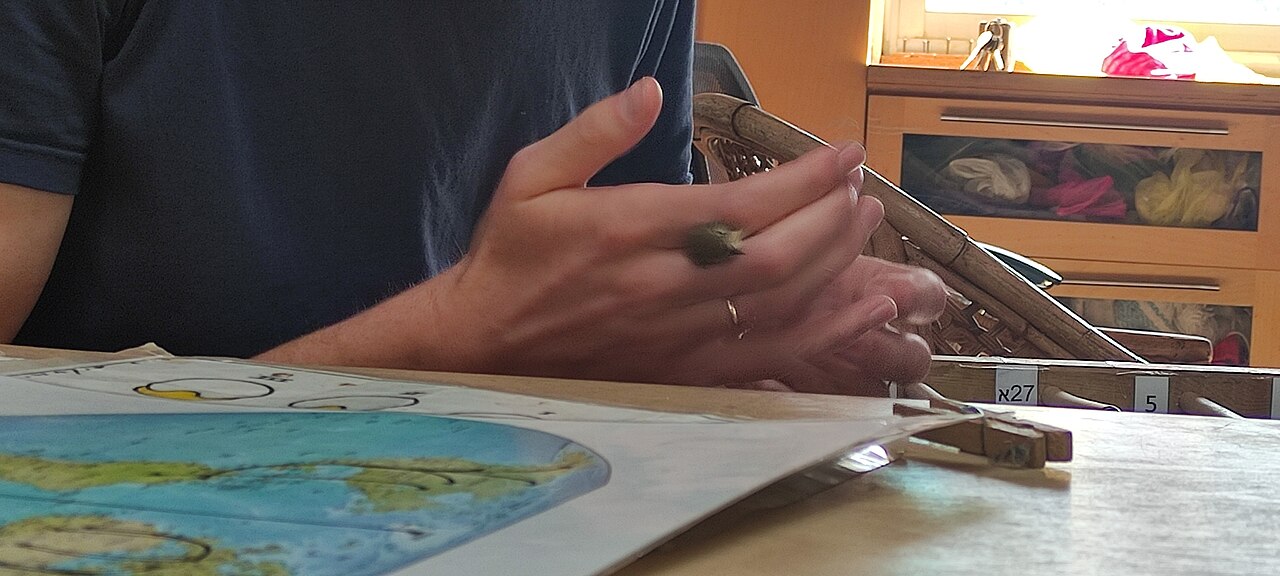
The observatory includes ringing stations, observation hides, gardens and water features used by resident and migratory birds. At ringing stations, birds may be measured, weighed, banded and released as part of monitoring work. Hides provide closer views while keeping visitors at a respectful distance. The grounds function as a living laboratory, so the experience is shaped by wildlife activity rather than a fixed exhibition route. Educational activities and guided sessions can form part of the visit when arranged through the observatory’s programme.
Checked 2026-08-26 · Source
Allow about thirty minutes for a brief look from the observation points, or two to three hours if birdwatching is a central purpose of your day. Longer visits give you time to wait quietly, compare different habitats and watch activity around the gardens and water. The site is compact, so the main investment is patience rather than strenuous walking. Returning in another season can change the species mix and make the same paths feel like a different experience.
Checked 2026-08-26 · Source
Spring and autumn are the strongest seasons for migration, with spring passage generally running from March to May and autumn movement from September to November. Summer can bring breeding residents, while winter offers overwintering species. Dawn and early morning are the most useful times for active observation. Weather affects bird movement, so a calm morning may produce a fuller experience than a hot or windy one. Build the observatory into a day when you can stay unhurried and quiet.
Checked 2026-08-26 · Source
The observatory’s role is educational and scientific, and its visitor experience is connected to conservation work rather than commercial entertainment. Special activities or organized educational visits can involve arrangements different from a casual birdwatching visit. If you join a ringing demonstration or a scheduled programme, follow the participation terms given for that activity. Treat the observatory as a place for responsible public access: the quality of the visit comes from observing wildlife and research work without interrupting either.
Checked 2026-08-26 · Source

The observatory is in central Jerusalem, making it a practical nature stop within an urban sightseeing day. Buses and the city’s light rail serve Jerusalem, and walking from central districts can be feasible for visitors comfortable with city streets. The area’s hills can make an apparently short route more tiring than expected. Private parking in central Jerusalem can be difficult, so plan your approach around public transport, a taxi or a walk from another central stop.
Checked 2026-08-26 · Source

Keep your voice low and movements slow near hides, gardens and ringing stations. Birds can be disturbed easily, and scientific handling requires particular care from visitors. Bring water and sun protection during Jerusalem’s hot months, and wear comfortable shoes for moving around the grounds. Keep personal belongings close as you would anywhere in a city. Modest clothing is a considerate choice when visiting Jerusalem, where religious and cultural settings are part of everyday public life.
Checked 2026-08-26 · Source
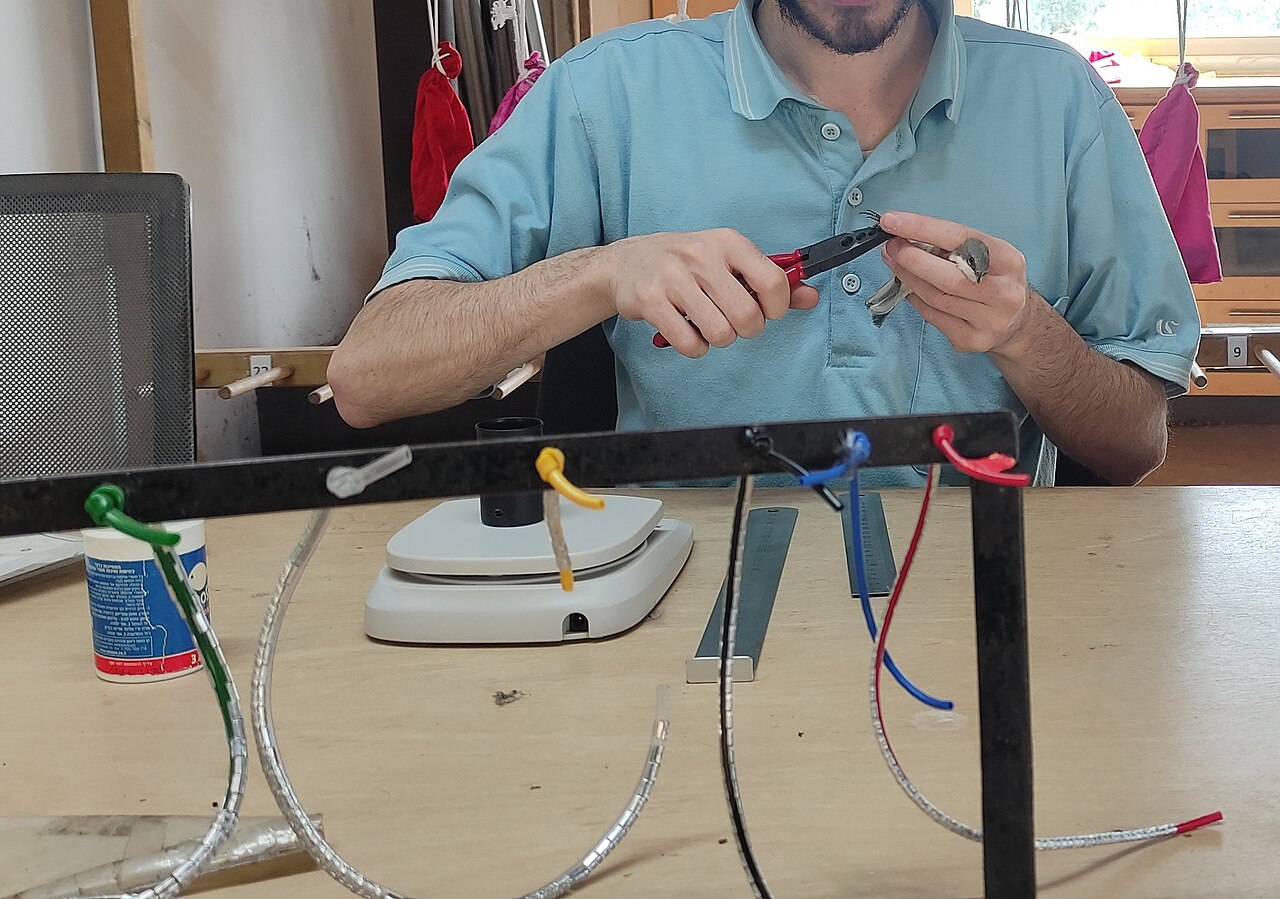
The observatory suits patient wildlife photography, particularly from hides and other concealed viewing positions. A telephoto lens helps fill the frame without approaching birds. Early morning light can give feathers and foliage more detail, while the city in the background creates a distinctive urban ecology composition. Ask before photographing ringing work or handled birds, and follow staff direction around research areas. In a confined hide, keep equipment compact and give other observers room to watch.
Checked 2026-08-26 · Source
Children can watch wild birds from observation points and hides, learn about migration and see how birds are monitored. The visit works best for children who can remain quiet and patient.
Yes. Observation hides and public viewing areas allow wildlife watching while ringing stations and other research activity remain separate from ordinary visitor observation.
Spring and autumn are especially interesting because migratory birds pass through Jerusalem. Summer and winter bring different resident and overwintering species.
A quick visit can take about thirty minutes, while dedicated birdwatchers often spend two to three hours waiting quietly and observing activity around the site.
It brings migration research and environmental education into the city. Its location on a route between Africa, Europe and Asia makes Jerusalem’s urban landscape part of a wider ecological story.
A telephoto lens is useful for distant birds, and compact equipment suits the observation hides. Early morning is valuable for light, while quiet behavior matters more than elaborate equipment.
Loading the interactive map…
The interactive map could not be loaded.
Last updated:
Source: OpenStreetMap contributors, Wikidata ·