
6 min walk
Israel Museum
- Must see
- Museum
Language · 11 published
Nature site · Jerusalem
הגן הבוטני
Reviewed by Elena Voss · Roavina Travel Editor
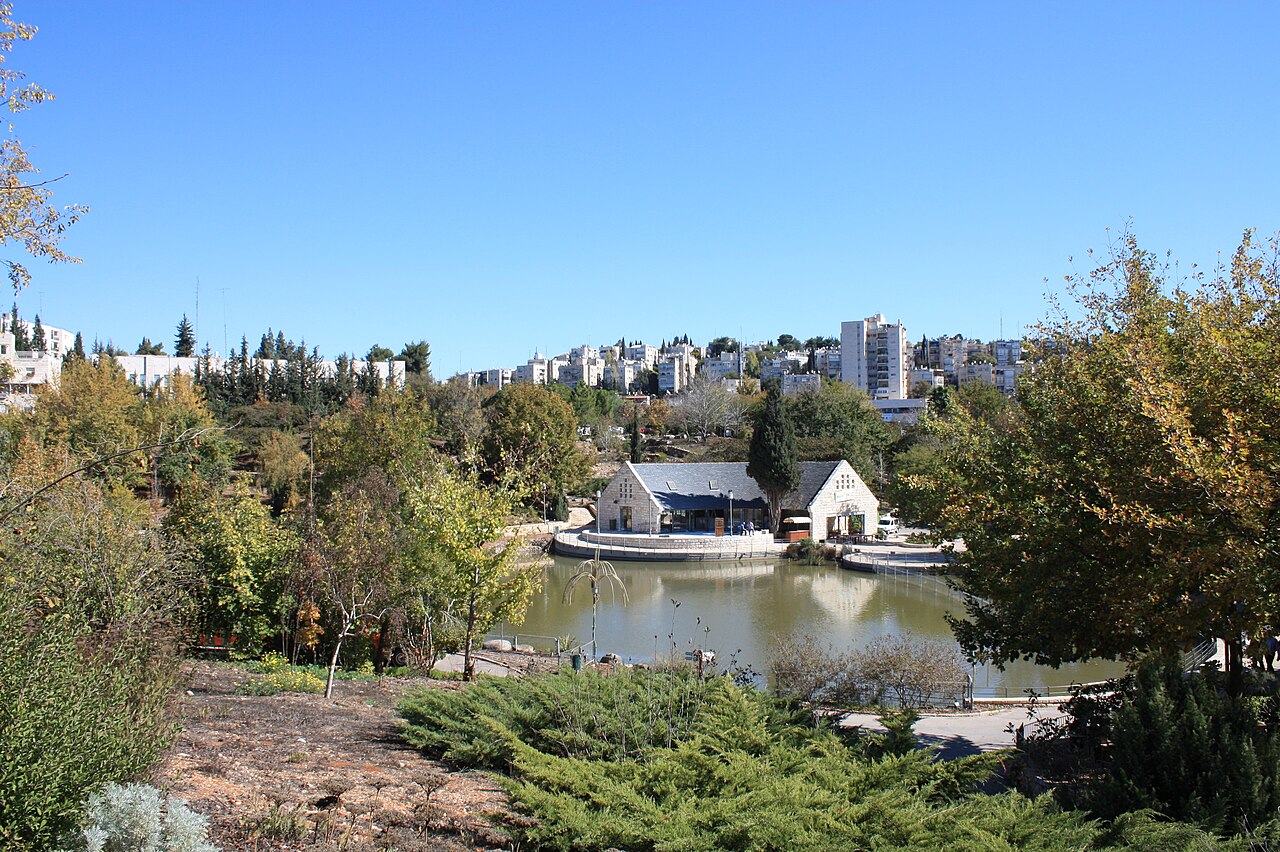
This place is a Park. It was established in 1954.
Jerusalem Botanical Gardens is a living plant collection and public green space in Jerusalem. It combines botanical conservation, research, education, and visitor enjoyment. The setting offers a change of pace from the city’s built heritage, giving travelers room to walk among cultivated landscapes and observe plants arranged for learning as well as visual interest. It suits visitors who enjoy nature, quiet exploration, and horticultural detail. The Jerusalem Botanical Gardens constitute a botanical garden complex in Jerusalem. The site serves as a scientific and educational institution dedicated to plant conservation, research, and public engagement with botanical collections. Situated within the city, it represents one of the notable green spaces available to residents and visitors seeking natural environments. The gardens hold significance as a visitor landmark within Jerusalem's broader attractions landscape, recognized in breadth-first top 100 rankings for meaningful visitor interest despite absence from exact-match city POI pools. Visitors must verify current schedules directly with the garden. Contact the garden or official sources for current admission information.
Checked 2026-08-26 · Source
The experience is centered on living plant collections displayed across landscaped outdoor areas. Visitors can spend time comparing vegetation, following paths through planted spaces, and reading interpretive information where it is provided. The garden’s scientific purpose gives the visit more depth than a simple park walk: plants are presented as collections connected with conservation and education. Plan to move at a relaxed pace and leave time for observation. The gardens contain diverse plant collections organized across cultivated landscapes. As a botanical institution, it maintains living specimens for scientific, conservation, and educational purposes. Visitors encounter arranged vegetation displays reflecting botanical classification and geographic origin principles typical of established gardens.
Checked 2026-08-26 · Source
Allow roughly one to two hours for a straightforward visit through the cultivated grounds. Plant enthusiasts, photographers, and travelers who enjoy reading labels can stay longer, while a quicker walk works for visitors fitting the gardens between other Jerusalem sights. The open setting rewards unhurried movement, so avoid packing the stop too tightly if you want time to pause, compare plants, and enjoy the atmosphere. Visitor duration at botanical gardens typically varies by individual interest and garden scale. Casual visitors may complete a circuit in approximately one to two hours, while enthusiasts examining plant labels, participating in guided elements, or engaging photography may extend stays significantly.
Checked 2026-08-26 · Source
Spring and autumn are comfortable seasons for walking through Jerusalem’s outdoor landscapes. Spring can bring especially rewarding flowering displays, while autumn offers milder conditions after the heat of summer. Summer afternoons may feel demanding under strong sun, and winter visits can be affected by rain. Choose a time that matches your interest in plants and your tolerance for outdoor weather, with morning or later afternoon often more pleasant than midday.
Checked 2026-08-26 · Source
The available guide information does not establish an admission price or ticket arrangement for Jerusalem Botanical Gardens. Treat the gardens as a planned visitor attraction rather than presuming a particular entry condition. The practical value of the visit lies in spending time with the living collections, so allow enough time for a calm walk if admission arrangements suit your itinerary. Keep the gardens as a separate stop from Jerusalem’s free public viewpoints.
Checked 2026-08-26 · Source
The gardens are within Jerusalem’s urban area and form part of a city sightseeing plan rather than a remote excursion. Jerusalem’s bus network, taxis, and private vehicles provide the broad transport context for reaching city destinations. Use the garden’s mapped location when planning the final approach, and allow time for the transition from central streets into a greener setting. The gardens work well when paired with other southern or central Jerusalem stops.
Checked 2026-08-26 · Source
This is an outdoor visit, so Jerusalem’s sun, dry summer heat, and occasional wet conditions shape comfort. Bring water, sun protection, and shoes suitable for walking on garden paths. Stay on designated routes and avoid touching or eating plants, especially where collections are cultivated for conservation and study. Natural debris, damp surfaces, thorns, or irritant vegetation can make careless contact unpleasant, so keep attention on the path and displays.
Checked 2026-08-26 · Source
The gardens provide subjects for close plant studies, wider landscape images, and seasonal color. Early morning and late afternoon light can bring texture to leaves and soften strong contrasts, while overcast weather can help with detailed botanical photographs. Keep equipment from obstructing paths and treat the collections as living exhibits. For commercial-scale photography, the venue’s own conditions matter; ordinary visitors should focus on respectful personal photography.
Checked 2026-08-26 · Source
It is a public botanical garden and green space combining living plant collections with conservation, research, education, and visitor enjoyment.
Allow about one to two hours for a general visit, with extra time if you enjoy plant labels, photography, or detailed observation.
Spring and autumn generally provide comfortable conditions for exploring Jerusalem’s outdoor garden landscapes.
You can explore cultivated landscapes and living plant collections arranged for botanical study, conservation, education, and public enjoyment.
Yes. Its planted outdoor setting offers a slower alternative to Jerusalem’s busy urban and historic attractions.
Water, sun protection, and comfortable walking shoes are useful for spending time outdoors among the collections and paths.
Loading the interactive map…
The interactive map could not be loaded.

Last updated:
Source: OpenStreetMap contributors, Wikidata ·