
4 min walk
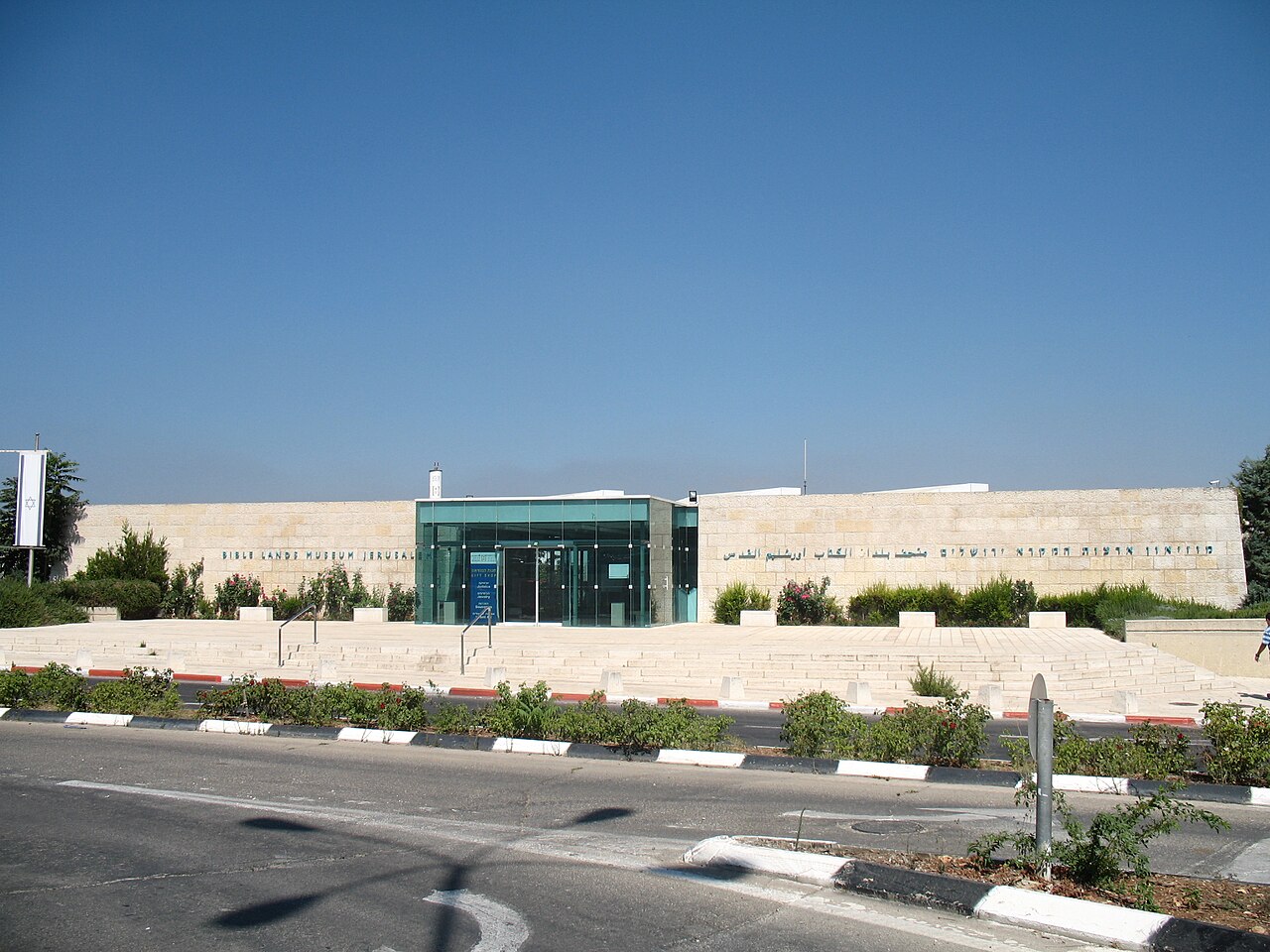
Bible Lands Museum
- Must see
- Museum
Language · 11 published
Museum · Jerusalem
מוזיאון ישראל
Reviewed by Elena Voss · Roavina Travel Editor
| Monday | 10:00 – 17:00 |
|---|---|
| Tuesday | 10:00 – 17:00 |
| Wednesday | 16:00 – 21:00 |
| Thursday | 10:00 – 17:00 |
| Friday | 10:00 – 17:00 |
| Saturday | 10:00 – 14:00 |
| Sunday | 10:00 – 17:00 |
Checked 2026-08-31 · Source
Read from the OpenStreetMap access tags; anything not listed has no tag recorded.
Set the group type to family in the planner and the day window contracts to about three quarters of a solo day.
This place is a Museum. It opened in 1965. It was designed by Alfred Mansfeld.
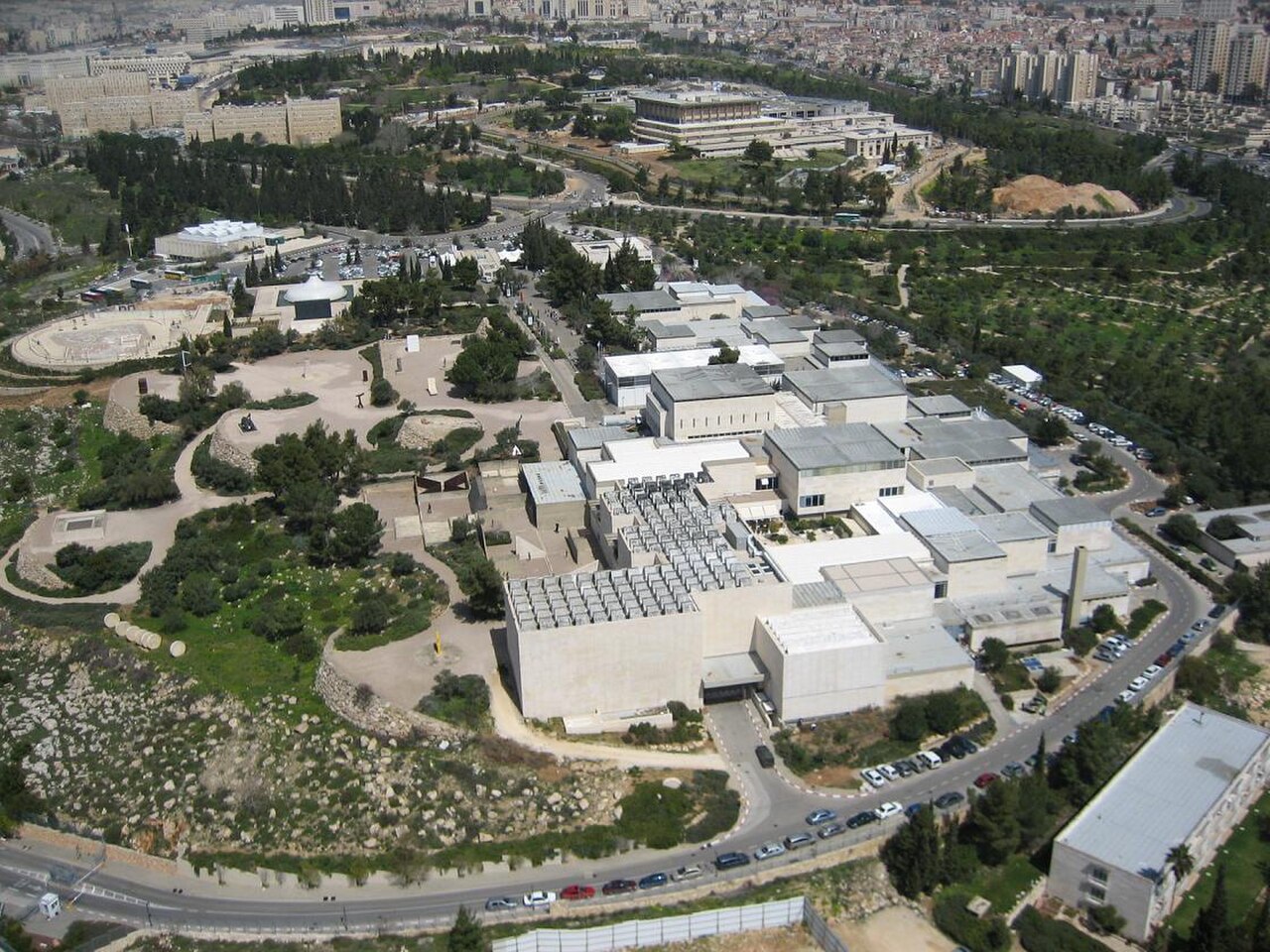
The Israel Museum is Jerusalem’s encyclopaedic museum, opened in 1965 on a large campus in Givat Ram. Its collections connect archaeology, Jewish cultural history, European and international art, Israeli art, design and photography. The museum is especially important for visitors who want to understand the region through objects as well as monuments. Set aside enough time to choose priorities, because the campus offers far more than one exhibition. The Israel Museum is Jerusalem's preeminent cultural institution and one of the world's leading encyclopaedic museums. Established in 1965, it houses extensive collections spanning archaeology, fine art, Jewish ethnography, and material culture. The museum complex occupies a significant campus in the Givat Ram neighbourhood, adjacent to the Knesset and the Hebrew University. Its most iconic architectural feature is the Shrine of the Book, designed to house the Dead Sea Scrolls. The museum serves as a repository of national heritage and international artistic achievement, reflecting Jerusalem's layered historical significance. The Shrine of the Book houses Dead Sea Scrolls and related materials as a core permanent installation, though specific rotational conservation practices may apply to individual fragments.
Checked 2026-08-26 · Source
Major highlights include the Shrine of the Book, home to the Dead Sea Scrolls, and the Second Temple period Jerusalem Model. The archaeology galleries follow cultures from prehistory through later periods, while Judaica displays ritual objects and material culture from Jewish communities around the world. Fine-art galleries cover European painting, contemporary Israeli and international art, photography and design. The outdoor sculpture garden places modern works among landscaped paths and open space. The museum's holdings include the Shrine of the Book with its distinctive white dome, the Second Temple period Jerusalem Model, and comprehensive collections of classical antiquities. The Judaica and Jewish ethnography wing presents ritual objects and material culture from diaspora communities. Fine arts encompass European painting, contemporary Israeli and international art, photography, and design.
Checked 2026-08-26 · Source
A focused visit needs several hours if you include the Shrine of the Book, Jerusalem Model and one major collection. A broader tour of archaeology, Judaica, fine art, temporary exhibitions and the sculpture garden can occupy much of a day. The campus spreads across multiple buildings and outdoor areas, so walking between highlights takes time. Select a short list before entering; trying to cover everything can reduce attention in the galleries.
Checked 2026-08-26 · Source
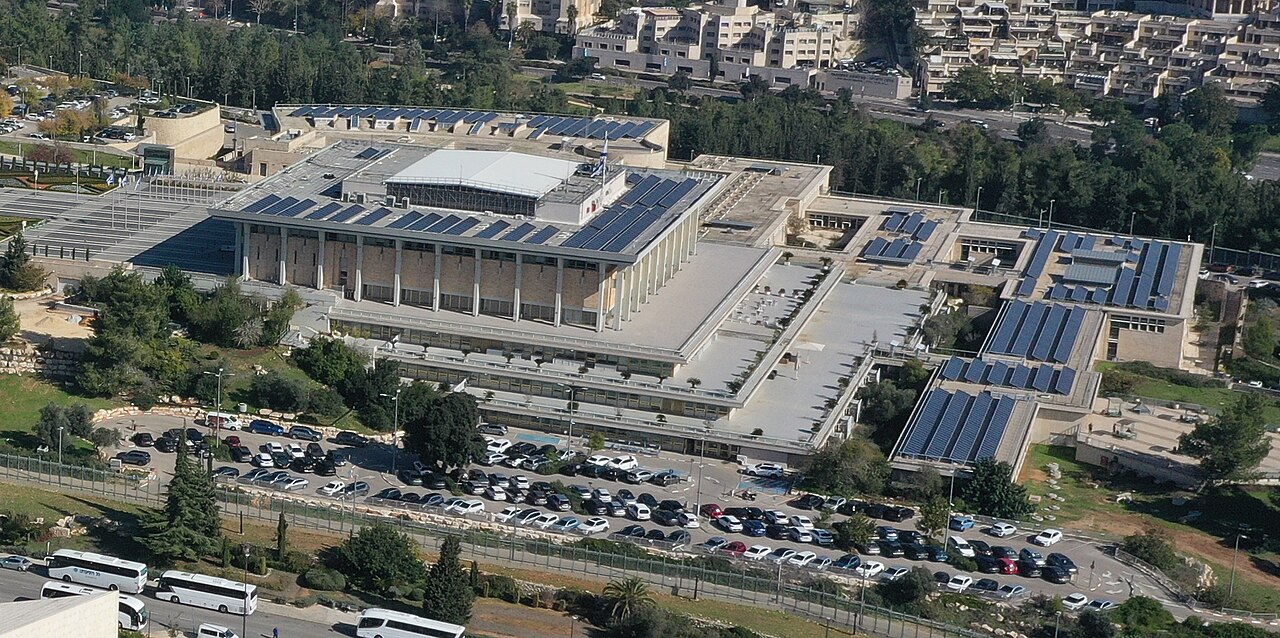
Morning is useful for beginning with the Shrine of the Book or another major highlight before energy and visitor numbers build. Jerusalem’s summer heat can make the sculpture garden and movement between buildings tiring, while spring and autumn are comfortable for outdoor sections. Winter weather may encourage a gallery-focused route. The museum sits near the Knesset and Supreme Court, so a Givat Ram cultural and civic day can work well.
Checked 2026-08-26 · Source
The museum uses admission categories such as adults, students, seniors and children, with special exhibitions or programmes potentially following separate arrangements. Because the campus contains both permanent collections and changing displays, decide whether your priority is the general museum, a temporary exhibition or both. Group visits and membership may have different arrangements. Allow time for entry procedures and for the galleries themselves rather than treating admission as a brief stop.
Checked 2026-08-26 · Source
The Israel Museum is in the Givat Ram area of western Jerusalem, near the Knesset and Hebrew University. Municipal buses connect the campus with central Jerusalem and the Central Bus Station; taxis and private cars can approach directly, with campus parking available. The large site involves walking between buildings and gardens. Remember that public transport in Jerusalem is limited from Friday afternoon through Saturday, which affects weekend planning.
Checked 2026-08-26 · Source
Security checks and bag inspection are part of arrival at this major Israeli cultural institution. The campus is broad, and the distance between archaeology galleries, art displays, the Shrine of the Book and sculpture garden can be greater than expected. Indoor galleries may be dim for conservation, while outdoor areas are exposed to sun and heat. Wear layers and comfortable shoes, and keep your route flexible if temporary exhibitions change your priorities.
Checked 2026-08-26 · Source
Photography rules differ between galleries and special displays. The Shrine of the Book and Dead Sea Scrolls presentation may have stricter limitations because of the sensitivity of the objects and their setting. Where personal photography is permitted, avoid flash and follow gallery signs. The sculpture garden offers broad outdoor compositions and more room to work without disturbing other visitors. Tripods, commercial equipment and published reproduction are separate concerns from ordinary personal photographs.
Checked 2026-08-26 · Source
The Shrine of the Book is the Israel Museum building dedicated to the Dead Sea Scrolls and related materials. Its distinctive white dome is one of the museum campus’s best-known landmarks.
Both institutions are in western Jerusalem, so they can be combined geographically. Each deserves several hours, however, and the subjects require different kinds of attention and energy.
The Second Temple period Jerusalem Model presents Jerusalem as it is understood during the Second Temple period. It is one of the museum’s principal historical highlights alongside the Shrine of the Book.
Allow several hours for a focused visit. A route covering archaeology, Judaica, fine art, temporary exhibitions, the Shrine of the Book and the sculpture garden can fill much of a day.
The outdoor sculpture garden displays modern works among landscaped paths. The Jerusalem Model and Shrine of the Book also give the campus important exterior landmarks beyond the enclosed galleries.
The museum occupies a large campus in Givat Ram, western Jerusalem, close to the Knesset and Hebrew University. Buses, taxis and private vehicles can reach the area.
Loading the interactive map…
The interactive map could not be loaded.
Last updated:
Source: OpenStreetMap contributors, Wikidata ·