
2 min walk
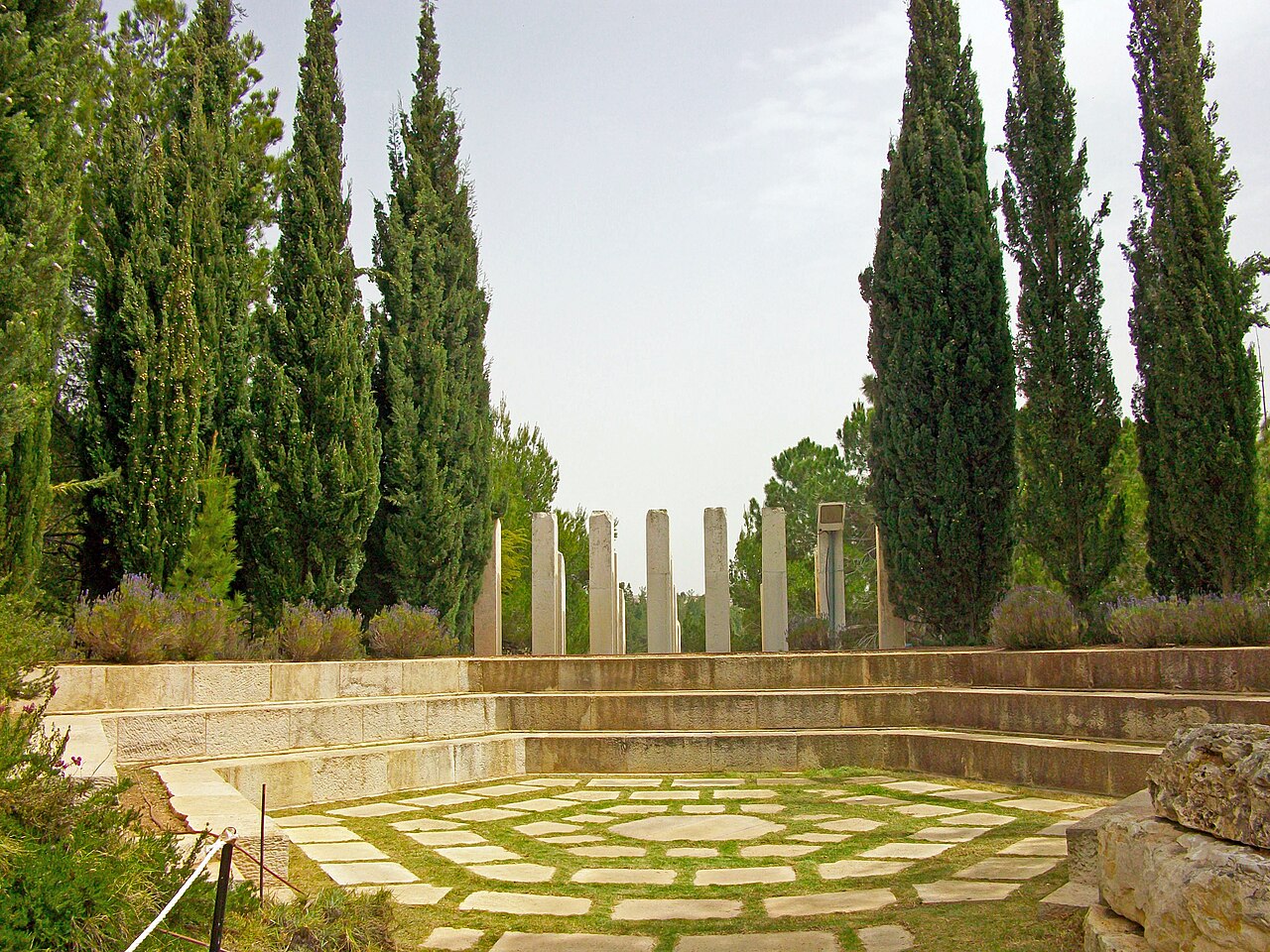
Children's Memorial, Yad Vashem
- High
- Historic monument
Language · 11 published
Museum · Jerusalem
יד ושם
Closed today, Saturday. Next open Sunday at 08:30 — the planner will not place a stop here on a Saturday.
Plan around itReviewed by Elena Voss · Roavina Travel Editor
| Monday | 08:30 – 16:00 |
|---|---|
| Tuesday | 08:30 – 16:00 |
| Wednesday | 08:30 – 16:00 |
| Thursday | 08:30 – 13:00 |
| Friday | Closed |
| Saturday | Closed |
| Sunday | 08:30 – 16:00 |
Checked 2026-08-31 · Source
Read from the OpenStreetMap access tags; anything not listed has no tag recorded.
Set the group type to family in the planner and the day window contracts to about three quarters of a solo day.
This place is a Museum. It opened in 1953. It was designed by Moshe Safdie.
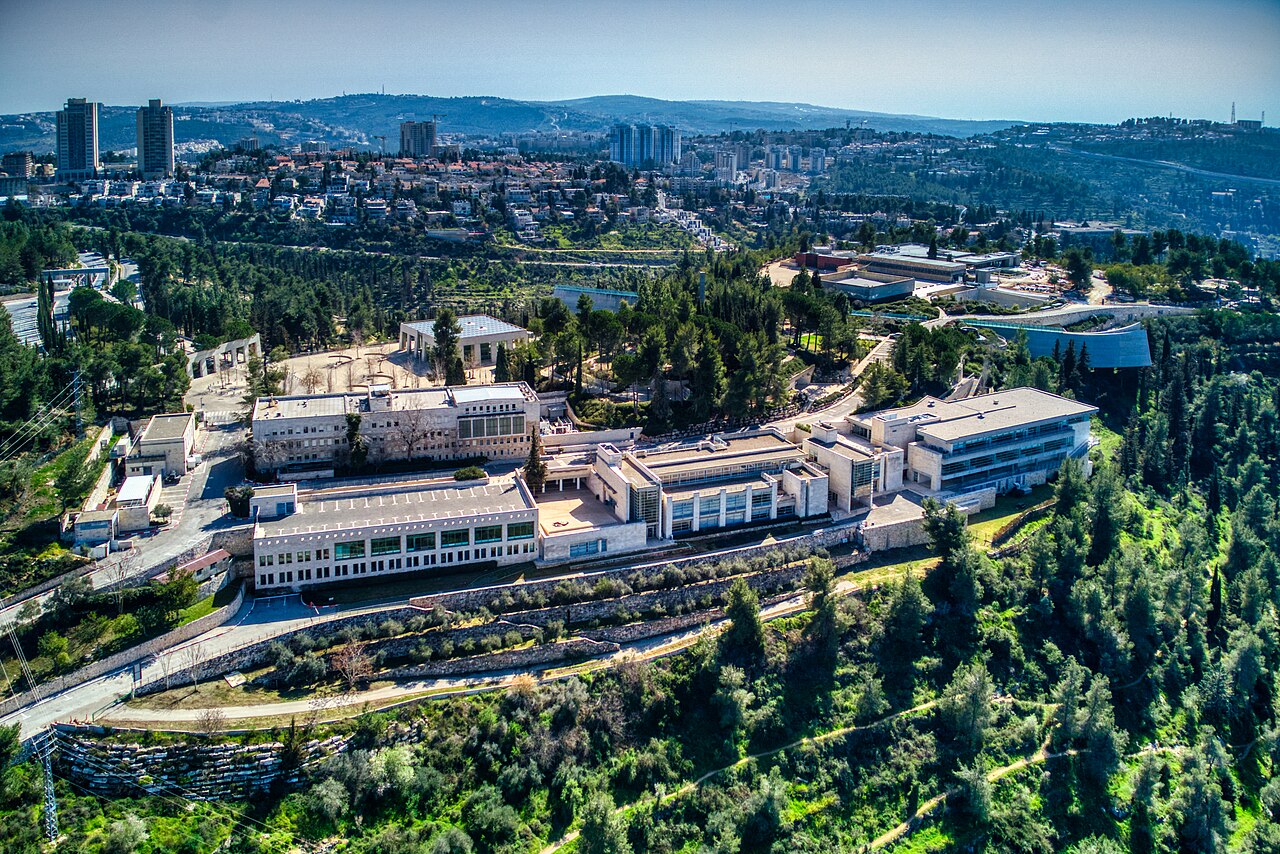
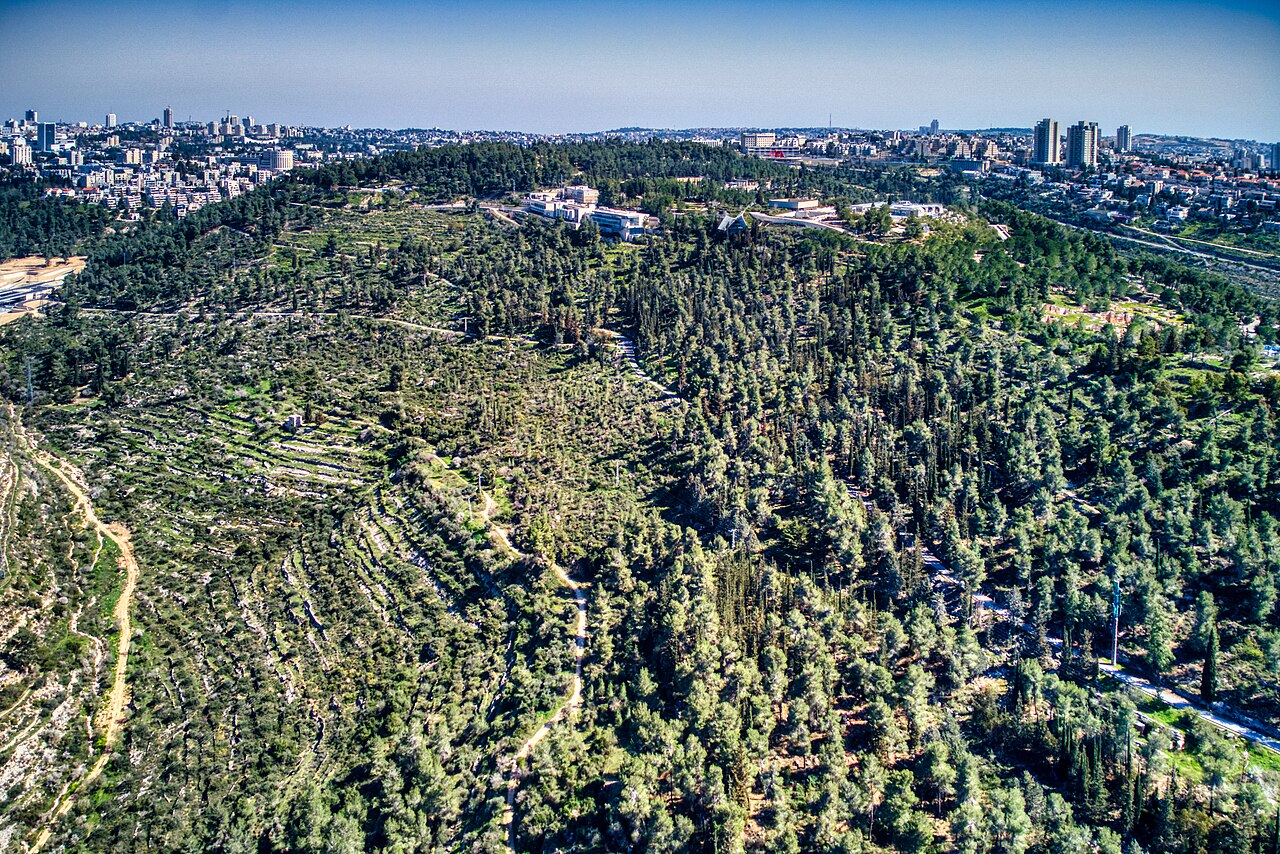
Yad Vashem is Israel’s national Holocaust memorial and a major place of remembrance on the western slope of Mount Herzl in Jerusalem. Established by the Knesset in 1953, the institution combines commemoration, historical interpretation, documentation, research and education. Plan this visit as a serious cultural experience rather than a quick sightseeing stop. The memorial’s scale, subject and architecture reward a calm pace and attentive reading. Yad Vashem is Israel's official memorial to the victims of the Holocaust. Located on the western slope of Mount Herzl in Jerusalem, it serves as a centre for documentation, research, education and commemoration. Established in 1953 by the Knesset, the institution occupies a significant position in Jerusalem's cultural landscape. The complex encompasses museums, memorials, archives and educational facilities dedicated to preserving the memory of the six million Jews murdered during the Holocaust. The content is emotionally intense and graphically confronting. Parental discretion is essential. Dedicated children's memorials exist, but the overall atmosphere remains sombre and may overwhelm younger visitors.
Checked 2026-08-26 · Source
The complex brings together the Holocaust History Museum, Hall of Names, Children’s Memorial, Museum of Holocaust Art, archives, research facilities and outdoor commemorative spaces. The main museum presents a chronological account through underground galleries, while the Hall of Names preserves pages of testimony dedicated to individual victims. The Avenue of the Righteous Among the Nations honours non-Jews who helped save Jewish lives. Leave time for both the indoor narrative and quieter outdoor memorial areas. The site contains multiple components including the Holocaust History Museum, the Children's Memorial, the Hall of Names, the Museum of Holocaust Art and various outdoor memorials. The Holocaust History Museum follows a chronological narrative through underground galleries. The Hall of Names houses pages of testimony commemorating individual victims. Outdoor spaces include the Avenue of the Righteous Among the Nations, honouring non-Jews who saved Jewish lives during the Holocaust.
Checked 2026-08-26 · Source
Allow several hours for a meaningful first visit. The Holocaust History Museum alone contains a substantial chronological presentation, and the Hall of Names, Children’s Memorial, art museum and outdoor spaces add different emotional and historical perspectives. You do not need to see every element in one sitting. Build in pauses, especially after the main exhibition, and keep the rest of the day flexible rather than scheduling another demanding attraction immediately afterward.
Checked 2026-08-26 · Source
A morning visit can provide a quieter beginning for reflection and leaves more time for the museum’s extensive galleries. Jerusalem’s hot summers make movement through outdoor areas demanding, while cooler winter weather can affect time spent outside. Spring and autumn are comfortable seasons for combining the memorial’s indoor exhibitions with its hillside grounds. Religious and national holidays may bring different visitor patterns, so place Yad Vashem carefully within your day.
Checked 2026-08-26 · Source
The core exhibitions have historically offered free entry, making Yad Vashem an important Jerusalem experience without a standard museum admission cost. Special programmes, educational activities or guided services can follow different arrangements. Treat the memorial primarily as a place of remembrance and learning, and allow enough time for the exhibitions rather than planning around a short paid attraction. Third-party tours may charge separately for their own guiding or transport.
Checked 2026-08-26 · Source
Yad Vashem stands on Mount Herzl in western Jerusalem. Public buses connect the area with central parts of the city, while taxis and private cars provide direct approaches; parking is available at the complex. Expect walking between several buildings and memorial spaces on a hillside site. The underground museum and broad grounds make sturdy shoes useful. If walking is difficult, plan the route around the specific entrance and areas you intend to visit.
Checked 2026-08-26 · Source
The exhibitions contain emotionally intense accounts and images of genocide. Younger children may find the subject overwhelming, even though the Children’s Memorial is designed for younger audiences. Dress and behaviour should reflect the memorial setting. Security screening takes place at entrances, and large bags may be restricted. The complex involves considerable walking, underground passages and time spent standing. Silence and respectful phone use help preserve the atmosphere for other visitors.
Checked 2026-08-26 · Source
Treat photography as secondary to remembrance. Exhibition rooms may restrict photography, and flash is unsuitable in a memorial environment and around preserved materials. Follow signs and staff directions in each gallery rather than applying one rule to the whole complex. Outdoor architecture and memorial avenues offer opportunities for quiet, non-intrusive images, but avoid photographing people engaged in mourning or reflection. Video and conspicuous equipment can be especially disruptive in the galleries.
Checked 2026-08-26 · Source
The Children’s Memorial is a dedicated part of the complex, but the wider visit remains sombre and emotionally intense. Families should consider children’s age and sensitivity before entering the main Holocaust History Museum.
The Hall of Names preserves pages of testimony commemorating individual Jews murdered during the Holocaust. It gives the wider historical tragedy a personal focus within the memorial complex.
Plan several hours for the main museum and selected memorial spaces. The Holocaust History Museum requires substantial time, while additional memorials and outdoor areas can extend the visit.
The core exhibitions have historically offered free entry. Yad Vashem also contains educational and special programmes that may follow separate arrangements.
Choose respectful clothing and comfortable shoes. The memorial combines indoor galleries, underground passages, outdoor avenues and hillside walking, so practical clothing supports a longer visit.
Yad Vashem is on the western slope of Mount Herzl in Jerusalem. Buses, taxis and private vehicles can reach the area, followed by walking through the memorial complex.
Loading the interactive map…
The interactive map could not be loaded.
Last updated:
Source: OpenStreetMap contributors, Wikidata ·