
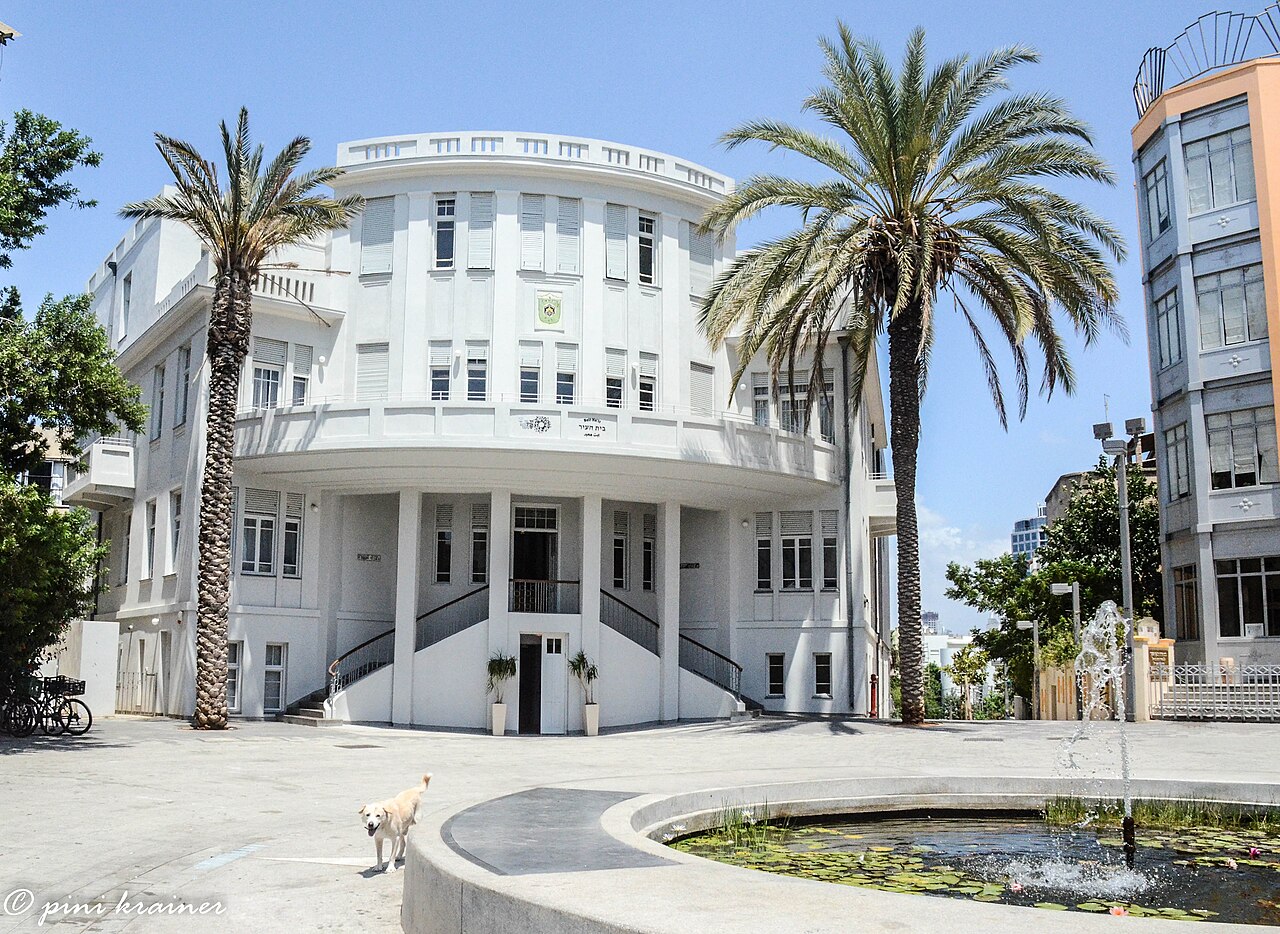
1 min walk
Beit Ha'Ir
- Must see · Heritage site
- Museum
Language · 11 published
Museum · Tel Aviv
בית ביאליק
Closed today, Sunday. Next open Monday at 10:00 — the planner will not place a stop here on a Sunday.
Plan around itReviewed by Elena Voss · Roavina Travel Editor
| Monday | 10:00 – 18:00 |
|---|---|
| Tuesday | 10:00 – 18:00 |
| Wednesday | 10:00 – 18:00 |
| Thursday | 10:00 – 19:00 |
| Friday | 10:00 – 14:00 |
| Saturday | 10:00 – 14:00 |
| Sunday | Closed |
Checked 2026-08-31 · Source
Read from the OpenStreetMap access tags; anything not listed has no tag recorded.
Set the group type to family in the planner and the day window contracts to about three quarters of a solo day.
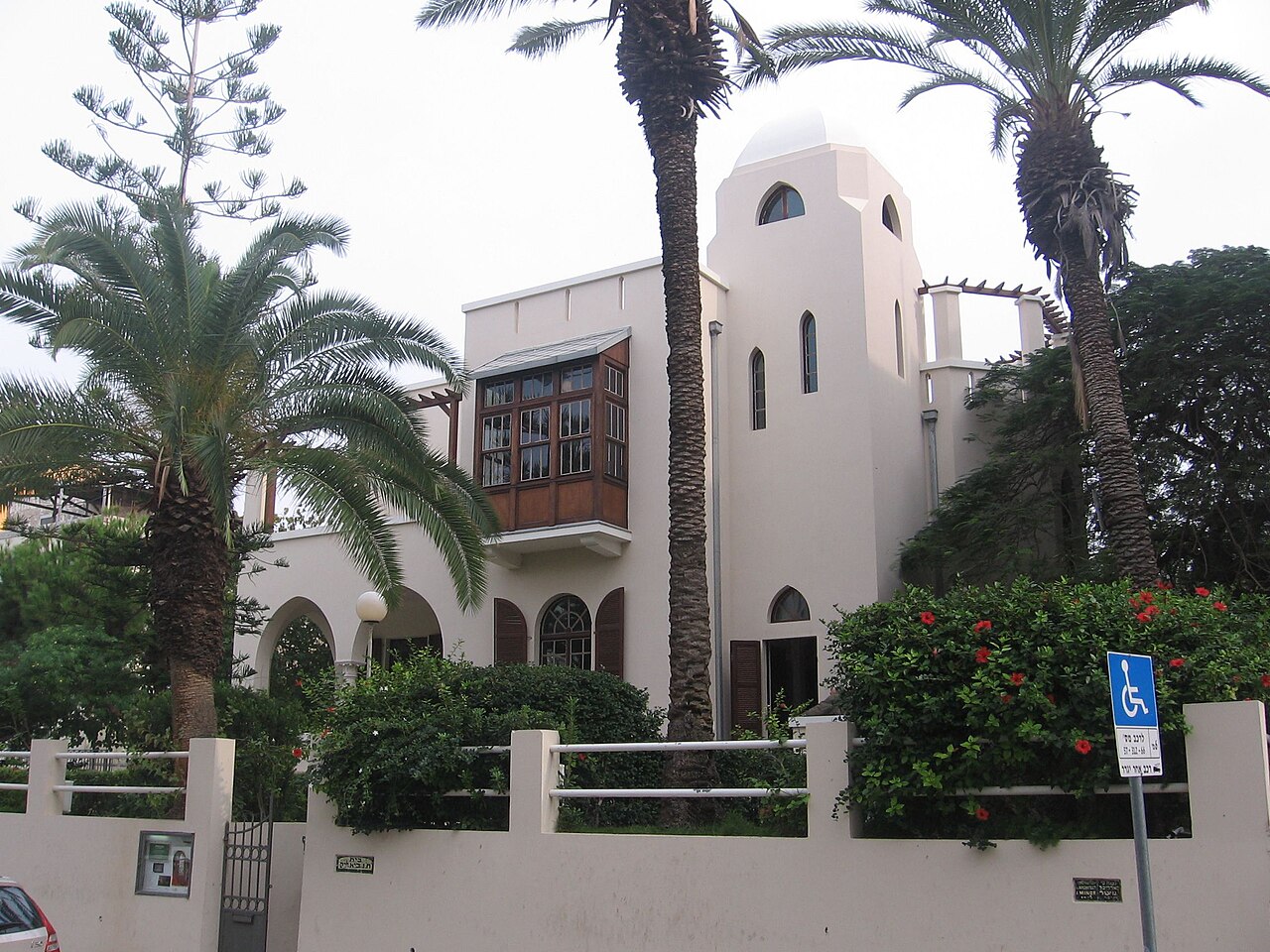
This place is a Museum. It was established in 1980. It was designed by Joseph Minor. It carries the heritage site in Israel heritage designation.
Bialik House is the former Tel Aviv residence of Chaim Nachman Bialik, Israel’s national poet. The house now functions as a museum dedicated to his life, writing and cultural world. Built in the 1920s, it reflects the Eclectic architecture associated with early Tel Aviv and stands on Bialik Street, a heritage-rich part of the city. The visit brings together literary history, preserved domestic interiors and the story of Hebrew cultural life, making the house especially meaningful for travelers interested in writers, architecture and the city’s formative decades. Bialik House is the former residence of Chaim Nachman Bialik, Israel's national poet, located in Tel Aviv. The building operates as a museum dedicated to his life and literary legacy. The museum focuses on literary history and preserved interiors, which may engage older children with relevant interests. Younger children might find limited interactive elements.
Checked 2026-08-26 · Source
The museum preserves Bialik’s living quarters, including his study, library and personal belongings. Manuscripts, letters and first editions of his poetry connect the rooms with his literary work, while period furniture and decorative details convey the character of a 1920s and 1930s home. Look closely at tiled floors, carved wood and ornamental plasterwork, which make the building itself part of the collection. The surrounding garden adds a quieter outdoor element, and Bialik Street extends the experience into a broader walk through early Tel Aviv heritage.
Checked 2026-08-26 · Source
Allow forty-five to ninety minutes inside the house. About an hour is enough for a steady visit through the principal rooms, while readers and literary-history enthusiasts may want longer for manuscripts, letters and explanatory displays. The compact scale makes Bialik House easy to combine with a walk along Bialik Street and other central Tel Aviv heritage sites. Leave extra time outside if you enjoy architecture, because neighboring buildings and the street’s historic character reward a slower circuit after the interior visit.
Checked 2026-08-26 · Source
Bialik House is a useful indoor stop during Tel Aviv’s hot, humid summers and a pleasant cultural activity during cooler or wet winter days. Spring and autumn are particularly comfortable for extending the visit into a heritage walk around Bialik Street and central Tel Aviv. Weekday mornings generally offer a calmer atmosphere than busy weekend periods. Plan enough daylight for the surrounding architecture if that matters to you, since the house and street work best together as a compact literary and urban-history experience.
Checked 2026-08-26 · Source
Place Bialik House in a cultural walking itinerary that includes the house, its preserved interiors and the surrounding heritage buildings. The compact visit makes it a practical choice when you want a focused literary stop without committing most of the day to one attraction. Travelers interested in Chaim Nachman Bialik should allow time to read the displays rather than treating the building as a quick photograph. Its strongest value comes from the combination of personal rooms, manuscripts, architectural detail and the early Tel Aviv setting.
Checked 2026-08-26 · Source
Bialik House stands on Bialik Street in central Tel Aviv, within walking distance of Dizengoff Street, the Mediterranean coastline and many central hotels. Public buses serve nearby streets, and city bicycle-sharing infrastructure provides another practical option for reaching the area. Parking immediately around the house is limited, so a car is less convenient than walking or public transport. Use the street itself as part of the route: approaching on foot lets you notice the surrounding early Tel Aviv buildings before entering the museum.
Checked 2026-08-26 · Source
Bialik House is a preserved historic residence, so treat the interiors, furniture, manuscripts and decorative surfaces with care. Narrow doorways and staircases can make movement harder for some visitors, particularly in a building designed as a private home rather than a modern museum. The street outside remains part of central Tel Aviv’s active urban environment, with traffic near the heritage buildings. Keep voices low, respect neighboring properties and follow the house’s visitor rules around displayed objects, bags, food and drink.
Checked 2026-08-26 · Source
The house offers photographs of Eclectic architecture, tiled floors, carved wood, decorative plasterwork, period rooms, the study and the garden. Exterior images work well from Bialik Street, where the façade can be understood alongside the neighboring heritage buildings. Inside, protect the atmosphere of the residence by keeping equipment compact and respecting any signs around manuscripts or displays. Avoid flash, tripods and commercial setups where the house’s rules restrict them. A thoughtful photographic route can connect Bialik’s literary world with the wider architectural character of early Tel Aviv.
Checked 2026-08-26 · Source
Bialik House was the residence of Chaim Nachman Bialik, Israel’s national poet, and the museum presents his literary and cultural legacy.
You can see preserved living quarters, Bialik’s study and library, personal effects, manuscripts, letters, first editions and period architectural details.
Allow about forty-five to ninety minutes inside, with extra time for the heritage buildings and streets around Bialik Street.
It stands on Bialik Street in central Tel Aviv, within walking distance of Dizengoff Street, the coast and many central hotels.
The house is an example of the Eclectic architectural style associated with early Tel Aviv and includes tiled, carved and decorative interior details.
Photograph the façade, period rooms, tiled floors, carved wood, decorative plasterwork, the garden and the heritage buildings along Bialik Street.
Loading the interactive map…
The interactive map could not be loaded.
Last updated:
Source: OpenStreetMap contributors, Wikidata ·