
2 min walk
Bialik House
- Must see · Heritage site
- Museum
Language · 11 published
Museum · Tel Aviv
בית ראובן רובין
Closed today, Sunday. Next open Monday at 10:00 — the planner will not place a stop here on a Sunday.
Plan around itReviewed by Elena Voss · Roavina Travel Editor
| Monday | 10:00 – 15:00 |
|---|---|
| Tuesday | 10:00 – 20:00 |
| Wednesday | 10:00 – 15:00 |
| Thursday | 10:00 – 15:00 |
| Friday | 10:00 – 15:00 |
| Saturday | 11:00 – 14:00 |
| Sunday | Closed |
Also recorded: 10:00 – 15:00
Parsed from OpenStreetMap opening hours on 2026-09-09.
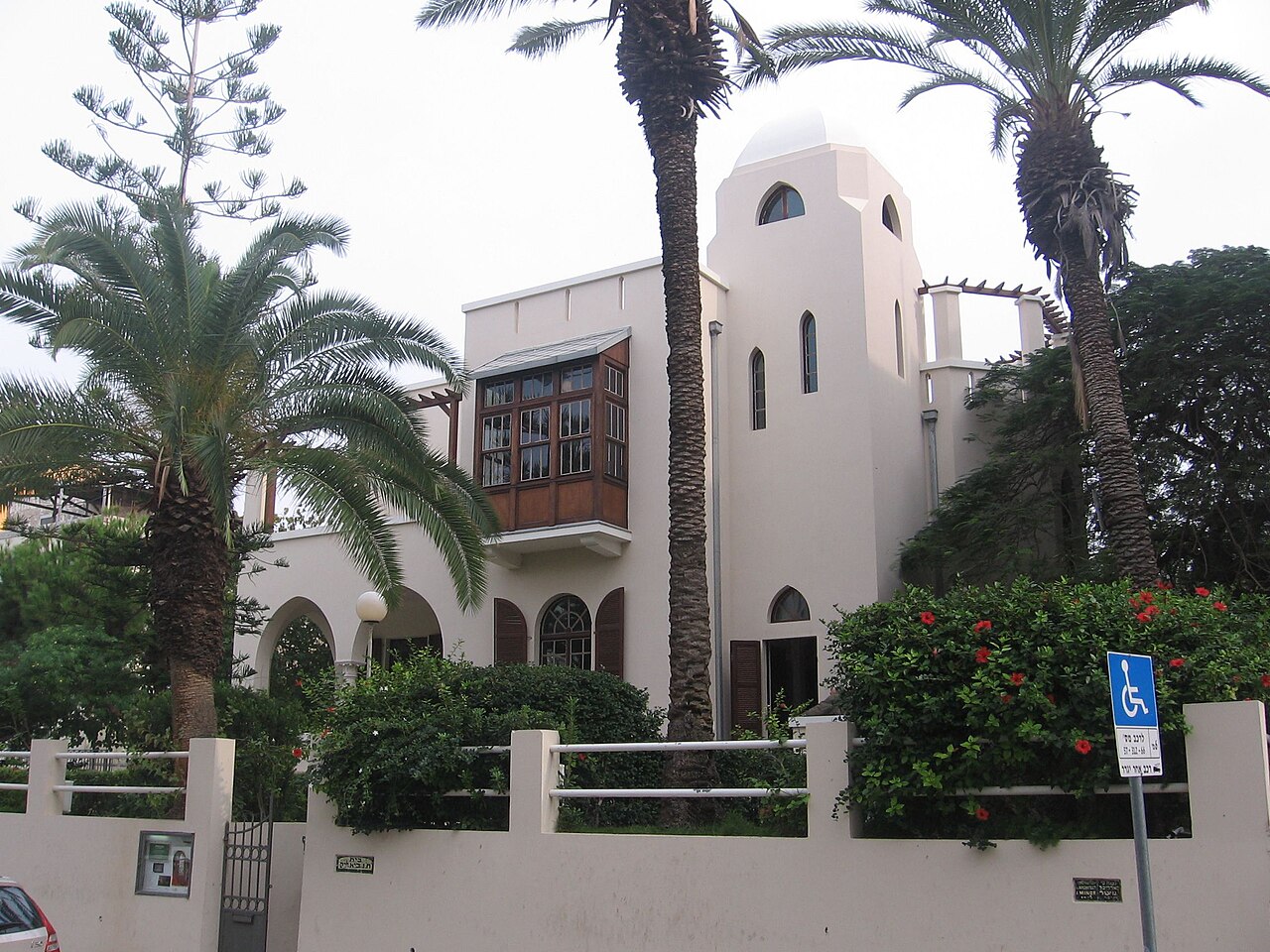
This place is a Museum. It was established in 1983. It was designed by Pinchas Bieżoński. It carries the heritage site in Israel heritage designation.
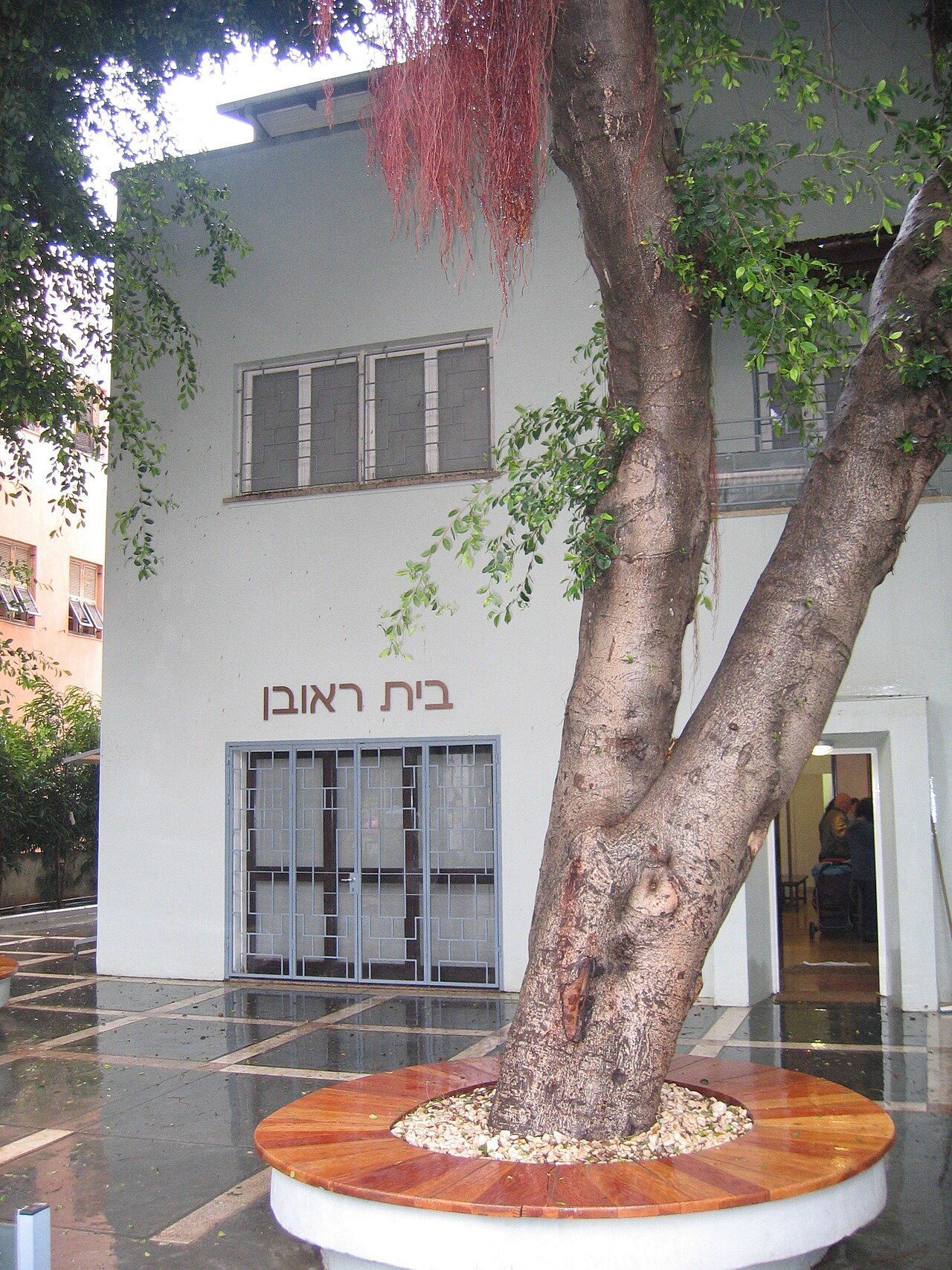
The Rubin Museum, also known as Beit Reuven, occupies Reuven Rubin’s former residence and studio in Tel Aviv-Yafo. The museum preserves the life and work of one of the important figures in Israeli art history while retaining the domestic setting in which an artist lived and worked. The visit therefore combines a collection of paintings with the experience of an artist’s house. Rubin’s legacy connects early Tel Aviv with the development of Israeli visual identity. Travelers interested in art, biography and the city’s cultural history will find a more personal experience here than in a large purpose-built gallery.
Checked 2026-08-26 · Source
The museum presents Reuven Rubin’s paintings across different stages of his career. Landscapes, portraits and biblical scenes show the subjects and visual character associated with Rubin’s work. The preserved studio adds physical context: original furnishings and working materials connect the paintings with the practical environment of an artist’s life. Personal objects, correspondence and documentary material deepen the biography, while the domestic rooms retain the character of a home rather than a neutral gallery. Look closely at how living space and working space meet. The combination explains both Rubin’s artistic output and the cultural atmosphere of early Tel Aviv.
Checked 2026-08-26 · Source
Plan about forty-five minutes to ninety minutes at the Rubin Museum. The shorter visit covers the main paintings, the artist’s biography and the preserved house. A longer visit allows careful attention to landscapes, portraits, biblical scenes, studio furnishings and the details of the domestic rooms. The museum is physically smaller than a major art institution, but the former residence rewards slow observation because the building itself provides context. Visitors interested in Israeli art history should use the extra time to connect Rubin’s paintings with the early cultural development of Tel Aviv rather than moving quickly from room to room.
Checked 2026-08-26 · Source
The Rubin Museum is a strong choice for a quieter art visit in Tel Aviv, particularly when summer heat or winter rain makes an indoor cultural stop welcome. A morning visit can help preserve the intimate character of the former residence and leave the rest of the day for other museums, galleries or central-city walks. The museum also suits travelers building an itinerary around early Tel Aviv and Israeli art rather than contemporary exhibitions alone. Allow enough time to notice the transition between domestic rooms and studio space. That relationship between home and workplace is central to the museum’s atmosphere.
Checked 2026-08-26 · Source
The Rubin Museum is best planned as a focused artist-house visit. Its value comes from the combination of Reuven Rubin’s paintings, personal material, studio and preserved domestic environment, rather than from the number of galleries. Travelers choosing between several Tel Aviv museums should select the Rubin Museum when one artist’s biography and the history of Israeli art matter more than a broad institutional survey. The visit can complement a larger art museum by providing an intimate counterpoint: a smaller setting in which the artist’s work remains connected to his rooms, tools and personal surroundings.
Checked 2026-08-26 · Source
The Rubin Museum sits within Tel Aviv’s central urban fabric, where buses connect the main districts and walking is practical for many visitors staying nearby. Bicycle-sharing services provide another option across the city, while taxis and ride services simplify the final approach from a railway station or accommodation farther away. Use the mapped OpenStreetMap location for door-to-door routing. The museum works well within a central cultural itinerary because visitors can combine an artist-house experience with other city attractions. Plan the route around the museum’s intimate scale and reserve time for the paintings and rooms rather than making it only a brief exterior stop.
Checked 2026-08-26 · Source
The Rubin Museum is a preserved residence, not a modern gallery designed around wide circulation and large crowds. Visitors should expect domestic rooms, historic surfaces and a compact layout. The house setting is part of the attraction, but it can also make movement more constrained than in a purpose-built museum. Give other visitors space when examining a painting or studio object, and avoid bringing the visit into a rushed schedule. The museum is most rewarding for people willing to look at both art and architecture. Travelers seeking a large contemporary exhibition should choose a different stop; travelers interested in an artist’s lived environment should embrace the smaller scale.
Checked 2026-08-26 · Source
Photography at the Rubin Museum should respect the paintings, preserved studio and domestic rooms. Follow signs and staff directions, keep flash away from artworks and avoid using equipment that blocks narrow circulation. The most valuable visual record of the visit is not only a single painting but the relationship between Rubin’s work and the former home in which he lived and worked. Look carefully before taking photographs, and do not photograph other visitors without permission. Personal photography and commercial or publication use are different activities; any professional image-making should be treated separately from ordinary visitor photographs.
Checked 2026-08-26 · Source
The Rubin Museum, or Beit Reuven, is housed in Reuven Rubin’s former residence and studio. It preserves his paintings, personal history and connection with early Israeli art.
The collection includes landscapes, portraits and biblical scenes from different stages of Reuven Rubin’s career. The paintings are shown alongside material that explains the artist’s life and work.
Yes. The preserved studio contains original furnishings and working materials, giving the paintings a direct connection with the space where Rubin worked.
Allow approximately forty-five minutes to ninety minutes. The longer option gives more time for the paintings, studio, personal objects and domestic rooms.
The former residence connects Rubin’s paintings with his working environment and personal surroundings. The result is a focused biographical experience rather than a broad survey across many artists.
The museum especially suits travelers interested in Reuven Rubin, Israeli art history, artist biographies, preserved homes and the cultural development of early Tel Aviv.
Loading the interactive map…
The interactive map could not be loaded.
Last updated:
Source: OpenStreetMap contributors, Wikidata ·