

1 min walk
Taurus
- Notable
- Art and culture venue
Language · 11 published
Nightlife venue · Tel Aviv
Editorial responsibility: Elena Voss · Roavina Travel Editor
Read from the OpenStreetMap access tags; anything not listed has no tag recorded.
Set the group type to family in the planner and the day window contracts to about three quarters of a solo day.
This place is a Bar.
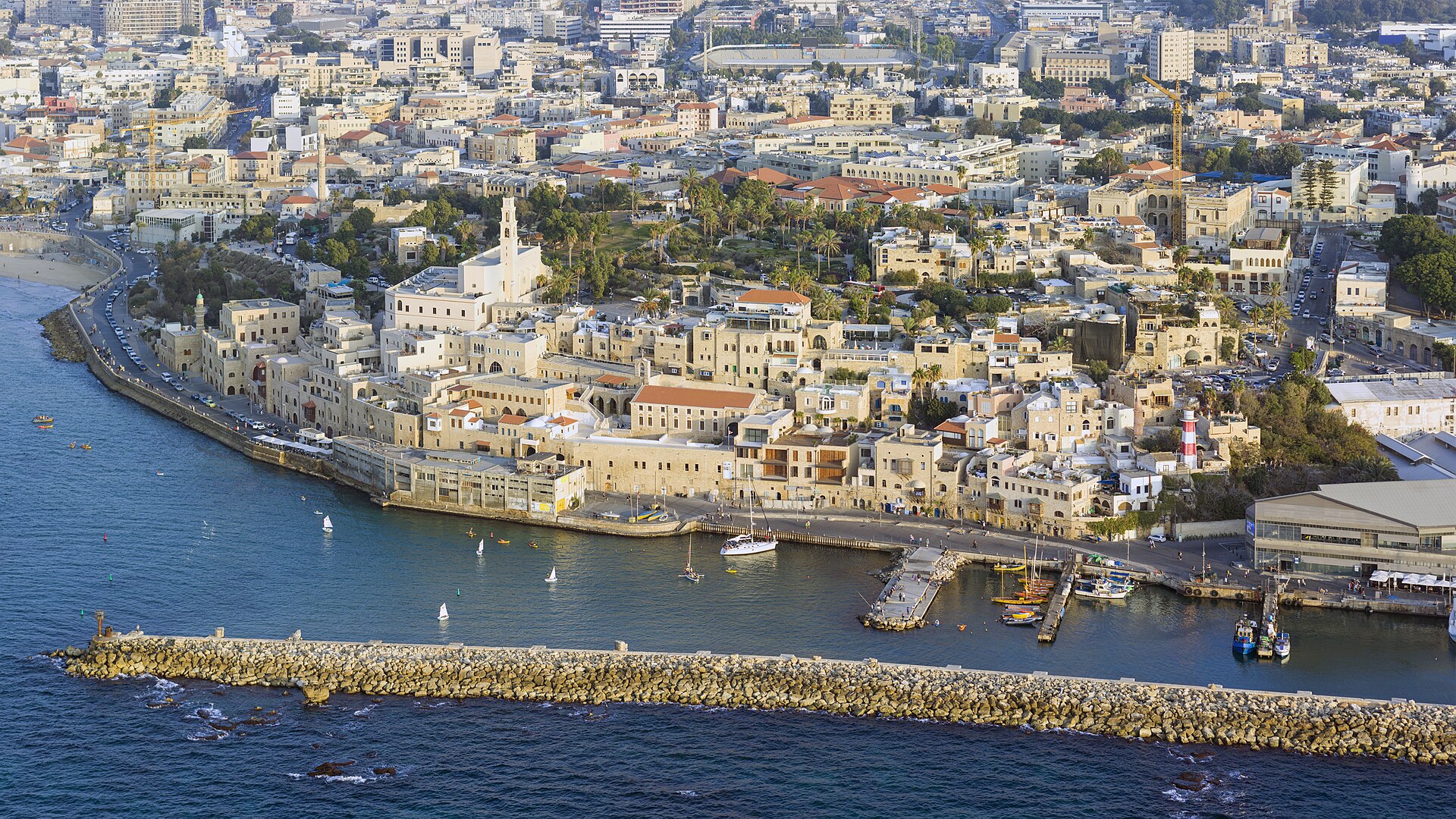
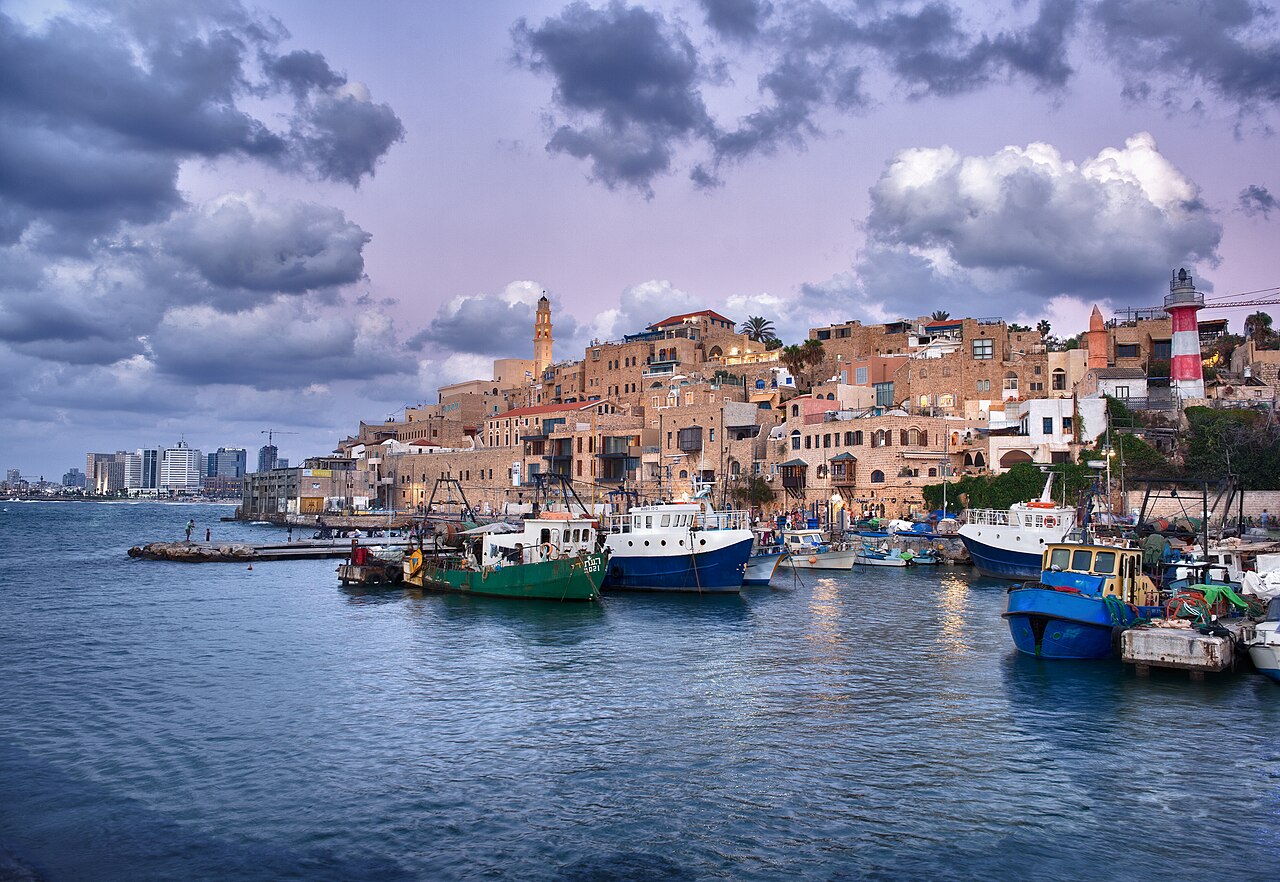
Old Jaffa is the ancient port district of Tel Aviv-Yafo, built around a Mediterranean promontory of sandstone buildings, narrow lanes, and harbour views. It combines archaeological layers with galleries, artist studios, residences, churches, cafés, and restaurants. The historic quarter is valuable because ancient urban fabric remains part of a living city rather than an isolated monument. Walk slowly and let the port, alleys, viewpoints, and modern skyline form one connected experience. Old Jaffa is the ancient port district of Tel Aviv-Yafo, one of the oldest inhabited harbor areas in the world. Its sandstone buildings and narrow alleys sit atop a promontory overlooking the Mediterranean Sea. The area blends archaeological layers with working artist studios, galleries, and residential spaces. Modern Tel Aviv-Yafo envelops this historic core, creating a distinct contrast between ancient urban fabric and contemporary city life. The site carries significance for multiple religious and cultural traditions tied to its long history as an eastern Mediterranean gateway. The historic terrain presents significant challenges. Steep stone steps, uneven surfaces, and elevation changes between port and hilltop create barriers.
Checked 2026-08-26 · Source
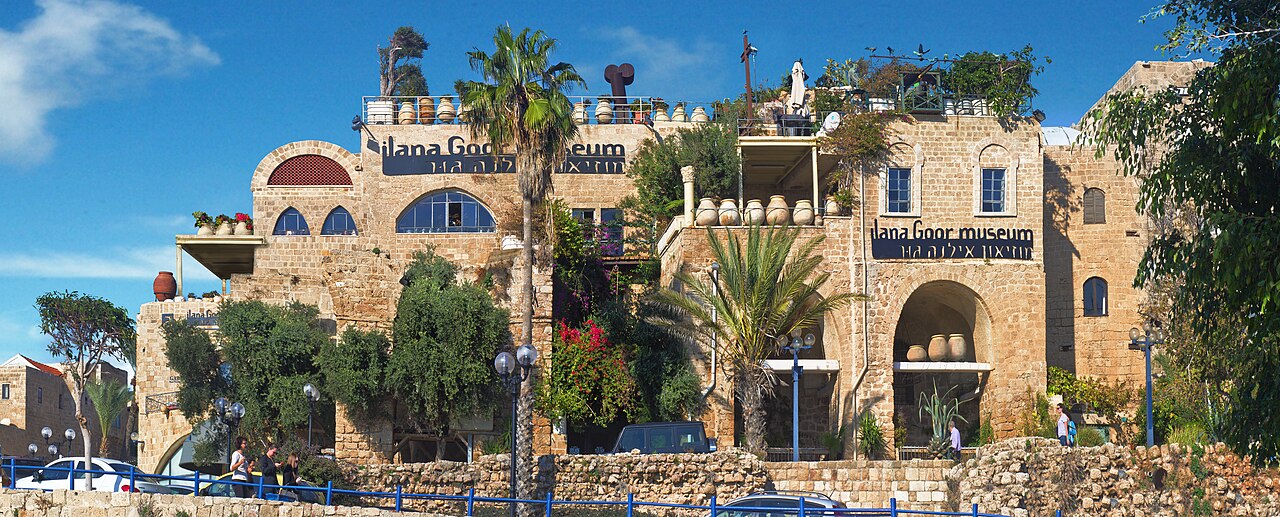
The visitor circuit includes St. Peter’s Church, the Jaffa Clock Tower, the Ilana Goor Museum, archaeological areas, galleries, studios, gardens, terraces, the Wishing Bridge, and zodiac-themed lanes. The Flea Market borders the historic core, while the harbour provides a working maritime edge. Cafés and restaurants sit among residential buildings and renovated stone structures. The district rewards exploration rather than a single interior visit, with each lane revealing a different layer of Jaffa’s character. The district contains St. Peter's Church, the Jaffa Clock Tower, the Ilana Goor Museum, and various archaeological excavations. Galleries and studios occupy renovated historic structures. The Flea Market borders the old city area. Gardens and viewing terraces overlook the port and sea. The Wishing Bridge and zodiac-themed alleys form part of the visitor circuit.
Checked 2026-08-26 · Source
Reserve half a day to explore Old Jaffa at a comfortable pace. That allows time for the irregular lanes, churches, galleries, gardens, harbour, viewpoints, and a café or restaurant pause. Visitors who want to spend longer in the Ilana Goor Museum or browse studios may extend the visit. Pairing Old Jaffa with the adjacent Flea Market creates a fuller day, while an evening return offers a different atmosphere from daylight.
Checked 2026-08-26 · Source
Early morning and late afternoon are comfortable times for walking, especially during Tel Aviv’s hot summer. The exposed promontory has strong sun, while spring and autumn are pleasant for exploring the steep lanes. Winter can bring Mediterranean rain and wind. Evening changes the district through artificial lighting and a livelier dining atmosphere. Schedule the outdoor circuit with weather in mind, and leave room for shaded or indoor pauses when the day is hot.
Checked 2026-08-26 · Source
The public streets, lanes, harbour edges, and viewpoints of Old Jaffa are experienced as an open district rather than one ticketed attraction. Individual venues inside it can charge separately. The Ilana Goor Museum and selected archaeological or cultural sites belong to that separate category, while cafés, restaurants, studios, and galleries form part of the living neighbourhood. Plan the walk first, then choose paid interiors according to your interests and available time.
Checked 2026-08-26 · Source
Old Jaffa connects with central Tel Aviv by bus, bicycle routes, taxi, and ride services. Walking south along the Tel Aviv promenade provides a direct way to approach the district by the sea. The historic lanes are narrow, and vehicles cannot reach every part of the quarter, so expect to finish on foot. The route climbs from the port toward the hilltop, making the walk more demanding than the short map distance suggests.
Checked 2026-08-26 · Source
Uneven stone paving, steps, and steep gradients are part of the Old Jaffa experience. Wet weather and darkness make the surfaces harder to read, so use care after rain and after sunset. The working harbour has maritime activity and vehicle movement. Residential homes share the quarter with visitor routes, requiring considerate noise levels. In summer, carry water and protect yourself from the sun because the exposed promontory offers limited shade.
Checked 2026-08-26 · Source
Old Jaffa offers Mediterranean views, the Tel Aviv skyline, sandstone lanes, the harbour, church domes, gardens, terraces, the zodiac lanes, and the Wishing Bridge as strong visual subjects. Early and late light bring out the texture of the stone and the relationship between sea and buildings. Galleries, private courtyards, and residential spaces require discretion. Frame public architecture and working harbour life without photographing people or homes intrusively.
Checked 2026-08-26 · Source
Highlights include St. Peter’s Church, the Jaffa Clock Tower, Ilana Goor Museum, archaeological areas, galleries, gardens, viewpoints, the Wishing Bridge, zodiac-themed lanes, and the harbour.
Allow half a day for the historic core. Add time for the museum, galleries, restaurants, or the adjacent Flea Market if you want a fuller day.
Yes. Walking south along the Tel Aviv promenade reaches Old Jaffa by the seafront, although the route rises from the port toward the historic hilltop.
The public streets, lanes, harbour edges, and viewpoints are experienced as an open district. Individual museums and cultural venues can have separate admission arrangements.
The Flea Market borders the historic core, so visitors can combine both areas in one walking circuit while treating them as distinct parts of Jaffa.
Wear comfortable shoes for uneven paving, steps, and steep gradients. In summer, add sun protection and carry water for the exposed promontory.
Loading the interactive map…
The interactive map could not be loaded.
Last updated:
Source: OpenStreetMap contributors ·