
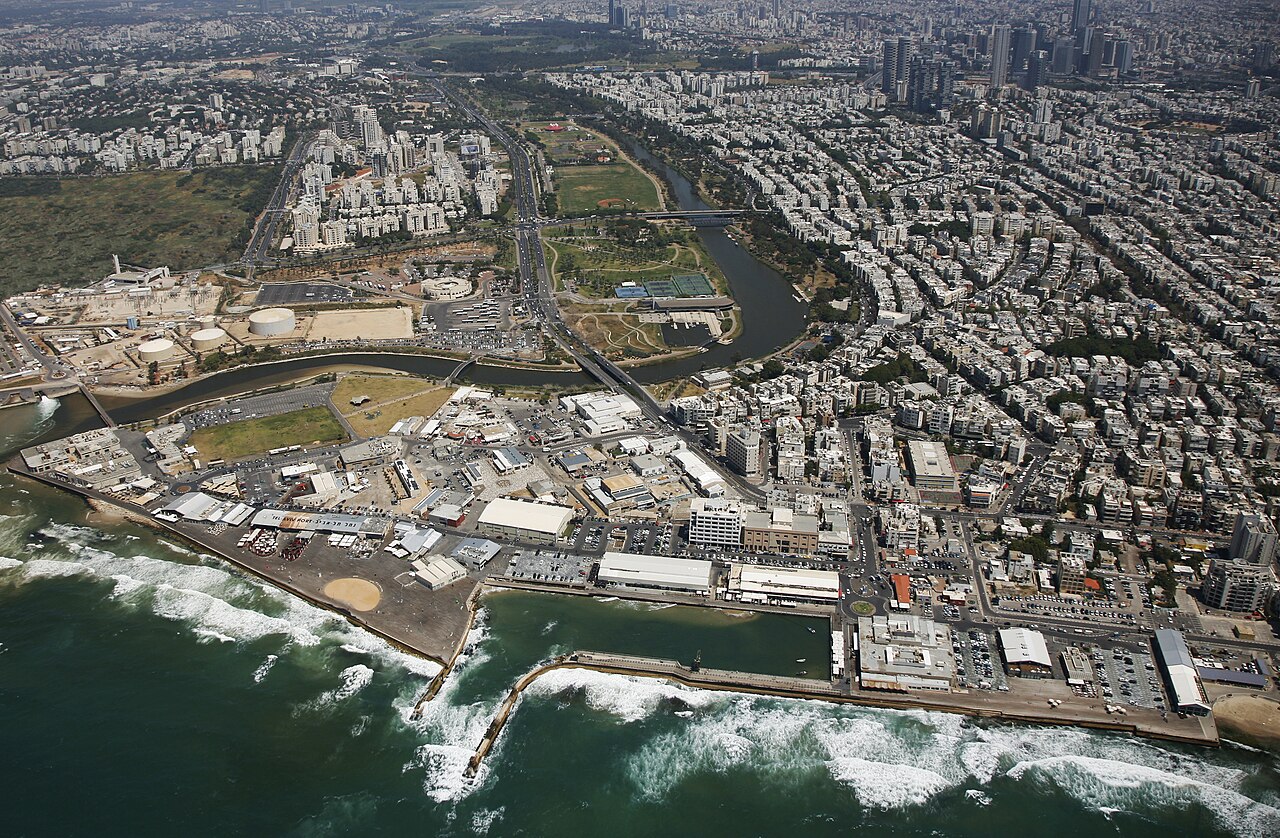
9 min walk
Tel Aviv Port
- Must see
- Activity
Language · 11 published
Historic monument · Tel Aviv
תל כודאדי
Reviewed by Elena Voss · Roavina Travel Editor
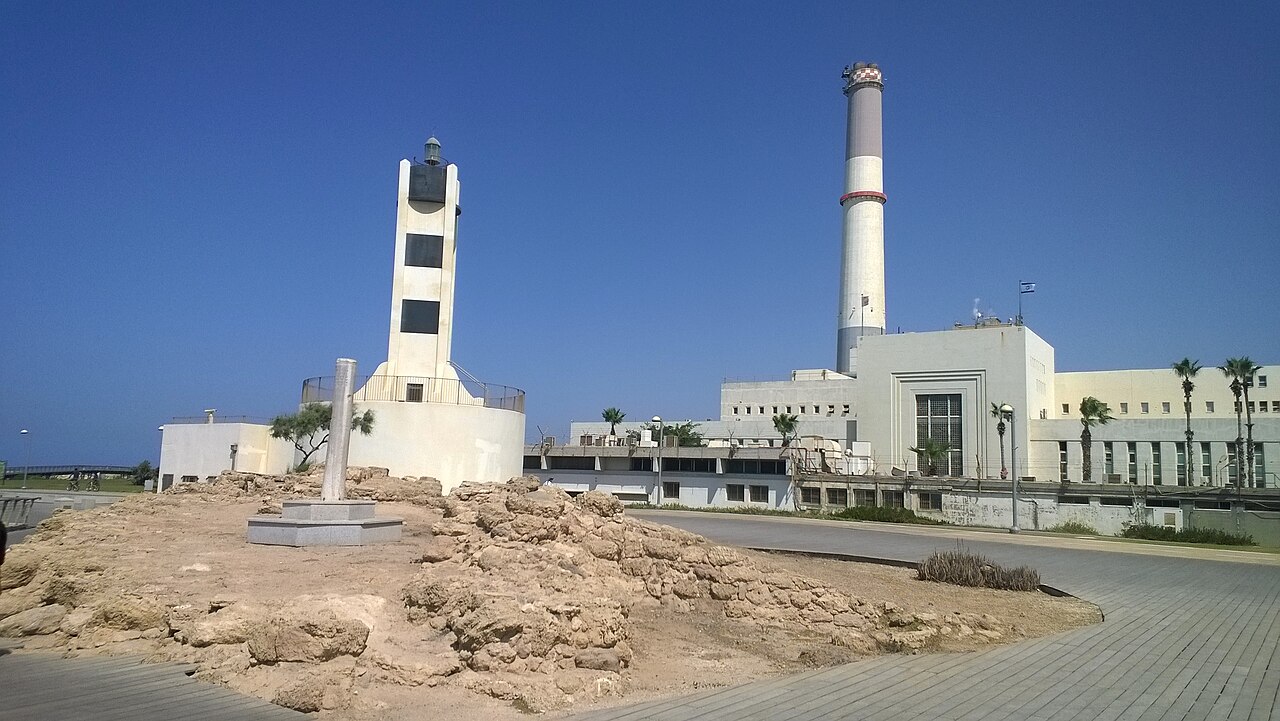
This place is a Archaeological site.
Tel Kudadi is an archaeological site in Tel Aviv-Yafo containing remains of an ancient settlement. The word tel describes a mound formed through successive layers of human occupation, so the site belongs to a landscape built up over different periods rather than to a single preserved building. Tel Kudadi contributes an ancient historical layer to a modern coastal city better known for beaches, Bauhaus streets and contemporary culture. Visitors should approach the site as an archaeological location whose meaning comes from its remains and setting, not as a fully reconstructed monument or large museum complex.
Checked 2026-08-26 · Source
Tel Kudadi contains archaeological remains associated with ancient settlement activity, including structural foundations and material connected with earlier occupation. The visible features may be modest at ground level because a tell records layers accumulated over time rather than presenting one complete structure. Read the site as a physical trace of coastal settlement history. Foundations, fragments and changes in ground level can be more meaningful when considered as parts of a layered landscape. Tel Kudadi is therefore suited to visitors who enjoy archaeology and historical interpretation, while travelers expecting furnished rooms, reconstructed streets or a visitor-centre display may find the presentation restrained.
Checked 2026-08-26 · Source
Tel Kudadi is a short archaeological stop for most travelers. Allow enough time to examine the visible remains, understand the mound as a sequence of settlement layers and place the site within Tel Aviv-Yafo’s wider historical landscape. The visit does not call for the same duration as a museum with galleries or an archaeological park with extensive interpretation. Visitors with archaeological training or a strong interest in ancient coastal settlements may stay longer to study foundations and terrain. For a general city itinerary, combine Tel Kudadi with other destinations rather than building an entire day around the site alone.
Checked 2026-08-26 · Source
The outdoor character of Tel Kudadi makes weather and light important to the experience. Tel Aviv’s summer heat can make a sun-exposed archaeological visit uncomfortable, while a cooler morning offers better conditions for looking closely at foundations and changes in the ground. Late afternoon can also add useful light for photographing textures and low remains, provided access is available at that time. Place Tel Kudadi in a day when you can walk carefully and pause without rushing. The site pairs naturally with other historical places in Tel Aviv-Yafo, giving a short visit more context within the city’s long timeline.
Checked 2026-08-26 · Source
Tel Kudadi is an archaeological location rather than a conventional museum with galleries, displays and a standard visitor route. Plan the visit around reaching and observing the remains, not around spending several hours inside a ticketed attraction. The site’s value is historical: it adds evidence of ancient settlement to a modern Tel Aviv-Yafo itinerary. Travelers interested in archaeology may find the location worthwhile even when the visible remains are subtle. Visitors seeking a fully developed heritage experience should combine Tel Kudadi with a museum or better-interpreted historical site so that the ancient landscape has additional context.
Checked 2026-08-26 · Source
Tel Kudadi lies within Tel Aviv-Yafo’s urban area, where buses provide the main public-transport network and taxis or ride services can cover the final approach. Walking or cycling may suit travelers already exploring nearby districts, but the mapped OpenStreetMap location should be used for the exact route because archaeological sites can be less prominent than major attractions. Plan for an outdoor destination without the navigation cues of a large museum. Carry the route on your phone, allow time for the final walk and treat the site as one stop in a broader Tel Aviv historical itinerary.
Checked 2026-08-26 · Source
Tel Kudadi requires more care underfoot than a paved museum route. Archaeological foundations, uneven ground and exposed remains can create trip hazards, so wear stable shoes and move slowly around the site. Do not climb, remove fragments or disturb soil: the archaeological value depends on preserving the layers and objects in place. Sun exposure may be strong, especially in summer, so bring water and protect yourself from heat during the approach and visit. The location is better suited to travelers comfortable with a lightly developed outdoor heritage site than to visitors seeking extensive safety infrastructure or indoor services.
Checked 2026-08-26 · Source
Tel Kudadi offers photographs of archaeological texture, foundations, ground contours and the relationship between ancient remains and modern Tel Aviv-Yafo. Morning or late-afternoon light can help reveal shallow features and surface detail. Keep photography secondary to preservation: stay on durable ground, avoid stepping onto remains and do not move stones or fragments to improve a composition. Use only equipment that does not disturb the site or other visitors. A drone is a separate aviation and municipal matter, so ordinary walking photography is the appropriate approach for this archaeological location.
Checked 2026-08-26 · Source
Tel Kudadi is an archaeological site in Tel Aviv-Yafo containing remains of an ancient settlement. Its tel is a mound formed by successive layers of human occupation.
Visitors can examine archaeological remains including structural foundations and material associated with ancient settlement activity. The experience centres on a layered archaeological landscape rather than reconstructed buildings.
Tel Kudadi is generally suited to a short visit focused on observing the remains and understanding the tell. Visitors with specialist archaeological interests may spend longer studying the site.
Children who enjoy archaeology may appreciate seeing ancient foundations and settlement remains, but uneven outdoor terrain requires close supervision. The site offers a quieter historical experience than an interactive museum.
Wear stable footwear suitable for uneven archaeological ground. Tel Kudadi is an outdoor site, and summer heat can make water and protection from the sun important during the visit.
Stay clear of archaeological remains, do not remove or move fragments and avoid disturbing the soil. Careful movement protects the site’s foundations and the historical layers that give the tell its meaning.
Loading the interactive map…
The interactive map could not be loaded.
Last updated:
Source: OpenStreetMap contributors, Wikidata ·