
12 min walk
Tell Qasile
- Must see
- Historic monument
Language · 11 published
Historic monument · Tel Aviv
תל חשאש
Reviewed by Elena Voss · Roavina Travel Editor
This place is a Archaeological site.
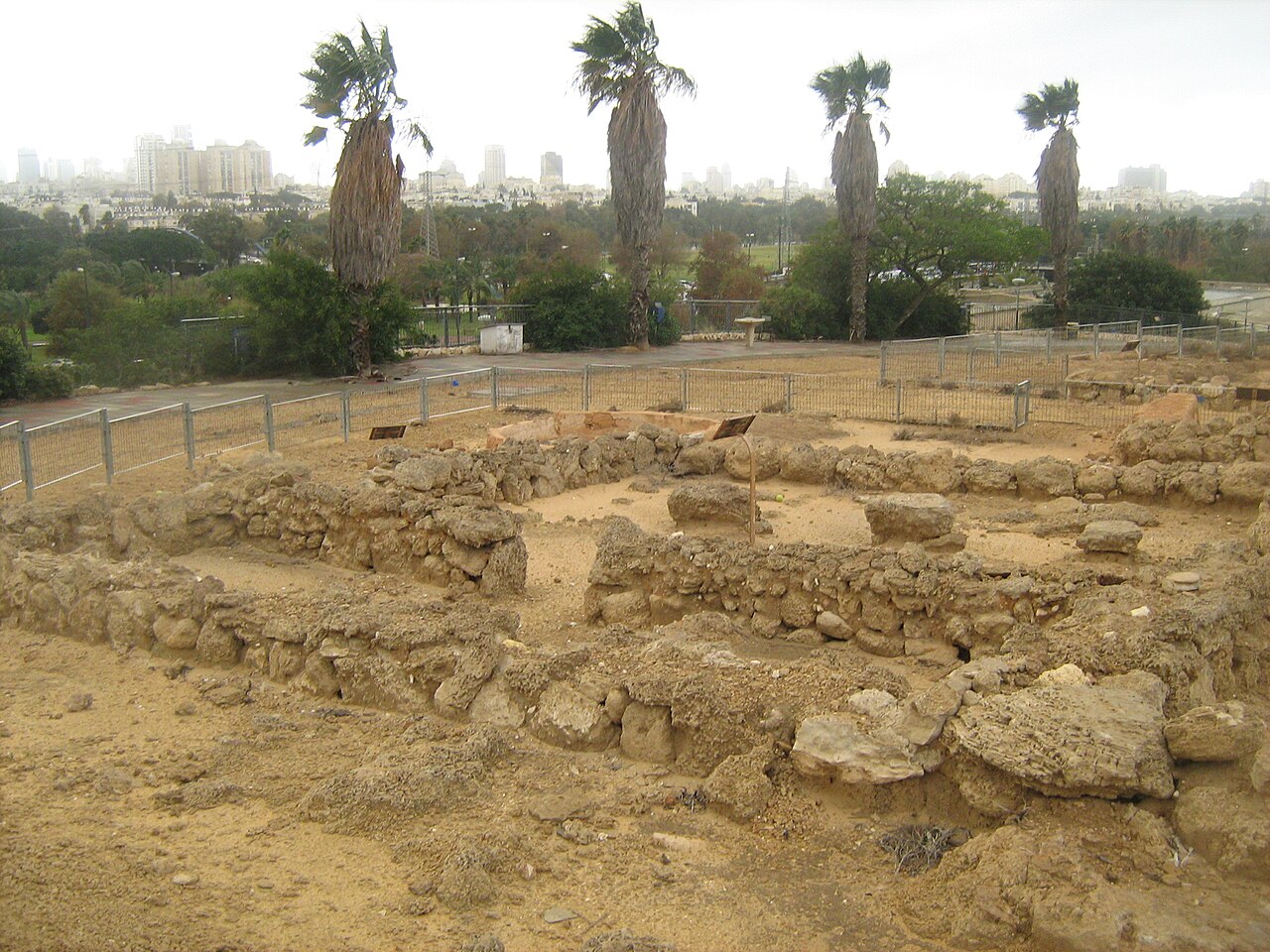
Tel Hashash (תל חשאש) is a named archaeological tell mapped within Tel Aviv-Yafo, where a historic landscape feature is recorded inside a developed coastal-plain municipality. Its interest is the mound’s identity and setting: this is a lesser-known heritage reference for travellers who enjoy tracing archaeology through an urban landscape. The available record does not establish a confirmed chronology, excavation narrative, museum display, or staffed attraction. Visit with a landscape-focused outlook, recognising the mapped tell while keeping expectations modest because public access is not definitively established. Check current information from Tel Aviv-Yafo authorities or the responsible land or heritage body before travelling, and do not enter fenced, posted, private, or otherwise restricted land.
Checked 2026-09-02 · Source
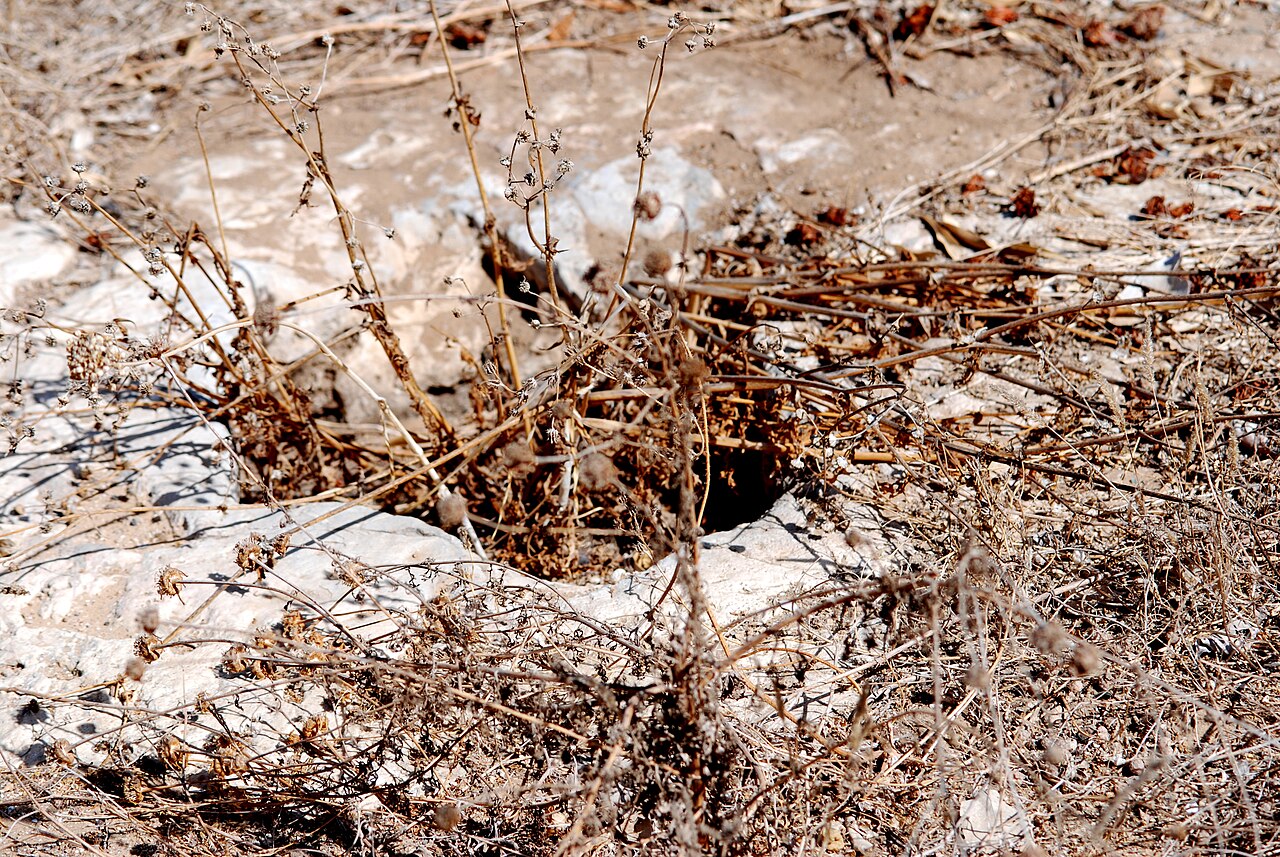
The defining feature is Tel Hashash itself: an archaeological mound, not a documented gallery or arranged collection of displayed objects. No labelled trail, excavated rooms, standing walls, interpretation boards, or confirmed inventory of visible remains is recorded for this node. The place may be read through changes in ground level, vegetation, contours, and its relationship with nearby streets and buildings. Low traces can be difficult to interpret without specialist context. Do not remove, expose, rearrange, or search for artefacts; an ordinary-looking fragment may still belong to protected archaeological context.
Checked 2026-09-02 · Source
Allow about 30 to 60 minutes for a cautious first look, provided the approach is lawful and the ground can be reached safely. That is enough time to identify the mapped location, observe the mound’s form, understand its urban setting, and take permitted personal photographs. Because no exact entrance or visitor route is documented, part of the visit may be spent locating the boundary and deciding whether access is appropriate. Keep the schedule flexible if fencing, private land, or poor conditions prevent a close approach. A specialist reading authoritative archaeological material alongside the location may reasonably spend longer.
Checked 2026-09-02 · Source
Tel Hashash has no documented public opening timetable or confirmed seasonal calendar. Plan in daylight, when the mound’s contours and any boundaries are easier to see and when you can make a safer decision about the approach. Clear, dry conditions may make an undeveloped site easier to assess, but they do not create a right of entry. Access may be affected by fencing, vegetation, land management, or local restrictions. Before setting out, confirm current information with Tel Aviv-Yafo authorities or the responsible land or heritage body, and obey every sign encountered at the location.
Checked 2026-09-02 · Source
No verified admission price or ticket structure is documented for Tel Hashash. That absence is not evidence of free entry, since public access itself is not definitively established. If a municipal authority, heritage organisation, land manager, or event organiser publishes access instructions, those instructions determine whether entry is possible and whether any charge applies. A ticketed tour or archaeological activity elsewhere in Tel Aviv-Yafo would be a separate service, not an admission fee for this mound.
Checked 2026-09-02 · Source
Use the exact OpenStreetMap node as your location reference: https://www.openstreetmap.org/node/343615226. Tel Hashash lies within the Tel Aviv-Yafo municipal area, but no verified public entrance or final walking approach is documented. City buses, shared taxis, a private vehicle, or a rideshare may reach the surrounding neighbourhood, yet none guarantees lawful parking, an accessible entrance, or permission to cross adjoining land. Treat the map point as a reference, not proof that the mound is open. Check current municipal and land-manager information before leaving the transport network, then approach only by an evidently lawful route.
Checked 2026-09-02 · Source
Expect an undeveloped archaeological location without confirmed visitor infrastructure. Uneven ground, loose surfaces, erosion, concealed edges, thorny vegetation, and intense sun are plausible hazards on a mound, even though conditions are not itemised for this node. Wear closed, stable footwear and carry water. Stay outside fenced, posted, private, or otherwise restricted areas, and supervise children closely. Do not dig, scrape, collect pottery, stones, soil, or other material, and do not rearrange the ground. Respect residents, access ways, and land-management instructions throughout the visit.
Checked 2026-09-02 · Source
Personal photography is not governed by a documented site-specific policy, so take photographs only where access is lawful and no posted restriction applies. Focus on the mound, its contours, and its relationship to the surrounding Tel Aviv-Yafo landscape rather than handling or exposing possible archaeological material. Morning or late-afternoon light may help reveal subtle changes in elevation. Keep cameras, tripods, and groups clear of private property, residents, access ways, fences, and sensitive ground, and stop immediately if an official or land manager asks you to do so.
Checked 2026-09-02 · Source
Public access to Tel Hashash is not definitively established. Confirm current information with Tel Aviv-Yafo authorities or the responsible land or heritage body before travelling, and do not enter fenced, posted, private, or otherwise restricted land.
No guided tour is documented for this specific site. A current municipal, heritage, or archaeological programme may cover the wider Tel Aviv-Yafo area, but it should not be described as including Tel Hashash unless the organiser explicitly confirms it.
No confirmed chronological attribution is provided for Tel Hashash. The word “tell” describes an archaeological mound, but it does not establish a particular period or occupation sequence at this location.
Only with close adult supervision and a confirmed safe, lawful approach. The site has no documented visitor facilities and is not a confirmed playground or family attraction; uneven ground or restricted areas may make a visit unsuitable.
No restroom facilities are documented at Tel Hashash. Nearby city amenities are not part of the archaeological site, so plan your visit without relying on an on-site toilet.
No picnic rule is documented for Tel Hashash. Follow posted or land-manager instructions, keep food and waste away from sensitive ground, leave no litter, and avoid disturbing archaeological deposits or nearby residents.
Loading the interactive map…
The interactive map could not be loaded.

Last updated:
Source: OpenStreetMap contributors ·