
2 min walk
Frenkel 13
- Notable
- Nightlife venue
Language · 11 published
Museum · Tel Aviv
מוזיאון לח"י
Reviewed by Elena Voss · Roavina Travel Editor
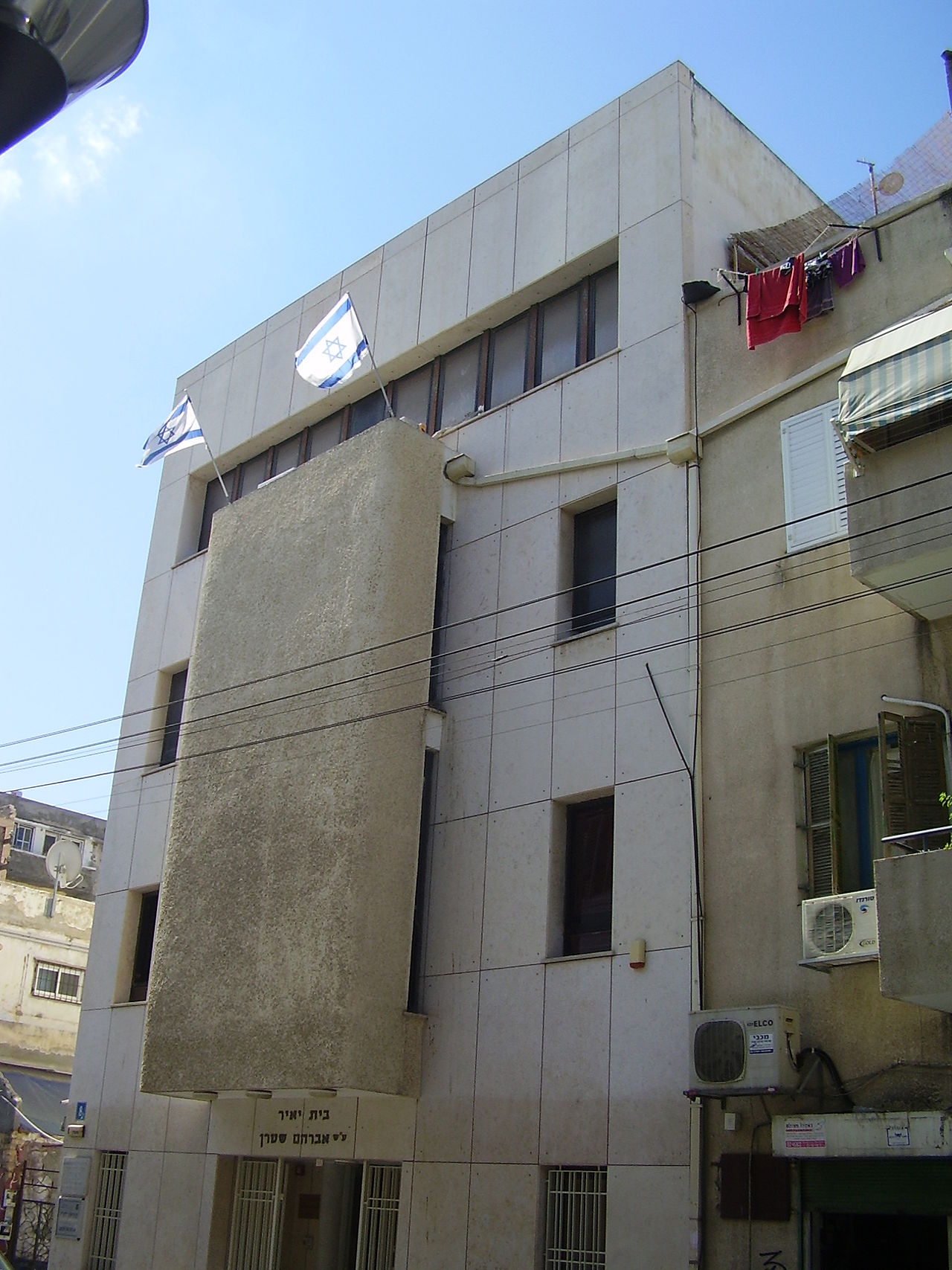
This place is a Museum. It was established in 1985. It carries the heritage site in Israel heritage designation.
The Lehi Museum in Tel Aviv-Yafo presents the history of Lehi, also called the Stern Group, a Zionist underground movement active during the British Mandate of Palestine. The museum addresses the organisation’s ideology, people and armed struggle, including its founder Avraham Stern. It is best suited to visitors who want to examine a contested period of pre-state history through a focused museum devoted to one movement and its legacy. The Lehi Museum is a museum in Tel Aviv-Yafo dedicated to the Lehi underground movement, also known as the Stern Group. Lehi was a Zionist paramilitary organization that operated during the British Mandate of Palestine. The museum preserves and presents the history, ideology, and activities of this controversial group. It serves as a memorial and educational institution examining a significant and disputed chapter in Israeli history. The museum occupies a location with historical relevance to the movement's operations in the Tel Aviv area. Parental discretion is advised. The museum addresses political violence, militant activities, and weapons, which may be inappropriate for young children or disturbing to sensitive visitors.
Checked 2026-08-26 · Source
Expect a concentrated historical display about Lehi’s political ideas, underground activity and armed operations against British rule. The material includes the movement’s self-understanding as a fight for freedom and introduces key figures such as Avraham Stern. Documents, photographs, weapons, personal effects and explanatory displays help turn the subject into a tangible museum visit. Because the institution has a commemorative purpose, the presentation is especially useful when read with awareness of the movement’s disputed history. The museum contains exhibits related to Lehi's armed struggle, political ideology, and key figures including founder Avraham Stern. The museum presents Lehi's perspective on its actions, including controversial operations. Visitors should expect a narrative shaped by the museum's commemorative purpose rather than critical historical analysis. The exhibition explores the movement's self-perception as freedom fighters and its role in pre-state Jewish militancy.
Checked 2026-08-26 · Source
Allow about one to two hours, depending on how closely you read the documents and photographs. Visitors already familiar with the British Mandate or Israeli political history may move quickly through the introductory material and spend longer on particular people or operations. If the period is new to you, allow extra time to follow the chronology and terminology. The museum’s focused subject makes it a deliberate history stop rather than a quick landmark photograph.
Checked 2026-08-26 · Source
An indoor visit makes the Lehi Museum a useful choice during the hottest part of a Tel Aviv day. Morning can provide a quieter setting for reading and reflection, while the museum’s historical subject suits a planned visit rather than an accidental pass-by. Include it when your route already explores Tel Aviv-Yafo’s political and civic history. Give yourself enough time for the material, since the story is denser than the building’s scale suggests.
Checked 2026-08-26 · Source
Plan for a small specialist museum visit with a focused historical purpose. The main value is the collection and interpretation of Lehi’s history, not a large complex of galleries or entertainment facilities. A visit of one to two hours fits naturally into a history-themed day in Tel Aviv-Yafo. Keep the emphasis on the exhibits, especially the documents, photographs, weapons and personal material connected with the movement.
Checked 2026-08-26 · Source
The museum is in Tel Aviv-Yafo, within a metropolitan area served by extensive urban transport. Use the city’s bus network or walk and cycle if your accommodation is nearby. Driving through central Tel Aviv can be slower than the map suggests because of traffic and parking pressure. The most useful approach is to combine the museum with other civic or historical stops in the same part of the city, leaving time for the indoor visit.
Checked 2026-08-26 · Source
The museum deals directly with political violence, underground warfare, weapons and assassination, so the subject may be disturbing for young children or sensitive visitors. Its commemorative role gives particular weight to Lehi’s own perspective; the wider period also includes serious controversy and civilian casualties. Read the displays as a focused institutional narrative and leave room for reflection. The intimate setting may require quiet, careful movement around objects and documents.
Checked 2026-08-26 · Source
Photographs of the building and displays can help preserve the details of a subject-heavy visit, provided they follow the museum’s rules. Use a quiet, non-disruptive approach around documents, weapons and personal effects. Avoid flash where prohibited and do not block narrow display areas while composing an image. The museum’s memorial character also makes respectful behaviour important: record the material without turning scenes of political violence into casual props.
Checked 2026-08-26 · Source
It covers the history, ideology, people and armed activities of the Lehi underground movement during the British Mandate of Palestine.
The museum’s history includes Avraham Stern, the founder associated with the movement.
The displays include historical documents, photographs, weapons, personal effects and explanatory material about Lehi.
The subject includes political violence, militant activity and weapons, so it may be unsuitable or upsetting for young children.
Plan approximately one to two hours, with extra time if you read the documents and historical context closely.
It has a commemorative focus on Lehi and presents the movement’s own perspective on its struggle and actions.
Loading the interactive map…
The interactive map could not be loaded.

Last updated:
Source: OpenStreetMap contributors, Wikidata ·