
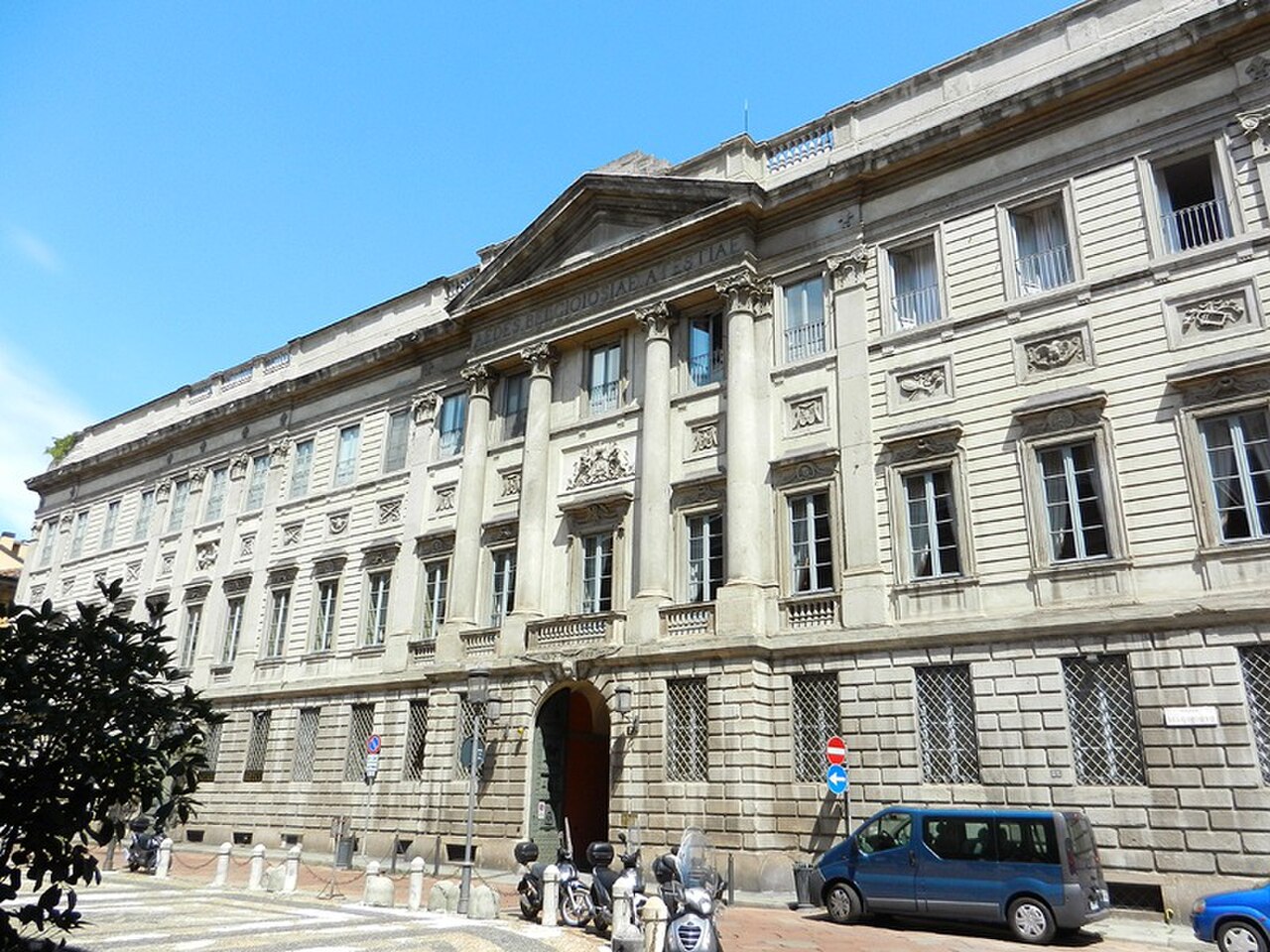
2 min walk
Belgioioso Palace
- High · Heritage site
- Historic monument
Language · 11 published
Historic monument · Milan
Palazzo Crespi
Reviewed by Elena Voss · Roavina Travel Editor
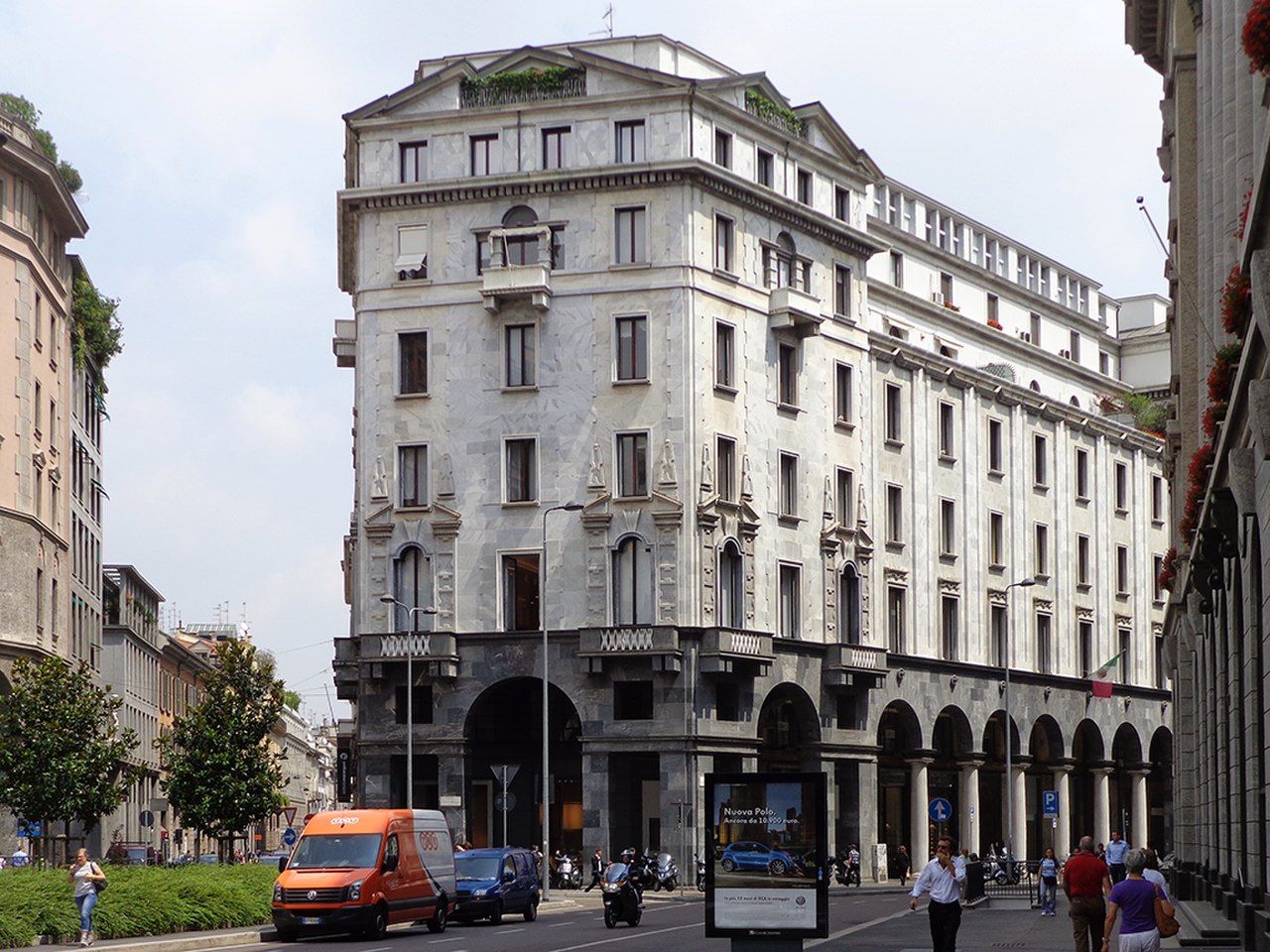
It was established in 1930. It was built in the Novecento Italiano style. It was designed by Piero Portaluppi. It carries the Italian national heritage heritage designation.
Palazzo Crespi is a historic palace in Milan, situated in the city's central area. The building represents an example of Milanese aristocratic residential architecture, reflecting the wealth and social standing of the Crespi family, prominent figures in Italian industrial and banking history. The palace contributes to the dense urban fabric of historic Milan, where noble residences and commercial activities have long coexisted. Its presence in the city center places it within walking distance of other significant landmarks, making it part of the broader architectural heritage that visitors encounter when exploring Milan's established districts. The structure embodies layers of urban development.
Checked 2026-08-26
The interior arrangements of Palazzo Crespi are not recorded in available visitor materials. Historic palaces of this category typically contain reception halls, private apartments, and service quarters organized around courtyards, though specific room configurations here remain unverified. Decorative elements may include period furnishings, frescoed ceilings, or architectural detailing consistent with the building's era, but no authoritative inventory has been identified. Access to interior spaces for general visitors appears limited or restricted, as is common with privately held or partially occupied historic properties in Milan. Visitors should anticipate that the full extent of interior features may not be accessible.
Checked 2026-08-26
The appropriate duration for a visit to Palazzo Crespi depends substantially on access arrangements, which are not recorded. If exterior viewing constitutes the primary visitor experience, approximately fifteen to thirty minutes allows for architectural observation and contextual appreciation within the streetscape. Should interior access become available, historic palaces of comparable scale typically warrant forty-five to ninety minutes for guided or self-directed exploration. Visitors integrating this site into a broader Milan itinerary should allocate flexible timing, prioritizing confirmed-access destinations nearby. The palace functions best as a supplementary stop rather than a primary excursion, given current uncertainties regarding visitor programming and interior availability.
Checked 2026-08-26
No verified opening schedule, seasonal variations, or special access periods have been identified for Palazzo Crespi. Historic palaces in Milan frequently operate with restricted visiting windows, often tied to cultural heritage initiatives, private arrangements, or occasional open-door events. Visitors should not rely on assumed accessibility. Advance verification through official Milan tourism channels or direct contact with managing authorities is essential before planning a specific visit. The surrounding district remains accessible throughout the day for exterior observation regardless of interior visiting status, permitting architectural appreciation from public thoroughfares at any time. Check the operator's own site for the travel date before relying on a schedule or fare.
Checked 2026-08-26
No ticket structure, admission categories, or pricing information has been verified for Palazzo Crespi. Many historic residences in Milan operate outside standard museum ticketing frameworks, potentially requiring advance reservation, membership affiliation, or participation in organized heritage programs for access. Some properties impose no formal charges but restrict entry through other mechanisms. Visitors should not anticipate walk-in admission or standard payment procedures. Direct inquiry with Milan tourism authorities or property representatives is necessary to clarify any cost obligations. Budget-conscious travelers should prepare for variable access models.
Checked 2026-08-26
Palazzo Crespi occupies a central Milan location accessible via the city's established public transportation network. The metropolitan underground system serves the broader district, with multiple stations within reasonable walking distance. Surface tram and bus routes additionally traverse the area, reflecting the dense transit coverage characteristic of Milan's historic core. Pedestrian access from nearby commercial and cultural zones is straightforward given the palace's integration into continuous urban fabric. Visitors already exploring central Milan landmarks can incorporate the site into walking itineraries without significant deviation. Specific route planning should reference current transit schedules, as service patterns may undergo adjustment.
Checked 2026-08-26
Visitors should recognize that Palazzo Crespi may function as a private or semi-private property with limited public interface, requiring respectful conduct in adjacent spaces. The building's integration into active street frontage means pedestrian traffic flows around rather than through the property. Security presence or monitoring systems may operate without visible indication. Architectural features observable from public areas should be appreciated without encroachment on restricted zones. Weather conditions affect street-level comfort during exterior observation. Nearby commercial activity generates congestion at peak periods. Visitors with mobility considerations should note that historic Milan sidewalks present uneven surfaces and variable widths.
Checked 2026-08-26
Photography policies for Palazzo Crespi are not recorded. Exterior photography from public thoroughfares generally faces no restriction under Italian law, though tripods and commercial equipment may attract scrutiny. Interior photography, if access is obtainable, likely requires explicit permission given the private or heritage-managed character of such properties. Flash photography potentially damages sensitive materials and is commonly prohibited in historic interiors regardless of specific policy. Visitors should observe posted signage or staff direction and refrain from photographing individuals without consent. Drone operation near historic structures in urban centers is subject to strict regulatory controls and generally prohibited without authorization.
Checked 2026-08-26
Not recorded. Interior access appears restricted; verify with Milan tourism authorities before visiting.
Not recorded. No verified pricing information exists; direct inquiry with operators is necessary.
Check the operator's own site for the travel date before relying on a schedule or fare.
The palace is in central Milan, accessible via nearby underground, tram, and bus services.
Not recorded. Exterior photography from public spaces is generally permissible; interior rules require verification.
Fifteen to thirty minutes for exterior viewing; longer if interior access becomes available, which is unconfirmed.
Loading the interactive map…
The interactive map could not be loaded.
Last updated:
Source: OpenStreetMap contributors, Wikidata ·