
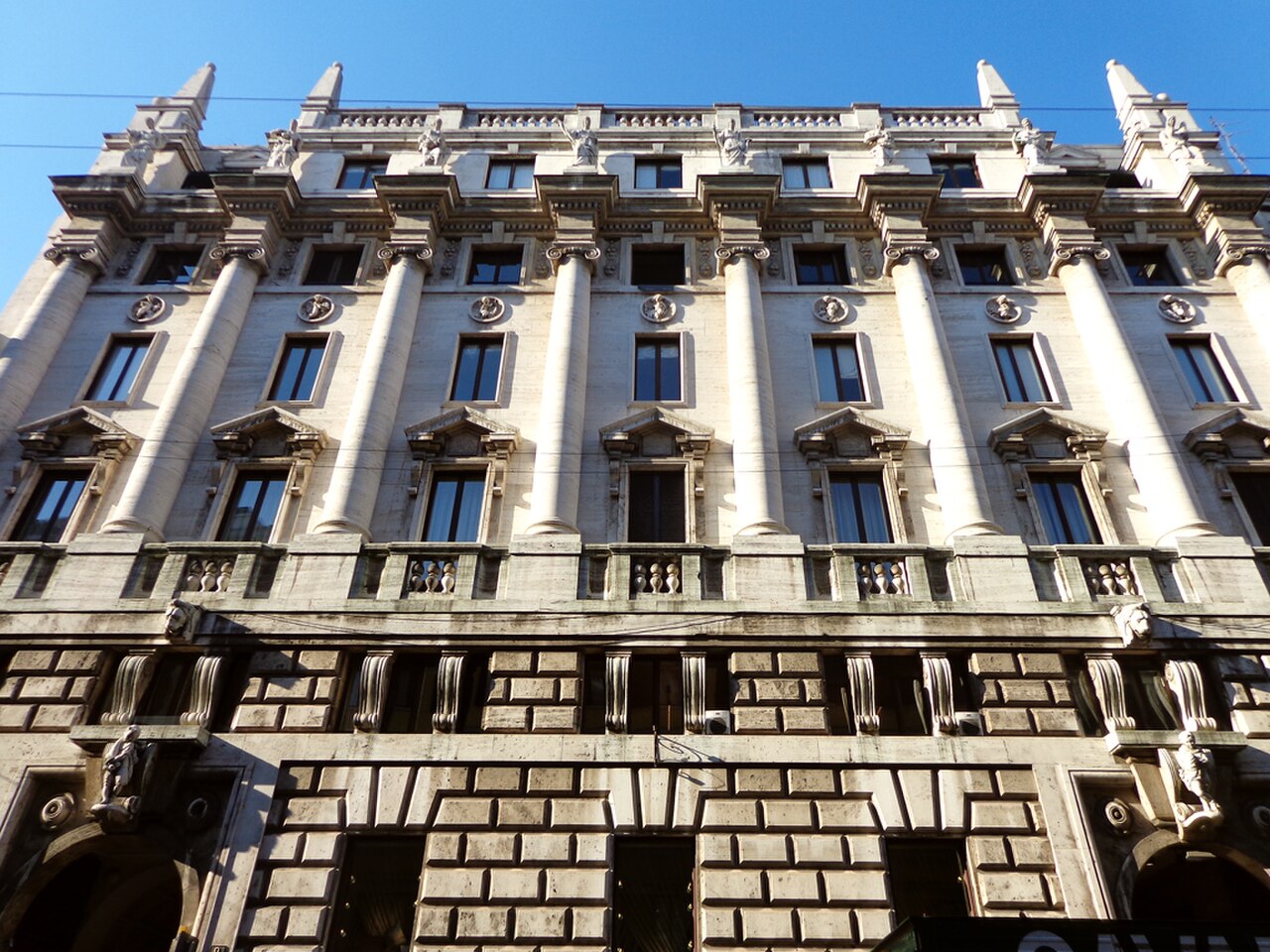
1 min walk
Cusini Palace
- Notable
- Historic monument
Language · 11 published
Historic monument · Milan
Palazzo Litta Cusini Modignani
Reviewed by Elena Voss · Roavina Travel Editor
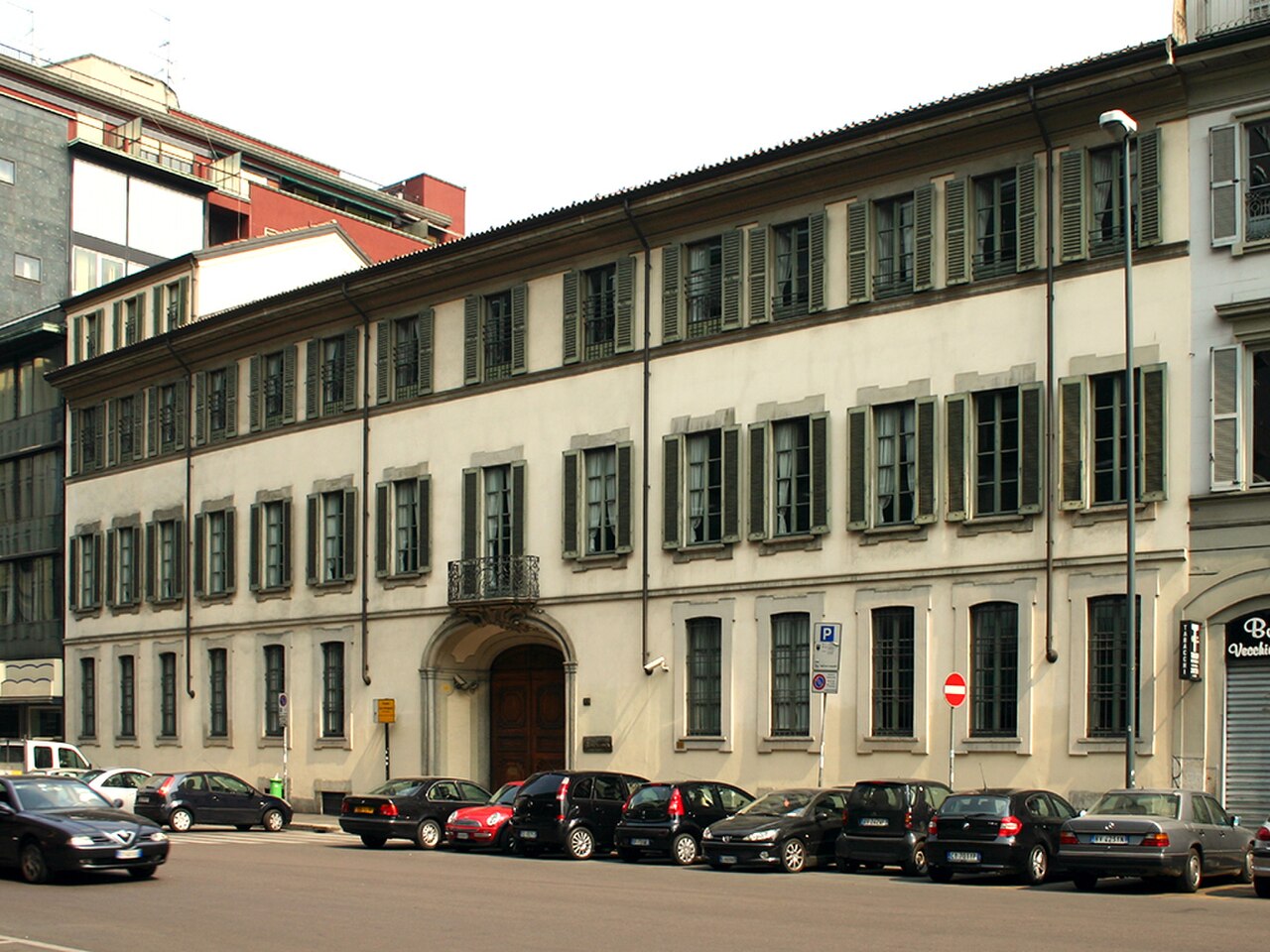
It was built in the Italian Baroque architecture style. It carries the Italian national heritage heritage designation.
Litta Cusini Modignani Palace is a historic aristocratic palace in Milan. Its name connects the building with the Litta, Cusini, and Modignani families and places it within the city’s tradition of noble urban residences. For a traveller, its value lies in encountering a palace as part of Milan’s living historic fabric rather than as a detached museum object. The surrounding district, street alignment, façade, and neighbouring buildings all help convey the character of a city shaped by aristocratic residences, later adaptation, and dense urban growth. It is a natural stop for visitors interested in Milanese architecture and civic history.
Checked 2026-08-26 · Source
The palace is most safely approached as an exterior architectural sight in a Milan walking itinerary. From the public street, focus on the façade, entrances, proportions, and the way the building occupies its urban setting. The guide does not assign a public room route, museum collection, permanent exhibition, or confirmed courtyard visit to the palace. That makes the surrounding streets especially important: look at the building in relation to adjacent façades and the broader historic district. The pleasure comes from reading a substantial urban residence in context, not from expecting a standard museum sequence indoors.
Checked 2026-08-26 · Source
Reserve a short architectural pause for Litta Cusini Modignani Palace, then continue through the surrounding Milanese streets. A compact stop gives enough time to take in the building’s exterior, compare its scale with nearby structures, and make a few photographs without turning the palace into the sole focus of the day. Travellers with a strong interest in noble residences may spend longer examining details and the wider district. The site works particularly well between larger attractions, allowing the palace to enrich a walking route while leaving generous time for Milan’s more extensive museums and landmarks.
Checked 2026-08-26 · Source
Visit Litta Cusini Modignani Palace during daylight, when the building’s façade and its relationship with the surrounding streets are easiest to appreciate. Spring and autumn are comfortable for a longer architecture walk across Milan. Summer is more pleasant for outdoor observation in the morning or later afternoon, while winter can suit a concise stop between indoor sights. A quieter period of the day can make it easier to study the palace without standing in the way of residents, workers, or passing pedestrians. Treat weather as a factor in the walking route, not as a reason to invent an indoor programme.
Checked 2026-08-26 · Source
Build Litta Cusini Modignani Palace into your day as an exterior heritage stop. The traveller experience covered here is street-level observation of the palace and its historic urban context, followed by continuation to other Milan sights. Do not structure the day around a museum-style ticketed visit or a guaranteed interior tour. If you want a broader noble-palace experience, combine this stop with established Milan attractions that offer a defined visitor route. The palace is most useful in an itinerary that values architectural discovery between major destinations rather than a single formal admission visit.
Checked 2026-08-26 · Source
Litta Cusini Modignani Palace lies within Milan’s dense urban fabric. Reach the central area by the city’s metro, tram, or bus network, then use the mapped location for the final approach on foot. Walking is valuable here because the palace is best understood together with neighbouring streets and buildings. Milan Centrale and Milano Porta Garibaldi connect the city with national and international rail services, while central districts offer many routes for continuing after the stop. Allow for crowded pavements, crossings, and pauses whenever your route passes through busy historic streets.
Checked 2026-08-26 · Source
The palace’s setting calls for respectful street-level behaviour. Observe the exterior from public space, keep entrances and doorways clear, and do not enter areas that belong to residents, workers, or institutions. Historic façades can be difficult to see in full because central Milan is dense and active; a view across the street may provide a better angle than standing close to the building. Watch for traffic, bicycles, parked vehicles, and construction while looking upward. The palace is an architectural stop, so plan around the realities of an occupied city rather than a controlled museum environment.
Checked 2026-08-26 · Source
Photograph Litta Cusini Modignani Palace from public streets, using the surrounding urban setting to show its scale and position within Milan. A view from across the street may capture more of the elevation, while a closer angle can highlight façade details and the way the palace meets adjoining buildings. Keep equipment compact in crowded areas, avoid blocking entrances, and respect residents, staff, and passers-by. Daylight reveals architectural surfaces most clearly; softer morning or late-afternoon light can add depth without requiring specialised equipment or a prolonged stop in the street.
Checked 2026-08-26 · Source
It is a historic aristocratic palace in Milan associated by name with the Litta, Cusini, and Modignani families.
The main experience is observing the palace’s exterior and understanding it within Milan’s dense historic streetscape.
Allow a short architectural stop, with additional time if you want to study the façade and surrounding district in detail.
Use Milan’s metro, tram, or bus network to reach the central area, then follow the mapped location on foot through the surrounding streets.
Photograph the façade, its architectural details, and its relationship with the adjoining Milanese buildings from a respectful public position.
It adds a noble urban residence to a route through Milan’s historic fabric and works well between larger museums and landmarks.
Loading the interactive map…
The interactive map could not be loaded.


Last updated:
Source: OpenStreetMap contributors, Wikidata ·