_-_Cloister.jpg)
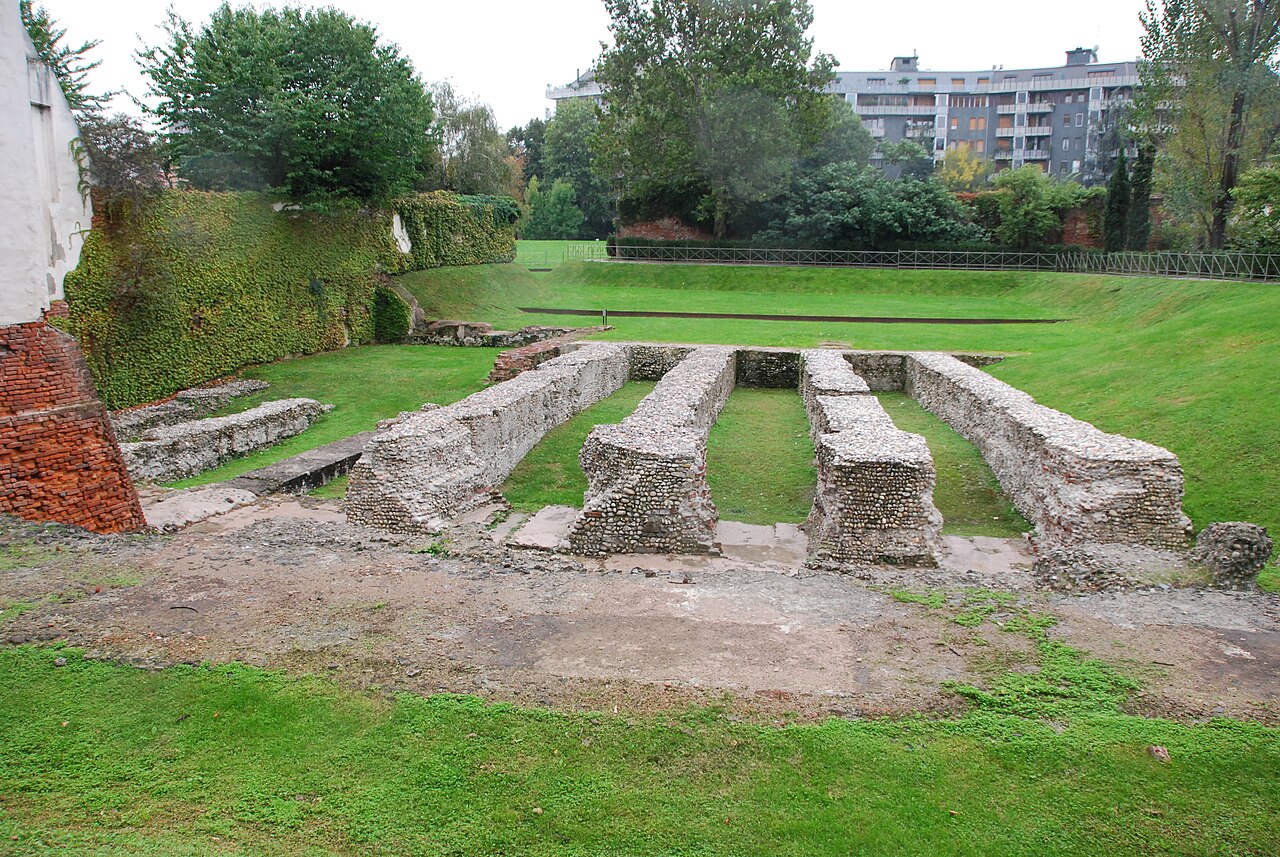
2 min walk
Milan amphitheatre
- Notable
- Historic monument
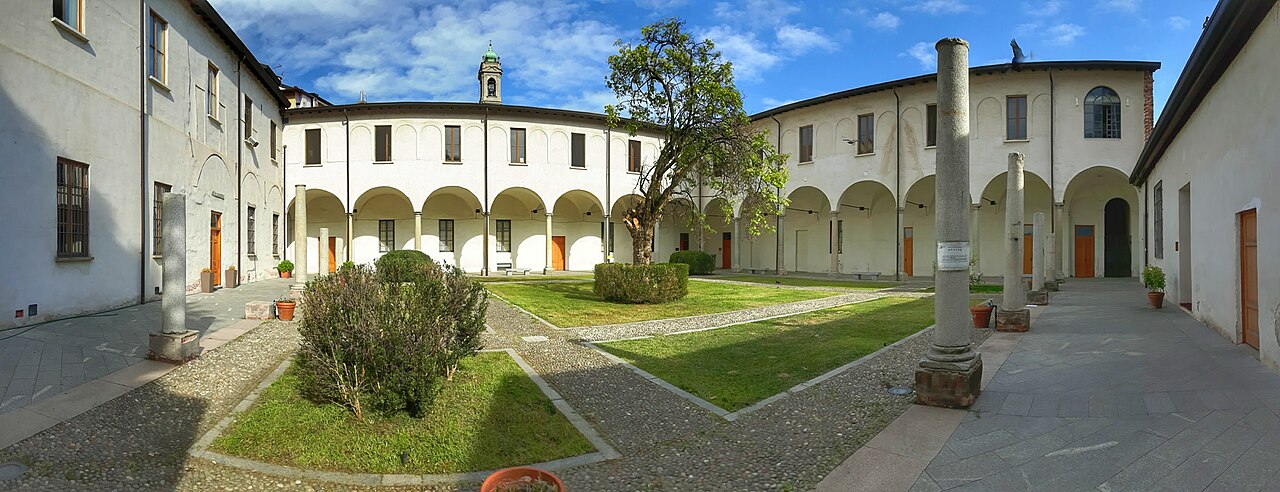
Museum · Milan
Antiquarium Alda Levi
Closed today, Sunday. Next open Tuesday at 10:00 — the planner will not place a stop here on a Sunday.
Plan around it| Monday | Closed |
|---|---|
| Tuesday | 10:00 – 15:00 |
| Wednesday | 10:00 – 15:00 |
| Thursday | 10:00 – 15:00 |
| Friday | 10:00 – 15:00 |
| Saturday | 10:00 – 15:00 |
| Sunday | Closed |
Parsed from OpenStreetMap opening hours on 2026-09-09.
Milan Antiquarium, also known as Antiquarium Alda Levi, is an archaeological museum devoted to the material history of Milan and its surrounding area. It preserves objects that connect the modern city with earlier communities and successive periods of occupation. The museum also commemorates Alda Levi, an Italian archaeologist and scholar. Visit for a focused archaeological perspective on Milan, especially if you want to complement the city's art museums with evidence of daily life, trade, architecture, and ancient urban development. The Milan Antiquarium, locally named Antiquarium Alda Levi, is an archaeological museum in Milan. It preserves and displays ancient artifacts excavated from the city's long history. The institution honors Alda Levi, a noted Italian archaeologist and scholar. Situated within the urban fabric of Milan, it serves as a repository for understanding the region's classical past. The institution presents archaeological materials that may engage children with prior interest in ancient history. Attention spans for static displays vary considerably by age.
Checked 2026-08-26 · Source
The collections include archaeological finds from Milan and nearby territories. Pottery, tools, architectural fragments, and related objects help explain how people lived, traded, built, and practiced culture in earlier periods. The displays may bring together material from Roman, late antique, and medieval phases, giving the visit a long historical perspective. Expect a focused archaeological presentation rather than a broad survey of painting or sculpture. Read the contextual material carefully: ordinary objects often provide the clearest connection between the ancient city and modern Milan.
Checked 2026-08-26 · Source
Allow approximately forty-five to sixty minutes for a general visit to Milan Antiquarium. That time is enough for an overview of the archaeological objects and their connection with Milan's past. Visitors who enjoy close reading, ancient history, or material culture may want to stay longer with individual artifacts and architectural fragments. The museum's focused character makes it easy to pair with other cultural stops, but avoid squeezing it into an itinerary with no transition time. A slower pace helps reveal the everyday stories behind the collection.
Checked 2026-08-26 · Source
The antiquarium is a useful indoor stop in any season and can add historical depth to a day otherwise centered on Milanese art and architecture. Morning visits often suit travelers who prefer quieter museum conditions, while winter interiors provide shelter during shorter daylight hours. Spring and autumn make it easy to combine the museum with urban walks. Give the visit a clear place in your itinerary and allow enough time to read, since archaeological objects become more meaningful when viewed in their social and historical context.
Checked 2026-08-26 · Source
Milan Antiquarium rewards visitors who want a concentrated archaeological experience rather than a large art-museum circuit. Plan time to study pottery, tools, architectural fragments, and other objects as evidence of changing urban life. It pairs naturally with visits focused on Roman and medieval Milan, and it provides a useful contrast with galleries devoted to paintings or modern art. Keep the surrounding schedule measured, because the museum's value comes from understanding the objects and their context rather than moving quickly through a long sequence of rooms.
Checked 2026-08-26 · Source
Use Milan's metro, tram, and bus network as the main framework for reaching the antiquarium and connecting it with other districts. The city also supports walking links between many cultural attractions, while taxis can help when several stops are spread across Milan. Driving into historic areas is less convenient because of restricted traffic zones. Combine the antiquarium with nearby archaeological, architectural, or historical sights where possible, and leave time to move between venues instead of planning every stop back to back.
Checked 2026-08-26 · Source
This is a focused archaeological museum, so English interpretation may not be consistent across every display. Read slowly and use the objects themselves to build a picture of ancient Milan. Keep a respectful distance from cases and architectural fragments, and follow museum instructions around the collection. Interior temperatures can differ from the street, so layers are useful. In busy parts of Milan, protect personal belongings and remain aware of traffic while walking between the antiquarium and other cultural sites.
Checked 2026-08-26 · Source
Photograph the antiquarium's archaeological objects discreetly and without disturbing other visitors. Pottery, tools, architectural fragments, and small artifacts can be easy to frame, but avoid flash and keep cameras away from cases. Large equipment, tripods, and selfie sticks can obstruct a compact museum environment. Follow signs and staff directions throughout the visit. Personal photography is most useful when it supports your memory of the displays; spend enough time reading the historical context instead of viewing the collection only through a screen.
Checked 2026-08-26 · Source
It is an archaeological museum, also called Antiquarium Alda Levi, preserving finds from Milan and surrounding territories.
The collections include pottery, tools, architectural fragments, and other archaeological objects connected with ancient life and urban development.
The guide connects the collections with Roman, late antique, and medieval phases of Milan's history.
Allow approximately forty-five to sixty minutes for an overview, with extra time if you enjoy close reading and ancient history.
Alda Levi was an Italian archaeologist and scholar commemorated by the museum's local name, Antiquarium Alda Levi.
It focuses on archaeological finds and material evidence of earlier life, rather than primarily presenting paintings and later art collections.
Loading the interactive map…
The interactive map could not be loaded.
Last updated:
Source: OpenStreetMap contributors, Wikidata ·