_07.jpg)
29 min walk
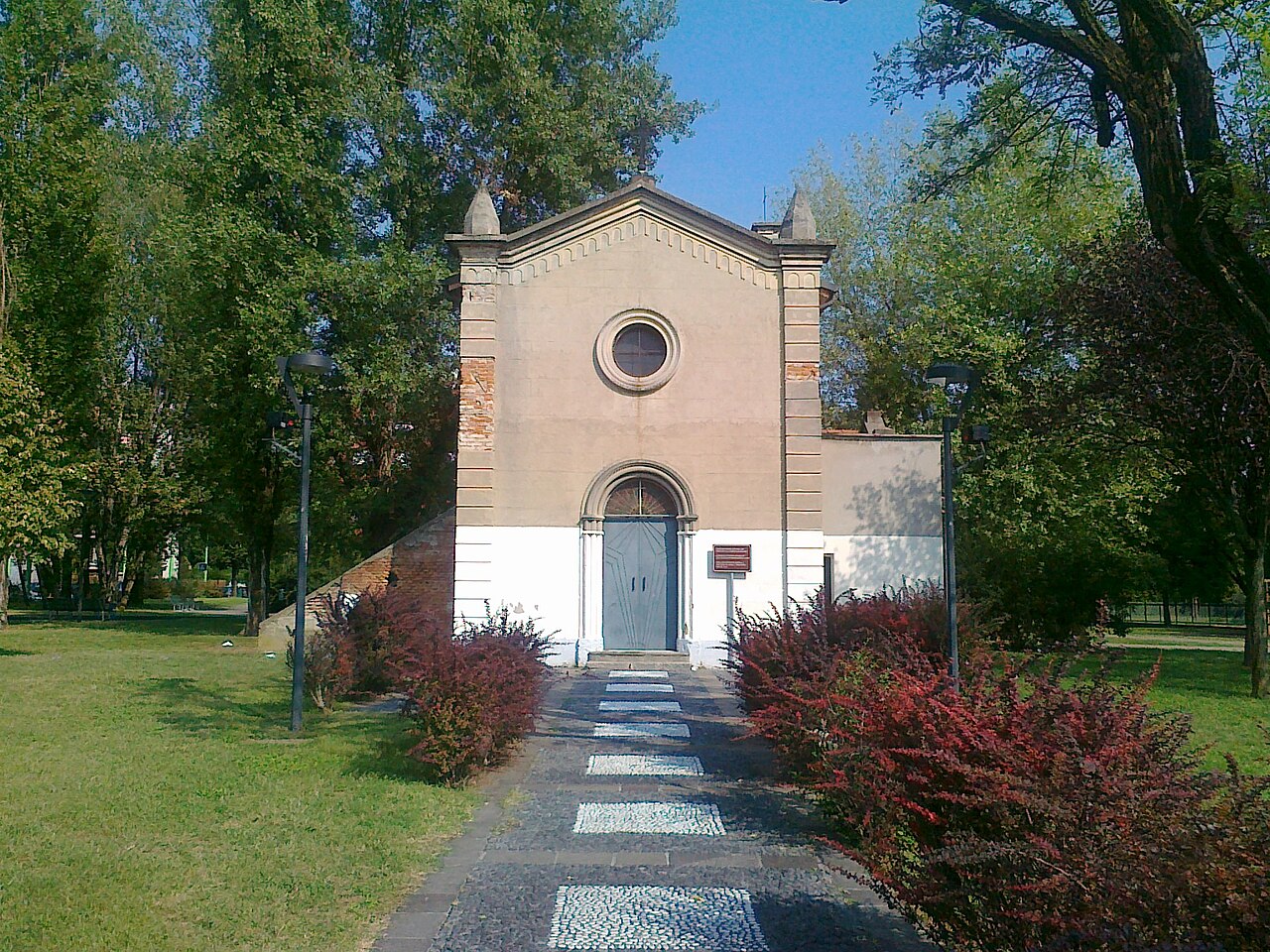
church Santa Maria Maddalena
- Notable · Heritage site
- Historic monument
Historic monument · Milan
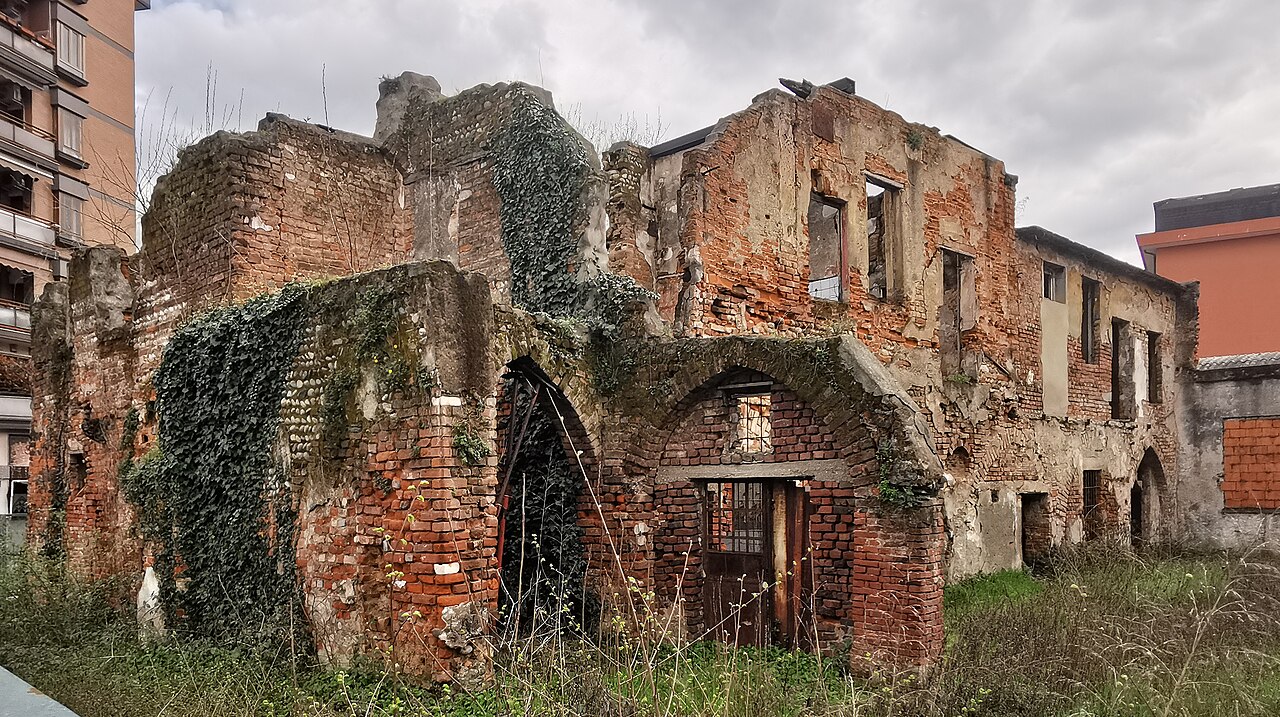
Monastero di San Nicolao
The Monastery of San Nicolao is a historic religious complex in Milan associated with Benedictine tradition. It represents the quieter side of the city’s ecclesiastical heritage, where religious institutions form part of the urban landscape alongside commercial streets and major cultural monuments. The monastery is suited to travelers interested in Milan’s sacred history and in places that sit outside the city’s most heavily visited circuit. Its significance is architectural and institutional: it helps broaden a Milan visit beyond the cathedral, headline churches and large museums. The Monastero di San Nicolao is a historic religious complex in Milan, associated with the Benedictine tradition. Its origins trace back centuries, reflecting the deep monastic heritage embedded in the city's urban fabric. The structure represents an important layer of Milan's ecclesiastical architecture, though it remains less prominent than the city's major cathedral or basilicas. Visitors encountering this site will find a building that speaks to Milan's broader narrative of religious foundations, charitable institutions, and the quiet persistence of monastic life alongside the city's commercial and cultural evolution.
Checked 2026-08-26 · Source
The monastery should be approached as a religious complex rather than as a museum with a guaranteed collection display. Historic monastic buildings are organised around functions of worship and community life, and the visitor experience may focus on the building’s atmosphere, architectural arrangement and relationship with its surroundings. No specific public art inventory is established here, so do not plan the visit around a named fresco, altarpiece or exhibition. If areas are open, move quietly and follow the boundaries separating visitor space from monastic life.
Checked 2026-08-26 · Source
A brief stop of roughly thirty minutes to one hour fits the monastery into a wider Milan itinerary. Use the shorter end of that range for an exterior view or a limited visit, and the longer end for slower attention to the religious setting and architectural details where access permits. The monastery does not need to dominate a full day. It works best as one quiet cultural stop among nearby churches, historic streets and other places connected with Milan’s religious history.
Checked 2026-08-26 · Source
Choose a daytime visit that leaves room for the rhythms of a functioning religious institution. A calm period supports observation of the architecture and helps you enter with the right level of discretion. Avoid building a tightly timed sequence around the monastery alone; religious activity can take priority over sightseeing. The site is most rewarding for travelers who are comfortable with a slower, quieter stop and who want to include a less prominent sacred place in their Milan route.
Checked 2026-08-26 · Source
The monastery is a religious complex rather than a standard Milan museum attraction. Plan the stop for its heritage and atmosphere, not around a conventional ticketed exhibition. If a contribution or special arrangement is requested at the site, follow the stated local practice. Keep the visit simple and avoid treating monastic space as a commercial attraction. Its place in an itinerary comes from the architectural and spiritual character of the complex, which can complement Milan’s better-known churches.
Checked 2026-08-26 · Source
The monastery is part of Milan’s connected urban fabric and is best approached as one stop within a city route. Use the mapped location for the final approach, then continue on foot through the surrounding streets. Milan’s metro, tram and bus network can bring travelers into the broader central area, while walking provides the clearest sense of how the monastery sits within the city. Leave time for the final pedestrian section and for a respectful arrival at a religious site.
Checked 2026-08-26 · Source
The monastery requires the manners of an active religious setting. Wear clothing suitable for entering a Catholic institution, keep conversations quiet and give priority to worshippers and residents. Historic floors, steps and narrow passages can make movement slower than in a modern museum. Do not enter areas marked for the community or treat cloisters and devotional spaces as ordinary photo locations. A restrained, attentive visit is more appropriate than a quick checklist stop among Milan’s major landmarks.
Checked 2026-08-26 · Source
Use particular discretion with photography at the Monastery of San Nicolao. Exterior views from public space are the simplest way to record the building. Inside, follow posted instructions and any direction from attendants or clergy, and never photograph worshippers or private monastic areas without permission. Turn off flash when permitted photography is indicated, and keep equipment compact so that circulation and prayer are not interrupted. The atmosphere of the monastery matters as much as the image you take.
Checked 2026-08-26 · Source
It is a historic religious complex in Milan associated with Benedictine tradition and the city’s wider sacred heritage.
Allow roughly thirty minutes to one hour, depending on whether your visit is exterior-focused or includes accessible interior areas.
It offers a quieter religious and architectural experience than Milan’s major cathedral and museum attractions.
Keep quiet, give priority to worshippers and residents, wear suitable clothing and remain within visitor areas.
Exterior photography from public space is the simplest option; inside, follow posted instructions and guidance from clergy or attendants.
Place it within a walking route connecting Milan’s historic streets, churches and other cultural sites rather than making it a full-day destination.
Loading the interactive map…
The interactive map could not be loaded.
Last updated:
Source: OpenStreetMap contributors, Wikidata ·