
2 min walk
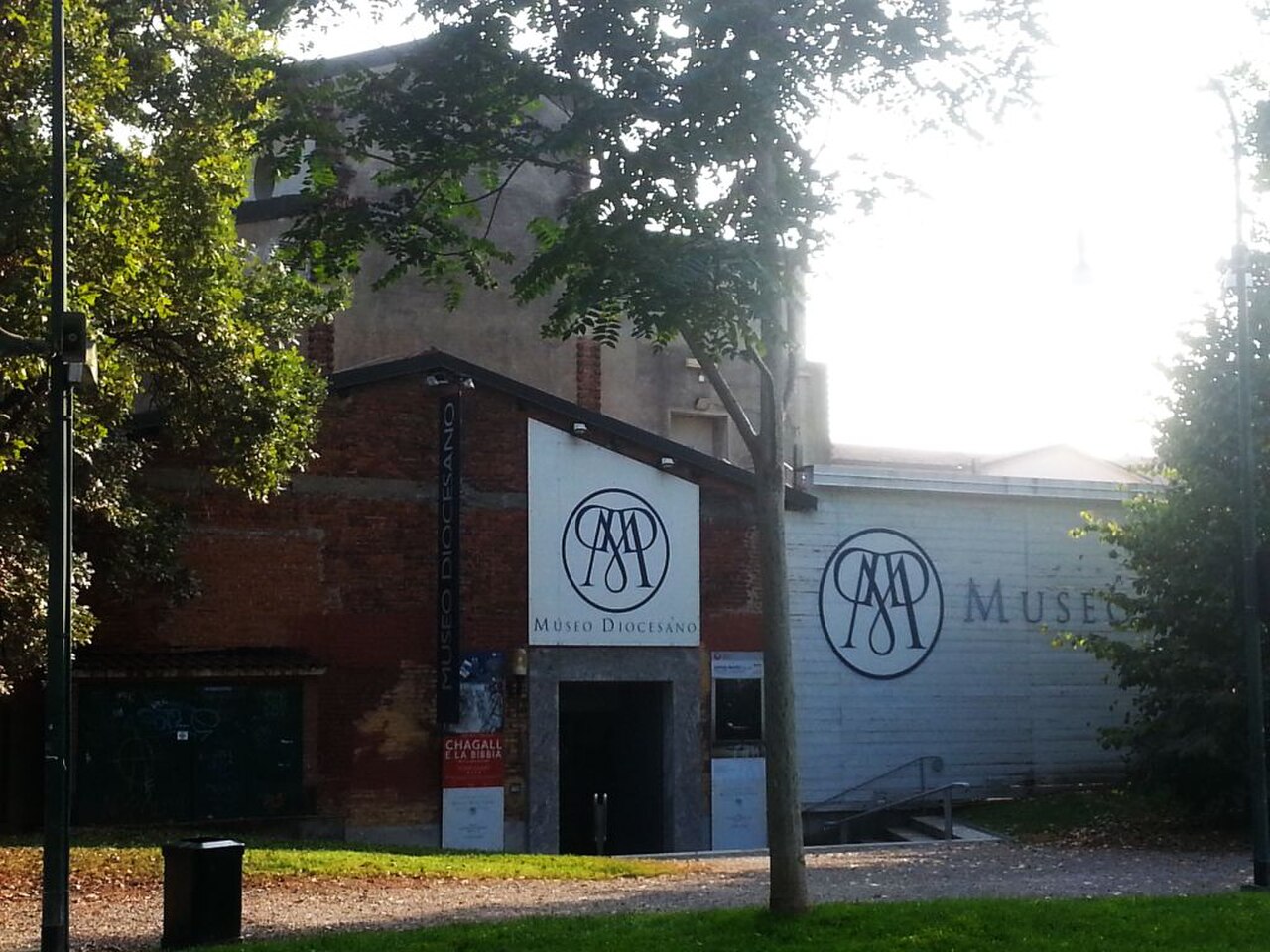
Diocesan Museum of Milan
- Must see · Heritage site
- Museum
Language · 11 published
Museum · Milan
Museo della basilica di Sant'Eustorgio
Reviewed by Elena Voss · Roavina Travel Editor
| Monday | Closed |
|---|---|
| Tuesday | 10:00 – 18:00 |
| Wednesday | 10:00 – 18:00 |
| Thursday | 10:00 – 18:00 |
| Friday | 10:00 – 18:00 |
| Saturday | 10:00 – 18:00 |
| Sunday | 10:00 – 18:00 |
Parsed from OpenStreetMap opening hours on 2026-09-09.
This place is a Museum. It carries the Italian national heritage heritage designation.
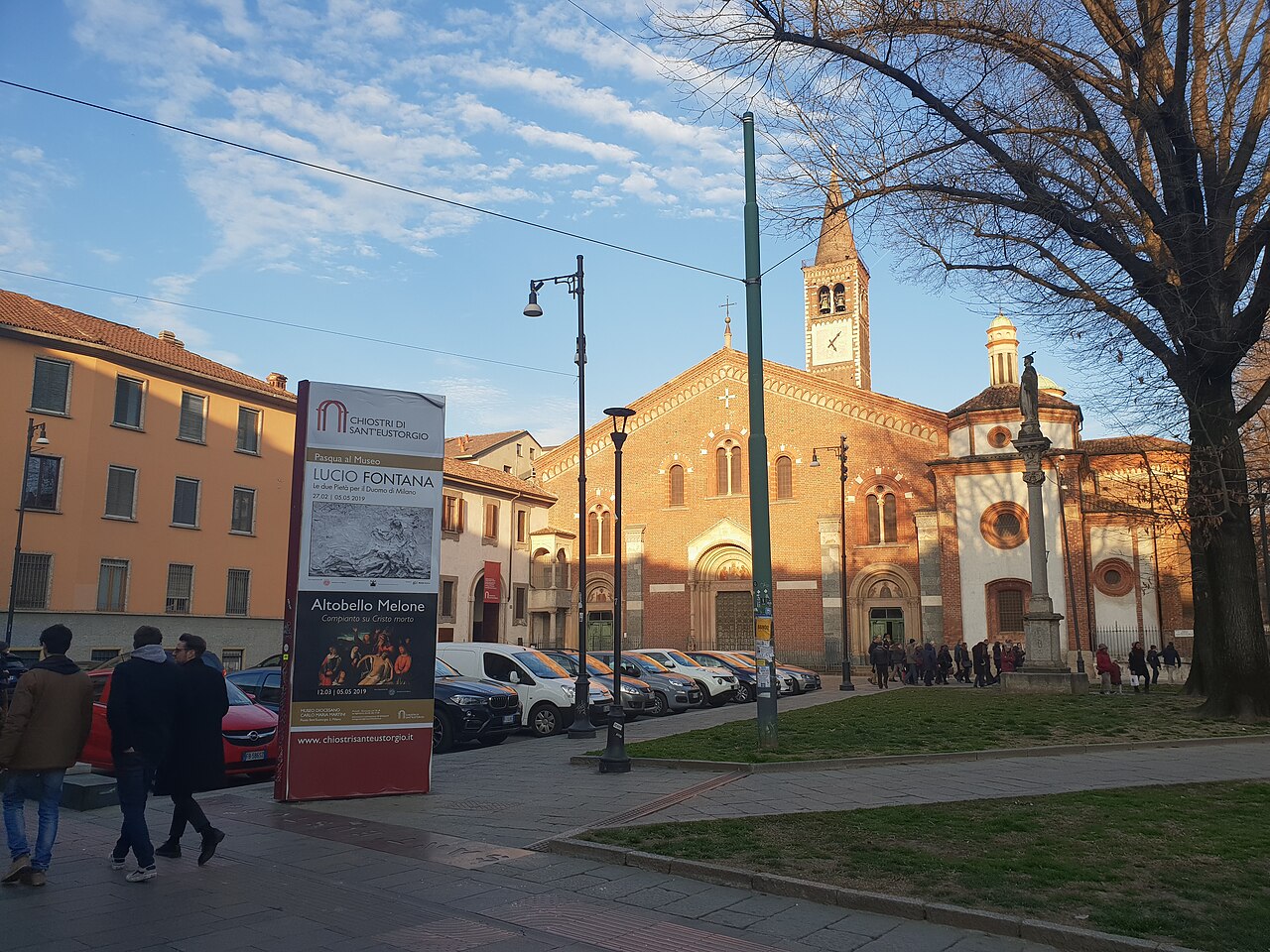
Museo di Sant'Eustorgio is housed within the Basilica di Sant'Eustorgio, one of Milan's important historic religious complexes. The visit joins a museum experience with the atmosphere and architecture of a functioning basilica, giving travelers a direct encounter with the city's ecclesiastical heritage. The site is traditionally associated with the Magi, and its long devotional history adds meaning to the artworks and spaces around it. It is a rewarding choice for visitors who want to understand Milan beyond the cathedral, especially those interested in medieval history, sacred art, and the way religious buildings shape an urban neighborhood.
Checked 2026-08-26 · Source
Inside, look for religious paintings, sculpture, decorative elements, archaeological remains, and architectural fragments connected with the basilica's long development. The Portinari Chapel is a principal highlight: Vincenzo Foppa's Renaissance frescoes give the complex a particularly strong artistic focus. Displays and surviving fabric help you read the building as more than a single period, with early Christian foundations, Romanesque elements, and later changes contributing to its present character. The traditional connection with the Magi gives the visit an additional historical thread. Move between museum displays, chapel, and architecture slowly enough to see how devotion, art, and the building's changing history meet.
Checked 2026-08-26 · Source
Allow roughly sixty to ninety minutes for a balanced visit to the museum and basilica complex. That gives you time to appreciate the displays, spend a meaningful pause with the Portinari Chapel frescoes, and notice the architectural layers without turning the experience into a hurried checklist. Travelers with a strong interest in Renaissance painting, medieval sacred art, or church history may want longer. The site also works well as one component of a central-Milan day: combine it with another cultural attraction or a walk toward the Navigli area, while keeping enough time for reflection in this historic setting.
Checked 2026-08-26 · Source
Plan this visit when you can give a functioning religious site the attention and respect it requires. Morning can provide a calmer atmosphere for looking at the art and architecture, while the indoor complex remains useful during hot weather or rain. Build some flexibility into the day because worship and cultural visits share the same setting. A visit pairs naturally with the Basilica di Sant'Ambrogio, central Milan, or a walk toward Navigli, but avoid treating the museum as a quick photo stop. The best moment is one in which you can pause over the Portinari Chapel, read the building's historical layers, and remain considerate of worshippers.
Checked 2026-08-26 · Source
Treat the museum and basilica as a connected cultural visit, while remembering that religious complexes can organize access differently for worship, general viewing, museum displays, and special spaces such as the Portinari Chapel. This guide does not provide a current fare or reservation arrangement, so keep your itinerary adaptable and allow time to understand the entrance process when you arrive. The artistic rewards justify making room for the site even on a day centered elsewhere in Milan. Plan your visit around the museum's character—sacred art, Renaissance painting, and architectural history—rather than around an assumed ticket combination.
Checked 2026-08-26 · Source
The basilica and museum stand in central Milan, within reach of the city's public-transport and walking network. The Sant'Ambrogio area and Corso di Porta Ticinese provide useful orientation points, while the surrounding streets make the site easy to combine with other central sights. A practical day can link Museo di Sant'Eustorgio with Basilica di Sant'Ambrogio, then continue toward the Navigli district. Use the mapped position for final navigation and leave time for the walk itself: Milan's historic center is part of the experience, with changing streetscapes between major monuments and smaller cultural sites.
Checked 2026-08-26 · Source
Dress and behave with the restraint appropriate to an active religious setting. Historic flooring, level changes, and the age of the building can affect how easily every visitor moves through the complex. Keep voices low, give worshippers space, and follow any directions that separate devotional areas from museum viewing. The Portinari Chapel and sacred objects deserve particular care. Build flexibility into your route because religious use can share the building with tourism. A considerate pace improves the experience for everyone and lets you notice details that a rapid circuit would miss.
Checked 2026-08-26 · Source
Let the basilica's religious purpose guide your photography. The Portinari Chapel, frescoes, relic-related spaces, and architectural details may be the images that stay with you, but image-making should never disturb prayer or other visitors. Follow posted directions and staff instructions, keep equipment discreet, and use the camera as a way to remember what you have already taken time to see. A quiet composition of the building's layers can be more meaningful than constant shooting. Treat sacred spaces with respect even when you are visiting primarily for art and history.
Checked 2026-08-26 · Source
The museum is housed within the Basilica di Sant'Eustorgio complex, so the visit combines curated sacred art with a functioning historic religious setting.
The Portinari Chapel and its notable Renaissance frescoes by Vincenzo Foppa are the principal artistic highlight of the complex.
It explores sacred art and the basilica's history through paintings, sculpture, decorative elements, archaeological remains, and architectural fragments.
Allow about sixty to ninety minutes for the museum, basilica, architecture, and Portinari Chapel, with extra time for a specialist interest in art or history.
The basilica is traditionally associated with the Magi, a historical and devotional thread that adds context to the museum and religious complex.
Dress and act respectfully, keep voices low, give worshippers space, and follow directions separating devotional areas from museum viewing.
Loading the interactive map…
The interactive map could not be loaded.

Last updated:
Source: OpenStreetMap contributors, Wikidata ·