
4 min walk
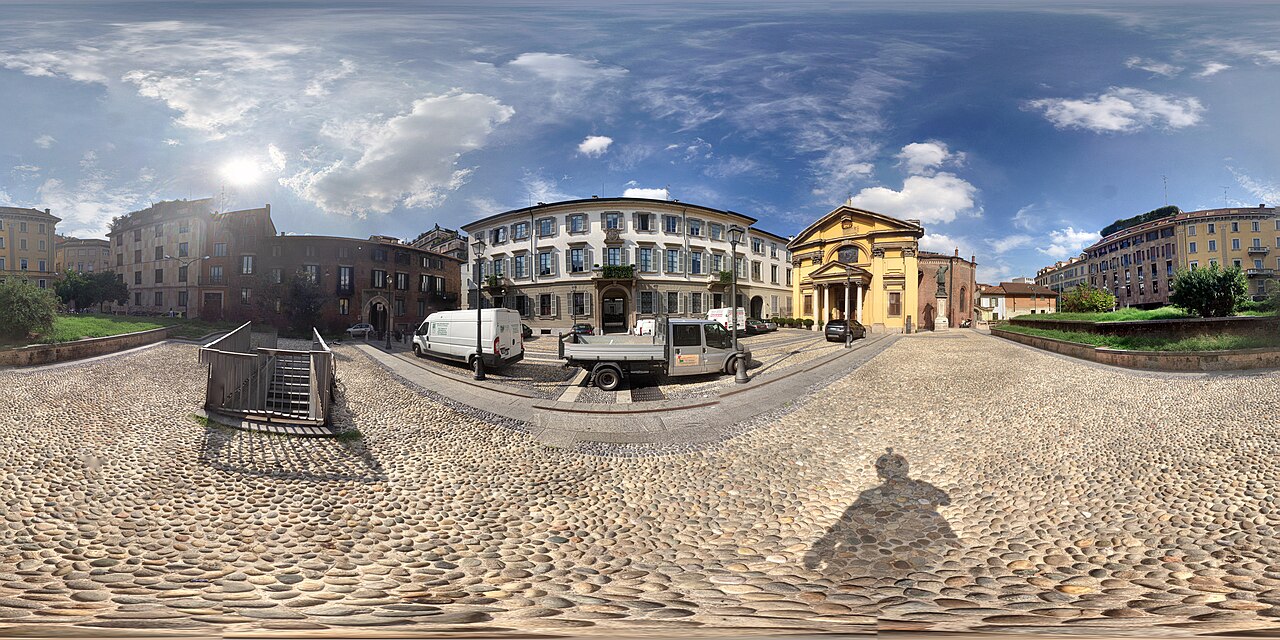
Palazzo Borromeo
- Must see · Heritage site
- Historic monument
Language · 11 published
Museum · Milan
Studio Museo Francesco Messina
Reviewed by Elena Voss · Roavina Travel Editor
| Monday | Closed |
|---|---|
| Tuesday | 10:00 – 17:30 |
| Wednesday | 10:00 – 17:30 |
| Thursday | 10:00 – 17:30 |
| Friday | 10:00 – 17:30 |
| Saturday | 10:00 – 17:30 |
| Sunday | 10:00 – 17:30 |
Parsed from OpenStreetMap opening hours on 2026-09-09.
This place is a Museum. It opened in 1974. It carries the Italian national heritage heritage designation.
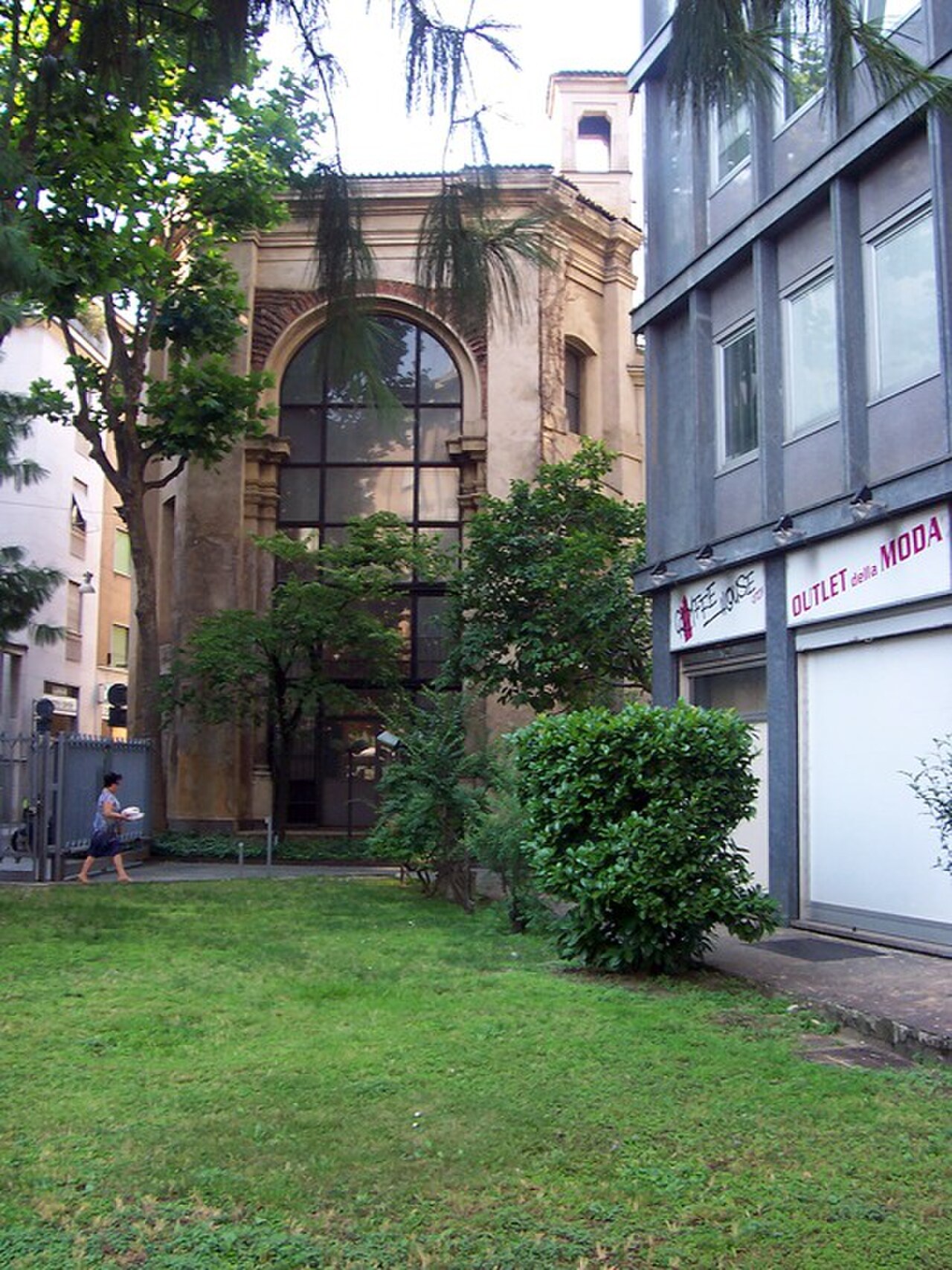
Museo Francesco Messina, also known as Studio Museo Francesco Messina, is a Milan museum devoted to the twentieth-century Italian sculptor Francesco Messina. The museum occupies the artist’s former studio, giving the visit a close connection with his working environment. It suits travellers interested in sculpture, artistic process, and quieter cultural stops in Milan’s city centre. The setting feels more intimate than a large civic museum and encourages visitors to look closely at the relationship between artworks and studio space. The Studio Museo Francesco Messina is a museum in Milan dedicated to the work of Francesco Messina, an Italian sculptor active in the twentieth century. The museum occupies a space that served as the artist's studio, preserving the atmosphere of a working sculptor's environment. It is situated in the city centre, accessible to visitors exploring Milan's cultural heritage. The institution maintains a connection to the artist's creative process through its presentation of works in their original setting, offering insight into studio practice rather than conventional gallery display. The museum's specialised focus on twentieth-century sculpture and quiet studio atmosphere may not engage younger children accustomed to interactive displays. Families should consider children's interest levels in art before visiting.
Checked 2026-08-26 · Source
The displays centre on Francesco Messina’s sculptures, including works in bronze and other materials. Visitors encounter figurative subjects such as female nudes and portraits, while the former studio retains tools, equipment, and the spatial character of an artist’s workplace. The compact surroundings make surface texture, modelling, posture, and material especially easy to study at close range. Rather than moving through broad thematic galleries, you spend the visit with a focused body of sculpture presented in the place where creative work took shape.
Checked 2026-08-26 · Source
Plan roughly thirty minutes to one hour for the museum. The studio is compact, so visitors can see the collection without a long route between rooms. Allow extra time if you enjoy comparing modelling techniques, studying bronze surfaces, or reading the work through Messina’s figurative subjects. The visit works well as a concentrated cultural pause between larger Milan attractions. Those who prefer a slow, contemplative pace can stay longer with individual sculptures and the preserved studio atmosphere.
Checked 2026-08-26 · Source
A morning visit can suit travellers who want a calmer encounter with the sculptures and the studio setting. An afternoon stop fits naturally into a day spent exploring Milan’s historic centre. Because the venue is intimate, the experience is best planned as a focused visit rather than a long museum half-day. Its central position also makes it practical to pair with other cultural sights on foot. Keep the visit unhurried so the original working environment remains part of what you notice.
Checked 2026-08-26 · Source
The museum is a specialist cultural stop rather than a large museum complex. Set aside time for the sculptures and the studio environment, and treat the visit as one focused element in a Milan cultural day. The intimate scale means the main value lies in direct observation of the works, their materials, and their setting. Travellers planning several attractions can place this museum between nearby stops without needing to reserve an entire day for it.
Checked 2026-08-26 · Source
Museo Francesco Messina is in central Milan and can be incorporated into journeys using the city’s metro, tram, and bus network. Travellers already exploring the historic centre may reach it as part of a walk between cultural sights. From Milan Central Station, use the ATM network to plan a connection toward the city centre, then continue on foot from the relevant stop. The museum’s urban location makes it suitable for a mixed walking-and-public-transport itinerary.
Checked 2026-08-26 · Source
This is a former working studio rather than a purpose-built modern gallery. The intimate layout is part of its character, but it also means the visit is close and relatively compact. Take time to look at sculptures from different angles without blocking narrow areas or disturbing other visitors. The studio atmosphere rewards attentive observation more than a quick checklist approach. Visitors who need specific mobility arrangements should factor the historic studio setting into their planning.
Checked 2026-08-26 · Source
The studio’s small scale makes considerate photography especially important. Look for the museum’s posted instructions and keep equipment clear of passageways. The sculptures invite close study of texture, modelling, and bronze surfaces, so pause before taking pictures and give other visitors room to view the works. A quiet approach suits the atmosphere of the former studio. The preserved working environment is itself part of the visual experience, alongside the individual sculptures and portraits.
Checked 2026-08-26 · Source
It is a Milan museum dedicated to twentieth-century Italian sculptor Francesco Messina and housed in his former studio.
The collection includes Francesco Messina’s sculptures, including bronze works, figurative pieces, female nudes, and portraits, presented in the former studio.
Most visitors can plan around thirty minutes to one hour, with additional time useful for close study of the sculptures and studio setting.
Yes. Its central Milan location makes it suitable for combining with other cultural sights in the historic centre.
The museum preserves the atmosphere of Francesco Messina’s working studio, so visitors see sculpture in the environment connected with his creative practice.
Look closely at the figurative subjects, bronze surfaces, modelling details, tools, and the way the sculptures relate to the preserved studio space.
Loading the interactive map…
The interactive map could not be loaded.

Last updated:
Source: OpenStreetMap contributors, Wikidata ·