
2 min walk
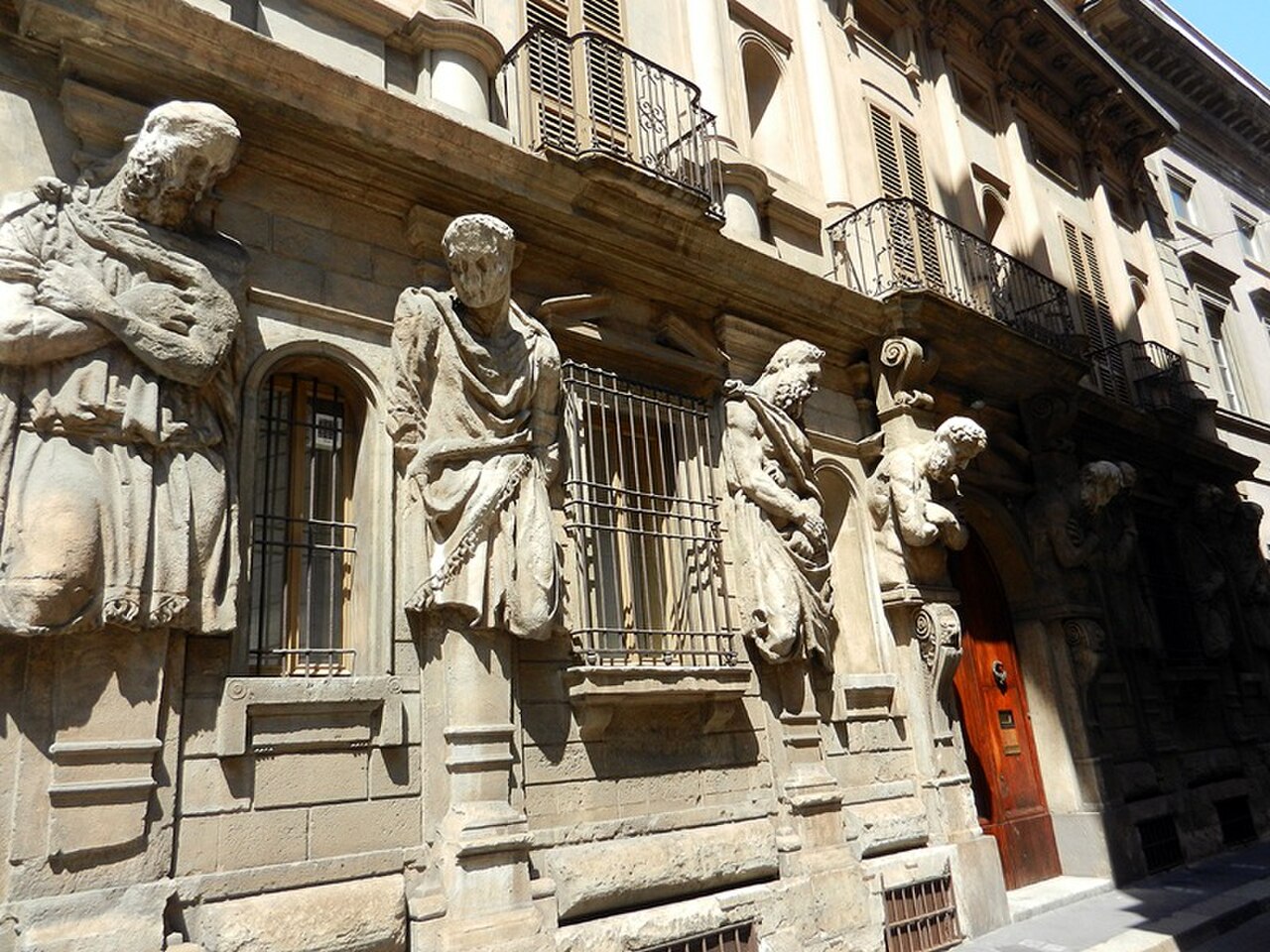
Casa degli Omenoni
- Must see · Heritage site
- Historic monument
Language · 11 published
Museum · Milan
Museo San fedele
Reviewed by Elena Voss · Roavina Travel Editor
| Monday | Closed |
|---|---|
| Tuesday | Closed |
| Wednesday | 14:00 – 18:00 |
| Thursday | 14:00 – 18:00 |
| Friday | 14:00 – 18:00 |
| Saturday | 14:00 – 18:00 |
| Sunday | 14:00 – 18:00 |
Parsed from OpenStreetMap opening hours on 2026-09-09.
This place is a Museum. It opened in 2014.
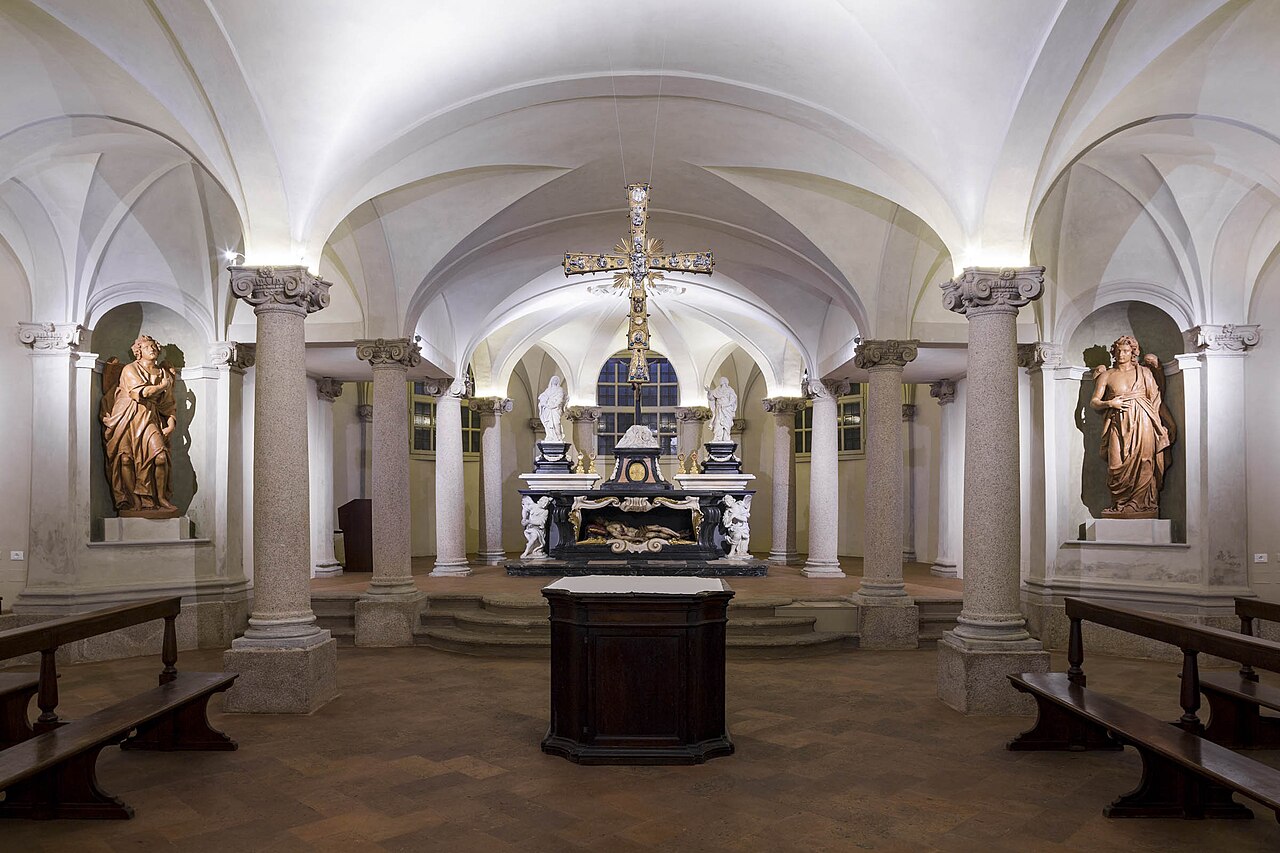
Museo San Fedele is a cultural museum within Milan’s historic San Fedele complex, beside the church of the same name. Its setting combines religious architecture with artistic display, giving the visit a quieter and more contemplative character than Milan’s large civic museums. The museum suits travelers interested in sacred art, historic interiors, and the relationship between faith and artistic life in the city centre. Museo San Fedele is a museum housed within the historic San Fedele complex in central Milan, associated with the adjacent church of the same name. The institution occupies a significant position in Milan's cultural landscape, situated in a building with deep historical roots. The museum forms part of the broader San Fedele cultural foundation, which encompasses religious, artistic and exhibition spaces. Its location places it within easy reach of Milan's primary commercial and cultural districts, making it accessible for visitors exploring the city's historic core.
Checked 2026-08-26 · Source
The museum presents sacred artworks and historical objects associated with San Fedele and its religious community. Paintings, sculpture, and decorative details are encountered in rooms shaped by the historic building. The appeal lies in seeing devotional works in their architectural and spiritual setting, rather than moving through a large chronological collection. Pairing the museum with the adjacent church creates a fuller understanding of the complex. The museum's collections focus on sacred art and historical artefacts connected to the San Fedele church and its religious community. Visitors encounter paintings, sculptures and decorative objects spanning multiple centuries of Milanese artistic production. The exhibition spaces utilise the historic architecture of the building itself, with rooms arranged to showcase works in context. The museum preserves items of devotional significance alongside pieces of broader artistic merit.
Checked 2026-08-26 · Source
Allow roughly forty-five minutes to ninety minutes for the museum, depending on how closely you study the artworks and historic surroundings. Visitors particularly interested in Milanese religious art may want the longer end of that range. If you also enter the church, leave additional time so the two parts of the complex do not feel rushed. The compact setting makes this a manageable stop in a central walking itinerary. A thorough visit to Museo San Fedele typically requires between forty-five minutes and ninety minutes, depending on individual interest in religious art and historical context. Visitors with specialist knowledge of sacred art or Milanese ecclesiastical history may wish to allocate additional time for detailed examination of individual works.
Checked 2026-08-26 · Source
San Fedele works well as a calm cultural pause during a day in central Milan. Build it into a route with nearby historic and commercial streets, and allow flexibility around religious activity in the complex. The central setting is convenient throughout the year, while quieter periods generally make it easier to appreciate the rooms and devotional atmosphere. Keep the visit respectful if worship or ceremonies are taking place.
Checked 2026-08-26 · Source
The museum is worth considering for travelers who want a small, focused cultural stop rather than another major Milan gallery. Its value comes from the combination of sacred art, historic surroundings, and the adjacent church. Plan the museum as part of a broader central itinerary so the visit remains rewarding even when your day already includes larger landmarks and longer gallery circuits.
Checked 2026-08-26 · Source
The museum stands in central Milan within practical walking range of the Duomo area. The surrounding streets are well connected to the city’s public transport network, and the historic centre is comfortable to explore on foot when linked with other landmarks. Use the San Fedele complex and its church as the visual destination, since the museum forms part of that setting rather than presenting itself as an isolated building.
Checked 2026-08-26 · Source
This is a religious and cultural setting, so quiet behaviour and suitable conduct matter. Keep clear of worshippers, ceremonies, and areas intended for prayer. Historic interiors can include stairs and constrained circulation, which may make movement less straightforward than in a modern museum. Large bags may be inconvenient in compact rooms. Give yourself time to notice the architecture as well as the individual artworks.
Checked 2026-08-26 · Source
Treat photography as secondary to the atmosphere of the San Fedele complex. Follow signs and staff directions, avoid flash, and do not photograph worshippers or ceremonies. The historic rooms and sacred artworks can be appreciated without extensive image-making, especially when the space is quiet. If you carry professional equipment, keep it unobtrusive and respect any restrictions applying to particular rooms or objects.
Checked 2026-08-26 · Source
It is a museum within the historic San Fedele complex, focused on sacred art and historical objects in a religious architectural setting.
The visit includes paintings, sculpture, decorative works, and devotional objects connected with San Fedele and its religious community.
Allow approximately forty-five to ninety minutes for the museum, with extra time if you also visit the adjacent church.
The museum is in central Milan, within walking range of the Duomo area and connected to the surrounding historic centre by public transport.
The museum and church occupy the same broader San Fedele complex, allowing travelers to experience sacred art alongside the religious setting that frames it.
Maintain quiet, respect worship and ceremonies, follow directions inside the historic rooms, and treat photography as a secondary activity.
Loading the interactive map…
The interactive map could not be loaded.

Last updated:
Source: OpenStreetMap contributors, Wikidata ·