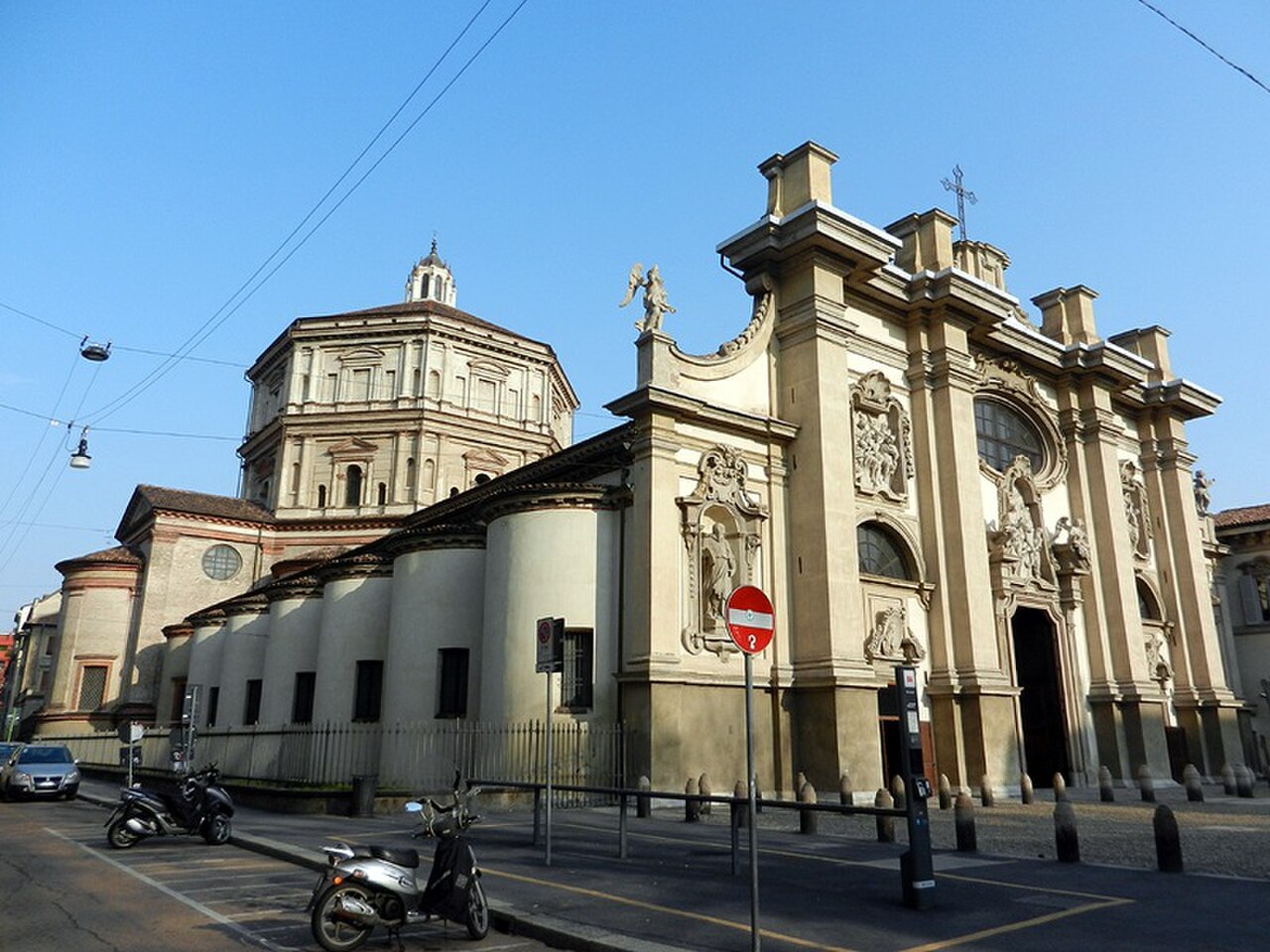
San Pietro in Gessate is a fifteenth-century Renaissance church in Milan’s Porta Vittoria area. The church represents Lombard religious architecture from the early Renaissance and remains part of the city’s living neighbourhood rather than a museum set apart from everyday worship. Its position near Milan’s historic city gates adds to the sense of layered urban history. Visitors come for the architectural space, religious atmosphere and accumulated artistic decoration. San Pietro in Gessate is a quieter alternative to Milan’s monumental cathedral experience, offering a more intimate place to encounter the city’s Renaissance heritage.
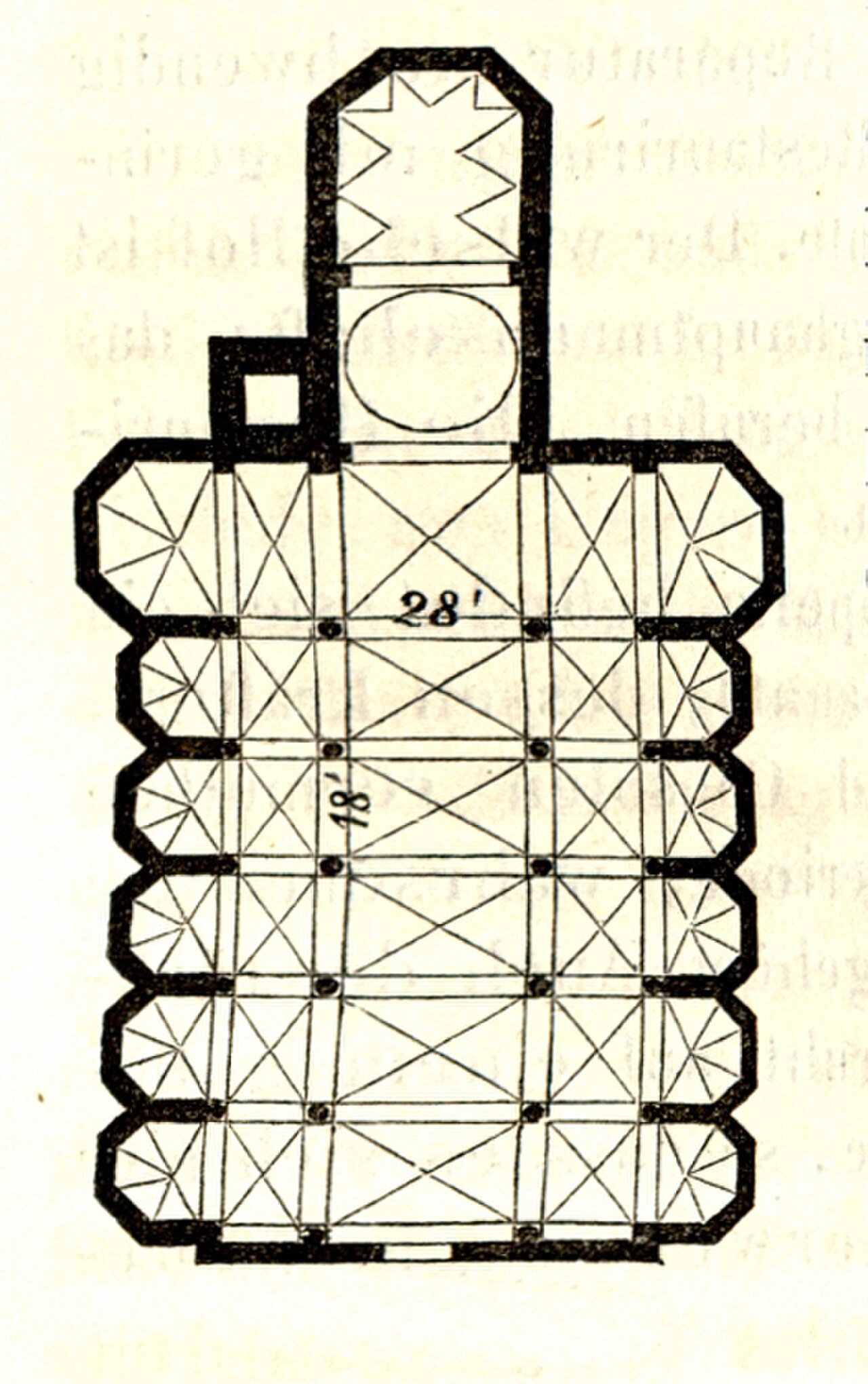
The interior follows a traditional longitudinal church plan, with a nave, chapels and altars carrying religious imagery. Paintings and decorative elements reflect the church’s Renaissance origins and later centuries of devotional use. The most important quality is the continuity of the interior: San Pietro in Gessate feels like an active place of worship with art and architecture shaped by repeated use, not like a gallery arranged for a single exhibition. Walk slowly through the nave and look at how the chapels, altars and decoration create a sequence of smaller spaces within the larger church.
Allow about 20 to 40 minutes for a respectful visit. That is enough time to enter the main space, move through the nave, notice the chapels and altars, and appreciate the Renaissance structure without turning the visit into a hurried glance. Visitors with a strong interest in religious art or Lombard architecture can stay longer. The church’s modest scale makes it easy to combine with other sights in the Porta Vittoria area. Time spent inside should remain flexible because worship and parish activity take priority over sightseeing.
Weekday mornings can provide a calmer setting for looking at the architecture and interior decoration. San Pietro in Gessate is an active parish church, so Masses, ceremonies and other religious activities shape when visitors can move around or observe quietly. Weekend visits require particular respect for worshippers and the service taking place. A visit is best planned as a flexible stop rather than a fixed museum appointment. The church’s religious function is part of its character: the most appropriate time is one that allows visitors to look without interrupting prayer or parish life.
San Pietro in Gessate is a functioning religious institution, not a commercial attraction built around a ticketed exhibition. Visitors seeking prayer or quiet observation should approach the church as a place of worship. The intimate Renaissance interior can be appreciated without the scale or formal museum route of Milan’s largest landmarks. A voluntary contribution may be appropriate where the church provides a collection point, but the central requirement is respectful behaviour rather than a sightseeing purchase. Special activities or organized visits would be separate from an ordinary church visit.
The church is in Milan’s Porta Vittoria area, within the central urban fabric and connected by bus and tram routes. Walking from the historic centre takes visitors through mixed residential and commercial streets. Metro stations require a walking connection, while Milan’s bike-sharing network provides another city option. Private-car access is less convenient because central traffic restrictions and limited parking can complicate the approach. San Pietro in Gessate works well as part of a walking route through the eastern centre, especially for travellers comparing the church’s intimate scale with Milan’s larger monuments.
San Pietro in Gessate serves a worshipping community, so silence, modest dress and restrained movement are important. Masses, ceremonies or parish activity can take precedence over sightseeing, and visitors should step aside when worshippers need the space. Keep belongings secure in the central city and take ordinary care on the surrounding streets. Interior access for visitors with mobility needs depends on the historic building and its entrance arrangement. Photography may be restricted inside; follow signs and ask permission when appropriate. The church is best experienced with patience and respect rather than as a place for rapid tourist circulation.
The exterior can be photographed from the public street, while interior photography should follow the church’s signs and the wishes of church authorities. Avoid flash because it can disturb worshippers and alter the quiet atmosphere of the space. A small camera or phone is more appropriate than bulky equipment in the nave and chapels. Look for the relationship between the longitudinal plan, side chapels, altars and accumulated decoration rather than treating one artwork as the entire subject. During services, put the camera away and let the religious function of San Pietro in Gessate take priority.
It is an active fifteenth-century Renaissance church in Milan’s Porta Vittoria area and an example of Lombard religious architecture.
What can visitors see inside the church?
The interior includes a nave, chapels, altars, religious imagery, paintings and decorative elements accumulated through centuries of worship.
How long does a visit take?
Allow approximately 20 to 40 minutes for a respectful look at the nave, chapels, altars and Renaissance architectural space.
How does the church differ from Milan Cathedral?
San Pietro in Gessate offers an intimate Renaissance church interior, while the Duomo presents a far larger and more monumental Gothic experience.
Can visitors attend Mass?
San Pietro in Gessate is an active church, and visitors may attend Catholic worship while observing silence, modest dress and the congregation’s need for space.
What should visitors remember inside the church?
Treat San Pietro in Gessate as a place of worship: keep quiet, dress modestly, follow photography instructions and give priority to religious services.