
8 min walk
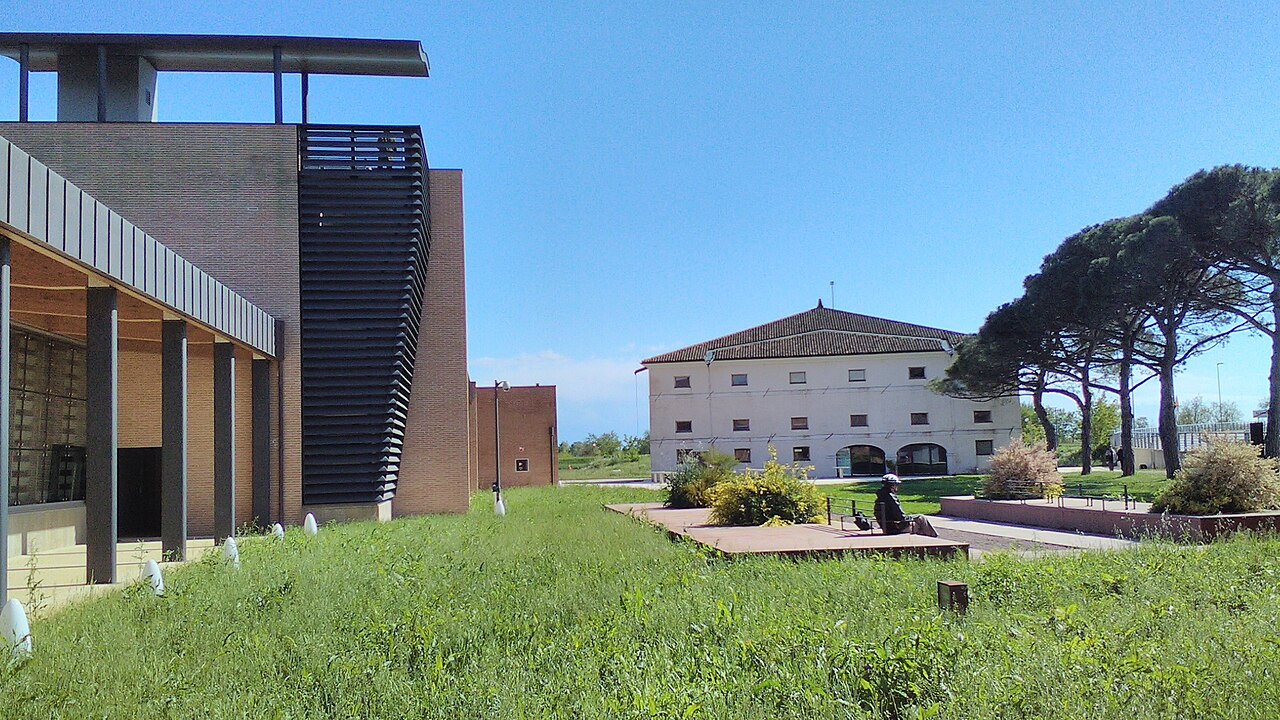
Museo Archeologico Nazionale di Altino
- Must see · Heritage site
- Museum
Language · 11 published
Historic monument · Venice
Altino
Reviewed by Elena Voss · Roavina Travel Editor
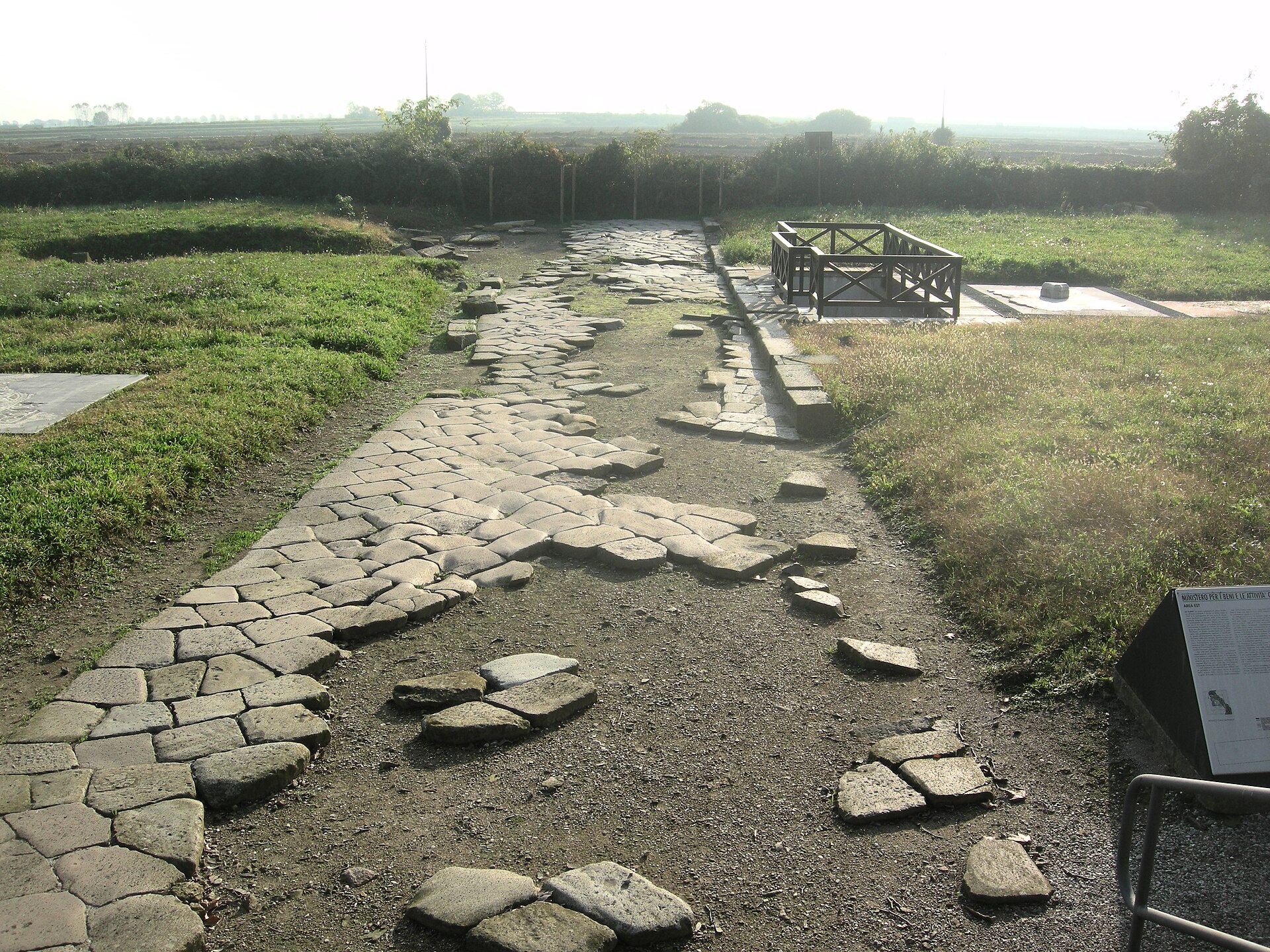
This place is a Archaeological site.
Altinum, also called Altino, is an ancient Roman settlement on the Venetian mainland near Venice. It was once a significant port city whose commercial and strategic importance connected it with Adriatic trade. The remains help travelers look beyond the later lagoon city and explore an earlier chapter of the region’s history. Altinum is particularly valuable for visitors interested in Roman archaeology, Venetian origins, and the relationship between a mainland settlement, its harbour, and the development of Venice. Altinum, known locally as Altino, is an ancient Roman archaeological site located on the Venetian mainland near Venice. Once a thriving port city of considerable strategic and commercial importance, it predates and influenced the maritime development of Venice itself. The site encompasses extensive buried remains of the Roman settlement, including traces of urban infrastructure, defensive works, and harbour installations that attest to its former significance in the Adriatic trade network. Yes. Altinum is the Latin name of the ancient Roman city, while Altino is the modern Italian local name for the same location.
Checked 2026-08-26 · Source
The archaeological area contains buried foundations and partial traces of Roman Altinum, including evidence of streets, buildings, defensive works, and port facilities. The National Archaeological Museum of Altino adds a more detailed indoor view through artefacts from the settlement and its surroundings. Combining the landscape with the museum gives the site greater meaning: the outdoor remains suggest the scale and organization of the Roman city, while the collection helps connect those traces with commerce, daily life, and local culture. The archaeological zone contains the buried foundations and partial remains of Roman Altinum, including evidence of streets, buildings, and port facilities. Visitors can observe the layout of this ancient settlement through visible ground traces and interpretation.
Checked 2026-08-26 · Source
Set aside roughly two to three hours for the archaeological area and the National Archaeological Museum of Altino together. The outdoor section rewards a steady walk with time to read and interpret the scattered evidence, while the museum deserves a separate period for its artefacts and historical context. With less time, choose the part that best matches your interests: the open landscape for spatial understanding or the museum for objects and explanation. Roman-history enthusiasts may comfortably stay longer.
Checked 2026-08-26 · Source
Spring and autumn are comfortable seasons for spending time outdoors among the archaeological remains, particularly when you want to walk slowly and study the landscape. Summer can feel demanding across exposed ground, so plan your outdoor time with protection from sun and heat. A visit works best when the museum and archaeological area can both be included without rushing between them. Altinum suits travelers who want a quieter historical excursion away from Venice’s most concentrated visitor routes.
Checked 2026-08-26 · Source
The archaeological area and the National Archaeological Museum of Altino are distinct parts of the visit, and their admission arrangements may be handled separately. Treat the museum and outdoor remains as a combined historical experience when organizing your day, while leaving practical flexibility around entry. The value of the stop comes from seeing both the physical traces and the objects that explain them.
Checked 2026-08-26 · Source
Altinum lies on the Venetian mainland near the modern settlement of Quarto d’Altino, rather than in Venice’s historic island center. Regional rail connections on the Venice–Trieste line serve the wider area, with a further local connection or walk needed for the archaeological zone. Drivers can approach through the mainland road network and the A4 corridor. Plan the final leg carefully because the site does not share the compact, walk-between-sights pattern of central Venice.
Checked 2026-08-26 · Source
Expect an archaeological landscape rather than a field of complete standing monuments. Uneven ground and exposed outdoor conditions make sturdy footwear, water, and protection from sun or changing weather useful choices. The outdoor remains can feel dispersed, while the museum provides the objects and interpretation needed to understand them. Give the two parts enough time to complement one another, and remember that museum access and outdoor access can follow different arrangements within the same excursion.
Checked 2026-08-26 · Source
The archaeological area offers photographs of open ground, traces of Roman urban organization, and the wider mainland landscape. The museum provides a different photographic subject through its artefacts and displays. Use the outdoor setting to show how much of Altinum is understood through partial remains rather than intact buildings. Indoors, follow the museum’s directions for cameras, flash, and equipment. A thoughtful sequence combining landscape and objects will tell the story more clearly than isolated detail shots.
Checked 2026-08-26 · Source
Yes. Altinum is the ancient Roman name, while Altino is the modern Italian name associated with the same location.
You can see archaeological traces of Roman streets, buildings, defensive works, and port facilities, together with artefacts in the National Archaeological Museum of Altino.
Altinum was an important Roman mainland port whose history helps explain the earlier regional setting from which Venice later developed.
Allow about two to three hours for the archaeological area and the National Archaeological Museum of Altino together.
Sturdy footwear, drinking water, and protection from sun or changing weather are useful for time spent in the exposed archaeological landscape.
Altinum is on the Venetian mainland near Quarto d’Altino, outside Venice’s historic island center.
Loading the interactive map…
The interactive map could not be loaded.
Last updated:
Source: OpenStreetMap contributors, Wikidata ·