


19 min walk
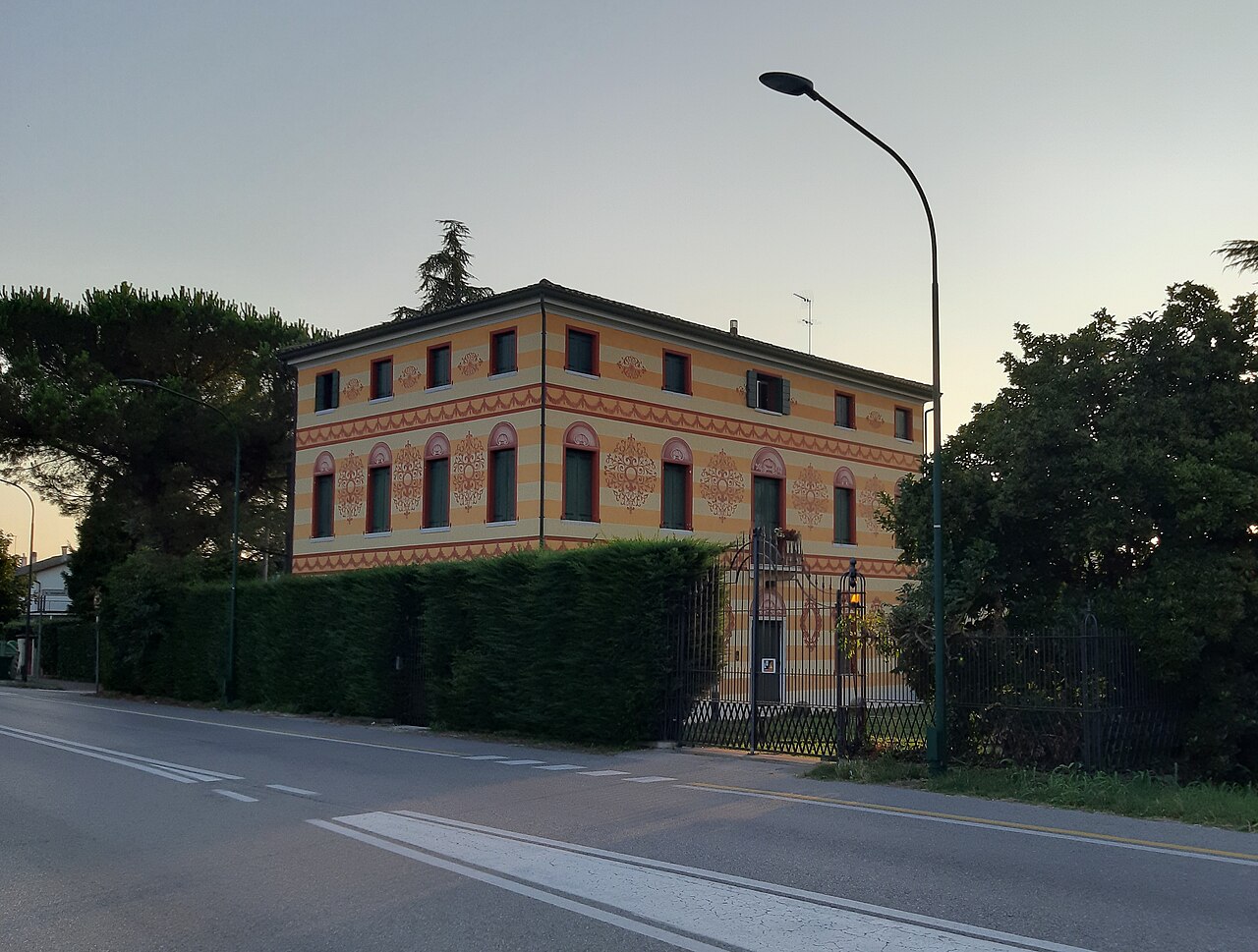
Villa Carlesso
- High
- Historic monument
Language · 11 published
Historic monument · Venice
Forte Mezzacapo
Reviewed by Elena Voss · Roavina Travel Editor
It was established in 1912. It carries the Italian national heritage heritage designation.
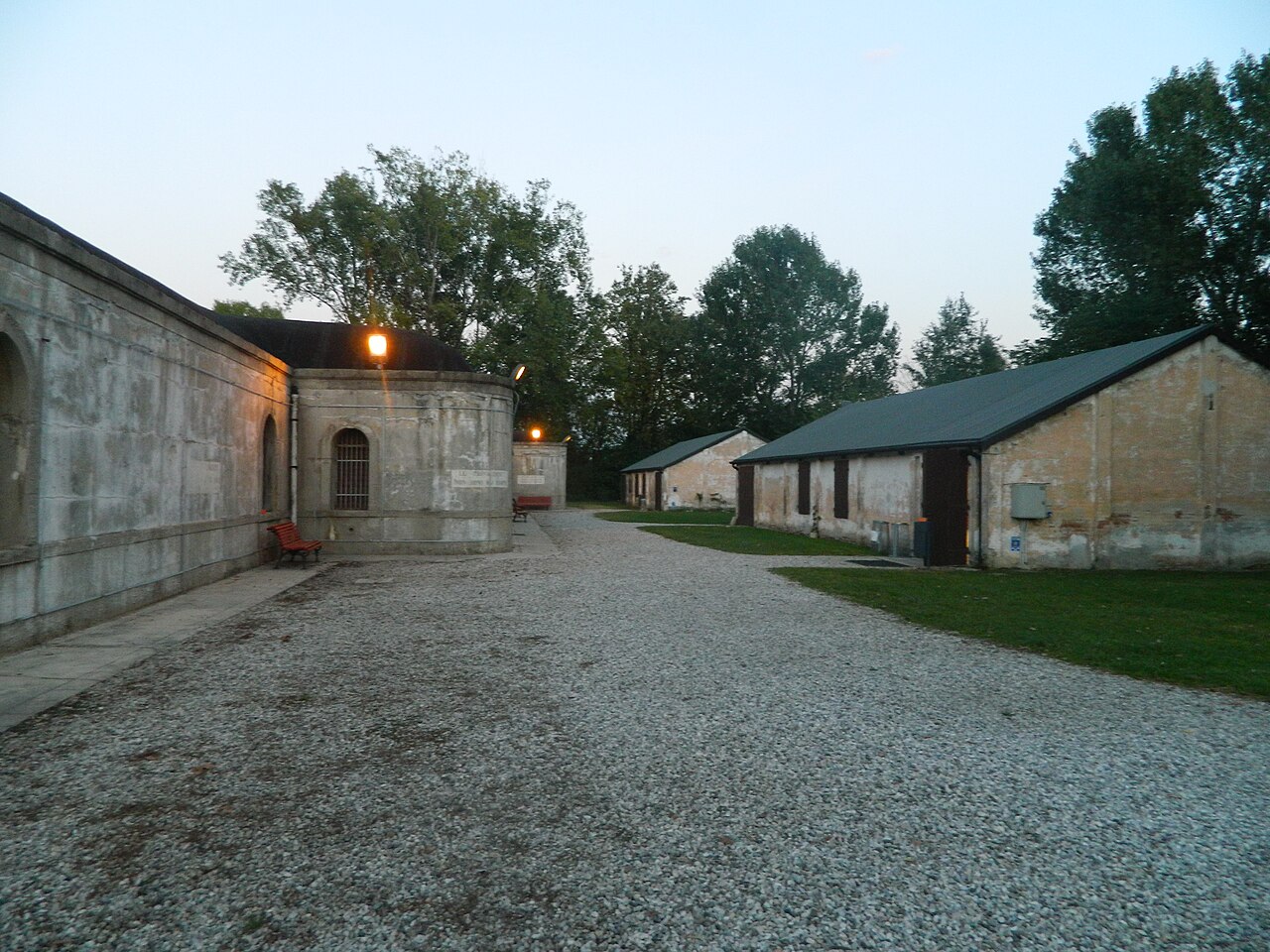
Fort Mezzacapo, or Forte Mezzacapo, is a historic military fortification connected with Venice’s wider defensive landscape. It represents the strategic architecture used to protect the lagoon and surrounding territory. The fort offers a different perspective on Venice from the churches and palaces of the historic centre, shifting attention towards military planning, maritime defence and the relationship between land and water. It suits travellers who want to explore the city’s broader heritage beyond the central island monuments. Fort Mezzacapo, known locally as Forte Mezzacapo, is a military fortification in Venice. The structure represents part of the historical defensive architecture that protected the Venetian lagoon and surrounding territories. As a ranked visitor place from the city's recognized attractions, it holds significance for those interested in military history and Venetian territorial defense systems. The fort stands as evidence of strategic planning across Venice's broader maritime domain. Visitors seeking historical depth beyond the central islands may find this site relevant to understanding regional fortification patterns. Its retention in the city fact pack indicates established visitor interest. Visitors should verify geographic placement before planning.
Checked 2026-08-26 · Source
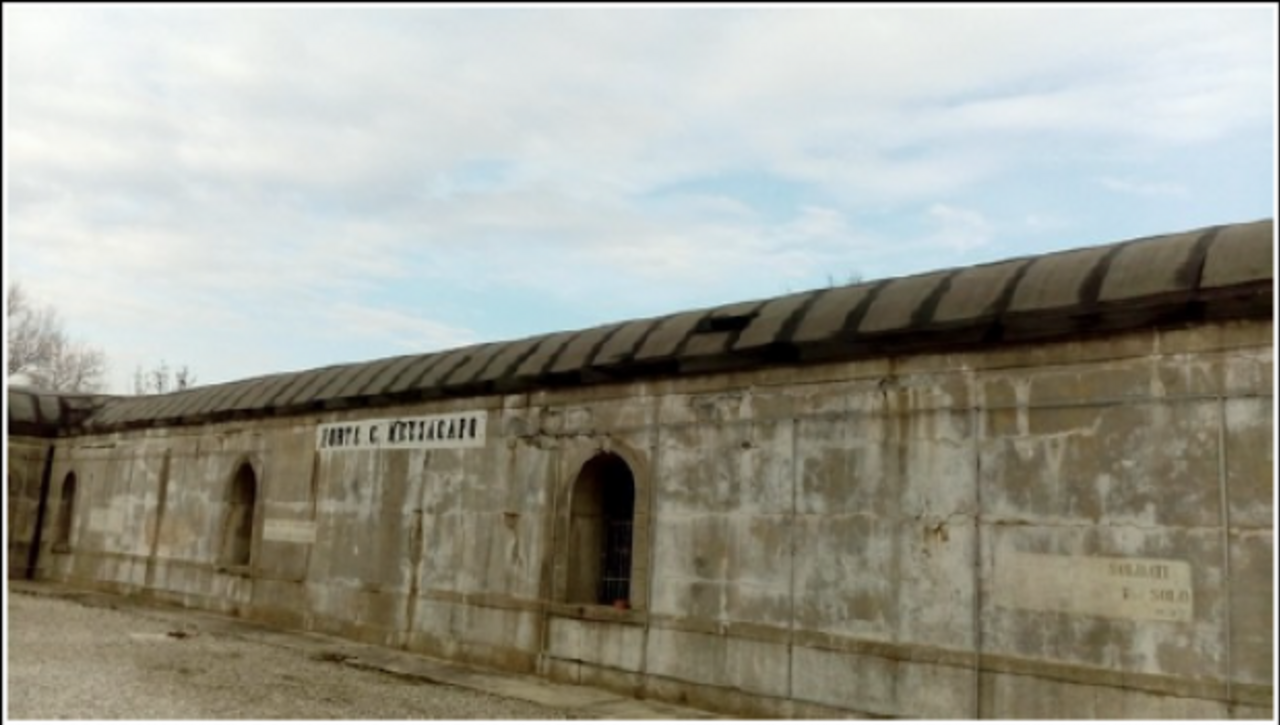
Fort Mezzacapo should be approached as military architecture rather than as a conventional art museum. Its significance lies in defensive construction, strategic placement and the way fortifications formed part of Venice’s lagoon protection. A visit can help connect the city’s maritime history with its surrounding territory. Focus on the structure’s defensive character and spatial relationship with the lagoon landscape, allowing the fort itself to provide the main historical experience. The source pointer to veneziaunica.it covers museums and churches broadly but does not detail this fort's contents.
Checked 2026-08-26 · Source
Give Fort Mezzacapo a dedicated stop within a wider excursion beyond central Venice. The time needed depends on how much of the fortification can be explored and how closely you want to study its defensive form. Military-history enthusiasts may spend longer examining walls, spaces and strategic relationships, while other visitors can use the fort as a focused heritage visit. Build the outing around the fort’s setting rather than treating it as a quick central-city landmark.
Checked 2026-08-26 · Source
The fort’s open military setting makes weather an important part of the experience. Choose a day when you are comfortable spending time around historic defensive structures and exposed outdoor areas. Morning light can help reveal the form of walls and the surrounding landscape, while quieter conditions may support closer observation. Include Fort Mezzacapo on a day devoted to Venice’s less central heritage, leaving enough flexibility for the journey and the character of the site.
Checked 2026-08-26 · Source
Treat Fort Mezzacapo as a specialist military-heritage stop and plan the outing around its fortification history. The attraction’s value is the connection between Venice, lagoon defence and strategic architecture. Keep your visit flexible and avoid building a tightly timed sequence around the fort. If you are visiting other cultural sites in Venice, consider this a separate excursion whose experience depends on the structure, its setting and the wider defensive landscape.
Checked 2026-08-26 · Source
Fort Mezzacapo lies beyond the core pedestrian sights of Venice, so plan a journey that connects the historic city with its wider lagoon and mainland setting. Public transport may involve more than one stage, followed by walking. Consult the current route map for the day of travel and allow time for the final approach. Comfortable footwear is useful because the fort’s value comes from reaching and exploring a military landscape rather than viewing it from a central square.
Checked 2026-08-26 · Source
Historic military structures can include uneven ground, worn masonry, narrow passages and exposed edges. Move carefully and remain within areas intended for visitors. Weather can change the comfort of an outdoor fort visit, so bring suitable clothing and sturdy shoes. The setting may have fewer services than central Venice; carry what you need for the excursion and keep the group together. Respect barriers and protected parts of the fort, since preservation is part of the visit.
Checked 2026-08-26 · Source
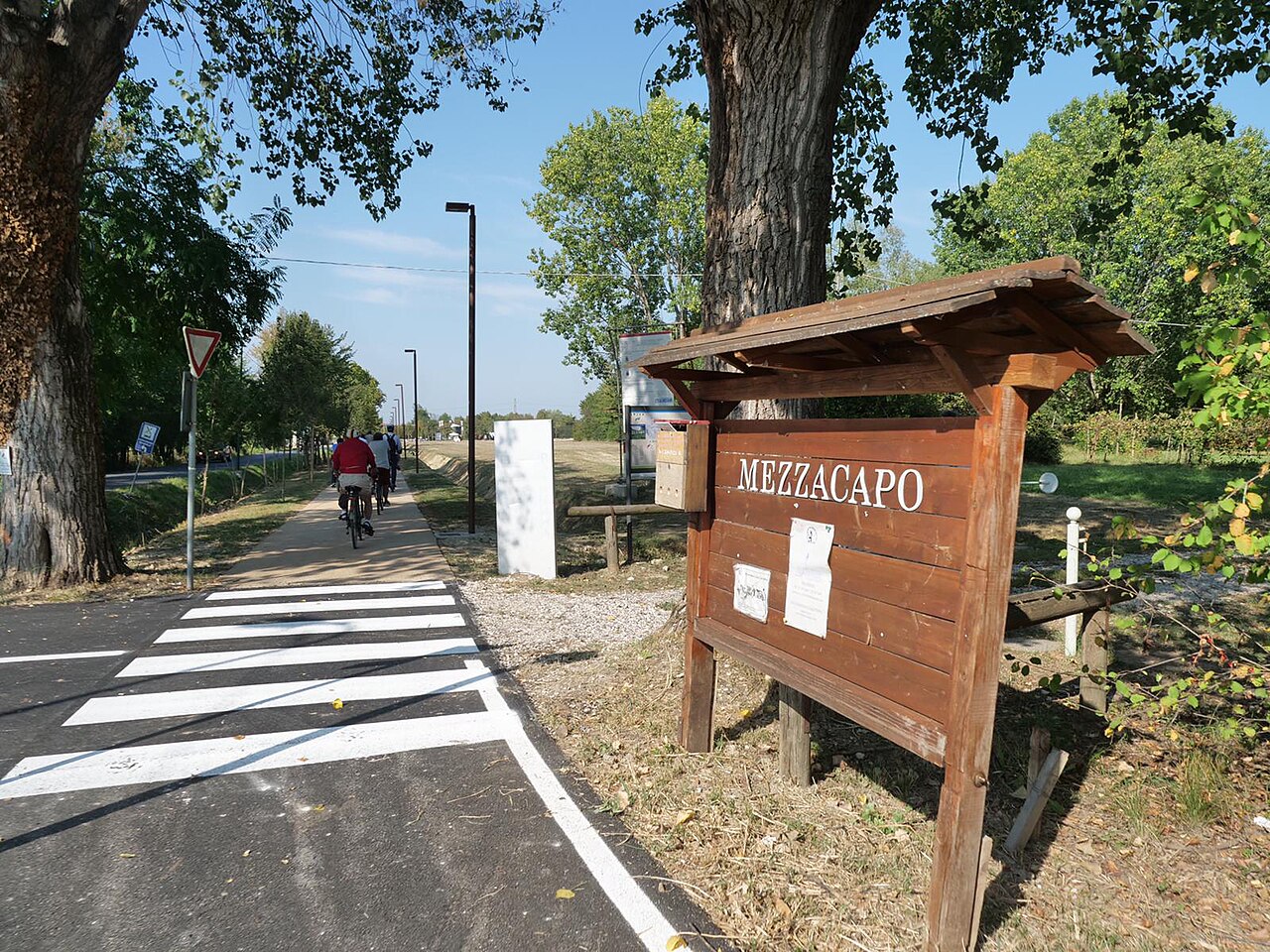
Fort Mezzacapo offers photographs centred on military form, defensive walls and the surrounding Venetian landscape. Look for compositions that show how the fort relates to the territory it helped defend rather than concentrating only on isolated details. Keep equipment compact around uneven ground and narrow spaces. Respect any restrictions within the site and avoid photographing people without permission. The fort’s architectural character works particularly well in images that include sky, open ground and the wider lagoon context.
Checked 2026-08-26 · Source
It is a historic military fortification connected with Venice’s lagoon defence and wider territorial protection.
The fort offers a military-history perspective on Venice, complementing the churches, palaces and canals of the historic centre.
Focus on its defensive architecture, strategic character and relationship with the lagoon landscape that formed part of Venice’s protection.
Make it part of a wider excursion beyond central Venice, allowing time for the journey, walking and careful observation of the fortification.
Choose sturdy, comfortable footwear and weather-appropriate clothing for uneven ground and exposed outdoor areas around a historic military site.
Its defensive form, historic masonry and connection with the surrounding Venetian landscape create strong subjects for architectural and contextual photographs.
Loading the interactive map…
The interactive map could not be loaded.
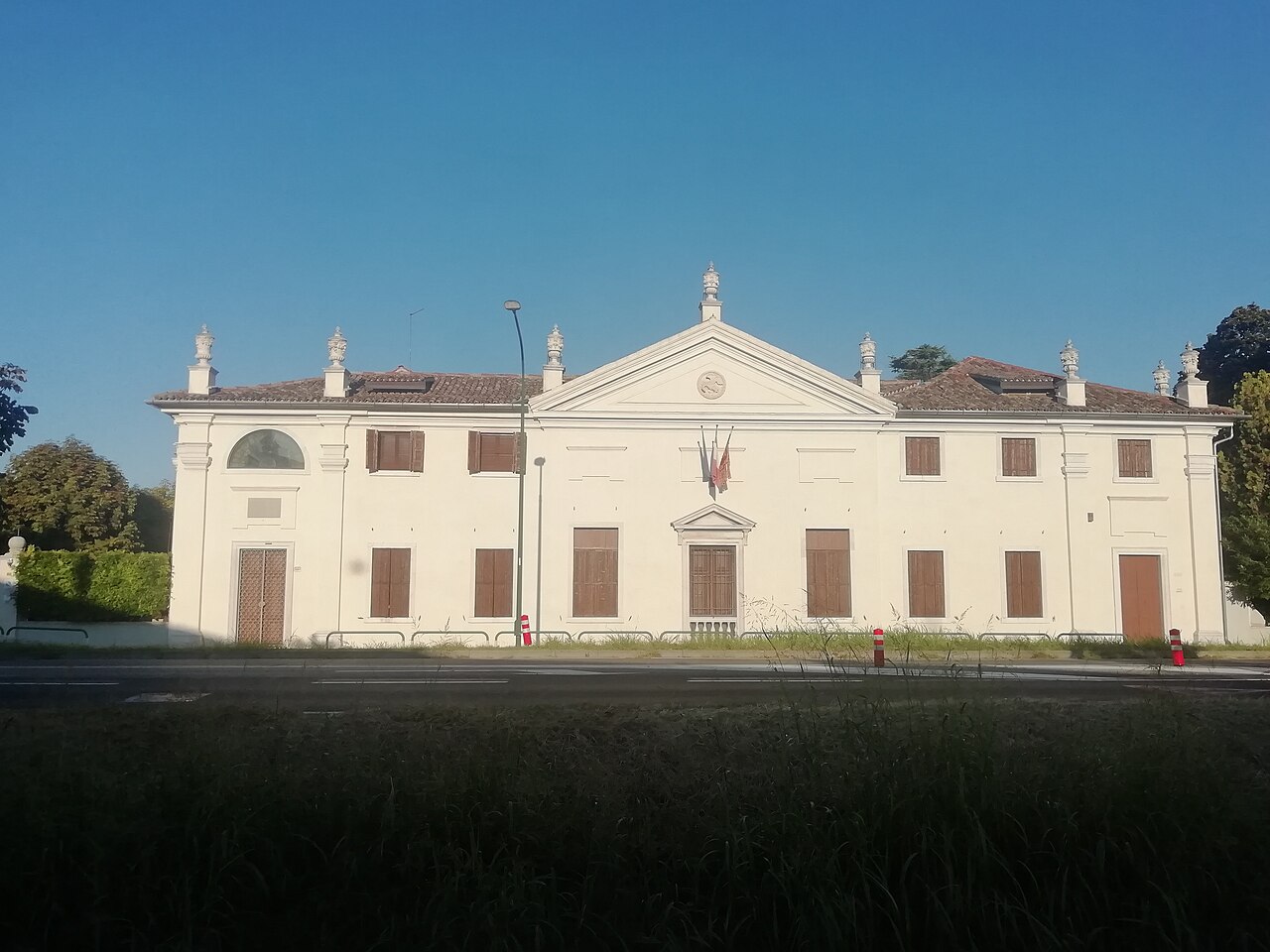
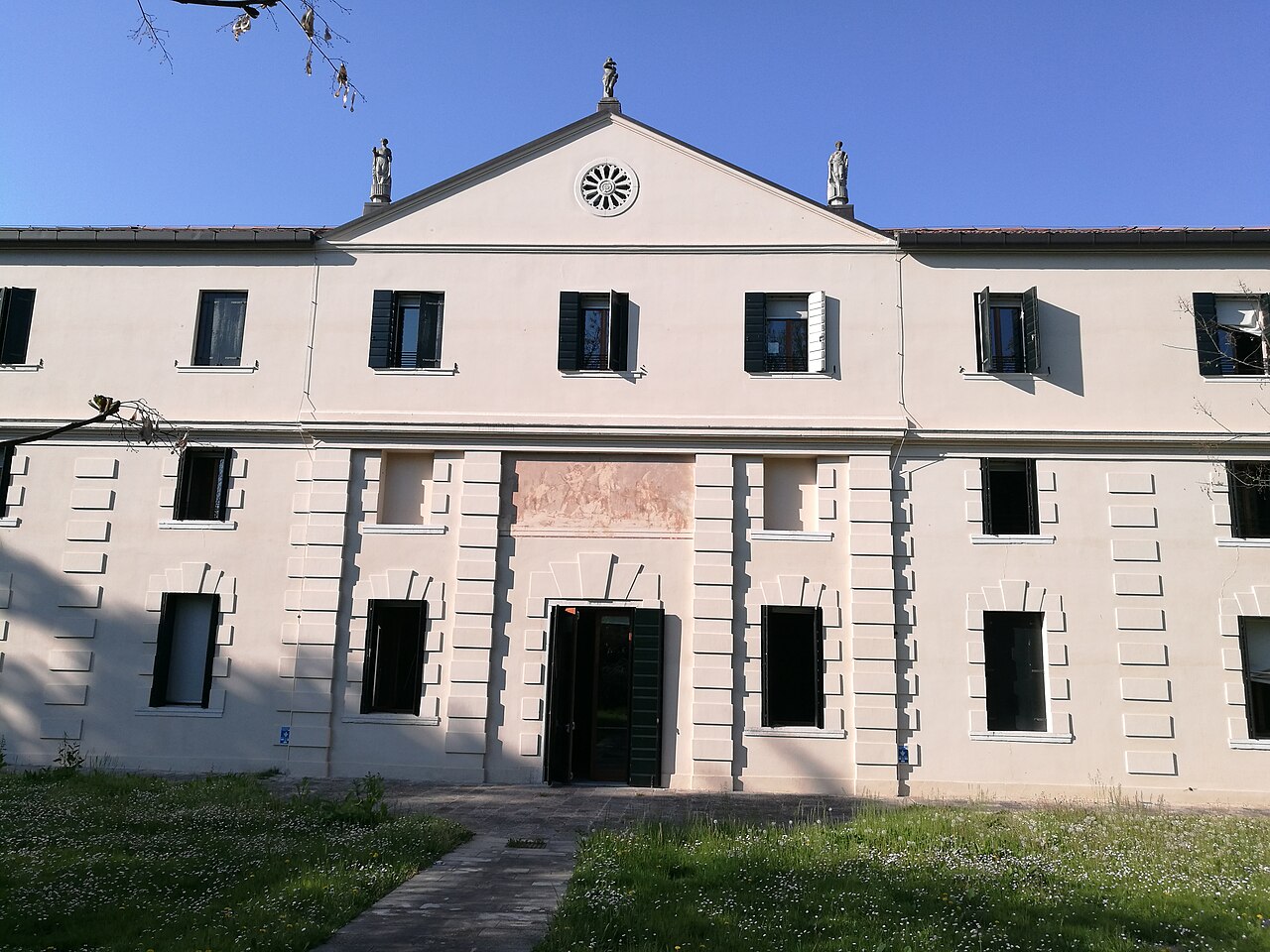
Last updated:
Source: OpenStreetMap contributors, Wikidata ·