
35 min walk
Villa Foscari
- Must see · Heritage site
- Historic monument
Language · 11 published
Historic monument · Venice
Forte Tron
Reviewed by Elena Voss · Roavina Travel Editor
It carries the Italian national heritage heritage designation.
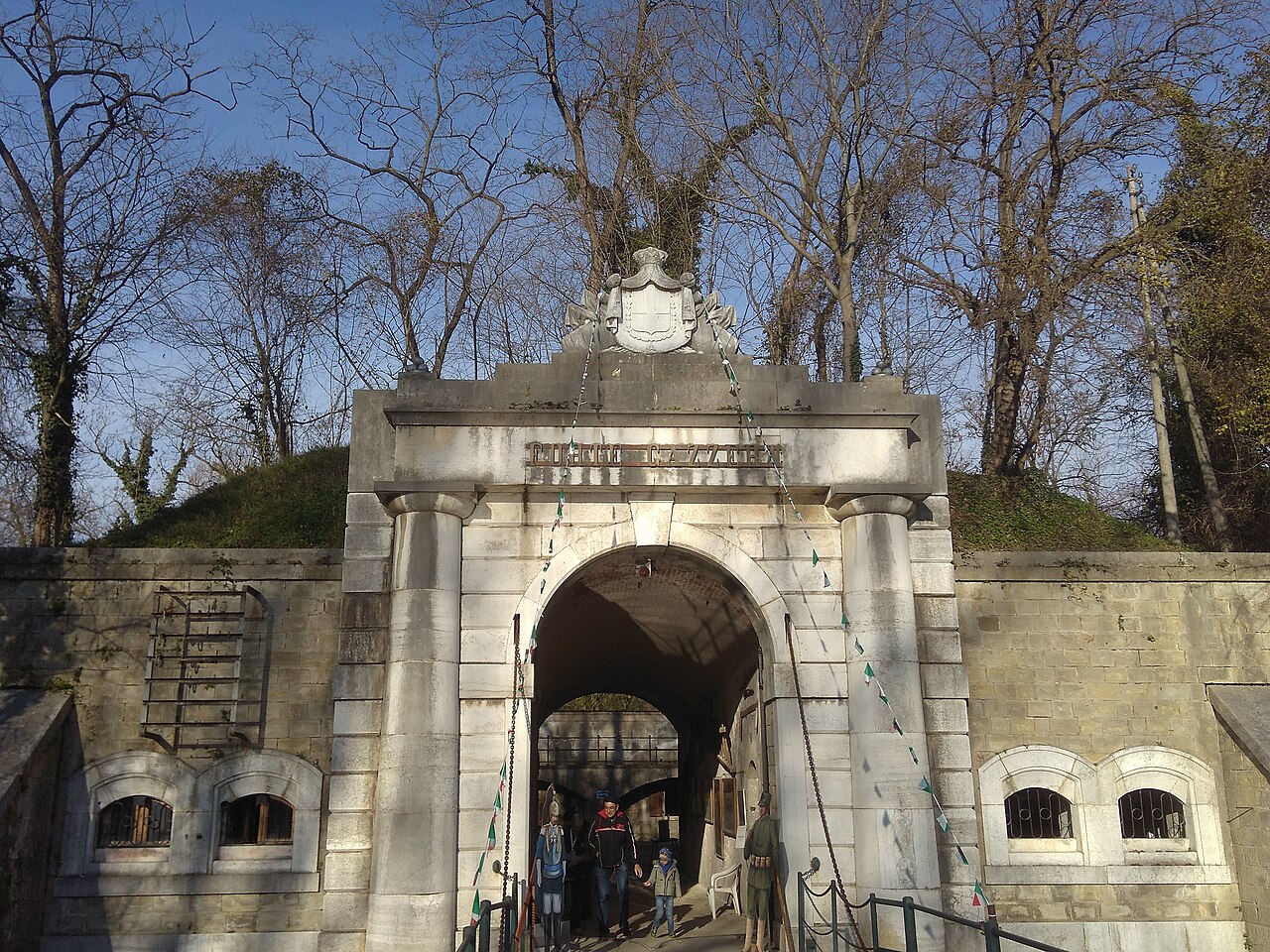
Fort Tron is a Venetian military fortification and a quieter historical counterpoint to the city's churches, palaces, and canals. Known locally as Forte Tron, it represents the defensive side of Venice's past and the strategic importance of the lagoon. The site suits travelers who enjoy architectural remains, military history, and places beyond the busiest landmarks. Its value lies in seeing how Venice's defensive needs shaped structures outside the familiar postcard itinerary. Treat the fort as a focused heritage stop within a wider exploration of Venice. Forte Tron is a historical fortification in Venice, known locally as Fort Tron. The structure represents part of Venice's defensive military architecture, reflecting the city's strategic importance in past centuries. Specific inclusion in pass schemes requires operator confirmation. Check veneziaunica.it or inquire directly.
Checked 2026-08-26 · Source
Fort Tron is a defensive structure rather than a conventional museum, church, or palace. The visitor experience centers on the fortification itself and its military architectural character. Look for the relationship between the building's mass, defensive purpose, and the surrounding Venetian setting. The supplied guide does not establish a named exhibition, furnished suite, or collection inside the fort, so plan around the visible structure and its exterior character. Travelers interested in historic engineering will find the building more rewarding when viewed as part of Venice's wider defense system.
Checked 2026-08-26 · Source
Allow about thirty to sixty minutes for Fort Tron. That span gives enough time to examine the fortification, notice construction details, and take photographs without rushing. A shorter stop works when the fort is one element of a longer walking route, while travelers deeply interested in Venetian military architecture may stay toward the longer end. The compact scale of the visit makes Fort Tron easier to combine with other sights than with a separate full-day plan. Leave additional time for reaching the site through Venice's intricate urban layout.
Checked 2026-08-26 · Source
Spring and autumn offer comfortable seasons for exploring Fort Tron, with conditions that are generally easier for walking than the hottest summer days. Morning light can bring out texture in the fort's stone surfaces and may make a quieter photographic visit possible. Late afternoon also suits exterior observation. Winter can provide a calmer atmosphere, but wet weather may make approaches less comfortable. Plan the stop during daylight so architectural features are easier to read, especially if your visit focuses on the fort's exterior form.
Checked 2026-08-26 · Source
The supplied guide does not establish a confirmed admission charge or a named ticket arrangement for Fort Tron. Plan the visit around the fortification as a historical place rather than around a museum ticket. Venice's wider cultural-ticket systems do not provide a confirmed inclusion here in the available guide. If you are building a paid-sight itinerary, keep Fort Tron separate from your ticket calculations. Its strongest role is as a military-heritage stop that adds variety to a day otherwise centered on canals, churches, and palaces.
Checked 2026-08-26 · Source
Reach Fort Tron through Venice's pedestrian network and connect the approach with the city's vaporetto system where useful. Central Venice requires walking rather than driving, and the final approach may involve narrow lanes, bridges, and uneven paving. Use both names, Fort Tron and Forte Tron, when orienting yourself or asking for directions. The city's layout rewards generous navigation time, particularly when changing from a waterbus stop to a lesser-known historical site. A map is useful because the route may be less obvious than the path to major monuments.
Checked 2026-08-26 · Source
Wear shoes suitable for Venice's uneven paving and historic pedestrian routes. Fortifications may have older surfaces and fewer modern comforts than purpose-built visitor attractions, so move carefully and follow any signs or barriers. Lagoon weather can change quickly; protection from rain and wind is useful. High-water conditions can affect low-lying approaches in Venice. The guide does not list dedicated toilets, refreshments, or accessibility features at Fort Tron, so make this a self-contained short stop and plan personal needs before setting out.
Checked 2026-08-26 · Source
Fort Tron offers a subject different from Venice's usual canal and church photographs. Use angled morning or late-afternoon light to emphasize stone texture, defensive massing, and the fort's relationship with the surrounding city. A wide composition can place the structure in its Venetian context, while closer frames can isolate masonry and architectural details. If interior areas are accessible, respect any restrictions and avoid intrusive equipment. Photograph from public areas, keep routes clear, and let the fort's restrained military character guide a quieter visual approach.
Checked 2026-08-26 · Source
Fort Tron is a historic Venetian fortification focused on military architecture and the city's defensive past.
Allow roughly thirty to sixty minutes to examine the fortification and take photographs.
The local Italian name is Forte Tron.
Yes. Its compact visit suits a wider walking route through Venice's historic and defensive heritage.
Focus on the fort's stone surfaces, defensive form, and relationship with the Venetian urban landscape.
Spring and autumn are comfortable seasons for walking and exploring the fort's exterior.
Loading the interactive map…
The interactive map could not be loaded.
Last updated:
Source: OpenStreetMap contributors, Wikidata ·