
.jpg)
.jpg)
.jpg)

.jpg)
1 min walk
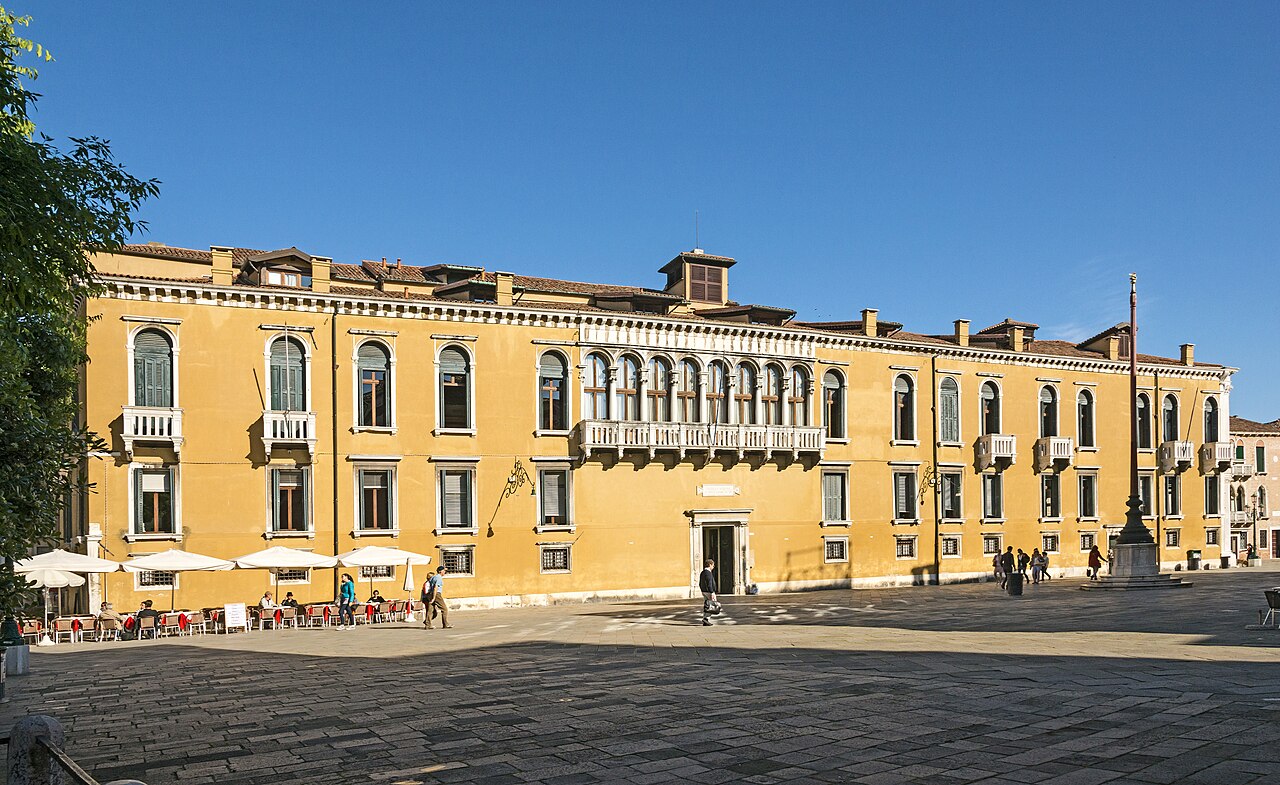
Palazzo Loredan Cini
- Must see
- Museum
Language · 11 published
Historic monument · Venice
Reviewed by Elena Voss · Roavina Travel Editor
This place is a Attraction. It was built in the Renaissance architecture style.
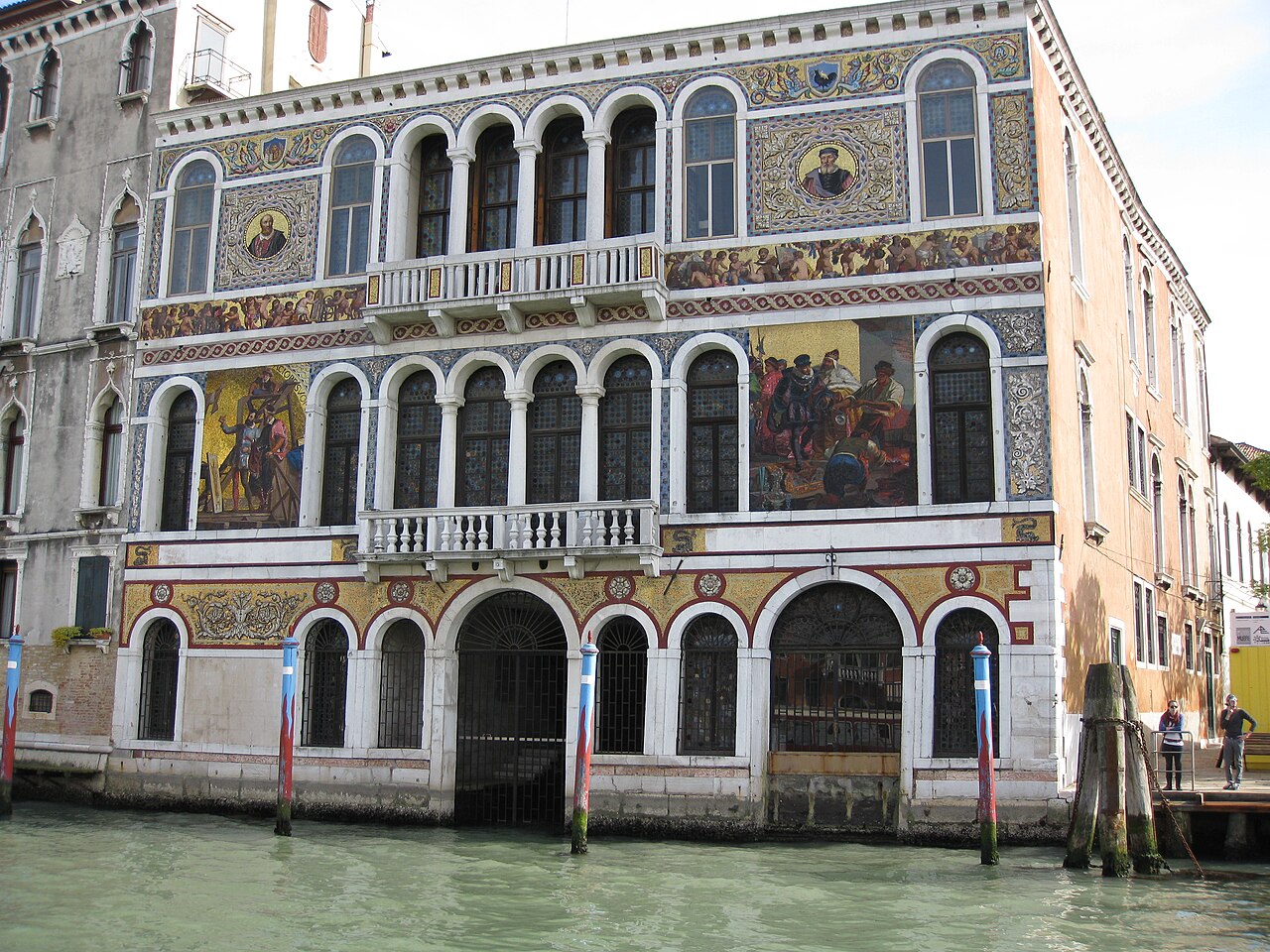
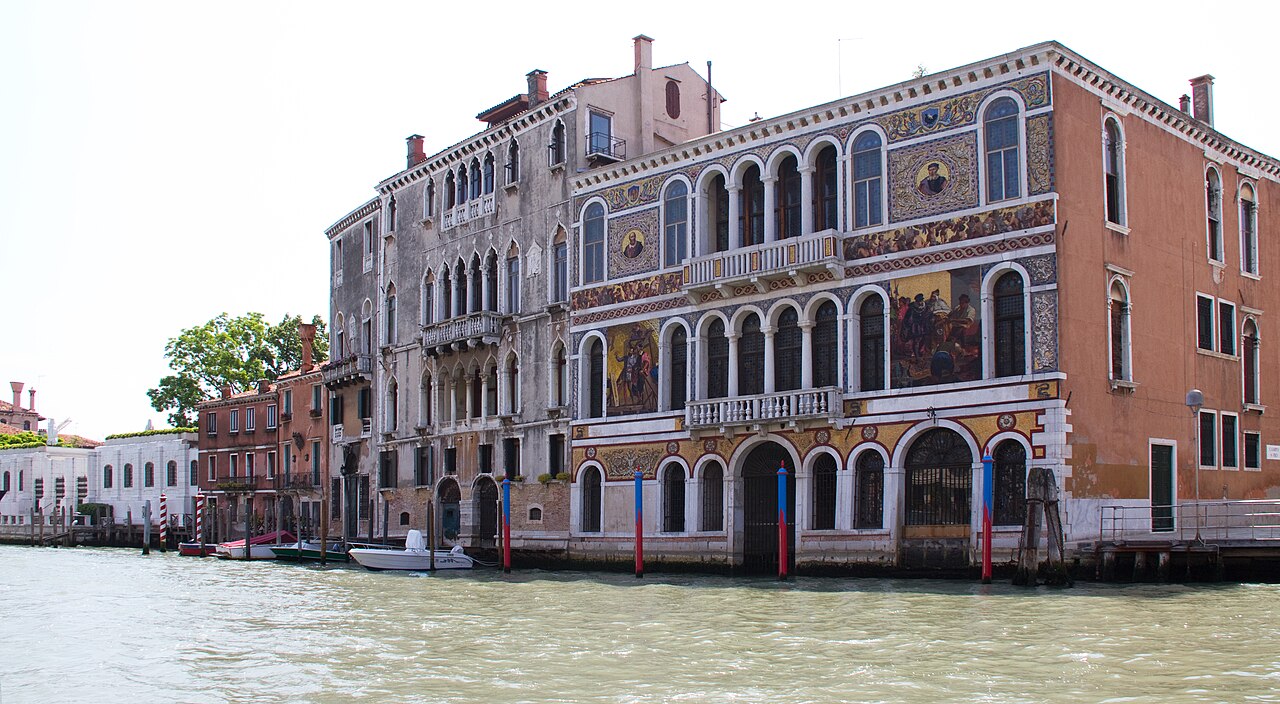
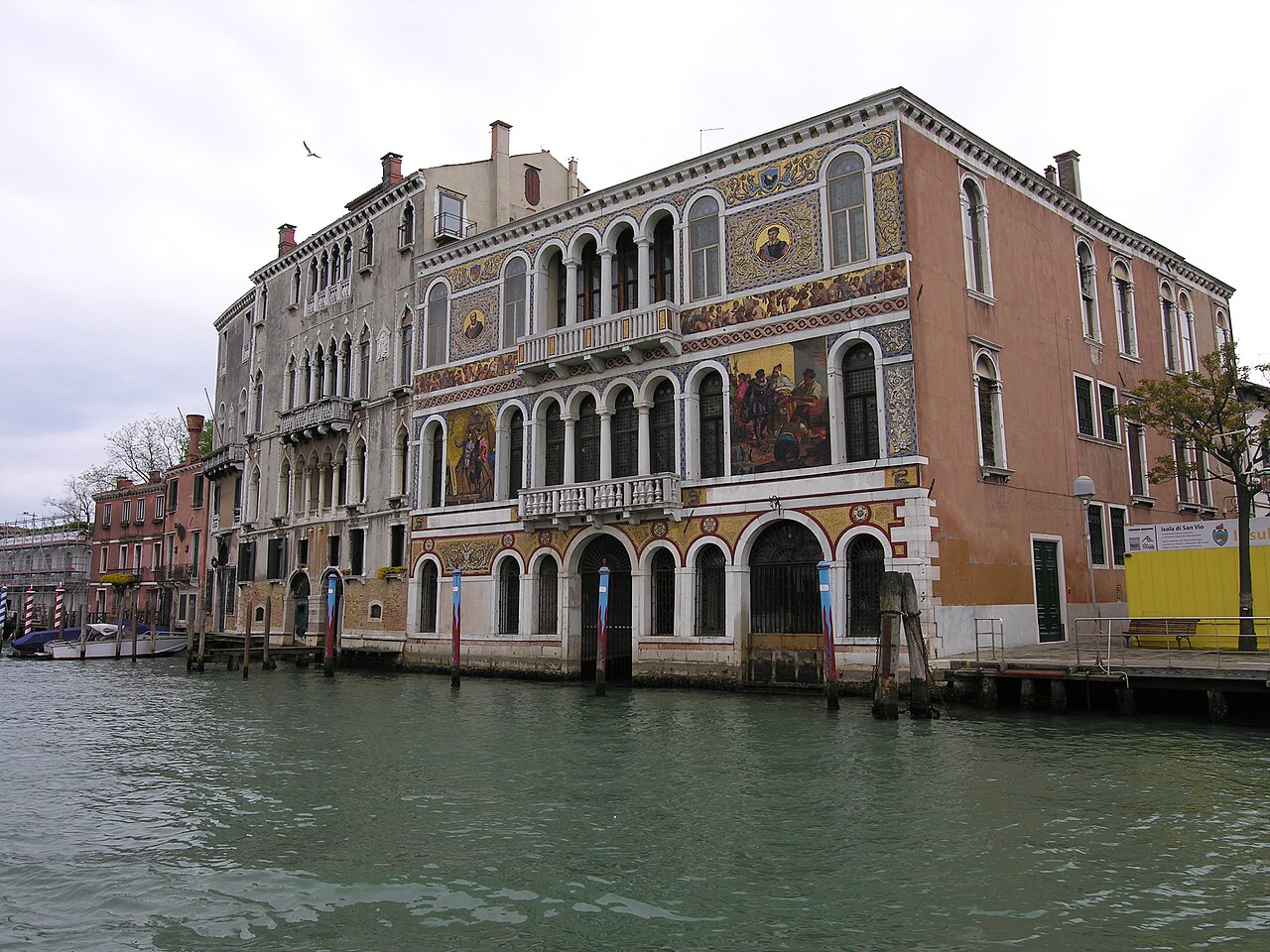
Palazzo Barbarigo is a historic palace on Venice's Grand Canal, associated with the Barbarigo family and the city's patrician residential tradition. Its facade combines Venetian Gothic character with later Renaissance changes, showing how noble houses evolved over time. Ornate windows and decorative stonework distinguish it from simpler canal buildings. Even when seen from the water, the palace helps explain the Grand Canal's role as Venice's principal architectural stage and the setting in which family wealth was displayed. Palazzo Barbarigo is a historic palace situated along the Grand Canal in Venice, Italy. The building exemplifies Venetian Gothic architecture with later Renaissance modifications. It stands as one of many patrician residences that line Venice's principal waterway, reflecting the wealth and status of the Barbarigo family who commissioned its construction. The palace contributes to the UNESCO World Heritage character of the Venetian lagoon setting. Its facade facing the Grand Canal displays typical Venetian palace features including ornate window treatments and decorative stonework that distinguish noble residences from more modest structures in the city.
Checked 2026-08-26 · Source
The palace interior is associated with historic rooms, frescoed ceilings, stucco decoration and period furnishings arranged around the functions of a Venetian noble residence. Reception spaces and private chambers reflect the way a patrician household combined everyday living with the display of status and artistic patronage. Look for the relationship between room proportions, ornament and movement through the building. The interior's appeal lies in its domestic palace character: it presents architecture and decoration as part of family life, not only as isolated artworks.
Checked 2026-08-26 · Source
If interior access is available, allow roughly forty-five minutes to two hours, depending on the rooms open, the interpretation provided and your interest in decorative arts. Around an hour is enough for a focused look at the architecture, furnishings and principal spaces. Add time for the Grand Canal surroundings, nearby calli and bridges, or a vaporetto ride that lets you appreciate the facade from the water. The palace works especially well as part of a San Polo and Rialto walking route.
Checked 2026-08-26 · Source
Spring and autumn are pleasant seasons for exploring the Grand Canal and the surrounding streets, while summer brings heavier crowds and warmer conditions. Winter can feel quieter along Venice's routes, although seasonal service changes may affect some attractions. For the exterior, morning and late afternoon provide different light on the canal facade and more atmospheric water views. Plan the palace alongside nearby sights so the visit remains worthwhile whether you spend time inside, outside or travelling past by vaporetto.
Checked 2026-08-26 · Source
Entry to a historic Venetian palace is separate from simply viewing its facade from the Grand Canal. Access may be organised through a guided visit or a limited arrangement suited to a building with private and residential functions. Capacity can be constrained in historic interiors, making the palace different from a large public museum. For travellers interested in entering, plan the visit around the access format available; for everyone else, the facade remains a rewarding part of a canal-side or vaporetto itinerary.
Checked 2026-08-26 · Source
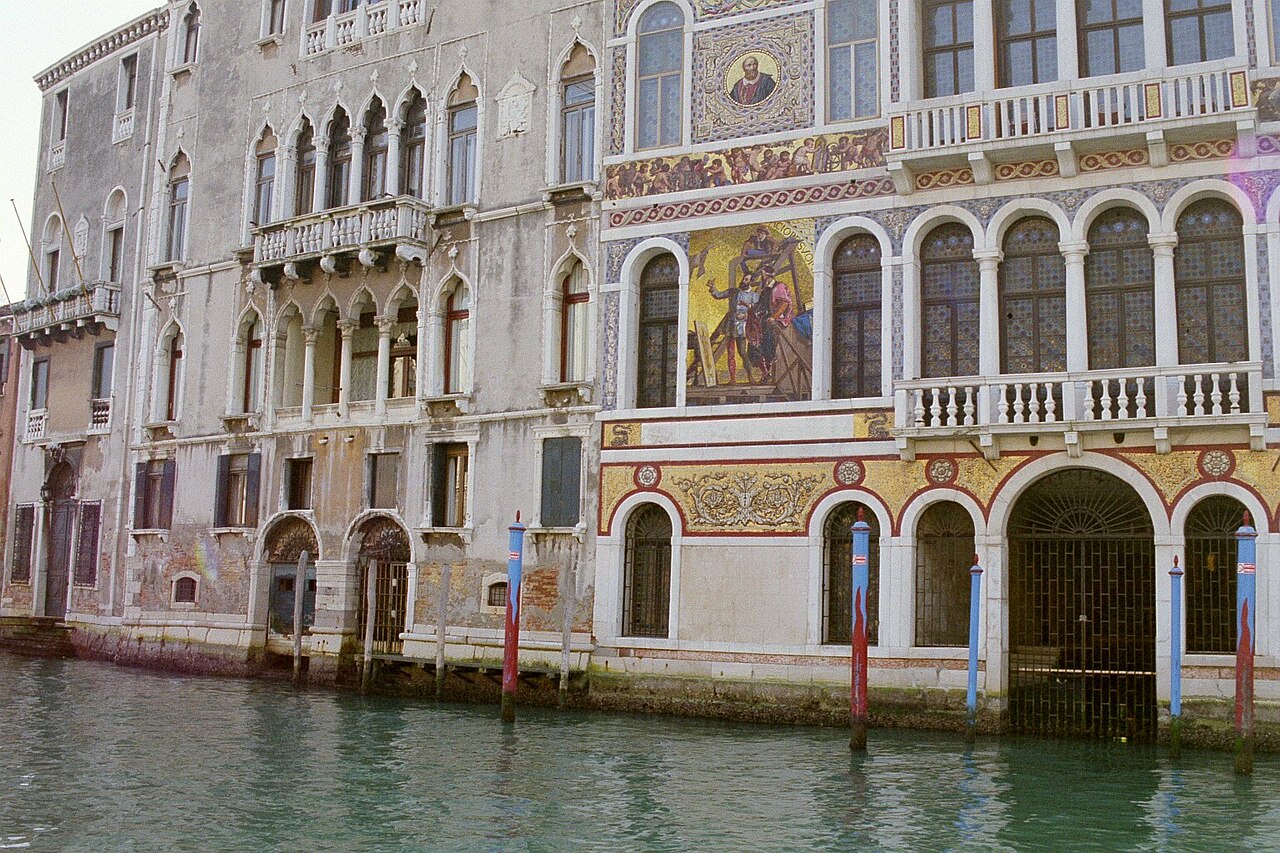
Palazzo Barbarigo faces the Grand Canal and can be approached on foot through Venice's calli, campielli and bridges, or viewed directly from water transport. Vaporetto lines 1 and 2 travel along the Grand Canal, while a water taxi offers direct access at a higher cost. The palace is within the broader Rialto and San Polo walking area, so use the visit as a link between canal viewpoints, the bridge district and nearby lanes rather than as an isolated destination.
Checked 2026-08-26 · Source
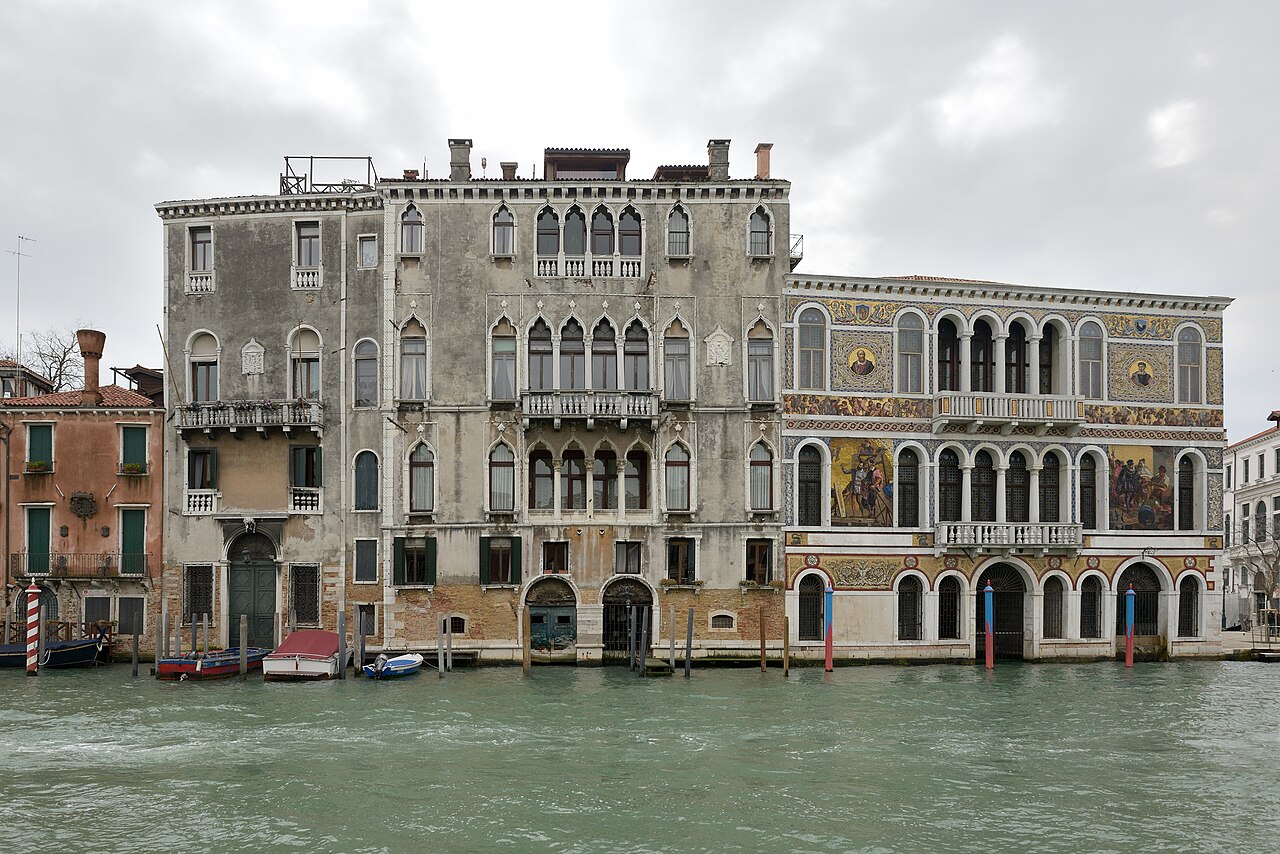
Venice's historic fabric shapes the visit. Expect bridges, uneven paving and stairs on pedestrian approaches, while palace interiors may also contain staircases and uneven floors. Acqua alta can affect lower routes and canal-side entrances, particularly in autumn and winter. At the Grand Canal, boat wake and water-level access require attention. Respect private areas and any rooms closed for residential or preservation reasons, and avoid touching decorative surfaces or furnishings in historic interiors.
Checked 2026-08-26 · Source
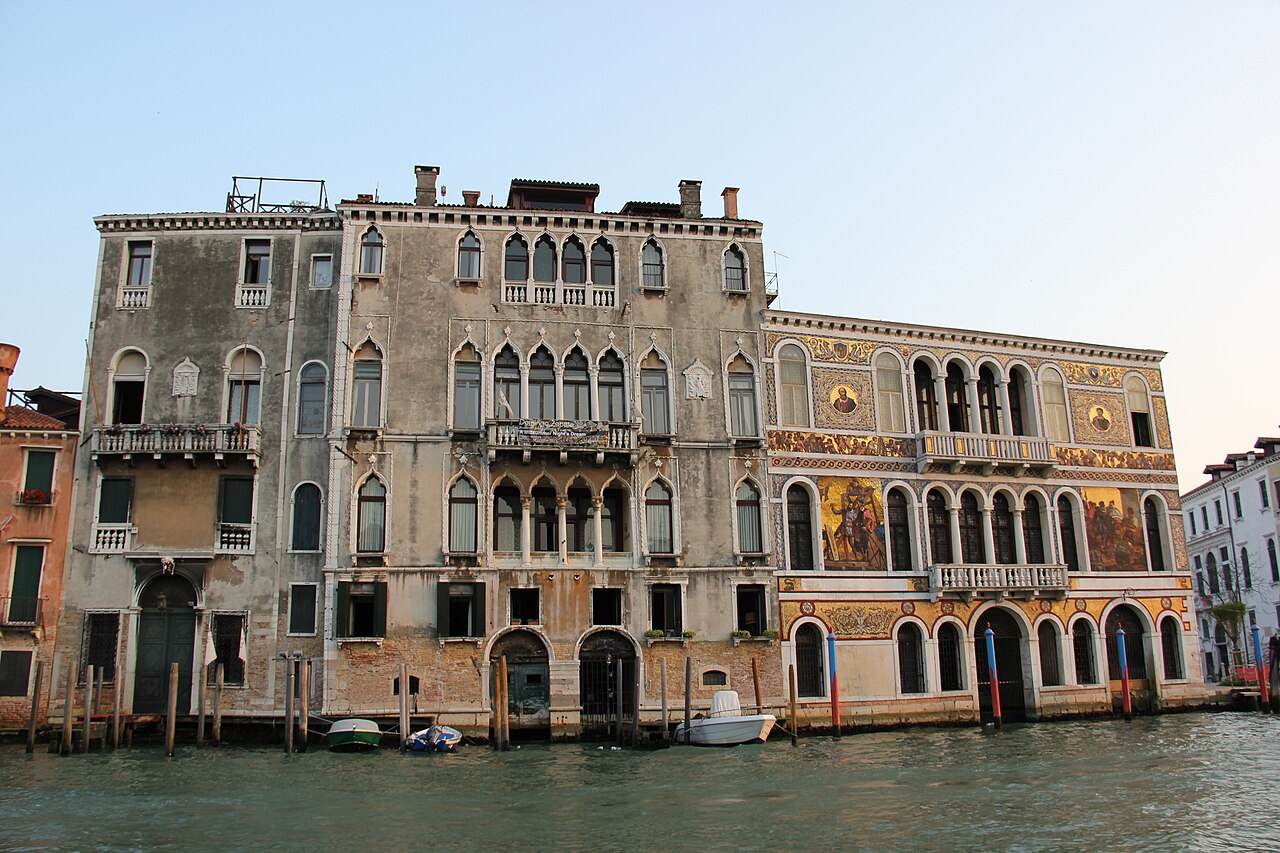
The Grand Canal provides the strongest public viewpoint for Palazzo Barbarigo. Photograph the facade from a vaporetto or along the opposite bank, using the water to place the ornate windows and stonework in context. Morning light can reveal detail, while evening illumination gives the palace a more reflective canal-side mood. Inside, use the available light carefully around frescoes, stucco and furnishings. Avoid flash, bulky equipment and tripods where they could disturb other visitors or affect fragile interiors.
Checked 2026-08-26 · Source
It stands on the Grand Canal in Venice, within the wider walking area around San Polo and Rialto.
The palace combines Venetian Gothic features with later Renaissance modifications, including ornate windows and decorative stonework on the canal facade.
The historic interior includes rooms associated with frescoed ceilings, stucco decoration, period furnishings, reception halls and private chambers.
Allow about forty-five minutes to two hours for an interior visit, with roughly an hour suitable for a focused architectural viewing.
Vaporetto lines 1 and 2 travel along the Grand Canal and provide a water-level view of the palace facade.
Expect bridges, uneven paving, stairs and possible high-water effects around Venice. Respect private areas and protect historic interiors by avoiding contact and flash photography.
Loading the interactive map…
The interactive map could not be loaded.
Last updated:
Source: OpenStreetMap contributors, Wikidata ·