
1 min walk
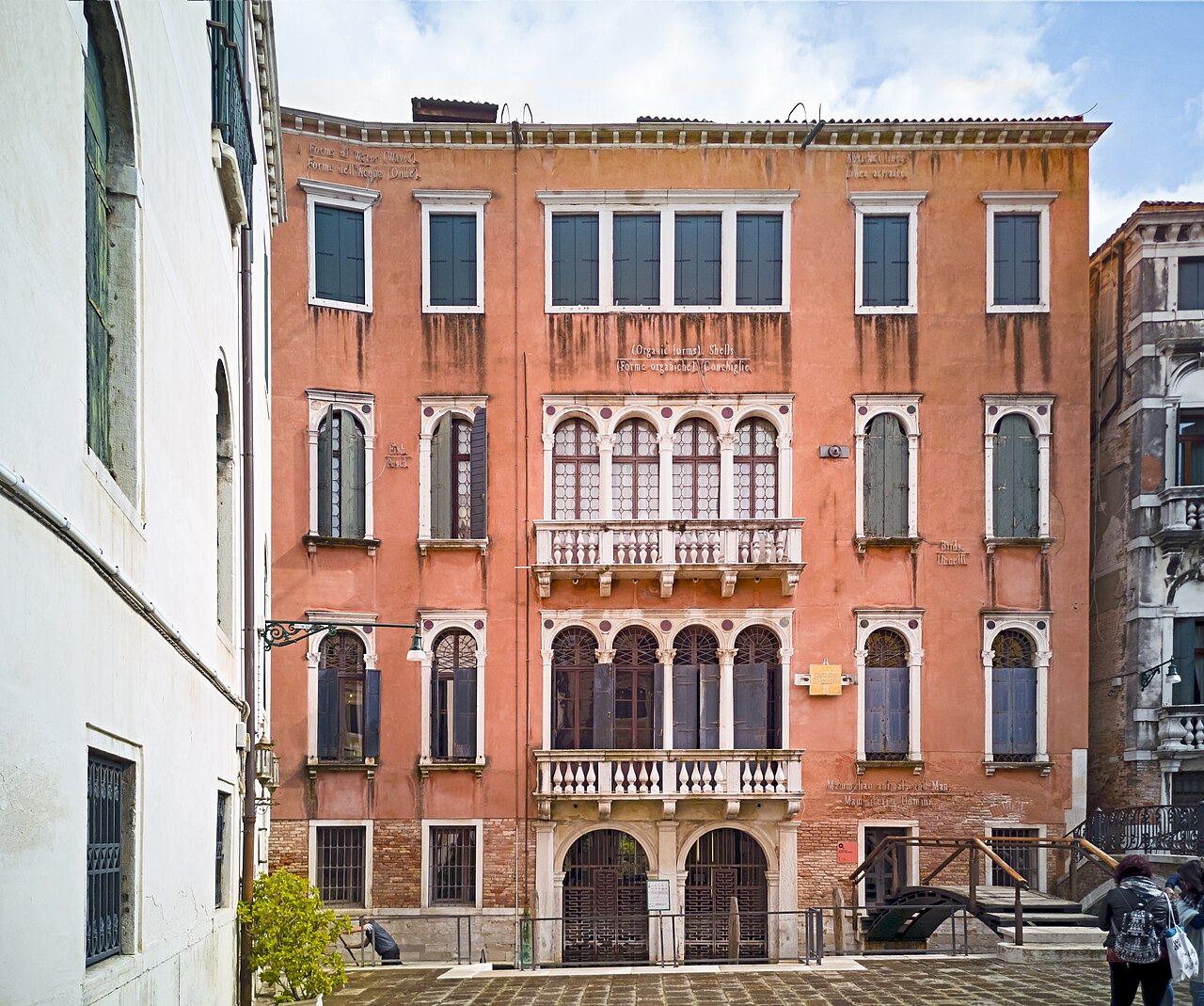
Fondazione Querini Stampalia
- Must see · Heritage site
- Museum
Language · 11 published
Place of worship · Venice
Chiesa di Santa Maria Formosa
Reviewed by Elena Voss · Roavina Travel Editor
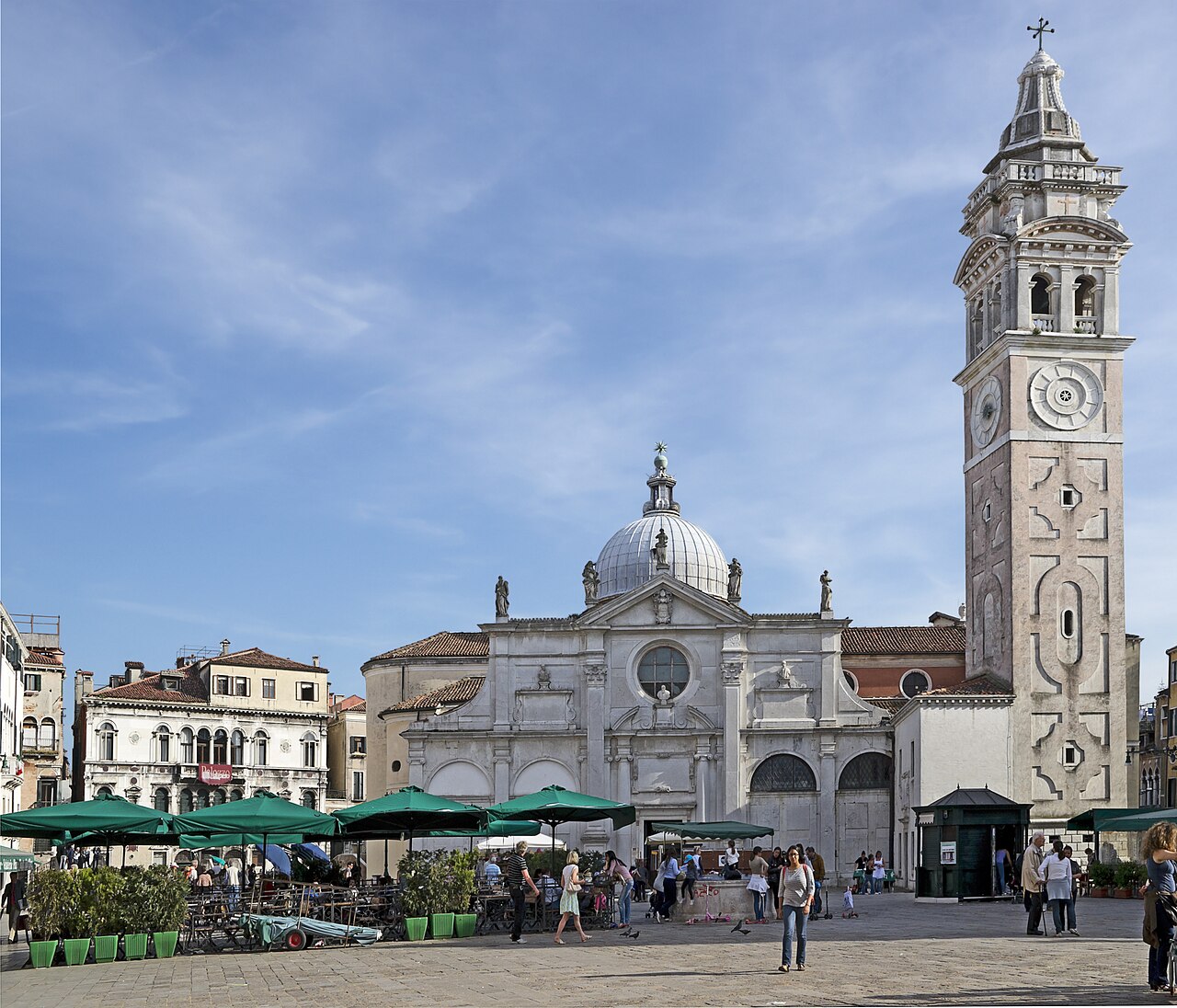
This place is a Attraction. It was established in 864. It was built in the Renaissance architecture style. It was designed by Mauro Codussi. It is built of brick.
Santa Maria Formosa is a historic church in the large and unusually shaped Campo Santa Maria Formosa in Venice’s Castello district. Tradition traces the foundation to the seventh century, while the present building is largely associated with Renaissance architect Mauro Codussi and later phases of decoration. The church brings Renaissance structure and Baroque additions together in one of Castello’s most atmospheric urban settings. The irregular campo is not merely a backdrop: it helps explain how the church functions as a landmark within the neighborhood, with open space around a building that has changed over centuries. Santa Maria Formosa suits travelers who enjoy architecture, Venetian religious art and the quieter texture of a district away from the most concentrated crowds. The visit is compact enough to fit into a walking route, yet the combination of facade, square and interior rewards attention to different periods rather than a quick glance at a single style. Use the church as an anchor for exploring eastern Venice on foot.
Checked 2026-08-26 · Source
Inside Santa Maria Formosa, look for paintings by Palma il Giovane and other Venetian masters, together with altars, religious paintings and sculptural details. The interior is valuable because several historical layers remain visible at once. Mauro Codussi’s Renaissance spatial ideas provide the structural framework, while later Baroque decoration adds a different rhythm of color, ornament and devotional emphasis. Rather than searching for one isolated masterpiece, compare the proportions of the spaces with the later additions placed within them. Altars and side areas show how the church continued to be used, renewed and interpreted over time. The combination of architecture and painting makes a short visit more rewarding when you move slowly from the main view toward individual details. Outside, the relationship between the church and Campo Santa Maria Formosa helps clarify the building’s scale and irregular urban setting. The site works especially well for travelers who want to see how Venetian churches combine architecture, worship and accumulated artistic commissions.
Checked 2026-08-26 · Source
Allow about fifteen to thirty minutes for the church interior and its principal artworks. The moderate scale makes Santa Maria Formosa easy to appreciate within a short Castello itinerary, while visitors focused on Renaissance architecture or Venetian religious painting can stay longer with the altars and decorative details. Reserve a few additional minutes for Campo Santa Maria Formosa. The irregular square offers changing views of the facade and gives the church a stronger sense of place than an interior-only stop. A measured visit can therefore take around half an hour without feeling rushed. Travelers walking from San Marco or connecting the church with nearby Castello landmarks should add time for bridges, calli and pauses along the route. Santa Maria Formosa is most useful as part of a sequence: visit the interior, step into the campo, then continue through the surrounding streets to see how the church sits within the neighborhood’s daily life.
Checked 2026-08-26 · Source
Morning often gives Santa Maria Formosa a quieter setting for looking at the interior and the surrounding campo. The church remains a place of worship, so services and local religious activity can change the visitor experience. Plan to enter quietly and accept that devotional use takes priority. The open square can be enjoyed at any time of day, with changing light across the facade and different views through the surrounding buildings. Outside the busiest summer periods, the Castello walking route may feel less pressured, making it easier to pause at architectural details. Rain and high water can affect the outdoor approach, while the church provides a sheltered cultural stop once reached. The best timing is the moment that lets you combine respectful interior viewing with a relaxed walk through Castello. Treat the campo as part of the destination, not simply as the place where the entrance happens to stand.
Checked 2026-08-26 · Source
Santa Maria Formosa is a separate church visit within Venice’s Castello district. The available guide information does not establish a current entry price, donation arrangement, concession policy or combined ticket, so no fare is stated here. Travelers should plan the church as an independent stop rather than counting on inclusion in another attraction’s admission. The surrounding campo is an open public setting and can be enjoyed independently of the interior. If the church forms part of a day focused on Venetian religious art, leave room for each building’s own access arrangements and for worship activity. The compact interior means the visit does not require a long commitment, but the architecture and paintings are worth more than a hurried entrance. Carrying a small amount of time for the campo also improves the experience, since the unusual shape of the square is one of the clearest ways to understand Santa Maria Formosa as an urban landmark.
Checked 2026-08-26 · Source
Santa Maria Formosa stands in Campo Santa Maria Formosa in Castello and is reached through Venice’s pedestrian network. From San Marco, walk through the Castello calli and bridges toward the large campo. Vaporetto connections at San Zaccaria or Rialto can bring you near the district, followed by a walk through narrow streets and small squares. The irregular shape of Campo Santa Maria Formosa makes the final approach easier to recognize once you are close, although the route through Venice is rarely straight. Save a map for offline use and allow extra time for bridge crossings. Motor vehicles do not enter the historic center, so the final stage is on foot. The church’s prominent position in the campo gives you a clear destination after the winding approach. Continue walking through Castello afterward to make the journey part of the visit rather than treating Santa Maria Formosa as an isolated stop.
Checked 2026-08-26 · Source
Santa Maria Formosa remains an active religious place, so visitors should keep voices low, dress respectfully and give priority to worshippers. Stone floors, steps and the surrounding campo’s irregular paving can become slippery after rain or during high-water conditions. Crowds may gather in the square without warning, especially when walking groups pass through Castello. Keep belongings secure in busy outdoor areas and leave clear space around entrances. Interior photography may be limited, and the church’s changing light can make paintings and details difficult to see at a glance. The visit is short, but the route to it involves bridges and uneven pedestrian surfaces, so comfortable footwear matters. The church rewards travelers who compare its Renaissance structure with later Baroque additions. Moving too quickly can make the building seem plain when its interest lies in the meeting of several historical layers.
Checked 2026-08-26 · Source
Campo Santa Maria Formosa provides the strongest setting for exterior photographs because the open space allows you to frame the church facade from several distances. The unusual geometry of the square creates views that change as you move around it. Inside, focus on the relationship between Renaissance proportions, Baroque decoration, altars and paintings by Palma il Giovane and other Venetian artists. Follow signs and staff directions concerning photography, flash and equipment, and keep the camera unobtrusive during worship. Flash can distract visitors and affect the atmosphere of a historic church, while a slow, steady approach helps with the interior’s variable light. Photograph details from positions that do not block circulation or devotional use. The best images combine the church with its campo, showing Santa Maria Formosa as both an artwork-filled interior and a living architectural landmark in Castello.
Checked 2026-08-26 · Source
Santa Maria Formosa is known for its Renaissance design associated with Mauro Codussi, later Baroque additions, Venetian paintings and its setting in the large Campo Santa Maria Formosa.
The church contains paintings by Palma il Giovane and other Venetian masters, along with historic altars, religious paintings and sculptural details.
The church stands in Campo Santa Maria Formosa in Venice’s Castello district, reached through the city’s pedestrian streets and bridges.
The church combines a Renaissance structural framework associated with Mauro Codussi and later Baroque decorative elements accumulated through subsequent phases of use and renewal.
Allow about fifteen to thirty minutes for the interior and principal artworks, plus extra time to walk around the unusual Campo Santa Maria Formosa.
Walk through Castello from San Marco, or take a vaporetto to San Zaccaria or Rialto and continue on foot through the surrounding calli.
Loading the interactive map…
The interactive map could not be loaded.

Last updated:
Source: OpenStreetMap contributors, Wikidata ·