
2 min walk
Umekōji Park
- Must see
- Nature site
Language · 11 published
Family attraction · Kyoto
京都水族館
Reviewed by Elena Voss · Roavina Travel Editor
| Monday | 10:00 – 20:00 |
|---|---|
| Tuesday | 10:00 – 20:00 |
| Wednesday | 10:00 – 20:00 |
| Thursday | 10:00 – 20:00 |
| Friday | 10:00 – 20:00 |
| Saturday | 10:00 – 20:00 |
| Sunday | 10:00 – 20:00 |
Parsed from OpenStreetMap opening hours on 2026-09-09.
It opened in 2012.
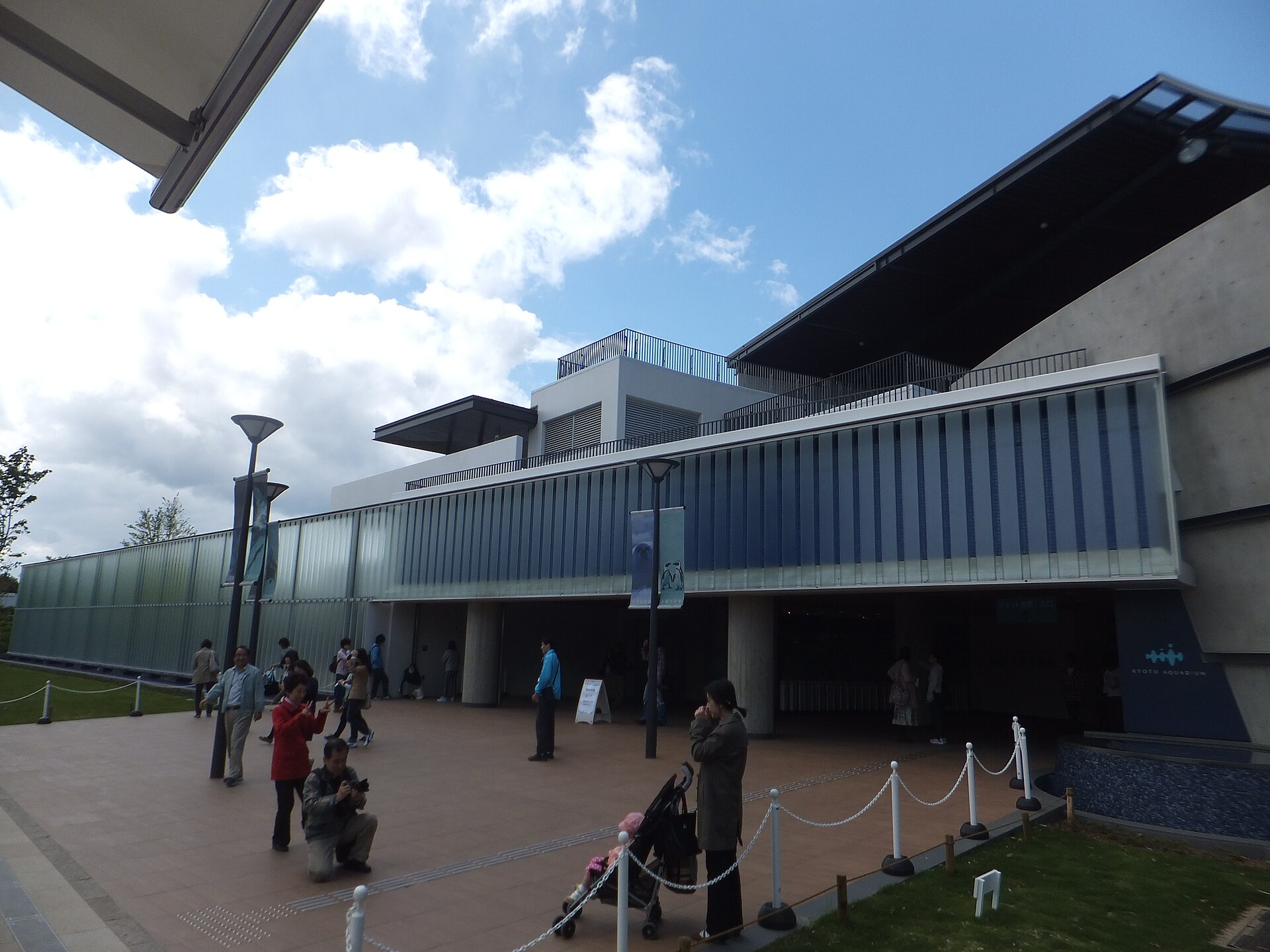
Kyoto Aquarium is a public aquarium in Kyoto, offering a modern marine-life experience alongside the city’s temples, shrines, gardens, and historic neighborhoods. The aquarium gives travelers a change of pace from heritage sightseeing and presents aquatic life through an educational visitor setting. Its inland Kyoto location is part of its character: the attraction brings marine and freshwater themes into a city better known for cultural history. Families, visitors seeking an indoor activity, and travelers wanting variety in a Kyoto itinerary can use the aquarium as a dedicated recreational stop.
Checked 2026-08-26 · Source
The aquarium is organized around marine-life exhibition spaces, display tanks, and educational interpretation. The visit focuses on observing aquatic environments and learning about the animals and habitats presented inside the facility. Kyoto Aquarium is not a temple complex or an open-air garden; it is a purpose-built indoor attraction where visitors move between exhibits at their own pace. The building supports both leisure and learning, making it suitable for a break from Kyoto’s outdoor sightseeing. Give each display time, especially when the aquarium is busy and viewing space is shared with families.
Checked 2026-08-26 · Source
Plan a flexible visit rather than treating Kyoto Aquarium as a quick photo stop. Aquarium visits can occupy around ninety minutes to half a day, depending on how carefully travelers study the exhibits and whether educational presentations or animal-viewing moments shape the pace. Families may spend longer at displays that hold children’s attention, while adults moving quickly can complete the main route sooner. Leave enough room in the itinerary for queues and slower movement through popular viewing areas. The aquarium works best when the schedule allows observation without constant rushing.
Checked 2026-08-26 · Source
Kyoto Aquarium is a useful choice when travelers want an indoor activity during rain or when a Kyoto itinerary needs a break from temples and long outdoor walks. Spring cherry-blossom and autumn foliage periods bring more visitors to Kyoto overall, so indoor attractions can also feel busy at those times. Build the visit around the rest of the day rather than relying on a short spare gap. Seasonal travel, holidays, maintenance, and special programming can change the character of the experience, so allow flexibility when planning the surrounding route.
Checked 2026-08-26 · Source
Kyoto Aquarium is a paid attraction, so include a separate admission decision in the day’s budget. Aquarium ticket structures commonly use adult and child categories, with possible variations for groups or special arrangements. The useful planning point is that entry is distinct from transport and from nearby Kyoto attractions. Travelers with children should consider the visit as a substantial activity rather than an incidental stop. Carry a payment method suitable for the venue and leave time for any entry process before beginning the exhibit route.
Checked 2026-08-26 · Source
Kyoto Aquarium is in Kyoto’s urban visitor network and should be approached with a current map from the traveler’s starting point. Rail, bus, taxi, and walking connections serve the city’s major visitor districts, while the final route depends on the chosen origin and the aquarium’s position within the local street pattern. Plan the last walking section separately from the train or bus ride. A route prepared in advance is helpful for international visitors, especially when combining the aquarium with Kyoto Station and other central attractions in the same day.
Checked 2026-08-26 · Source
Crowded viewing areas can make the aquarium route slower, especially during busy Kyoto travel periods. Keep children close, leave room for other visitors at the glass, and follow staff directions through exhibit spaces. Aquarium floors may be wet near water displays, so walk carefully. Low-light rooms make phones and bags easy to bump against other guests, while loud voices can reduce the experience for both visitors and animals. Treat posted rules as part of the attraction, particularly around feeding, touching, food, and photography. Plan a rest period if visiting with young children.
Checked 2026-08-26 · Source
Aquarium photography is shaped by dim exhibit lighting, reflective glass, and the need to protect a calm environment for animals and visitors. Turn off flash when signage or staff directions require it, and avoid pressing against displays. Move aside after taking a photograph so others can see the tank. Tripods and selfie sticks can obstruct narrow viewing areas, especially when families gather around popular exhibits. The best results come from steady framing, patience, and attention to reflections. Photographing the aquarium as an educational indoor space can be as rewarding as trying to capture individual animals.
Checked 2026-08-26 · Source
Kyoto Aquarium is a modern public aquarium in Kyoto, combining marine-life displays with educational interpretation. It offers an indoor alternative to the city’s temples, gardens, and outdoor heritage sites.
Allow roughly ninety minutes to half a day. Families and visitors who study the exhibits carefully may need longer than travelers making a quicker circuit.
Yes. Kyoto Aquarium provides an indoor activity when rain makes temple walks, gardens, or long outdoor routes less comfortable.
Families, children, marine-life enthusiasts, and travelers seeking variety beyond Kyoto’s historic attractions can all find a suitable experience in the aquarium’s exhibition and educational spaces.
A steady handheld camera or phone is useful because exhibit rooms are dim and glass can reflect. Avoid flash when directed, and keep equipment clear of narrow viewing spaces.
Watch for wet floors, crowded viewing areas, low-light conditions, and posted rules around animals, food, touching, and photography. Keep children close and follow staff directions through the exhibits.
Loading the interactive map…
The interactive map could not be loaded.
Last updated:
Source: OpenStreetMap contributors, Wikidata ·