
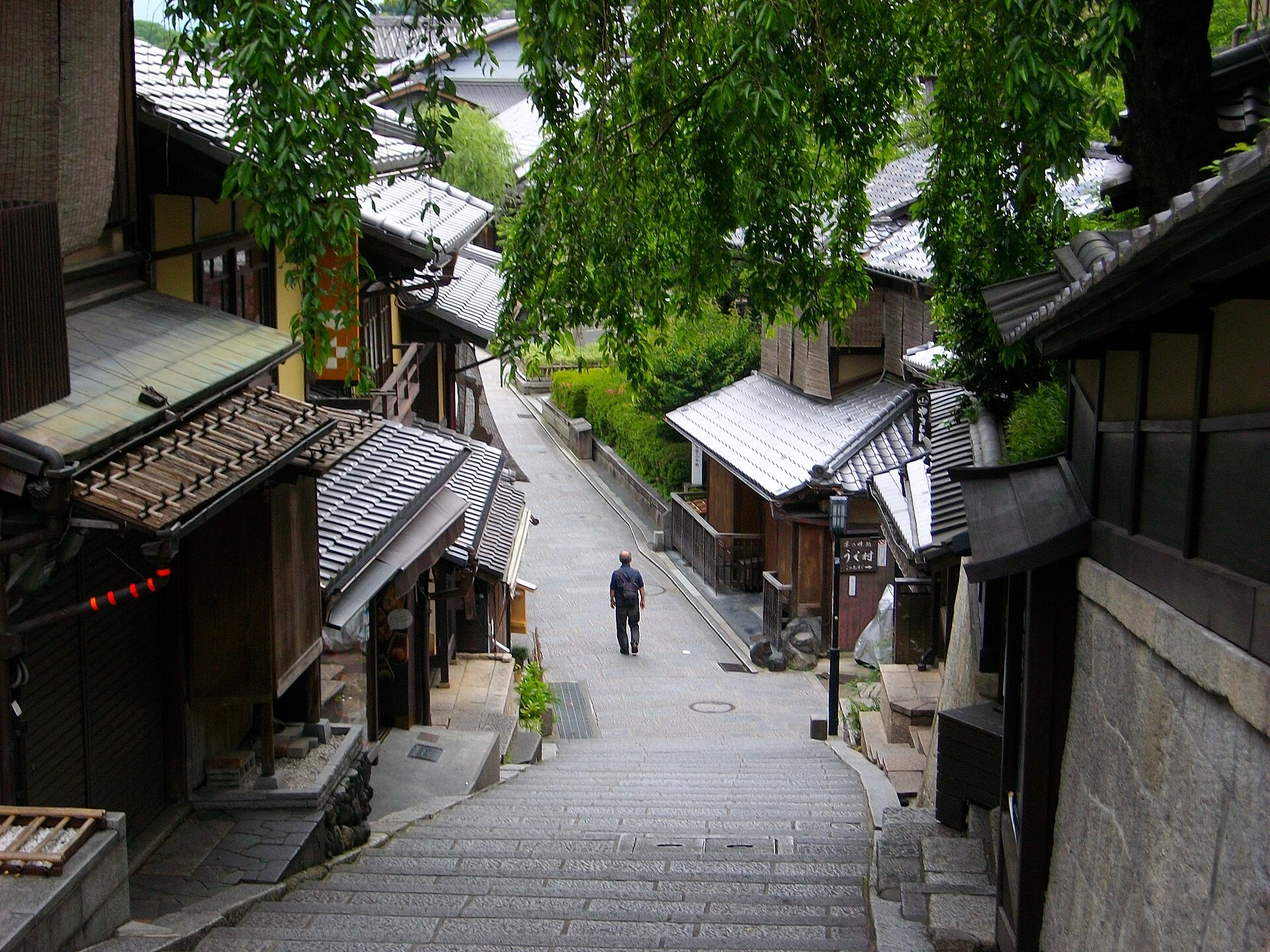
5 min walk
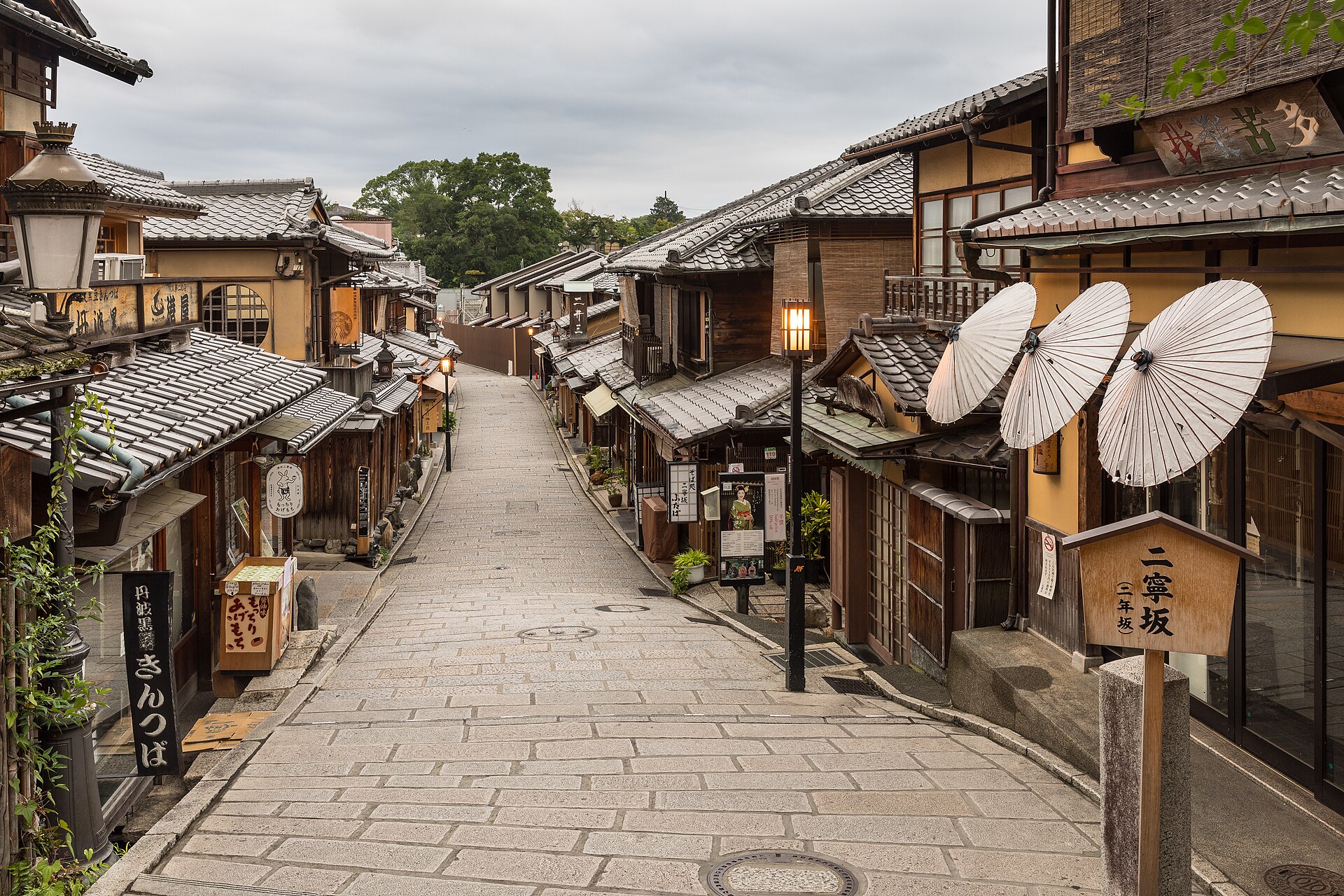
Three-year Slope
- Notable · Heritage site
- Historic monument
Language · 11 published
Historic monument · Kyoto
清水寺
Reviewed by Elena Voss · Roavina Travel Editor
| Monday | 09:00 – 17:00 |
|---|---|
| Tuesday | 09:00 – 17:00 |
| Wednesday | 09:00 – 17:00 |
| Thursday | 09:00 – 17:00 |
| Friday | 09:00 – 17:00 |
| Saturday | 09:00 – 17:00 |
| Sunday | 09:00 – 17:00 |
Checked 2026-08-31 · Source
Read from the OpenStreetMap access tags; anything not listed has no tag recorded.
Set the group type to family in the planner and the day window contracts to about three quarters of a solo day.
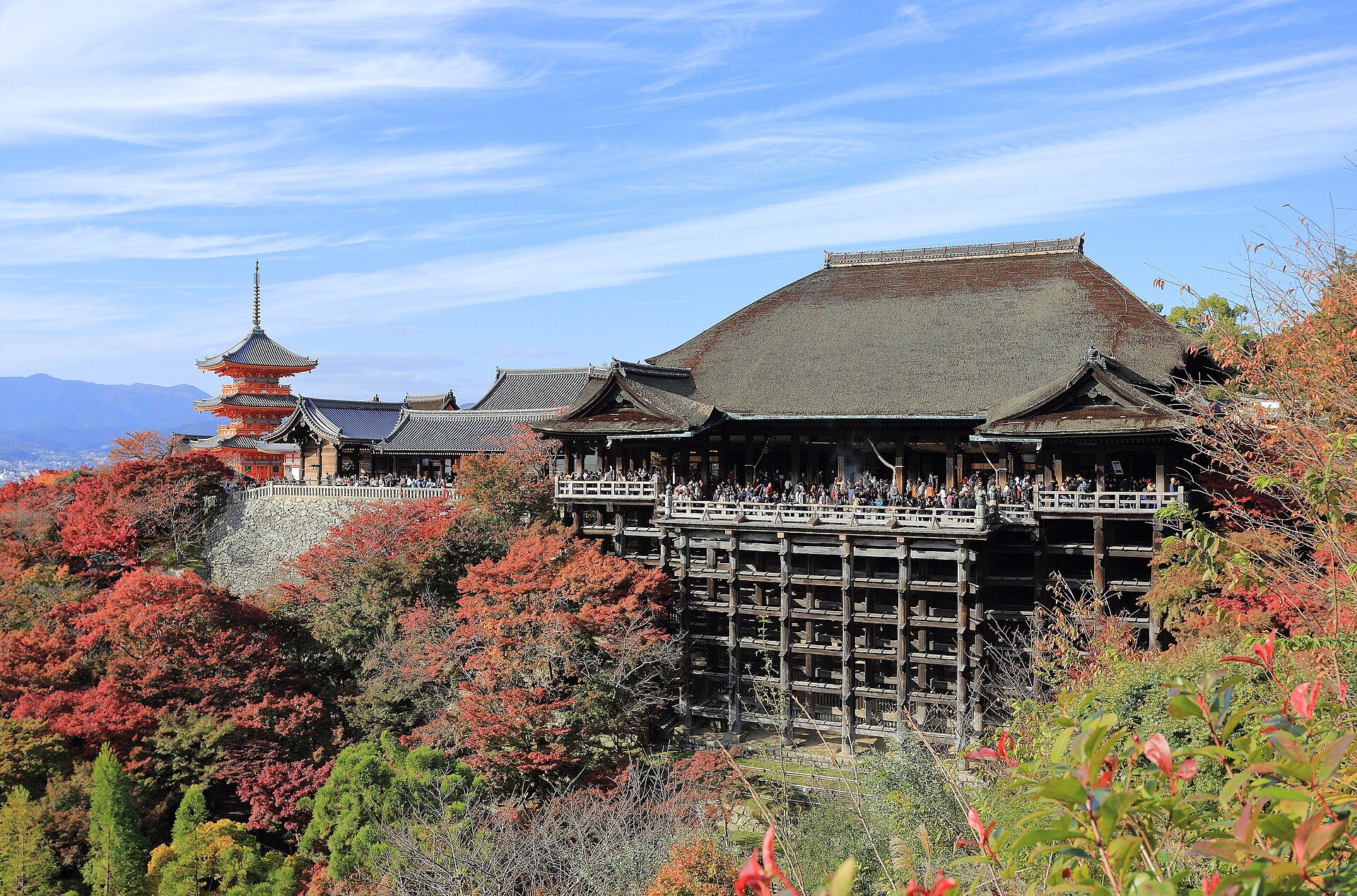
This place is a Attraction. It was established in 778. It was built in the kakezukuri style. It carries the National Treasure of Japan heritage designation.
Kiyomizu-dera stands on the wooded slope of Mount Otowa at the eastern edge of Kyoto, above the Higashiyama district and roughly a kilometre uphill from the nearest bus stop. The temple traces itself back more than 1,250 years to a priest who found a spring welling out of the mountain; the water is still running, the temple is named for its clearness, and the whole complex is arranged around it rather than around a single monument. 06:00 daily. An adapted vehicle route and ramps can reach the main stage with staff coordination, but the public approach is steep and many halls, pagodas and waterfall paths include stairs. 06:00 daily. JPY 500. Yes on announced dates. No. Yes. Gojozaka and Kiyomizu-michi. Open daily from 06:00, normally closing 18:00; selected spring, summer and autumn illumination periods extend closing to 21:30 with last entry 21:00. Adult admission to the paid temple precinct is JPY 500; primary-school and junior-high students pay JPY 200. An adapted vehicle route and ramps can reach the main stage with staff coordination, but the public approach is steep and many halls, pagodas and waterfall paths include stairs. Kyoto City Bus stops Gojozaka and Kiyomizu-michi are followed by a steep 10-15-minute walk; Keihan Kiyomizu-Gojo station is about 25 minutes on foot. 06:00 daily. JPY 500. Yes on announced dates. No. Yes. Gojozaka and Kiyomizu-michi. Open daily from 06:00, normally closing 18:00; selected spring, summer and autumn illumination periods extend closing to 21:30 with last entry 21:00. Adult admission to the paid temple precinct is JPY 500; primary-school and junior-high students pay JPY 200. An adapted vehicle route and ramps can reach the main stage
Checked 2026-08-31 · Source
The route through the grounds is essentially fixed, and the temple numbers it. Nio-mon, the main entrance, is a two-storey gate about ten metres wide and fourteen high, burnt down in a civil war in 1469, rebuilt around 1500 and taken apart and refurbished in 2003. Past it, Sai-mon, the west gate, dates from 1633 and faces the sunset; it has long been treated as a gateway to Paradise and used for Nissokan, a meditation practice of visualising the Pure Land. JPY 500. Kyoto City Bus stops Gojozaka and Kiyomizu-michi are followed by a steep 10-15-minute walk; Keihan Kiyomizu-Gojo station is about 25 minutes on foot.
Checked 2026-08-31 · Source
Ninety minutes inside the gate is a realistic figure for the standard circuit: Nio-mon, Sai-mon, the Main Hall and its stage, down to Okuno-in for the view back, then the descent to Otowa Waterfall and out. That assumes moving steadily, one queue at the waterfall, and no stop at Jojuin. Yes on announced dates.
Checked 2026-08-31 · Source
Open daily from 06:00, normally closing 18:00; selected spring, summer and autumn illumination periods extend closing to 21:30 with last entry 21:00. Kyoto City Bus stops Gojozaka and Kiyomizu-michi are followed by a steep 10-15-minute walk; Keihan Kiyomizu-Gojo station is about 25 minutes on foot.
Checked 2026-08-31 · Source
Adult admission to the paid temple precinct is JPY 500; primary-school and junior-high students pay JPY 200. Open daily from 06:00, normally closing 18:00; selected spring, summer and autumn illumination periods extend closing to 21:30 with last entry 21:00. An adapted vehicle route and ramps can reach the main stage with staff coordination, but the public approach is steep and many halls, pagodas and waterfall paths include stairs.
Checked 2026-08-31 · Source
Kyoto City Bus stops Gojozaka and Kiyomizu-michi are followed by a steep 10-15-minute walk; Keihan Kiyomizu-Gojo station is about 25 minutes on foot. Use the named entrance or stop because hills, security and historic streets change the approach. Gojozaka and Kiyomizu-michi.
Checked 2026-08-31 · Source
An adapted vehicle route and ramps can reach the main stage with staff coordination, but the public approach is steep and many halls, pagodas and waterfall paths include stairs. 06:00 daily. JPY 500. Yes on announced dates. Historic surfaces, crowds and security remain relevant. Open daily from 06:00, normally closing 18:00; selected spring, summer and autumn illumination periods extend closing to 21:30 with last entry 21:00.
Checked 2026-08-31 · Source
The temple's photography rules are specific and worth reading before arriving with equipment. Drones, tripods and monopods are all prohibited outright. Photography for weddings, for cosplay, and fashion sessions using models are forbidden. Recording for commercial purposes is not allowed on the grounds, and that explicitly extends to photographing or filming the temple buildings as a background without permission. Group photographs for school excursions and tour parties are allowed only in designated areas, and the accompanying photographer or teacher must ask permission in advance at the photo room in front of the Nio-mon gate. Adult admission to the paid temple precinct is JPY 500; primary-school and junior-high students pay JPY 200.
Checked 2026-08-31 · Source
06:00 daily.
JPY 500.
Yes on announced dates.
No.
Yes.
Gojozaka and Kiyomizu-michi.
Loading the interactive map…
The interactive map could not be loaded.
Last updated:
Source: OpenStreetMap contributors, Wikidata ·