
3 min walk
Three-year Slope
- Notable · Heritage site
- Historic monument
Language · 11 published
Historic monument · Kyoto
二年坂
Reviewed by Elena Voss · Roavina Travel Editor
This place is a Attraction.
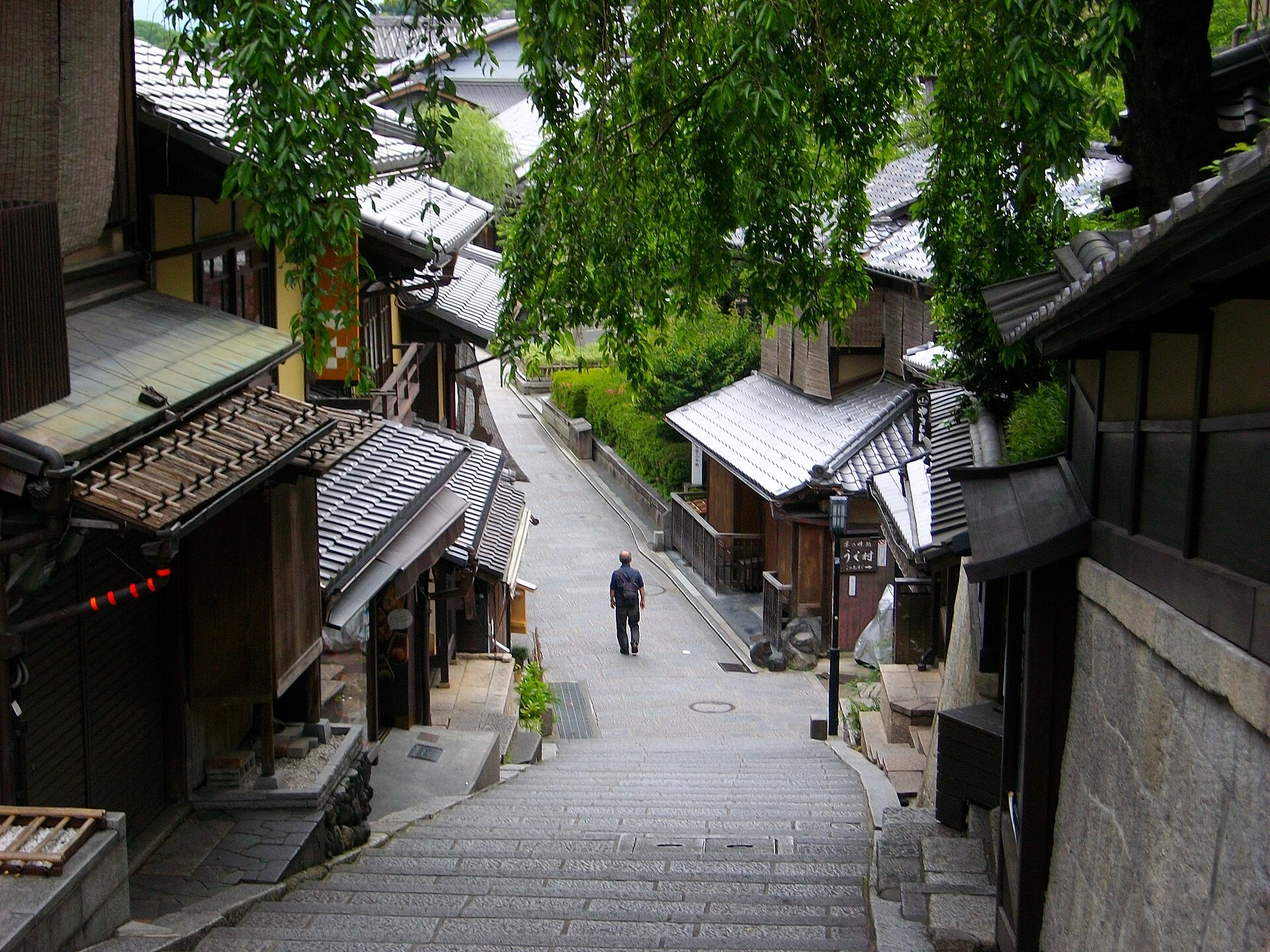
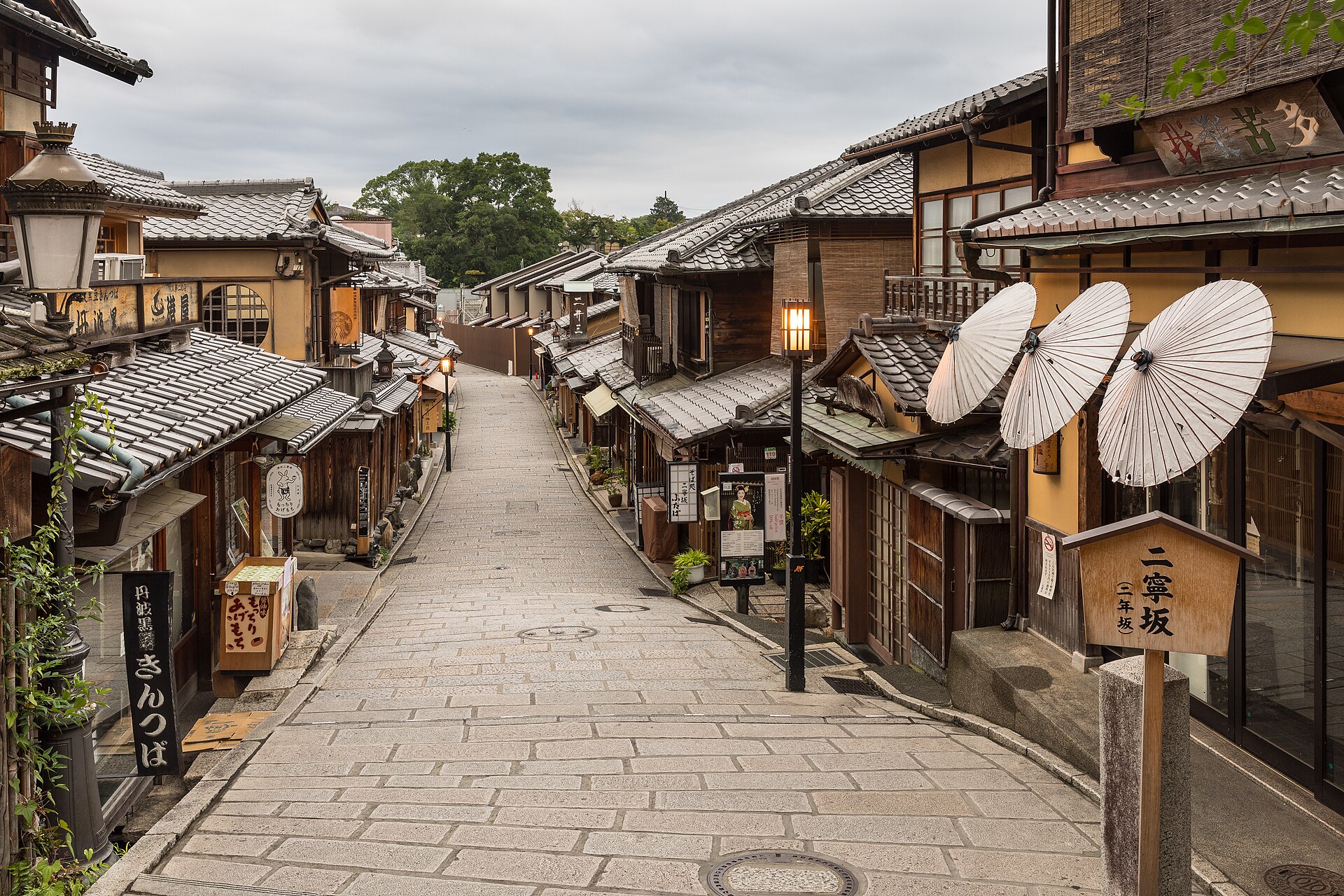
Ninenzaka is a historic stone-paved street in Kyoto’s Higashiyama district, close to Kiyomizu-dera. The lane is one of the clearest places in Kyoto to experience a preserved traditional streetscape while still seeing an active commercial neighbourhood. Wooden machiya buildings, tiled roofs, latticework and lanterns frame the route. Ninenzaka runs through the hillside district near Sannenzaka and connects naturally with other lanes leading toward temples, shrines, shops and cafés. The appeal is the setting itself: a compact walk through old Kyoto’s architecture, slope and atmosphere rather than a single enclosed monument.
Checked 2026-08-26 · Source
Ninenzaka is an open historic street lined with traditional wooden buildings and small businesses. Along the stone paving, visitors find craft shops, souvenir stores, tea houses, cafés, restaurants and food shops selling items such as sweets and pickles. The surrounding Higashiyama lanes add more preserved houses and routes toward religious sites. Ninenzaka is best enjoyed by looking upward as well as ahead: rooflines, wooden façades, shop signs, paper lanterns and narrow entrances create much of the visual interest. The street is also part of a living neighbourhood, with commercial premises beside private homes.
Checked 2026-08-26 · Source
Allow at least 30 minutes for Ninenzaka itself, and plan several hours if the walk is combined with Sannenzaka, Kiyomizu-dera and the surrounding Higashiyama lanes. The route is short, but the slope, stone surface, shop displays and frequent pauses make a quick transit less rewarding. Visitors who stop for tea, local food, craft browsing or photographs will naturally spend longer. Walking from the lower streets toward the temple area involves an uphill sequence, so the practical pace is slower than the distance suggests. Build in extra time during busy periods when movement through the narrowest sections slows.
Checked 2026-08-26 · Source
Ninenzaka can be visited as a public street throughout the day, while shops, cafés and restaurants follow their own schedules. Early morning is the calmest time for a quieter walk and clearer views of the traditional façades. Evenings bring a different mood as lanterns and shopfronts stand out, although individual businesses may be closed. Cherry-blossom periods, autumn foliage, weekends and Japanese public holidays draw especially large crowds to Higashiyama. Rain makes the stone paving slippery, so shoes with secure soles are useful. The hillside route is exposed, and summer heat can make the climb tiring.
Checked 2026-08-26 · Source
Walking along Ninenzaka does not require an admission ticket because Ninenzaka is a public street. Money is useful for the businesses along the route, including cafés, restaurants, tea houses, craft shops and food stores. Nearby temples, museums or other enclosed attractions may charge separately, so a visit to Ninenzaka should not be treated as a pass covering the wider Higashiyama area. The most useful way to plan spending is to separate the free street walk from any temple entry, food stop or purchase. Traditional businesses may use different payment practices, making a small cash reserve practical.
Checked 2026-08-26 · Source
Ninenzaka is reached on foot through eastern Kyoto’s Higashiyama district. Buses from Kyoto Station serve stops near the Kiyomizu-dera area, after which the approach continues uphill through the historic streets. Gion-Shijo, Kawaramachi and Kiyomizu-Gojo are useful rail approaches, but each requires a walk to the hillside lanes. Taxis can bring visitors close to the district, yet the narrow pedestrian-focused streets are explored on foot. The route connects with Sannenzaka and paths toward Kiyomizu-dera, so comfortable footwear matters more than finding a vehicle entrance directly beside Ninenzaka.
Checked 2026-08-26 · Source
Ninenzaka becomes crowded, particularly during blossom and foliage seasons, weekends and holidays. Narrow paving leaves little room for stopping in the busiest places, so move aside before studying a shopfront or taking a photograph. Wet stones and steps require careful footing, especially on the slope. Private homes stand beside visitor-facing businesses; keep voices low, do not enter residential spaces and avoid blocking doorways. Ask before photographing people, interiors or shop displays. Eating while walking and leaving rubbish behind detract from the shared streetscape. The traditional buildings are fragile, so do not touch walls, doors or decorations.
Checked 2026-08-26 · Source
Ninenzaka’s strongest photographs use the stone paving, sloping lane and traditional façades as leading lines. Morning light usually gives the clearest chance of photographing the streetscape with less pedestrian interruption, while evening offers lantern-lit views and a warmer atmosphere. The lane is narrow, so a compact camera or phone is easier to use than a large tripod setup. Portrait sessions, including visitors wearing rented kimono, are common subjects, but people remain part of a public place rather than scenery. Respect privacy, ask permission for close portraits and follow any signs restricting interior or shop photography.
Checked 2026-08-26 · Source
No. Ninenzaka and Sannenzaka are distinct preserved streets in Higashiyama, and both connect with the route toward Kiyomizu-dera.
Ninenzaka is a narrow, pedestrian-focused historic street with stone paving. Visitors reach and explore it on foot from the surrounding roads.
The traditional wooden buildings contain craft and souvenir shops, cafés, restaurants, tea houses and food shops selling items such as sweets and pickles.
Yes. Walking along Ninenzaka as a public street is free. Businesses and nearby paid attractions charge separately for their goods, services or entry.
Ninenzaka forms part of the uphill Higashiyama walking route toward Kiyomizu-dera, with Sannenzaka and other preserved lanes linking the street to the temple area.
The lane is narrow, sloped and paved with stone. Large crowds reduce walking space and make pauses for photographs or shop visits take longer.
Loading the interactive map…
The interactive map could not be loaded.
Last updated:
Source: OpenStreetMap contributors, Wikidata ·