
1 min walk
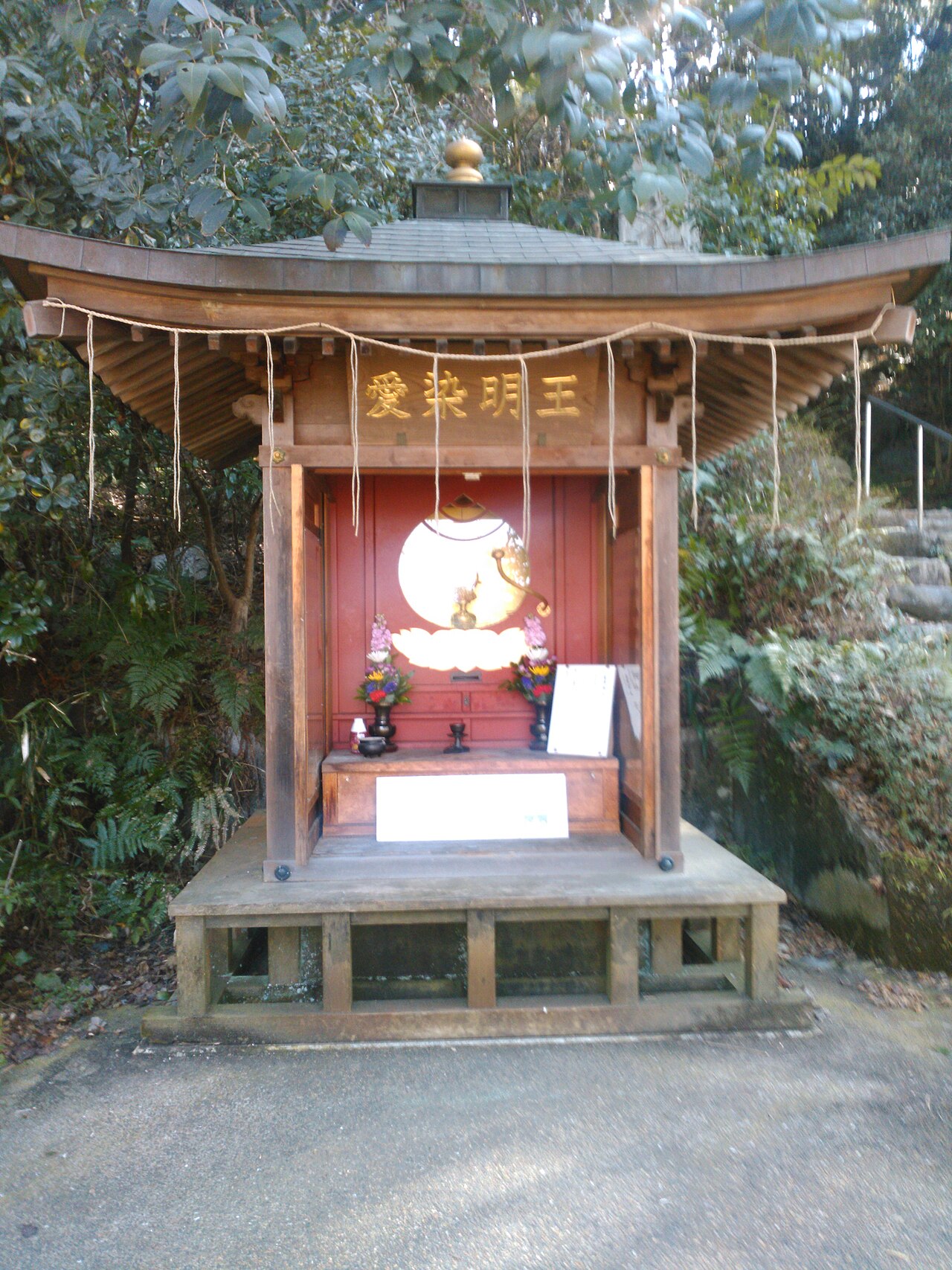
Memorial of the Unknown Soldier killed in World War II
- High
- Historic monument
Language · 11 published
Place of worship · Kyoto
高台寺
Reviewed by Elena Voss · Roavina Travel Editor
| Monday | 09:00 – 17:30 |
|---|---|
| Tuesday | 09:00 – 17:30 |
| Wednesday | 09:00 – 17:30 |
| Thursday | 09:00 – 17:30 |
| Friday | 09:00 – 17:30 |
| Saturday | 09:00 – 17:30 |
| Sunday | 09:00 – 17:30 |
Checked 2026-08-31 · Source
Read from the OpenStreetMap access tags; anything not listed has no tag recorded.
Set the group type to family in the planner and the day window contracts to about three quarters of a solo day.
This place is a Place of worship. It was established in 1606. It carries the Important Cultural Property of Japan heritage designation.
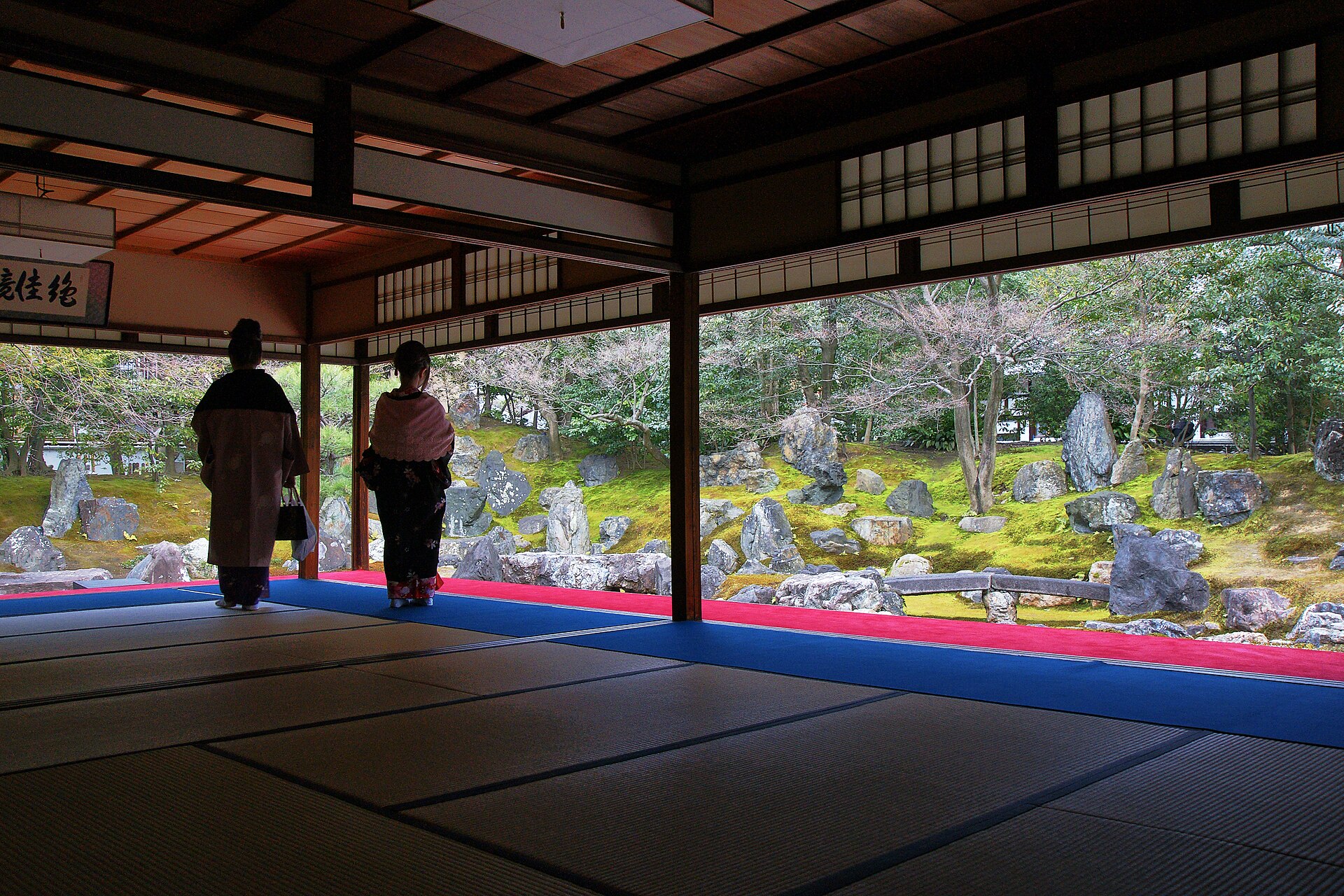
Kodaiji Temple is a Zen Buddhist temple in Kyoto's Higashiyama district. It was established in 1606 by Kita-no-Mandokoro, also known as Nene, in memory of her husband Toyotomi Hideyoshi, the prominent unifier of Japan. The temple belongs to the Rinzai school of Zen Buddhism. Its grounds occupy a hillside location with views toward the city. The temple is known for its historical association with the Toyotomi clan and its carefully maintained gardens, which represent significant examples of early Edo-period landscape design in the Kyoto area.
Checked 2026-08-31 · Source
The temple grounds contain several notable structures and garden spaces. The main hall and tea ceremony rooms are designated Important Cultural Properties. The gardens include a rock garden and a tsukiyama-style garden with pond. There is a bamboo grove on the hillside. The temple also maintains a small museum area with artifacts related to Hideyoshi and Nene. Seasonal features include cherry blossoms in spring and maple foliage in autumn. Visitors should consult current information before planning evening visits.
Checked 2026-08-31 · Source
A typical visit to Kodaiji Temple requires approximately forty-five minutes to one hour for walking the main circuit of buildings and gardens. Visitors with strong interest in garden design, temple architecture, or the historical figures associated with the site may wish to allocate additional time. The hillside terrain involves some sloped paths and stone steps, which may slow progress for those with mobility considerations. Photography stops and rest pauses at viewing points extend the visit duration. Combined visits with nearby Higashiyama attractions, such as Kiyomizudera or the Ninenzaka-Sannenzaka lanes, require separate scheduling.
Checked 2026-08-31 · Source
Open daily 09:00-17:30, last admission 17:00. Spring, summer and autumn illumination periods extend visiting hours on announced dates. Kodaiji Temple can be visited throughout the year, with each season offering distinct garden character. Spring brings cherry blossoms, summer presents lush greenery, autumn displays maple coloration, and winter shows bare garden architecture. The temple grounds may become crowded during peak tourism periods and Japanese holiday weekends. Morning visits typically offer quieter conditions. Weather considerations apply given the outdoor nature of much of the grounds and the exposed hillside paths during rain or snow.
Checked 2026-08-31 · Source
Adult admission is JPY 600; a JPY 900 combined ticket includes Kodaiji, Entoku-in and the Sho Museum. Admission to Kodaiji Temple requires payment of an entrance fee. Separate fees may apply for special exhibitions or evening illumination events when these are held. Visitors should carry cash, as many temple facilities in Kyoto do not accept card payments. There is no recorded information regarding combination tickets with nearby attractions or discount provisions for specific visitor categories. Current pricing should be verified at the temple entrance or through official channels before visiting. Budget planning should allow for possible additional costs associated with seasonal special access periods.
Checked 2026-08-31 · Source
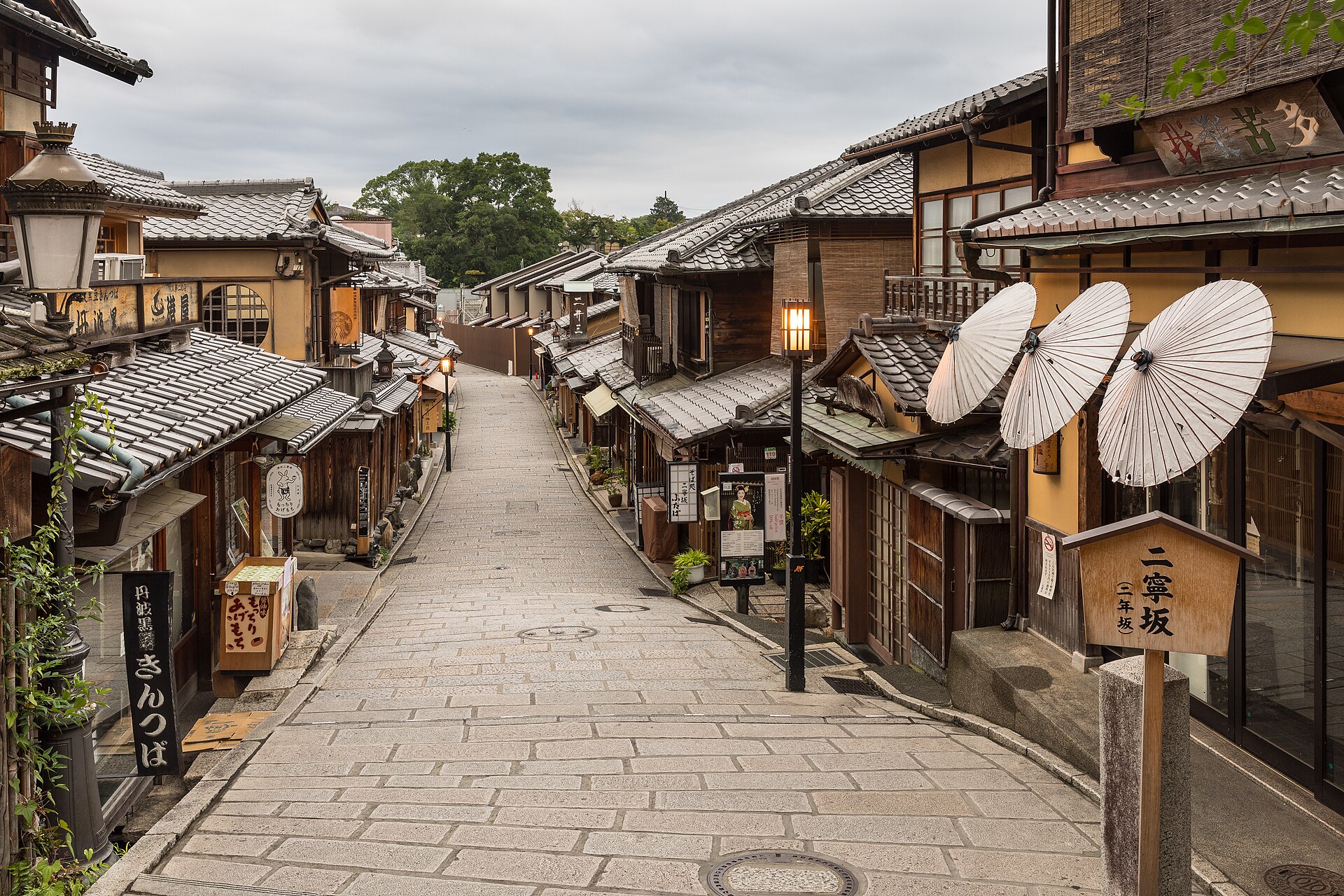
Kyoto City Bus stop Higashiyama Yasui is about seven minutes away; Gion-Shijo station is roughly 20 minutes on foot through Gion. Kodaiji Temple is located in the Higashiyama district of eastern Kyoto. The nearest bus stops serve city bus lines from Kyoto Station and other central locations. The nearest train stations are several hundred meters away on foot, including Gion-Shijo Station on the Keihan Line and Kawaramachi Station. The approach from these stations involves walking through preserved traditional streetscapes with some incline. The final approach to the temple entrance includes stone pathways and steps. Taxis can access nearby drop-off points but cannot reach the temple gate directly. Cycling is possible to the district but parking near the temple is restricted.
Checked 2026-08-31 · Source
Lower halls and gardens have an adapted route, but hillside stairs, bamboo paths and teahouses prevent a complete step-free circuit. The temple grounds contain numerous stone steps and sloped pathways that may be slippery when wet or crowded. Footwear with adequate grip is advisable. The hillside location means some areas lack handrails. During illumination events, pathways are dimly lit and require additional caution. The temple is an active religious site where respectful conduct is expected. Some interior spaces prohibit photography or require shoe removal. Crowding occurs during peak seasons, potentially limiting movement and viewing opportunities. Weather protection is advisable given extensive outdoor exposure. Visitors with significant mobility limitations should assess whether the terrain is suitable before attempting the full grounds circuit.
Checked 2026-08-31 · Source
Photography is permitted in the exterior garden areas of Kodaiji Temple, which offer varied compositions including pond reflections, stone arrangements, bamboo groves, and seasonal plantings. The hillside elevation provides some overview perspectives toward the city. Interior photography restrictions apply in certain buildings and museum spaces, where signage indicates prohibitions. Tripod and flash use is typically restricted at Japanese temple sites and should not be assumed permissible. Evening illumination creates different photographic conditions requiring stable camera support, though tripods may be restricted during crowded events. Respect for other visitors and ongoing religious activities should guide all photography behavior. Commercial or posed photography may require advance permission.
Checked 2026-08-31 · Source
17:00.
JPY 600.
Kodaiji, Entoku-in and the Sho Museum.
Yes on announced dates.
No.
Higashiyama Yasui.
Loading the interactive map…
The interactive map could not be loaded.
Last updated:
Source: OpenStreetMap contributors, Wikidata ·