
3 min walk
Kōdai-ji Temple
- Must see · Heritage site
- Place of worship
Language · 11 published
Place of worship · Kyoto
圓徳院
Reviewed by Elena Voss · Roavina Travel Editor
This place is a Place of worship. It was established in 1632. It carries the Place of Scenic Beauty heritage designation.
Entoku-in is a Rinzai Zen sub-temple within the wider Kodai-ji complex in Kyoto’s Higashiyama district. It was established as a memorial temple by Kita-no-Mandokoro, also known as Nene, the widow of Toyotomi Hideyoshi, linking the site to one of the defining political families of Japan’s early modern history. The temple’s character comes from the meeting of memory, Zen aesthetics, and a carefully composed hillside setting. Travellers should visit for the intimate scale and reflective atmosphere, especially if they want a quieter counterpoint to Kyoto’s larger and more crowded temple destinations.
Checked 2026-08-26 · Source
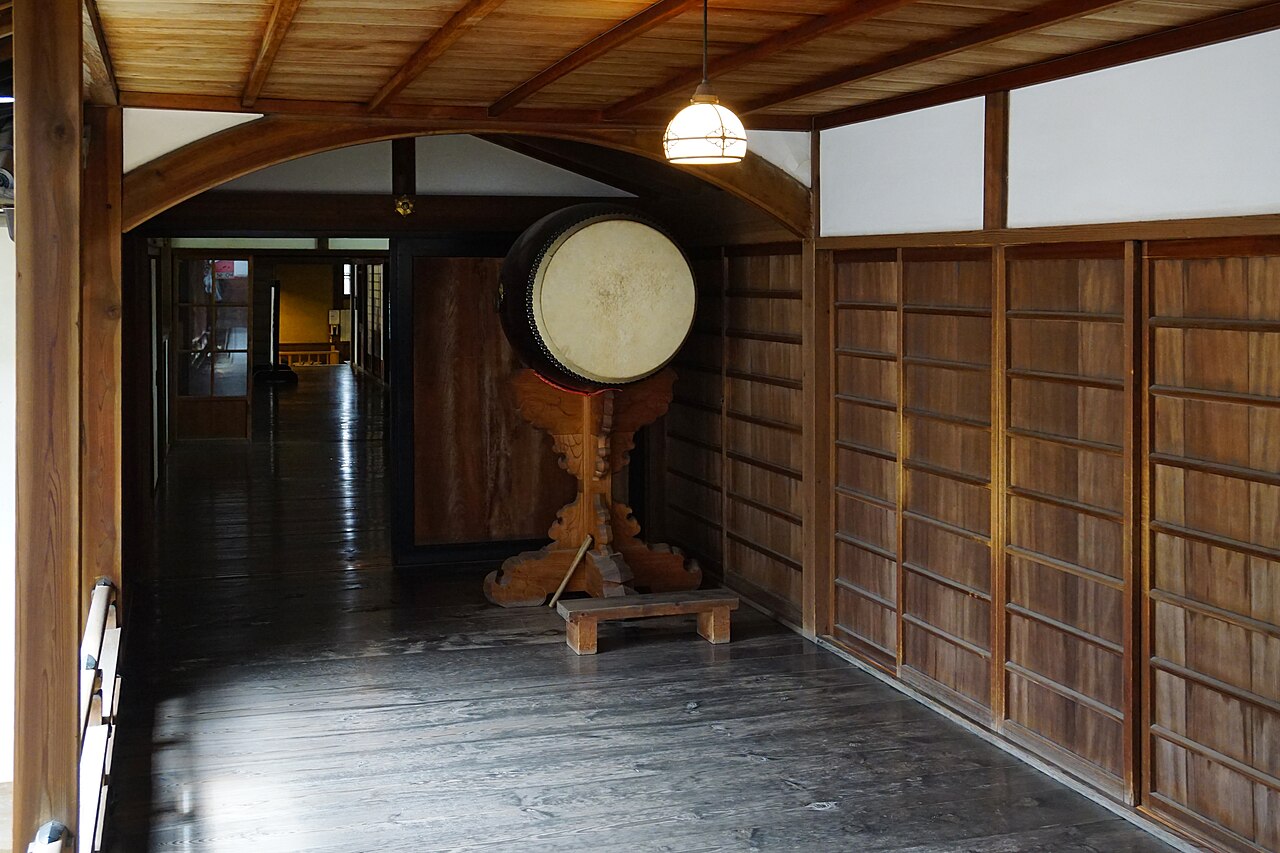
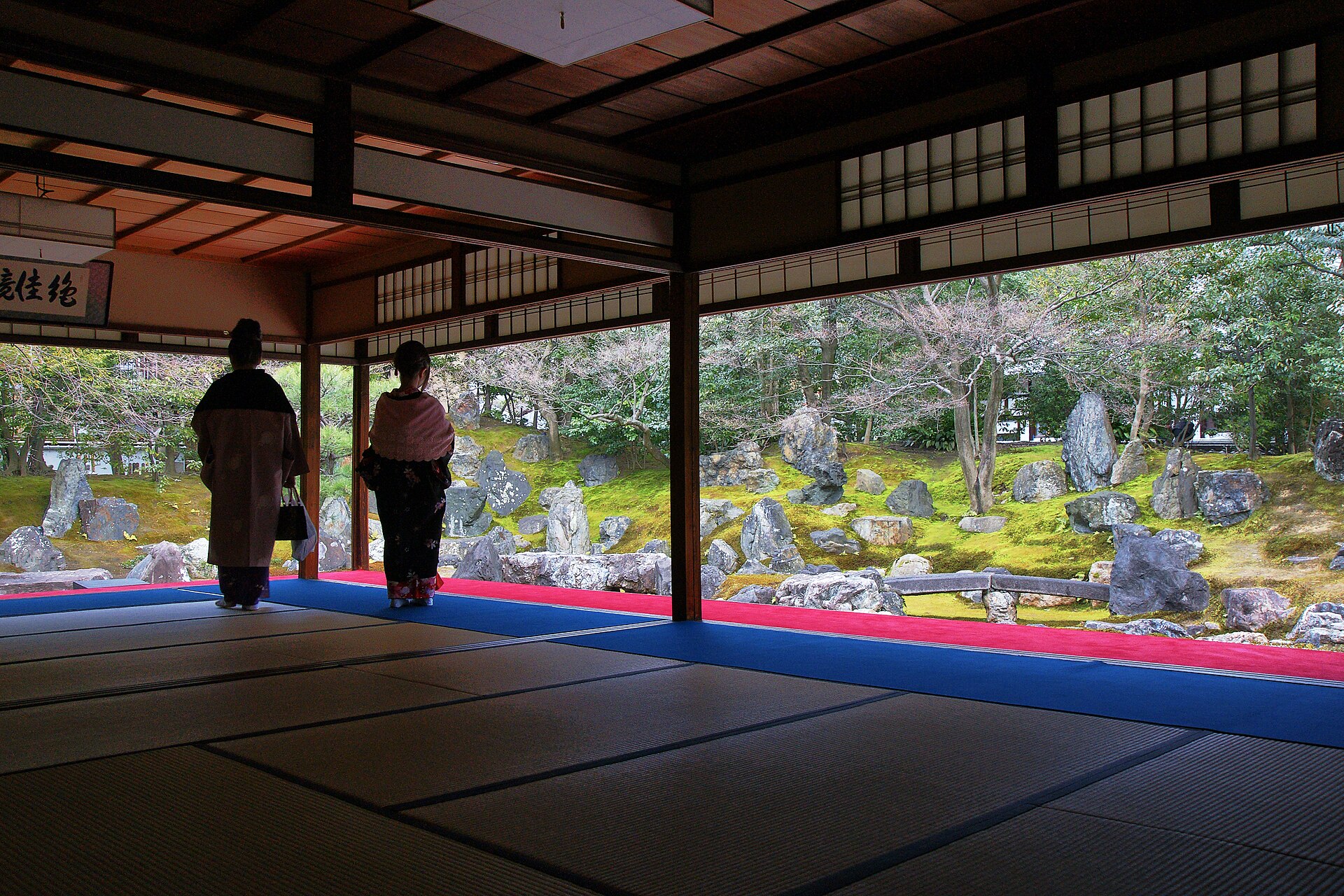
Entoku-in is shaped by gardens and rooms designed to be viewed slowly. The grounds include a rock garden and a moss garden, while borrowed scenery draws the distant hills into the composition. Inside, traditional sliding doors with painted screens and tatami-matted spaces connect art, architecture, and garden views. Seasonal vegetation changes the balance of colour and texture, so the same paths can feel different across the year. Objects associated with the temple’s founding figures add historical depth to the visit. Sit where permitted, study the framed views, and notice how the Zen layout turns a relatively compact site into a sequence of carefully controlled perspectives.
Checked 2026-08-26 · Source
Allow about 30 minutes to an hour for Entoku-in. The compact sub-temple can be covered efficiently, but its gardens reward a slower pace than a quick circuit. Give yourself time to sit or pause where permitted, compare the rock and moss gardens, and look closely at the relationship between painted screens, tatami rooms, and the outside landscape. Visitors with a strong interest in Momoyama-period art or Japanese garden design may stay longer. If you are exploring Kodai-ji and Higashiyama on foot, include the transitions between sites in your day plan so the visit does not become rushed.
Checked 2026-08-26 · Source
Each season gives Entoku-in a different visual emphasis. Spring brings fresh greenery and the broader Higashiyama blossom season; summer makes the moss garden especially lush while heat and humidity affect comfort. Autumn brings strong colour to the hillside maples and attracts more visitors, while winter offers colder, clearer conditions and the possibility of snow-dusted garden views. Morning is well suited to quiet contemplation. Seasonal illumination may extend the broader Kodai-ji experience when offered, but the garden visit itself is best planned around the temple’s calm daylight atmosphere and the time needed to sit with its framed views.
Checked 2026-08-26 · Source
Entoku-in belongs to the Kodai-ji temple complex, so its entrance may form part of a wider complex visit rather than functioning like an entirely separate attraction. The available guide information does not establish a current admission amount, discount structure, or confirmed payment method, so avoid building a precise ticket budget from this page. Carry some Japanese yen for temple-related payments or offerings, and treat the entrance arrangement presented on arrival as part of the practical experience. The site’s main reward is the gardens, rooms, and historical atmosphere, not a large collection of ticketed exhibits.
Checked 2026-08-26 · Source
Entoku-in sits in eastern Kyoto’s Higashiyama district, within the wider Kodai-ji area. The approach is naturally combined with walking through the preserved streets around Ninenzaka and Sannenzaka, although those routes include steps, slopes, and uneven stone surfaces. City buses serve the broader district, while a taxi can bring you near the approach before the final section on foot. From Gion or the Kawaramachi side, walking makes the surrounding historic streets part of the journey. Bicycle access is less useful close to the temple, where space and pedestrian traffic are limited.
Checked 2026-08-26 · Source
The hillside setting means that some visitors will encounter stairs, uneven stone paths, and slippery surfaces after rain. Wear shoes with a secure grip and allow a little extra time rather than hurrying through the gardens. Keep voices low in the compact rooms, respect any request to remove shoes, and give other visitors space around viewing points. Spring blossoms and autumn foliage bring heavier crowds. Weather changes the experience substantially: summer humidity, winter cold, and wet garden paths all affect comfort. The temple may also need to prioritise religious use or maintenance, so move attentively through the spaces presented for visitors.
Checked 2026-08-26 · Source
Entoku-in offers strong photographic subjects in the relationship between rock, moss, timber, painted screens, and distant hills. Frame the gardens from the viewing rooms where permitted, allowing the borrowed scenery to remain part of the composition instead of isolating one decorative detail. Follow all restrictions inside buildings and never photograph worshippers without permission. Flash can disturb the subdued interiors, while tripods and large equipment take space in compact rooms. The best record of the visit is often quiet and simple: a garden plane, a threshold, a screen, or a carefully framed view that preserves the temple’s restrained Zen character.
Checked 2026-08-26 · Source
Yes. Entoku-in is a distinct Rinzai Zen sub-temple within the wider Kodai-ji temple complex in Kyoto’s Higashiyama district.
Kita-no-Mandokoro, also known as Nene and the widow of Toyotomi Hideyoshi, established Entoku-in as a memorial temple connected with her husband’s legacy.
Entoku-in belongs to the Rinzai school of Zen Buddhism, a major Japanese Zen tradition.
The visit includes a rock garden, a moss garden, borrowed scenery, tatami-matted rooms, traditional painted sliding screens, and seasonal vegetation.
Allow around 30 minutes to an hour, with extra time if you want to sit quietly, study the gardens, or combine the visit with Kodai-ji and nearby Higashiyama streets.
Its intimate scale, Rinzai Zen setting, memorial history, painted screens, and carefully composed rock and moss gardens give it a reflective character within Higashiyama.
Loading the interactive map…
The interactive map could not be loaded.
Last updated:
Source: OpenStreetMap contributors, Wikidata ·