.jpg)
3 min walk
Shōren-in Temple
- High · Heritage site
- Place of worship
Language · 11 published
Place of worship · Kyoto
知恩院
Reviewed by Elena Voss · Roavina Travel Editor
| Monday | 09:00 – 15:50 |
|---|---|
| Tuesday | 09:00 – 15:50 |
| Wednesday | 09:00 – 15:50 |
| Thursday | 09:00 – 15:50 |
| Friday | 09:00 – 15:50 |
| Saturday | 09:00 – 15:50 |
| Sunday | 09:00 – 15:50 |
Checked 2026-08-31 · Source
Read from the OpenStreetMap access tags; anything not listed has no tag recorded.
Set the group type to family in the planner and the day window contracts to about three quarters of a solo day.
This place is a Place of worship. It was established in 1175. It carries the National Treasure of Japan heritage designation.
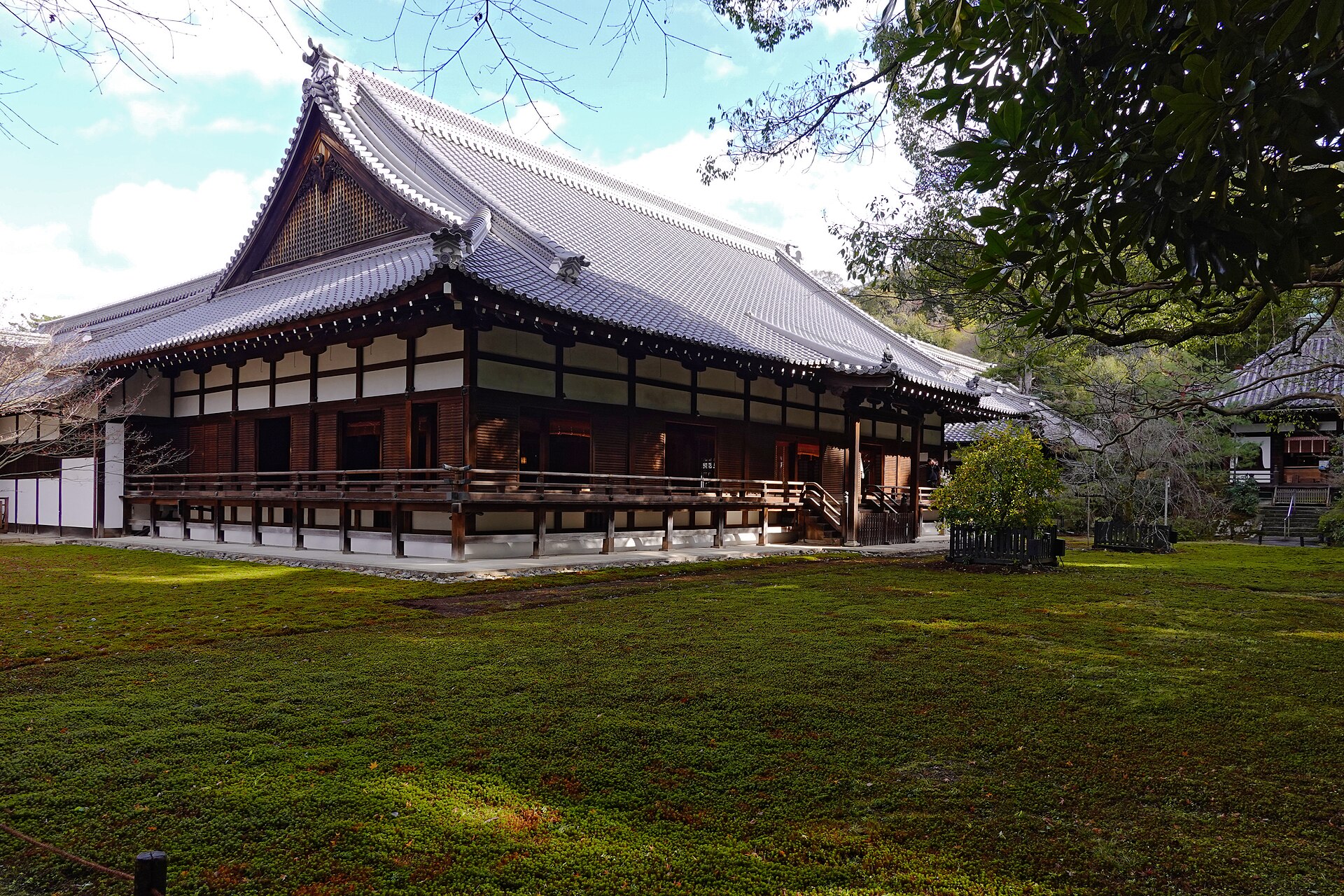
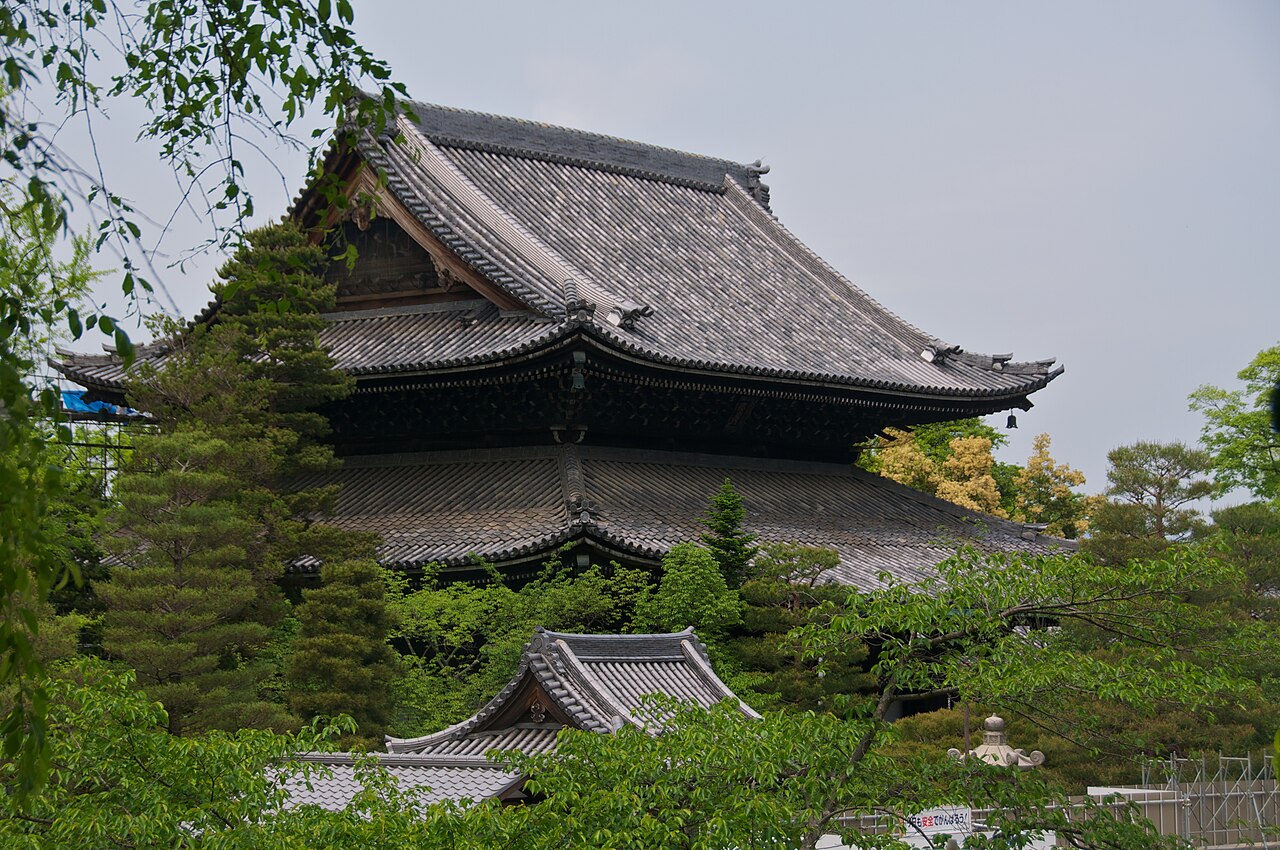
Chion-in is a Jodo-shu Buddhist temple in Kyoto, Japan. It serves as the headquarters of the Jodo-shu sect founded by Honen. The temple complex occupies a significant site on the slopes of Higashiyama. Its Sanmon gate is among the largest wooden gates in Japan. The temple has historical importance as the location where Honen taught his doctrine of nembutsu recitation. The grounds contain multiple structures of religious and architectural significance accumulated over centuries of patronage. A flexible visit lets travellers connect Chion-in with the rest of the day without treating one room, viewpoint or photograph as the whole experience. The useful pace depends on personal interest and conditions on arrival.
Checked 2026-08-31 · Source
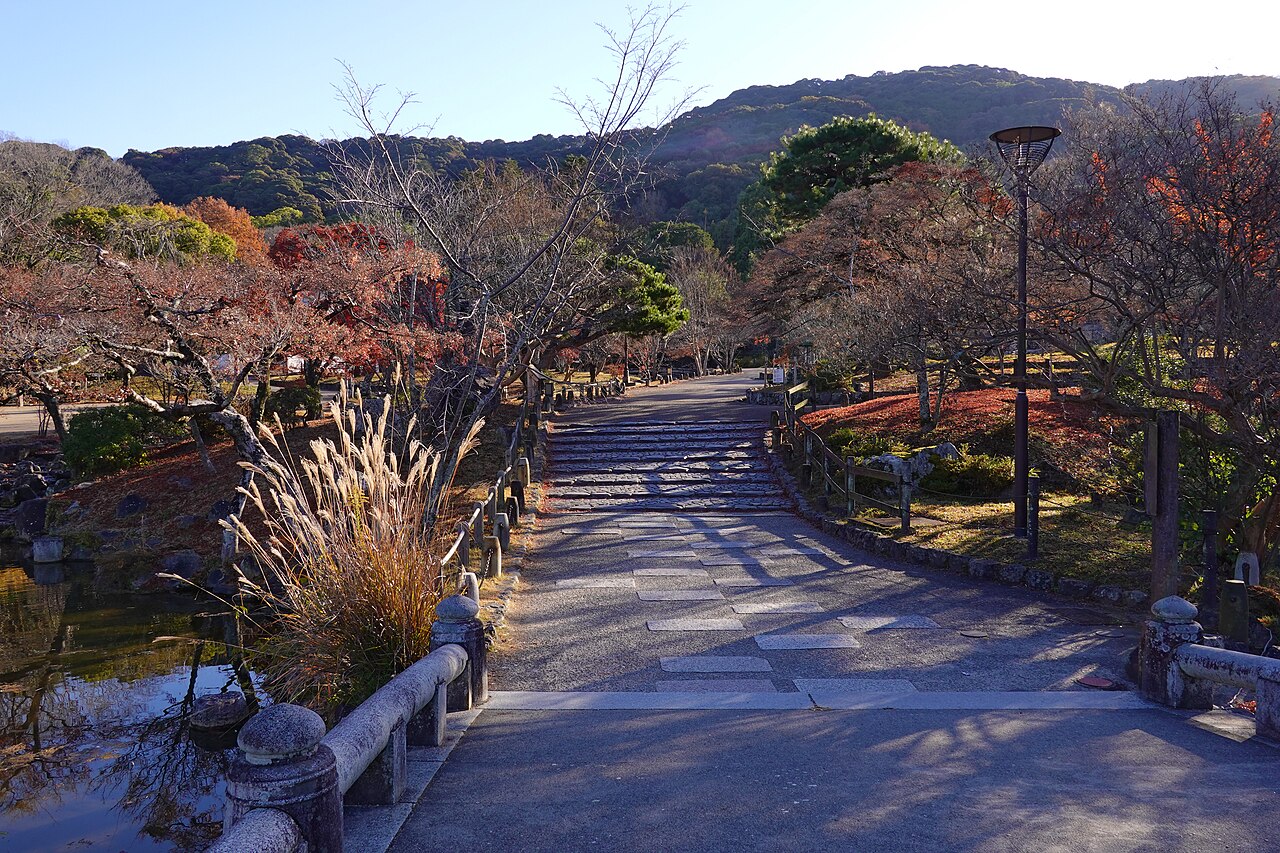
The temple complex contains the Miedo hall, which enshrines a revered image of Honen. The Sanmon gate stands as a dominant visual feature. A large bell, known as the Daishoro, is present on the grounds. Stone pathways and staircases connect the various levels of the hillside complex. Gardens and wooded areas surround the built structures. Cemetery grounds with historical graves occupy portions of the site. The overall arrangement reflects traditional Japanese temple layout adapted to sloping terrain. The strongest visit keeps attention on what is distinctive here while leaving room for the next stop. That approach makes Chion-in useful in both a focused first visit and a slower return to the city.
Checked 2026-08-31 · Source
Visitors typically spend between sixty and ninety minutes exploring the accessible portions of Chion-in. The hillside location requires walking up and down stone staircases, which affects pacing for individual visitors. Those with limited mobility may need additional time or may find certain areas challenging to reach. Photography stops and brief rest periods extend typical visits. The extensive grounds reward unhurried exploration, though core features can be viewed in a shorter timeframe if necessary. Chion-in also earns time in a kyoto itinerary because WIKIDATA_PRODUCTION reconciliation for the ranked entry; identity and coordinates were verified without a nearby fallback. Its value becomes clearer when the stop is compared with the surrounding streets and the other ranked places nearby.
Checked 2026-08-31 · Source
Main temple gates and paid gardens generally open 09:00-15:50, with seasonal special-night openings. Temple ceremonies can restrict individual halls. Seasonal considerations affect the Chion-in experience. Spring brings cherry blossoms to the hillside location. Autumn foliage colors the surrounding trees. Summer visits encounter warmer temperatures and denser vegetation. Winter offers reduced crowds and bare architectural views. Visitors should consult current official sources before planning arrival. Special religious observances may affect accessibility or atmosphere on certain dates. Morning and late afternoon light conditions differ for photography and ambiance throughout the year.
Checked 2026-08-31 · Source
Main temple precinct is free. Hojo and Yuzen-en gardens charge JPY 500 adult combined, or JPY 400 and JPY 300 separately. Some temple buildings may require separate admission while others remain freely accessible. Cash payment in Japanese yen is standard at religious institutions in Kyoto. Combination arrangements with nearby attractions are not confirmed. Annual passes or repeat-visit options are not documented. Budget conservatively for temple admissions when planning Kyoto itineraries, and carry sufficient cash as card acceptance varies.
Checked 2026-08-31 · Source
Higashiyama subway station is about ten minutes away; Kyoto City Bus stop Chion-in-mae is below the temple approach. Chion-in occupies a hillside position in the Higashiyama district of eastern Kyoto. The location is walkable from Gion and other central Higashiyama attractions. Public bus routes serve the general area with stops requiring additional walking. Taxis can approach nearby but may not reach the temple entrance directly due to pedestrian zones and topography. Walking from nearby landmarks such as Maruyama Park or Yasaka Shrine is commonly practiced by visitors.
Checked 2026-08-31 · Source
An accessible side approach and lifts serve selected main halls, but the monumental Sanmon stairs, slopes and garden paths prevent a full step-free route. The stone staircases throughout Chion-in become slippery in wet conditions and require appropriate footwear. Steep gradients present challenges for visitors with mobility limitations, strollers, or wheeled luggage. Religious decorum is expected in buildings and near worship areas. Photography restrictions may apply in certain interior spaces. Crowding concentrates at the Sanmon gate and main approach. Limited English signage necessitates preparation or guide assistance. Wildlife including birds and insects inhabits the wooded portions. Early darkness in winter affects safe descent of stairways.
Checked 2026-08-31 · Source
The Sanmon gate provides an iconic photographic subject best captured from the approach pathway. The hillside setting offers elevated perspectives over surrounding areas. Interior photography restrictions are probable in the Miedo and other halls but not explicitly confirmed. Morning and late afternoon light quality varies by season due to the eastern hillside position. Tripod use may be restricted or impractical on crowded stairways. Overcast conditions reduce harsh shadows on the wooden structures. Cherry blossom and autumn foliage seasons present distinctive photographic opportunities.
Checked 2026-08-31 · Source
Yes.
JPY 500 adult.
No.
Yes to selected halls.
Yes.
Higashiyama.
Loading the interactive map…
The interactive map could not be loaded.
Last updated:
Source: OpenStreetMap contributors, Wikidata ·