3 min walk
Yasaka Shrine
- Must see · Heritage site
- Place of worship
Language · 11 published
Nature site · Kyoto
円山公園
Reviewed by Elena Voss · Roavina Travel Editor
| Monday | 00:00 – 23:59 |
|---|---|
| Tuesday | 00:00 – 23:59 |
| Wednesday | 00:00 – 23:59 |
| Thursday | 00:00 – 23:59 |
| Friday | 00:00 – 23:59 |
| Saturday | 00:00 – 23:59 |
| Sunday | 00:00 – 23:59 |
Checked 2026-08-31 · Source
Read from the OpenStreetMap access tags; anything not listed has no tag recorded.
Set the group type to family in the planner and the day window contracts to about three quarters of a solo day.
This place is a Park. It was established in 1886. It carries the Place of Scenic Beauty heritage designation.
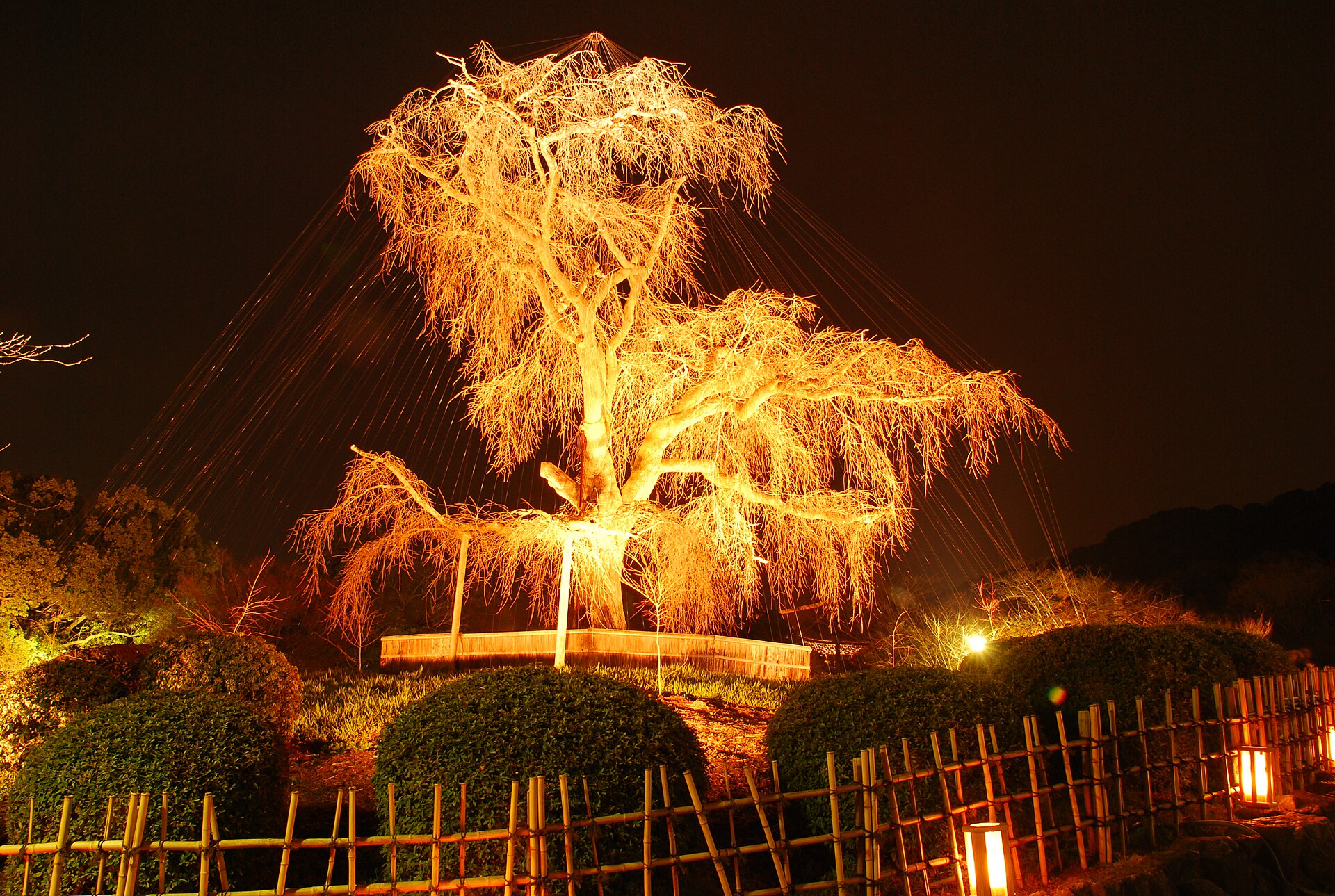
Maruyama Park is a public park located in the Higashiyama district of Kyoto, Japan. It sits at the base of the Eastern Mountains and serves as one of the city's most popular cherry blossom viewing locations. The park was established during the Meiji period and represents an early example of Western-style park design in Japan, though it incorporates traditional Japanese garden elements. It is particularly famous for its large weeping cherry tree, which becomes the focal point of seasonal celebrations. The park functions as a free public space accessible throughout the year.
Checked 2026-08-31 · Source
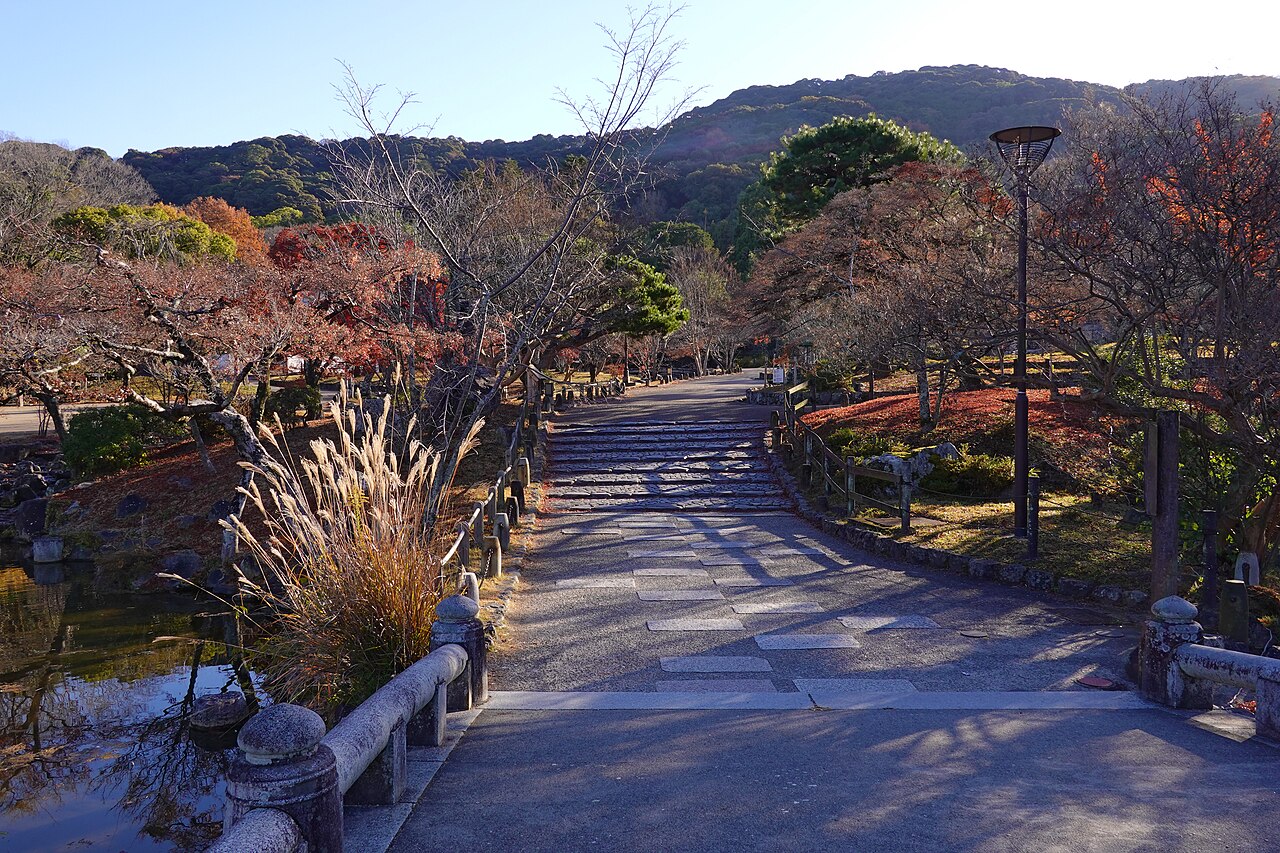
The park contains landscaped gardens, walking paths, and open lawn areas suitable for picnics and relaxation. Its most celebrated feature is a prominent weeping cherry tree that draws substantial crowds during the spring blooming season. Traditional stone lanterns and small water features are distributed throughout the grounds. Several teahouses and food vendors operate within or adjacent to the park boundaries, particularly during peak visitor periods. The surrounding Higashiyama area contains numerous temples and shrines that visitors commonly combine with a park visit. The terrain includes gentle slopes and paved walkways.
Checked 2026-08-31 · Source
A typical visit to Maruyama Park ranges from thirty minutes to two hours depending on individual interests and seasonal conditions. Visitors seeking only a brief stroll through the central areas can complete their exploration relatively quickly. Those planning picnics, extended photography sessions, or combined visits with nearby Yasaka Shrine and the Gion district should allocate additional time. During cherry blossom season, visitors often spend longer periods due to crowds and the desire to experience evening illuminations. The compact size of the park permits efficient coverage without rushed pacing.
Checked 2026-08-31 · Source
The public park is open 24 hours daily. Festival installations, storms and maintenance can close lawns or paths. The park holds particular significance during the spring cherry blossom season, typically late March through early April, when the weeping cherry tree reaches peak bloom. Autumn foliage also attracts visitors, though with less intensity than spring. Summer evenings offer a different atmosphere with fewer visitors. Winter visits provide quiet contemplation but limited visual interest. Kyoto City Bus stops Gion beside Yasaka Shrine; Keihan Gion-Shijo is about ten minutes west. Weather conditions significantly influence the experience.
Checked 2026-08-31 · Source
Park admission is free; food stalls and nearby gardens charge separately. Maruyama Park operates as a free public space with no admission charge for entry or general use of the grounds. No ticket purchase is required for standard visits. Food and beverage purchases from vendors within the park require direct payment. Visitors should carry cash, as not all vendors may accept electronic payment methods. Prices for refreshments and seasonal offerings vary by vendor and are subject to change without advance notice.
Checked 2026-08-31 · Source
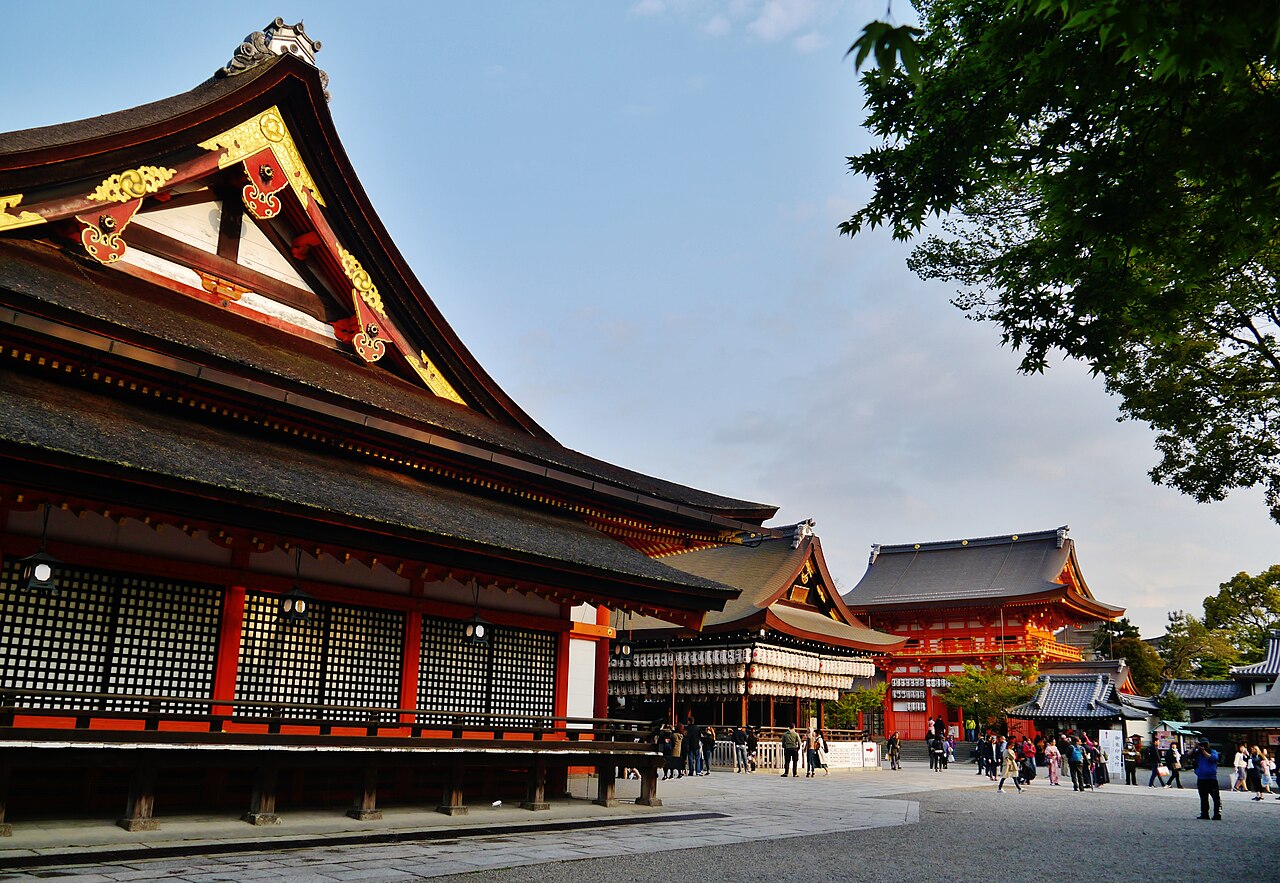
Kyoto City Bus stops Gion beside Yasaka Shrine; Keihan Gion-Shijo is about ten minutes west. The park is accessible via multiple public transportation options serving the Higashiyama area. The nearest train stations include Gion-Shijo Station on the Keihan Main Line and Kawaramachi Station, from which visitors walk eastward into the Higashiyama district. City buses serve stops in the vicinity, though specific route numbers and schedules should be verified through current transit resources. Walking from the central Kyoto Station area requires approximately thirty to forty minutes. The park connects directly to Yasaka Shrine, which serves as a useful landmark for navigation. Cycling is possible but parking availability is limited.
Checked 2026-08-31 · Source
Paved paths, ramps, accessible toilets, benches and level approaches from Yasaka Shrine provide a step-free main circuit; hill paths are steeper. Crowd density increases dramatically during cherry blossom season, potentially affecting movement and comfort. Visitors should exercise patience and awareness of surrounding groups. Nighttime illumination periods may involve uneven lighting conditions on pathways. The park's open design offers limited shelter from rain or strong sun. Wildlife, including birds and occasional monkeys from the mountain slopes, may approach visitors; direct feeding is inadvisable. Alcohol consumption is common during hanami gatherings; visitors should remain aware of their surroundings. Litter disposal requires attention, as bin availability fluctuates. Respect for the shared public space and other visitors supports positive experiences for all.
Checked 2026-08-31 · Source
The weeping cherry tree provides the park's most photographed subject, particularly effective during overcast conditions or golden hour lighting. Tripod use may be restricted during peak crowds for safety reasons. Night photography during illuminations requires higher ISO settings or stable support due to mixed artificial lighting. The surrounding temple architecture offers complementary framing opportunities. Early morning visits yield fewer people in backgrounds. Reflection possibilities exist near water features when wind conditions permit. Drone operation should be assumed prohibited without explicit prior authorization. Visitors should remain conscious of photographing other individuals without consent, particularly during private gatherings.
Checked 2026-08-31 · Source
Yes.
Yes, 24 hours.
Yes on main paths.
Yes.
The central weeping cherry is illuminated during blossom season.
Gion.
Loading the interactive map…
The interactive map could not be loaded.
Last updated:
Source: OpenStreetMap contributors, Wikidata ·