6 min walk
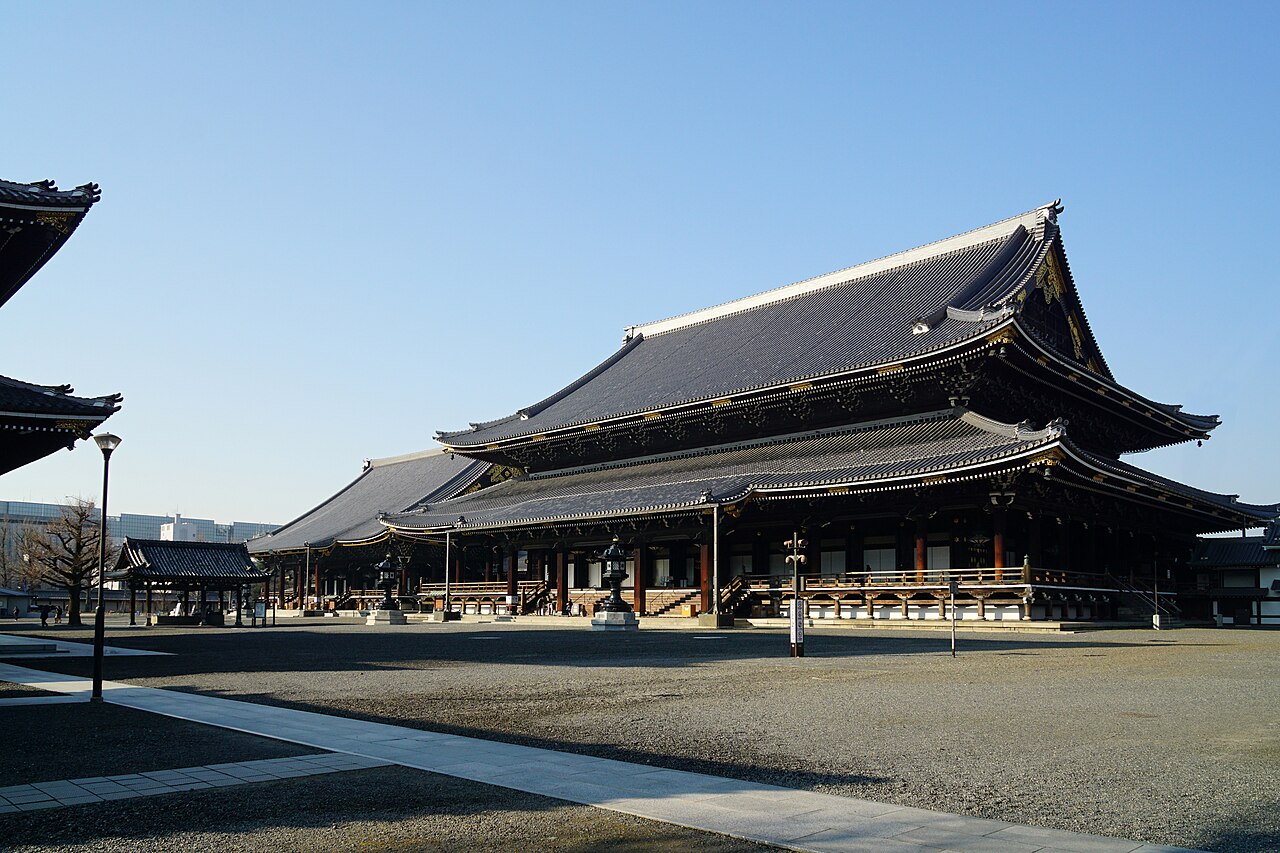
Higashi Hongan-ji Temple
- Must see · Heritage site
- Place of worship
Language · 11 published
Nature site · Kyoto
渉成園
Reviewed by Elena Voss · Roavina Travel Editor
| Monday | 09:00 – 17:00 |
|---|---|
| Tuesday | 09:00 – 17:00 |
| Wednesday | 09:00 – 17:00 |
| Thursday | 09:00 – 17:00 |
| Friday | 09:00 – 17:00 |
| Saturday | 09:00 – 17:00 |
| Sunday | 09:00 – 17:00 |
Parsed from OpenStreetMap opening hours on 2026-09-09.
This place is a Garden. It was established in 1653. It carries the Place of Scenic Beauty heritage designation.
Shosei-en Garden is the detached garden of Higashi Hongan-ji and a compact example of Kyoto’s cultivated landscape tradition. Its ponds, bridges, teahouses, trees, and carefully arranged views create a quiet contrast with the city around it. Because it lies near Kyoto Station, the garden is an accessible choice for travellers who want a traditional setting without committing to a distant excursion across Kyoto. Shosei-en Garden is a traditional Japanese garden located in Kyoto. It serves as the detached garden of Higashi Hongan-ji, one of the largest Buddhist sect headquarters in the city. The garden occupies a modest site near Kyoto Station in the urban core. Its design incorporates classical elements of Japanese landscape architecture, including ponds, bridges, and teahouses arranged in a stroll-garden format. The space offers visitors a contrast between cultivated nature and the surrounding city environment. Shosei-en Garden functions as the detached garden of Higashi Hongan-ji, maintaining a formal relationship with the temple institution while occupying a separate site.
Checked 2026-08-26 · Source
The garden’s central pond gives the walk its changing perspectives, with bridges and islands shaping views from different points around the water. Teahouses and traditional garden details add architectural interest, while trees and seasonal plantings alter the colour and texture of the scene. The pleasure comes from movement: a bridge, shoreline, or turn in the path reveals another composition rather than one single viewpoint. The garden contains several traditional structures and landscape features typical of Japanese garden design. A central pond dominates the composition, with islands and bridges creating scenic viewpoints. Historic teahouses are situated within the grounds, reflecting the garden's role in cultural practices. Various trees and plantings, including seasonal specimens, are arranged throughout. Stone lanterns and water basins appear in traditional placements. The garden's layout encourages walking circulation with changing perspectives.
Checked 2026-08-26 · Source
Allow thirty minutes to an hour for the garden circuit. The compact grounds suit a short visit between Kyoto Station and other central attractions, while photographers and visitors who enjoy quiet observation may stay longer. Move slowly enough to notice the relationship between water, bridges, buildings, stones, and planting. The garden works best as a focused pause rather than a rushed checklist stop. Visitors typically allocate between thirty minutes and one hour for a complete circuit of Shosei-en Garden. The compact scale permits efficient viewing without extended walking distances. Those inclined toward contemplative sitting or detailed observation of plantings and stonework may prefer a longer stay.
Checked 2026-08-26 · Source
Spring and autumn bring strong seasonal colour, while summer foliage and winter structure reveal a simpler side of the garden. Rain can change the mood of the pond and paths, but wet ground also requires more careful walking. The garden is particularly convenient early or late in a central Kyoto day, when you can enjoy its calm atmosphere before moving on to temples, markets, or the station district.
Checked 2026-08-26 · Source
Shosei-en is a paid garden visit, so include its entrance fee in your central Kyoto sightseeing budget. Allow time to read the admission information before entering, particularly if you are travelling with children, seniors, or a group. The garden is compact enough that a ticket can fit naturally into a wider walking route, rather than requiring a separate half-day commitment or a long journey from the city centre.
Checked 2026-08-26 · Source
The garden is near Kyoto Station, making it practical for travellers arriving by shinkansen, JR, or Kintetsu services. Walking from the station area usually takes about ten to fifteen minutes, depending on your exit and pace. Local buses, taxis, and bicycles provide alternatives. Combine Shosei-en with Higashi Hongan-ji and other nearby central sights to create a coherent route with little backtracking.
Checked 2026-08-26 · Source
Ponds, bridges, gravel, and natural paths require attentive footing, especially after rain. Some traditional structures may have limited entry or may require visitors to remove their shoes, so follow the signs at each building. Remember that the garden belongs to a religious institution and keep voices and behaviour respectful. Peak seasonal periods can make the compact circuit feel crowded, so pause at wider viewpoints when others are moving through.
Checked 2026-08-26 · Source
The pond, bridges, teahouses, stone details, and seasonal planting provide a varied set of compositions. Walk around the water before choosing a viewpoint, because the garden is designed to reveal changing relationships between its elements. Keep tripods and large equipment out of narrow paths, and follow any signs governing interiors or special displays. Reflections are often strongest when the water is still, while soft morning or late-afternoon light can emphasise texture.
Checked 2026-08-26 · Source
Shosei-en is the detached garden of Higashi Hongan-ji, although it occupies its own site near Kyoto Station.
A circuit takes about thirty minutes to an hour, with longer visits rewarding photographers and travellers who enjoy quiet observation.
Yes. The walk from the station area is about ten to fifteen minutes, depending on your exit and walking pace.
The experience centres on a pond with islands, bridges, teahouses, trees, seasonal planting, and changing walking perspectives.
Spring and autumn offer strong seasonal colour, while summer and winter reveal different textures, structure, and quieter visual moods.
Wear comfortable shoes with secure footing, especially after rain, and choose clothing suitable for an outdoor walk around water and gravel paths.
Loading the interactive map…
The interactive map could not be loaded.
Last updated:
Source: OpenStreetMap contributors, Wikidata ·