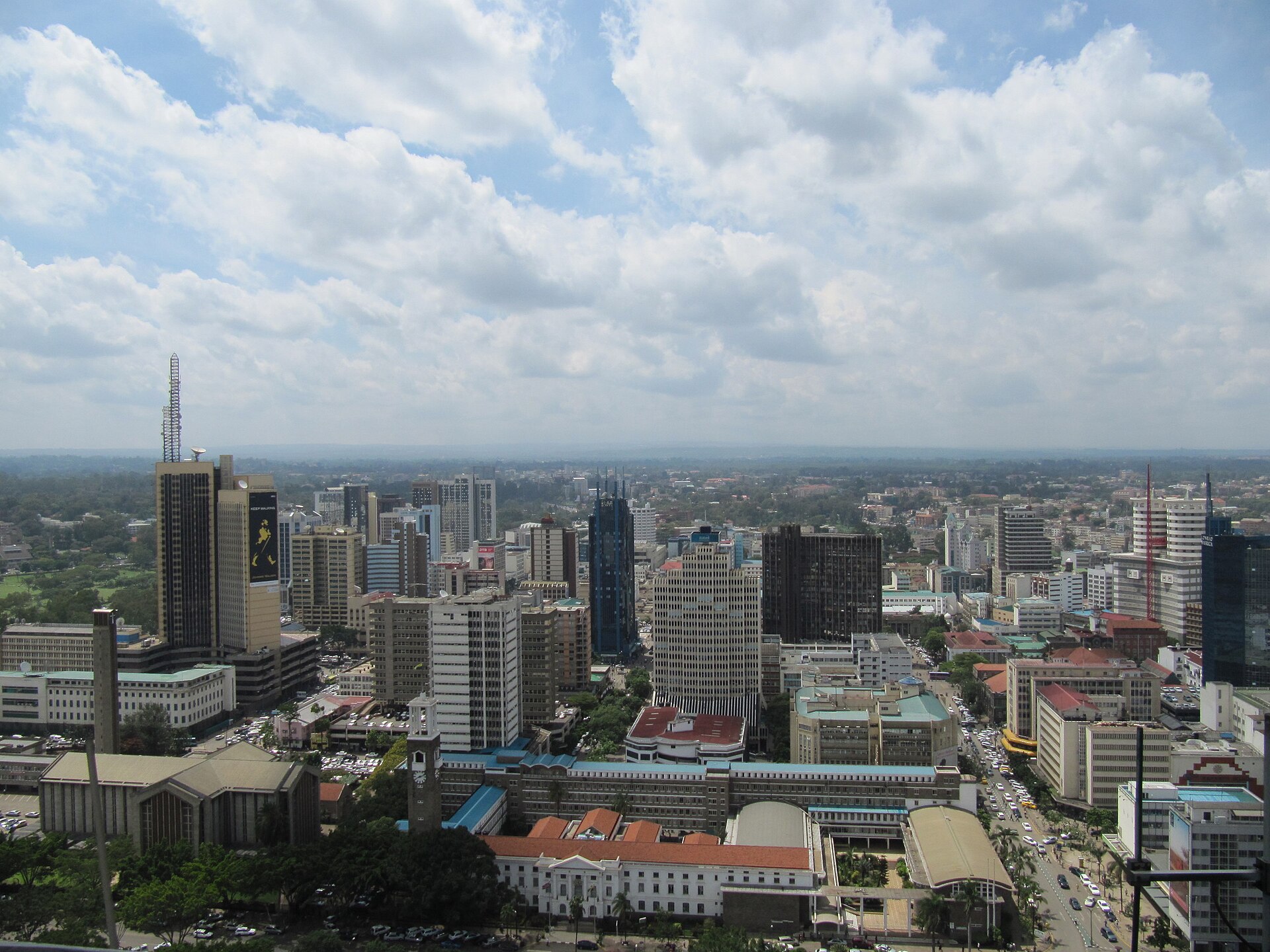
A photograph of Nairobi

City guide · Kenya

Nairobi

Nairobi combines a dense central business district with major visitor areas spread south and west across the metropolitan edge. The National Museum and central...

Photograph · Daryona · CC BY-SA 3.0

3,948 Places
Suggested stay
Not recorded
Getting around
Bus, matatu and car

Turn this list into a plan

Set your days, your pace and the hours you actually want to be out. The planner works around closing days and travel time, and leaves room to eat.

Plan Nairobi

Reviewed by Elena Voss · Roavina Travel Editor

Nairobi combines a dense central business district with major visitor areas spread south and west across the metropolitan edge. The National Museum and central civic sites can share one route, while Karen and Langata contain a separate group of museums, wildlife centres and cultural venues. Nairobi National Park forms another large southern zone. Grouping these areas prevents repeated crossings through traffic and makes early wildlife entry times easier to manage.

Checked 2026-08-26

Practical information

Language spoken
Swahili and English
National practical orientation; regional and minority languages may also be used
Dialling code
+254
International calling code; local area and mobile prefixes still apply
Currency
Kenyan shilling (KES)
Use the official local currency; card acceptance varies by place
Emergency number
999 or 112
Use only for an emergency; tourist assistance may use a separate number
Plug type
Type G · 240 V
Check that chargers support the recorded voltage before using an adapter
Tap water
Not recorded
No verified nationwide visitor drinking-water statement was recorded

Planning a visit

September · September balances a 23.7°C daily maximum, 10.5°C minimum and only 28.3 mm rain in Nairobi.

  1. January: best time to visit
  2. February: best time to visit
  3. March: good time to visit
  4. April: viable with meaningful trade-offs
  5. May: viable with meaningful trade-offs
  6. June: good time to visit
  7. July: good time to visit
  8. August: good time to visit
  9. September: best time to visit — current month
  10. October: good time to visit
  11. November: viable with meaningful trade-offs
  12. December: good time to visit

Sources

Top things to see

Ranked by importance — sitelinks, pageviews and heritage status, not editor preference.

  1. Karen Blixen Museum Karen Blixen Museum
    02 1 hr 30 min

    Karen Blixen Museum

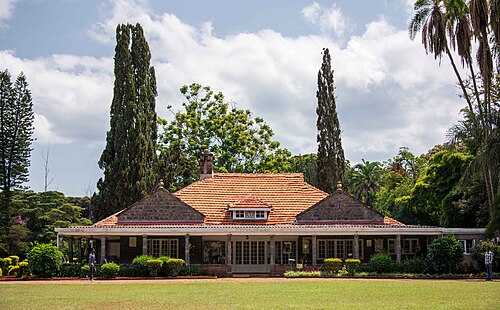
    Karen Blixen Museum occupies the preserved farmhouse where Danish author Karen Blixen lived from 1914 to 1931. The house stands in Nairobi’s Karen suburb, a district whose name is connected with Blixen.

    • Must see
    • Museum
  2. Nairobi Railway Museum Nairobi Railway Museum
    03 1 hr 30 min

    Nairobi Railway Museum

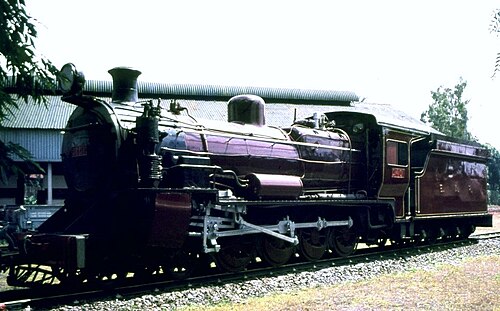
    Nairobi Railway Museum is a heritage museum in central Nairobi dedicated to the Uganda Railway and Kenya’s rail transport history. It occupies the former railway headquarters near Nairobi railway station.

    • Must see
    • Museum
  3. Kenya National Archives Kenya National Archives
    04 1 hr 30 min

    Kenya National Archives

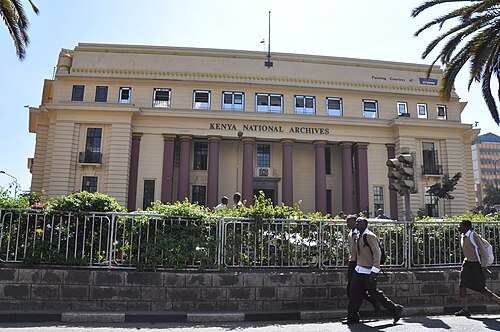
    The Kenya National Archives stands in Nairobi's central business district as the country's principal repository for documentary heritage. The institution preserves government records, historical manuscripts, and private collections that chronicle Kenya's precolonial, colonial, and independent eras.

    • Must see
    • Museum
  4. Nairobi Gallery Nairobi Gallery
    05 1 hr 30 min

    Nairobi Gallery

    Nairobi Gallery occupies the historic Point Zero building at a prominent junction in Nairobi’s central business district. The building gives the visit an architectural and civic setting, while the gallery provides a cultural stop within the city centre.

    • Must see
    • Museum
  5. African Heritage House African Heritage House
    06 1 hr 30 min

    African Heritage House

    African Heritage House is a distinctive residence and cultural landmark south of central Nairobi. Created by Alan Donovan, it brings together architectural ideas, artistic traditions, textiles, and design objects from across Africa.

    • Must see
    • Museum

Source: OpenStreetMap contributors, Wikidata ·

How the city is laid out

The central business district contains City Market, the National Archives and civic landmarks. Westlands sits northwest with hotels, dining and access toward Karura Forest. Karen and Langata lie southwest and hold the Karen Blixen Museum, Giraffe Centre, Bomas of Kenya and conservation sites. Nairobi National Park stretches along the southern edge near Wilson Airport. These zones are connected by busy arterial roads, not one continuous visitor centre.

Checked 2026-08-26

Getting around

Nairobi City County identifies buses and matatus as the most common public transport, alongside car rental and other road options. Walk only within a defined central or neighbourhood cluster, then use planned road transport between the CBD, Westlands, Karen, Langata and the national park. Route numbers and destinations are displayed on matatus, but visitors with timed entries or luggage should allow generous transfer time and confirm the return journey.

Checked 2026-08-26

Common questions

How many days should I plan for Nairobi?

No fixed stay length is recorded. Plan separate blocks for the central city, Karen and Langata, Nairobi National Park, and any northern or western nature area.

Can Nairobi National Park be combined with the city centre?

It is possible, but the park is a large southern zone with timed wildlife activity and road transfers. Treat it as a dedicated block rather than a quick central stop.

How do visitors travel around Nairobi?

Nairobi City County lists buses and matatus as common public transport and also describes car rental. Choose transport according to distance, timing, luggage and return needs.

Which attractions combine well in Karen and Langata?

The Karen Blixen Museum, Giraffe Centre, Bomas of Kenya and nearby conservation venues sit in the same broad southwestern part of Nairobi.

Is central Nairobi enough for a first itinerary?

No. The central district contains important museums and civic landmarks, but many defining wildlife, conservation and cultural visits lie in Karen, Langata or the national park zone.