.jpg)
3 min walk
Kuala Lumpur Orchid Garden
- High
- Nature site
Family attraction · Kuala Lumpur
Taman Rama Rama Kuala Lumpur
| Monday | 09:00 – 18:00 |
|---|---|
| Tuesday | 09:00 – 18:00 |
| Wednesday | 09:00 – 18:00 |
| Thursday | 09:00 – 18:00 |
| Friday | 09:00 – 18:00 |
| Saturday | 09:00 – 18:00 |
| Sunday | 09:00 – 18:00 |
Parsed from OpenStreetMap opening hours on 2026-09-09.
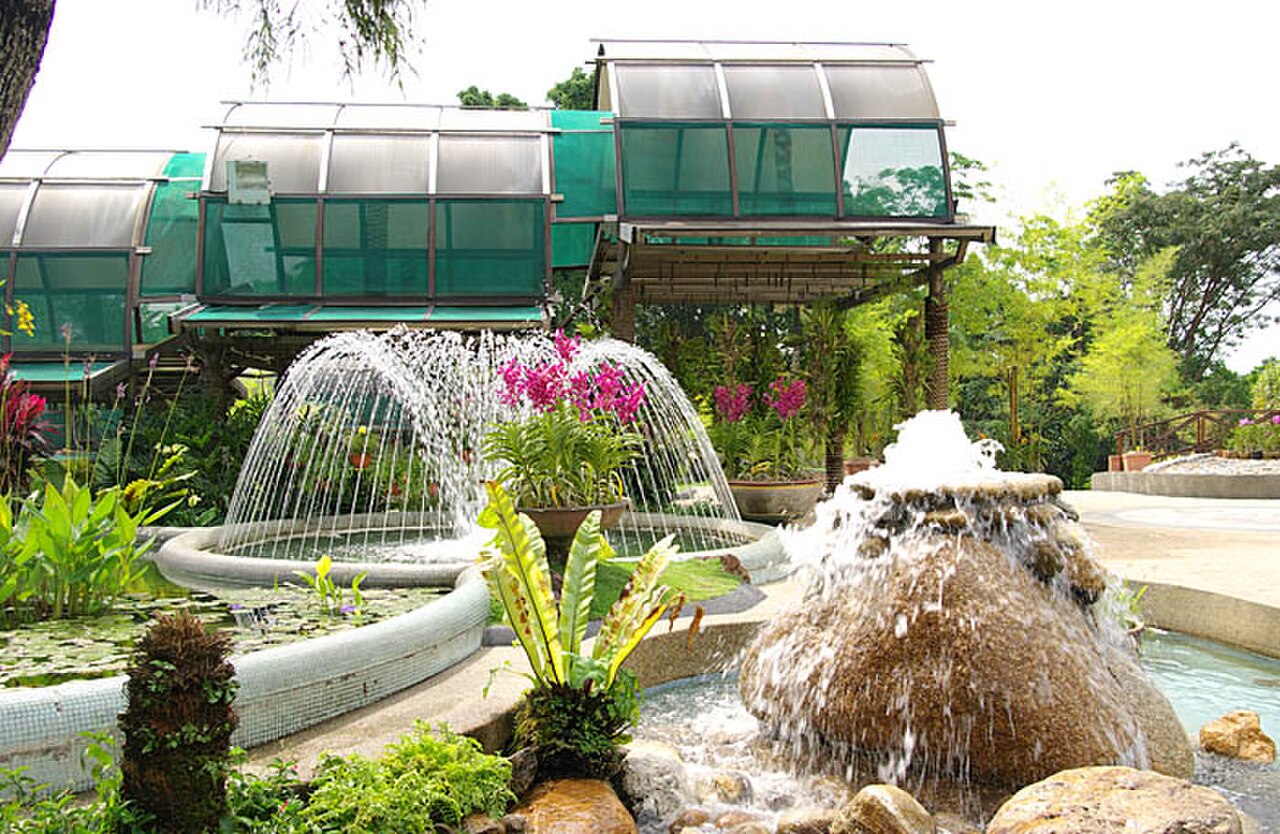
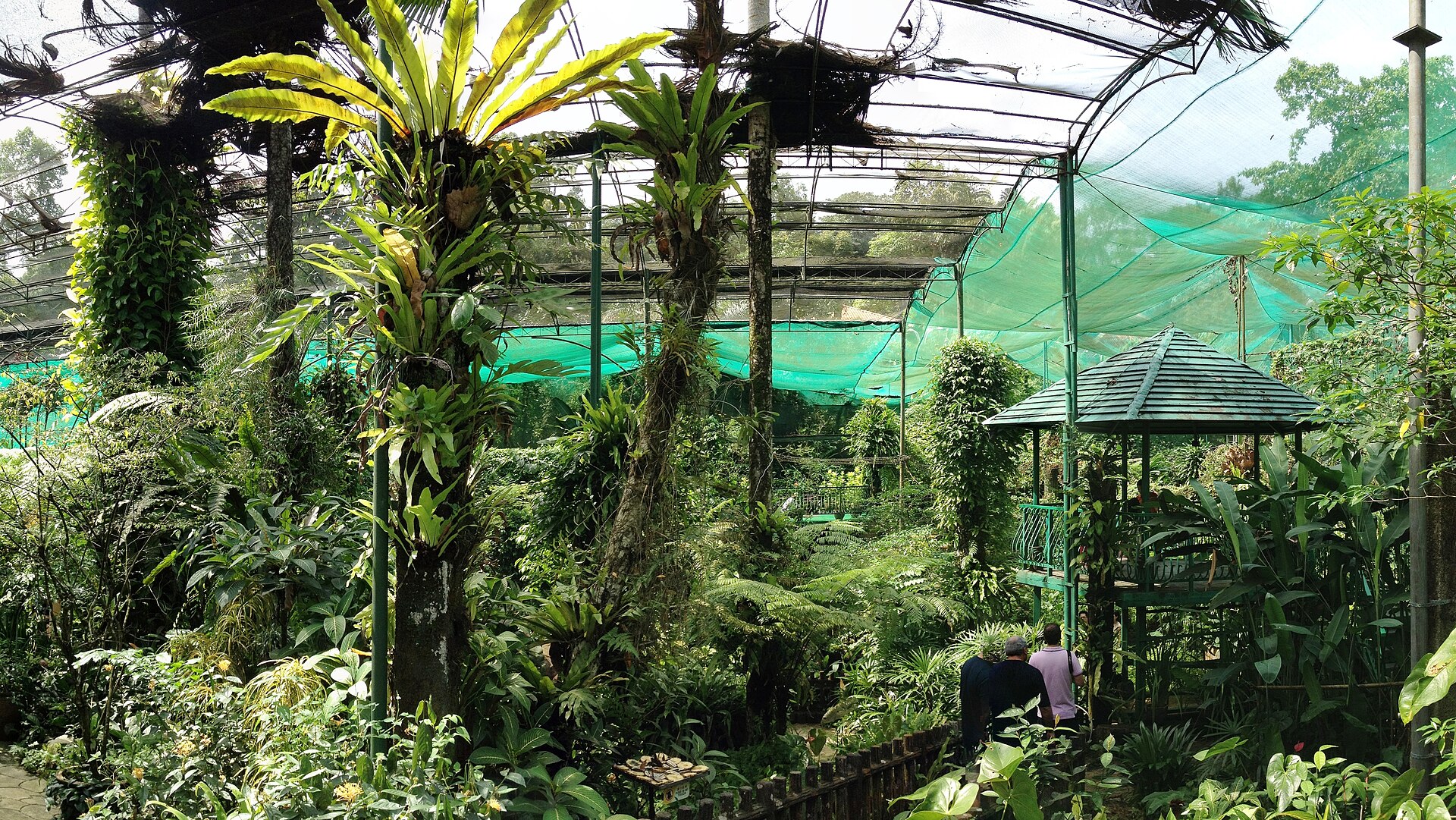
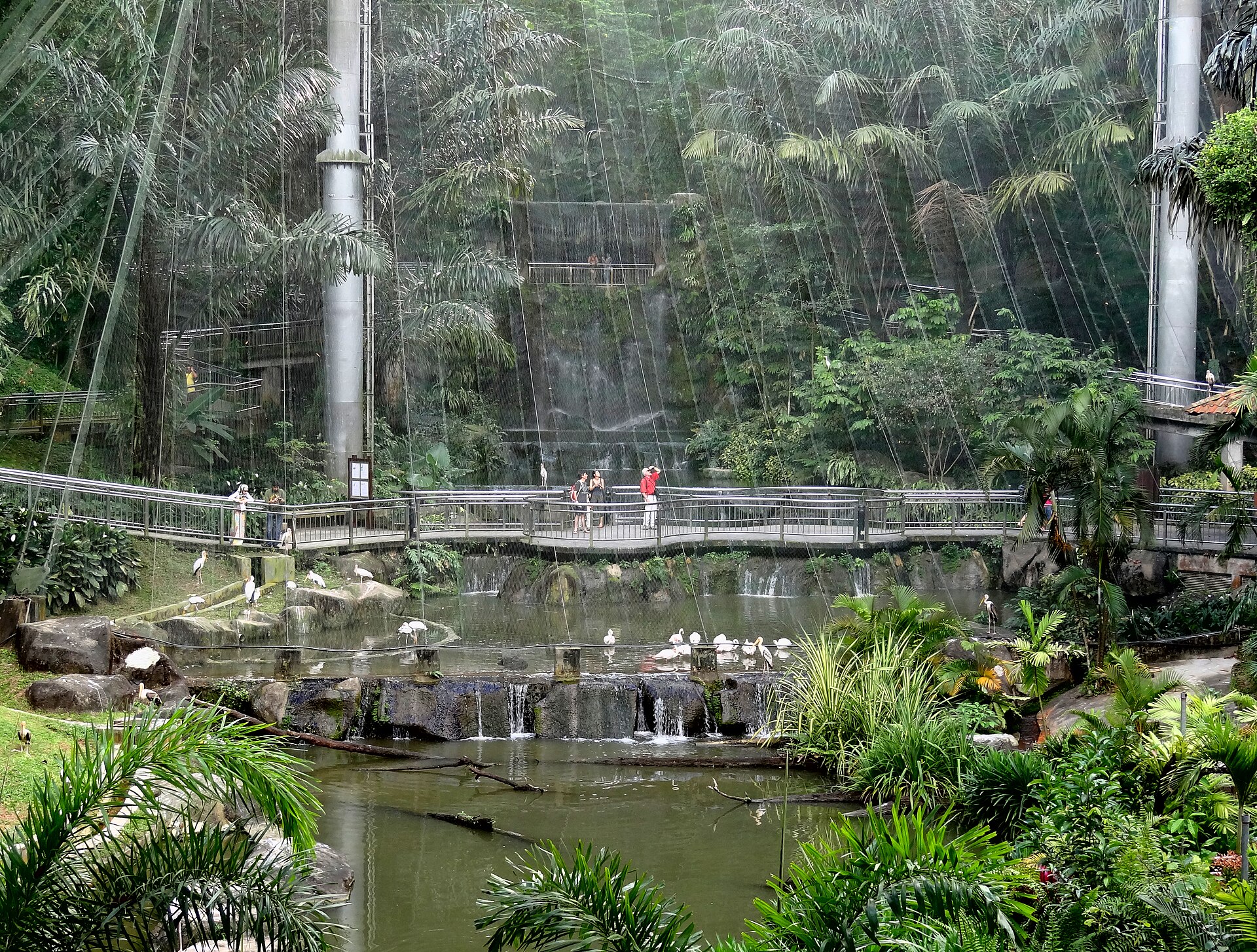
Kuala Lumpur Butterfly Park, locally known as Taman Rama Rama Kuala Lumpur, is a tropical garden dedicated to butterflies in Malaysia’s capital. Walk through planted enclosures where butterflies move among foliage and flowers, creating a quieter nature-focused experience within the city. The setting combines observation, conservation and education, making the park especially appealing to visitors who enjoy insects, gardens and close-up wildlife encounters rather than large urban attractions. Kuala Lumpur Butterfly Park, known locally as Taman Rama Rama Kuala Lumpur, is a visitor-relevant point of interest within the production city pool. The attraction was matched exactly to Kuala Lumpur with its stored identity, local name and coordinates copied without approximation. The park serves as a dedicated butterfly enclosure and garden experience in Malaysia's capital city, offering visitors an opportunity to observe butterfly species in a controlled tropical environment designed for conservation and education purposes.
Checked 2026-08-26 · Source
The main experience is the butterfly habitat, with living specimens moving through a warm, planted environment. Tropical vegetation provides nectar for adult butterflies and supports the wider life cycle of these insects. Look closely at leaves, flowers and shaded corners, where different stages of butterfly development may be easier to notice. The visit is more rewarding when taken slowly, since the park’s interest comes from small movements, colour, wing patterns and plant-insect relationships. The park contains butterfly specimens and associated tropical vegetation that supports their lifecycle. As a butterfly park, visitors can expect to encounter various butterfly species in flight within netted or enclosed areas. The environment typically includes host plants for caterpillars, nectar plants for adult butterflies, and possibly educational displays about metamorphosis and species identification.
Checked 2026-08-26 · Source
Allow roughly one to two hours for a comfortable visit. That gives enough time to walk through the garden, pause beside active plants, watch butterflies settle and take photographs without rushing. Children may move quickly between areas, while nature enthusiasts can spend longer studying behaviour and markings. The park also works well as one stop in a day focused on Kuala Lumpur’s central cultural and green spaces, with the exact pace shaped by weather and personal interest.
Checked 2026-08-26 · Source
Morning is a pleasant time for a butterfly-focused visit, before the day becomes hottest and while the garden can feel calmer. Kuala Lumpur remains warm and humid throughout the year, and rain can arrive suddenly, so a light rain layer is useful when moving between outdoor areas. The enclosed garden creates a distinct tropical atmosphere whatever the season. Plan enough time to pause, since butterfly activity rewards observation rather than a hurried walk.
Checked 2026-08-26 · Source
The attraction is a dedicated visitor park rather than an ordinary public garden, so admission is handled separately from the surrounding city streets and attractions. Keep your visit plan flexible around the entrance process and any visitor categories offered at the time of travel. A butterfly park is best treated as a focused experience: the value comes from time inside the habitat, close observation and the chance to see living specimens in a carefully planted setting.
Checked 2026-08-26 · Source
Kuala Lumpur Butterfly Park can be reached within the capital’s wider urban transport network. Combine rail, bus, taxi or ride-hailing travel with a short walk through the city, then allow time for warm weather and possible rain. The park is a natural fit for a day that also explores nearby museums, gardens or historic landmarks. Use the mapped location when planning the final approach, because the last walking section matters in Kuala Lumpur’s busy central streets.
Checked 2026-08-26 · Source
The habitat is warm and humid, and garden paths may feel damp after rain. Wear shoes suitable for a planted outdoor setting, carry water and move carefully on wet surfaces. Butterflies are delicate, so keep hands away from specimens and plants unless a marked interaction is explicitly provided. Follow signs inside the enclosure and avoid sudden movements near resting insects. The contrast between shaded habitat and bright tropical daylight can also make a slow, comfortable pace worthwhile.
Checked 2026-08-26 · Source
Photography is one of the park’s strongest pleasures. Use the garden’s flowers and foliage as natural backgrounds, and watch for butterflies resting with open wings before framing a shot. Slow movements help you stay close without disturbing them. Filtered light beneath vegetation can produce softer colours, while brighter clearings reveal wing patterns. A short lens or phone camera is practical for narrow paths, and patience usually matters more than elaborate equipment.
Checked 2026-08-26 · Source
The park is locally known as Taman Rama Rama Kuala Lumpur.
Visitors can watch butterflies moving among tropical plants, flowers and garden vegetation in a dedicated habitat.
A comfortable visit usually takes about one to two hours, depending on walking pace, observation and photography.
Yes. Its focus on living butterflies, tropical plants, close observation and photography makes it a strong choice for nature lovers.
Water, comfortable walking shoes and a light rain layer are useful in Kuala Lumpur’s warm, humid garden environment.
Butterflies, flowers, foliage and filtered tropical light create close-up subjects and natural backgrounds for patient photographers.
Loading the interactive map…
The interactive map could not be loaded.
Last updated:
Source: OpenStreetMap contributors, Wikidata ·