

86 min walk
Titiwangsa Lake Park
- High
- Nature site
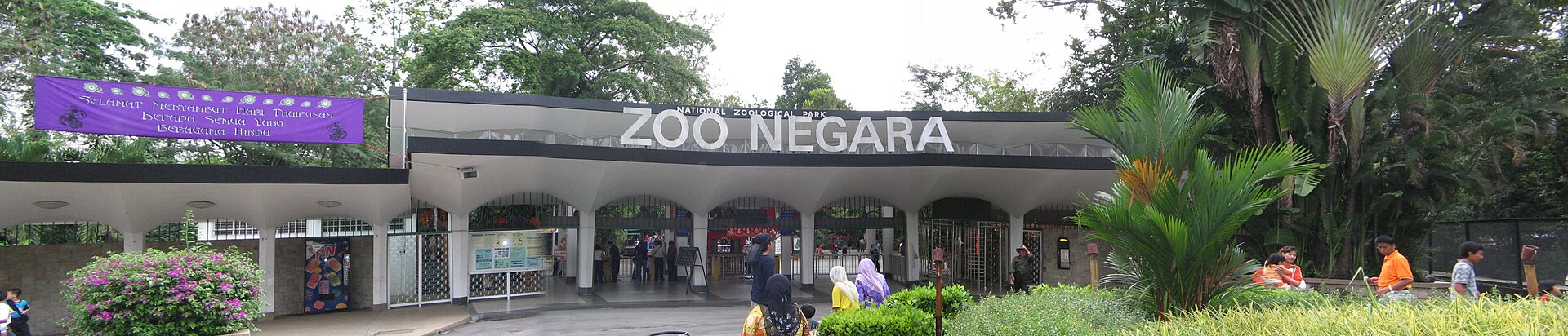
Family attraction · Kuala Lumpur
Zoo Negara
Zoo Negara is the National Zoo of Malaysia, established in 1963. It serves as a zoological park and conservation centre near Kuala Lumpur. The zoo occupies a substantial hillside site in Ampang, northeast of the city centre. It was created to promote wildlife awareness and education among Malaysian citizens and international visitors. The facility operates as a non-governmental organisation managed by the Malaysian Zoological Society, relying on ticket sales and donations for funding rather than direct state support. National Zoo of Malaysia also earns time in a kuala lumpur itinerary because A visitor-relevant POI matched exactly to the production city pool; stored identity, local name and coordinates were copied without approximation. Its value becomes clearer when the stop is compared with the surrounding streets and the other ranked places nearby.
Checked 2026-08-26
The zoo houses over 400 species of mammals, birds, reptiles, amphibians and fish. Notable exhibits include the Giant Panda Conservation Centre, which hosts pandas on loan from China. Other sections feature Malaysian wildlife, African savanna animals, a reptile house, an aviary and aquarium. The Tunku Abdul Rahman Aquarium displays freshwater and marine species. A tram service operates for visitor convenience. The layout follows open-concept principles with moats and barriers rather than cages where possible, though some older enclosures remain.
Checked 2026-08-26
Visitors typically allocate half a day to a full day for comprehensive exploration. The extensive grounds require considerable walking between dispersed exhibits. Those using the tram service may complete a quicker circuit. Families with young children often pace themselves more slowly, incorporating rest breaks. The Giant Panda exhibit and aquarium tend to attract longer dwell times. Repeat visitors may focus on specific zones. Physical fitness and weather conditions significantly affect comfortable duration. Planning for flexibility rather than rigid scheduling is advisable given the terrain and tropical climate.
Checked 2026-08-26
Kuala Lumpur experiences consistent tropical temperatures year-round with afternoon rainfall common. Morning visits offer cooler conditions and more active animal behaviour before midday heat. Weekend and public holiday periods draw larger crowds, particularly local families. School holiday periods see increased domestic visitation. Weekday mornings generally provide quieter experiences. Rain protection is essential regardless of season. Visitors should verify current opening times directly with the zoo before planning, as schedules may change without widespread notification through third-party platforms. Check the operator's own site for the travel date before relying on a schedule or fare.
Checked 2026-08-26
Admission categories typically distinguish Malaysian citizens from international visitors, with differential pricing common at Malaysian attractions. Children, senior citizens and students may qualify for reduced rates with appropriate identification. Combination packages sometimes include tram access. Online advance purchase options may exist. Visitors should consult official channels for current rates rather than relying on potentially outdated aggregator websites. Budget for additional costs including tram fees, food and beverages, and any special exhibit surcharges that may apply independently of base admission. Check the operator's own site for the travel date before relying on a schedule or fare.
Checked 2026-08-26
The zoo lies approximately 13 kilometres northeast of central Kuala Lumpur in the Ampang area. Public bus services connect from various city points, though routes require advance research. Ride-hailing applications provide direct door-to-door options increasingly favoured by visitors. Private vehicles access parking facilities on site. The nearest rail stations require connecting transport for the final segment. Traffic congestion affects journey times unpredictably, particularly during peak hours. Signage from major roads assists drivers. Allow generous time buffers for transit, especially when depending on time-sensitive connections or scheduled activities.
Checked 2026-08-26
Tropical heat and humidity demand hydration, sun protection and appropriate pacing. Mosquito repellent is advisable in vegetated areas. Some pathways include significant gradients challenging for mobility-impaired visitors or pushchairs. Animal visibility varies with weather, time of day and individual animal behaviour; guarantees of specific sightings do not exist. Food options within the grounds may be limited or crowded during peak times. Cash remains useful though electronic payments increasingly accepted. Respect barrier signage and staff instructions for personal safety and animal welfare. Lost children procedures should be discussed with family members upon arrival.
Checked 2026-08-26
Personal photography is generally permitted for non-commercial purposes throughout the zoo. Flash photography is typically prohibited near sensitive species, particularly nocturnal animals and the giant pandas, with signage indicating restrictions. Tripods and professional equipment may attract scrutiny or require advance permission. Glass barriers and mesh enclosures create technical challenges for clear images. Early morning light offers optimal conditions before harsh midday contrast. The panda exhibit and landscaped lake areas provide popular backdrops. Drone operation is almost certainly prohibited. Commercial or stock photography requires explicit authorisation from management rather than assumption of permission.
Checked 2026-08-26
Public buses serve the area but require route planning. Rail stations necessitate onward connections. Ride-hailing offers more direct alternatives.
Yes, the Giant Panda Conservation Centre hosts pandas on loan from China, though viewing cannot be guaranteed due to animal management factors.
Many visitors carry water given the tropical climate. Specific policies on external food should be verified with current operator guidance.
Families frequently visit, though the extensive grounds require stamina. The tram assists with mobility. Heat management is essential for small children.
The Malaysian Zoological Society manages the facility with education and awareness objectives. Specific programmes should be verified through official communications.
Tour options and schedules are not recorded pending review. Visitors should enquire directly with the zoo for current educational programme availability.
Loading the interactive map…
The interactive map could not be loaded.
Last updated:
Source: OpenStreetMap contributors, Wikidata ·