
2 min walk
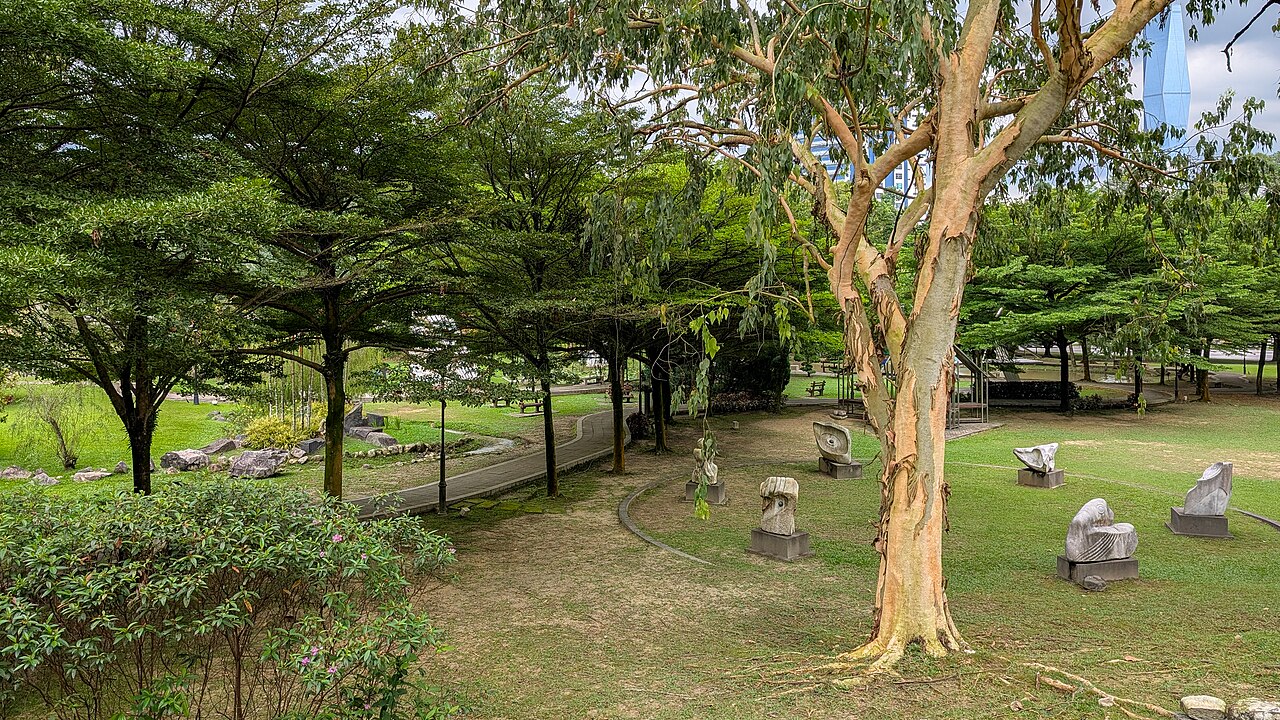
ASEAN Sculpture Garden
- High
- Nature site
Language · 11 published
Historic monument · Kuala Lumpur
Tugu Negara
Reviewed by Elena Voss · Roavina Travel Editor
| Monday | 07:00 – 18:00 |
|---|---|
| Tuesday | 07:00 – 18:00 |
| Wednesday | 07:00 – 18:00 |
| Thursday | 07:00 – 18:00 |
| Friday | 07:00 – 18:00 |
| Saturday | 07:00 – 18:00 |
| Sunday | 07:00 – 18:00 |
Checked 2026-08-31 · Source
Read from the OpenStreetMap access tags; anything not listed has no tag recorded.
Set the group type to family in the planner and the day window contracts to about three quarters of a solo day.
This place is a Monument.
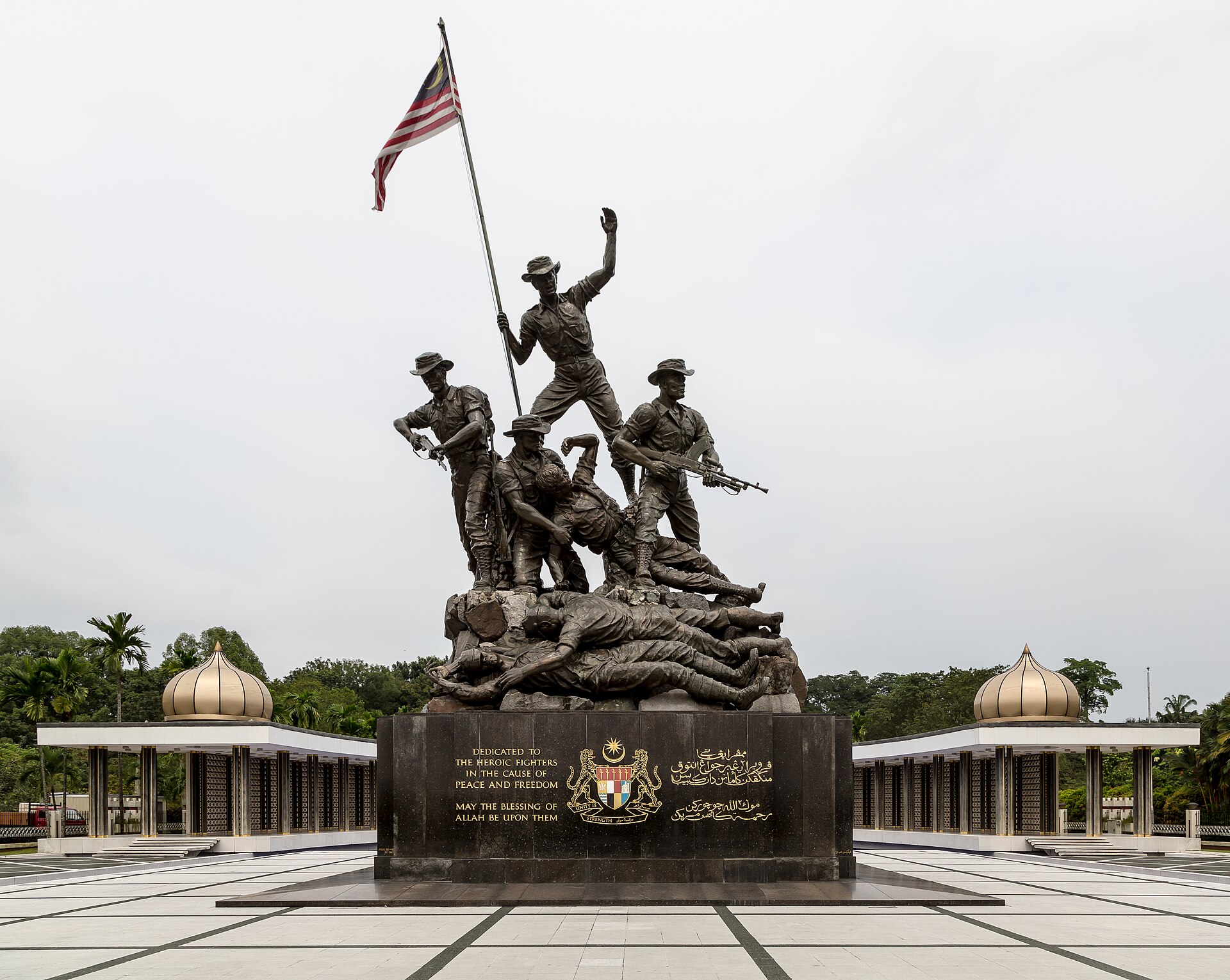
The National Monument, known locally as Tugu Negara, stands as Malaysia's foremost commemorative sculpture in Kuala Lumpur. It honors those who perished during the Malayan Emergency and subsequent conflicts. The bronze monument depicts fallen soldiers, designed by the same sculptor responsible for the Iwo Jima Memorial. Situated within landscaped grounds, it represents national sacrifice and independence struggles. The monument replaced an earlier memorial destroyed during construction. Its prominent position on a hill provides visibility across the surrounding district, making it a recognizable landmark for visitors exploring Malaysia's twentieth-century history. Daily 07:00–18:00 Open every day; no regular closure day is listed.
Checked 2026-08-31 · Source
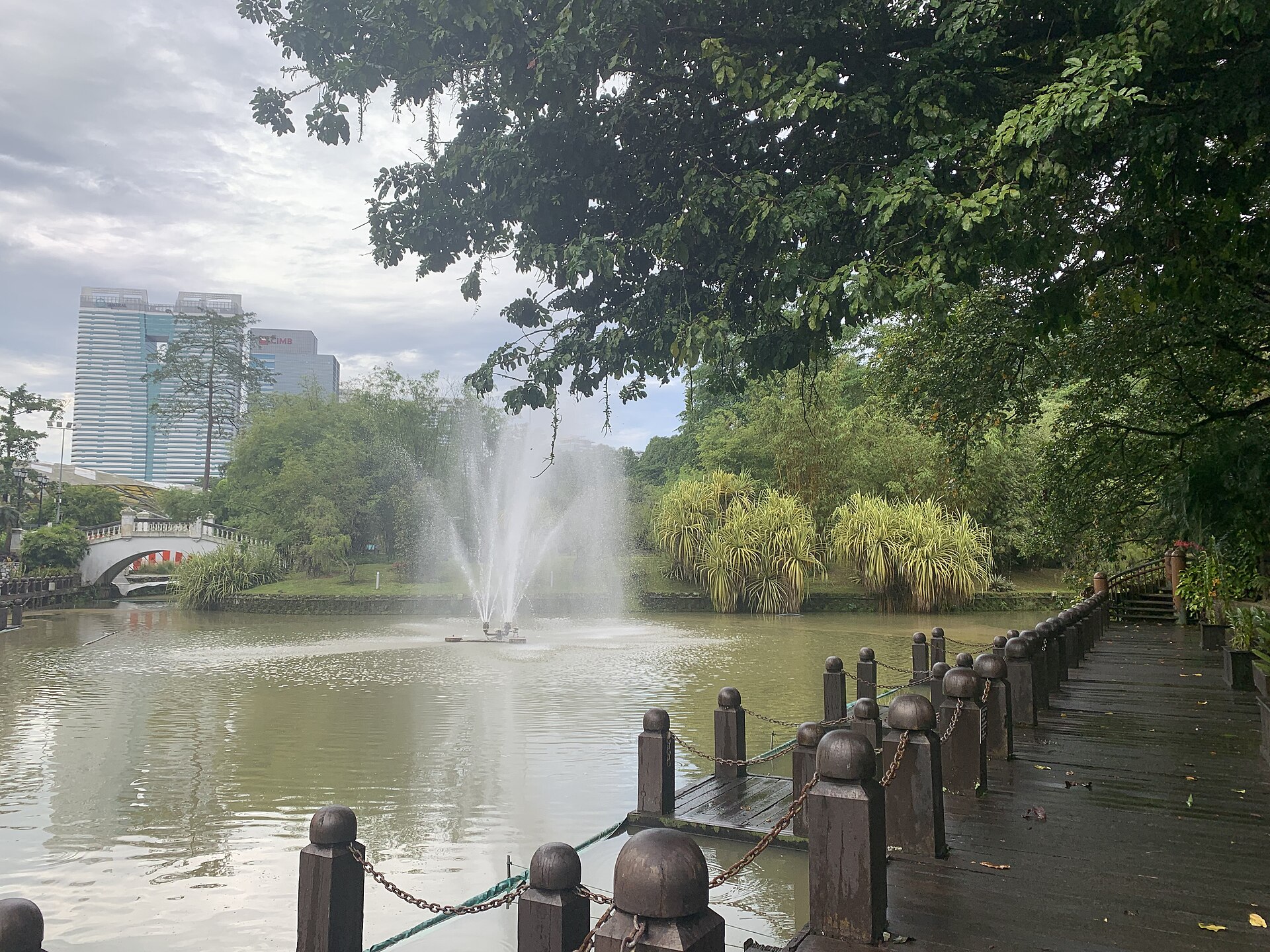
The site centers on the bronze sculptural group showing soldiers in various attitudes of combat and sacrifice. Surrounding the monument, visitors find ornamental pools and paved areas for contemplation. The grounds include additional commemorative elements and landscaping typical of memorial parks. Nearby, the ASEAN Sculpture Garden contains works donated by Southeast Asian member nations, offering complementary artistic interest. The monument sits within a fenced compound with controlled access points. The overall environment emphasizes solemn remembrance rather than recreational activity. Free entry for all visitors.
Checked 2026-08-31 · Source
Visitors typically allocate between thirty minutes and one hour for the National Monument grounds. The compact nature of the site permits efficient viewing of the central sculpture and immediate surroundings. Those combining the visit with the adjacent ASEAN Sculpture Garden may extend their stay accordingly. Photography and quiet reflection account for additional time. The monument suits inclusion within broader itineraries covering the Lake Gardens district, where multiple attractions cluster within walking distance. No guided tours or extended programming are documented. Travelers should adjust expectations for a brief, respectful visit rather than an extended engagement with interactive or multimedia elements.
Checked 2026-08-31 · Source
Daily 07:00–18:00 Open every day; no regular closure day is listed. Visitors should verify current accessibility before planning their journey, as memorial sites may observe variable schedules or temporary closures for ceremonies. Morning hours generally offer more comfortable temperatures for outdoor viewing in Kuala Lumpur's tropical climate. Afternoon thunderstorms occur seasonally and may disrupt photography or comfort. The absence of published operational data necessitates direct confirmation with managing authorities or tourist information services prior to travel to avoid disappointment or unnecessary journey.
Checked 2026-08-31 · Source
Free entry for all visitors. The National Monument's status as a national memorial suggests possible free admission, though this remains unverified through authoritative sources. Budget-conscious travelers should carry appropriate payment methods while awaiting confirmation. Group arrangements or educational programming may involve separate fee structures not captured in available references. Direct inquiry with site management or the Kuala Lumpur tourism authority represents the prudent approach for current financial requirements before committing resources to this destination.
Checked 2026-08-31 · Source
Take Rapid KL bus T820 from Semantan MRT Station and alight at the named Tugu Negara stop (KL1071). The route runs between Semantan MRT and Menara DBKL 2. The monument occupies a position within Kuala Lumpur's Lake Gardens district, accessible via established road networks. Ride-hailing services and taxis serve the area given its tourist prominence. Walking connections from nearby attractions within the Lake Gardens cluster are feasible for mobile visitors. The site's elevated position requires some ascent from surrounding roads. Travelers should consult current mapping applications or local accommodation providers for precise routing from their specific departure points.
Checked 2026-08-31 · Source
A step-free ramped route is available, but some surfaces may be steep, cobbled or gravel, so wheelchair users may need assistance. Malaysia’s government MyWC directory lists the Tugu Negara toilet as disability-friendly, paid and open 24 hours. The memorial character of Tugu Negara demands respectful conduct and appropriate demeanor from all visitors. Attire should cover shoulders and knees as a courtesy at solemn national sites. Sun exposure is considerable given the open landscaping; hydration and sun protection warrant attention. The bronze surfaces may become heated during direct sunlight. Ceremonial events may occur without advance public notification, potentially restricting access or photography. Visitors should observe posted restrictions and staff instructions. The surrounding district's wildlife, including macaques in nearby green spaces, requires cautious distance to prevent incident.
Checked 2026-08-31 · Source
The monument's dramatic sculptural composition and elevated setting present strong photographic subjects. Morning and late afternoon light enhances bronze textures and reduces harsh shadows. Wide-angle lenses accommodate the monument's scale and surrounding context. Respectful framing should avoid trivializing the memorial's purpose. The fenced perimeter may limit certain angles. Reflections from ornamental pools offer creative possibilities when water features are operational and undisturbed by wind.
Checked 2026-08-31 · Source
It commemorates those who died in Malaysia’s struggle for freedom, particularly during the Japanese occupation in the Second World War and the Malayan Emergency of 1948–1960.
The bronze sculpture group stands 15 metres high.
Austrian-born sculptor Felix de Weldon designed it; he also created the United States Marine Corps War Memorial, commonly called the Iwo Jima Memorial.
The seven figures represent leadership, suffering, unity, vigilance, strength, courage and sacrifice.
Yes. The complex also contains a cenotaph originally erected by the British administration to commemorate the dead of the First World War.
On Warriors’ Day, 31 July, the Yang di-Pertuan Agong, prime minister, military leaders and police representatives lay wreaths in honour of fallen personnel.
Loading the interactive map…
The interactive map could not be loaded.
Last updated:
Source: OpenStreetMap contributors, Wikidata ·