

6 min walk
National Museum of Anthropology
- Must see
- Museum
Language · 11 published
Family attraction · Mexico City
Zoológico de Chapultepec
Reviewed by Elena Voss · Roavina Travel Editor
| Monday | Closed |
|---|---|
| Tuesday | 09:00 – 16:30 |
| Wednesday | 09:00 – 16:30 |
| Thursday | 09:00 – 16:30 |
| Friday | 09:00 – 16:30 |
| Saturday | 09:00 – 16:30 |
| Sunday | 09:00 – 16:30 |
Checked 2026-08-31 · Source
Read from the OpenStreetMap access tags; anything not listed has no tag recorded.
Set the group type to family in the planner and the day window contracts to about three quarters of a solo day.
It was established in 1924.
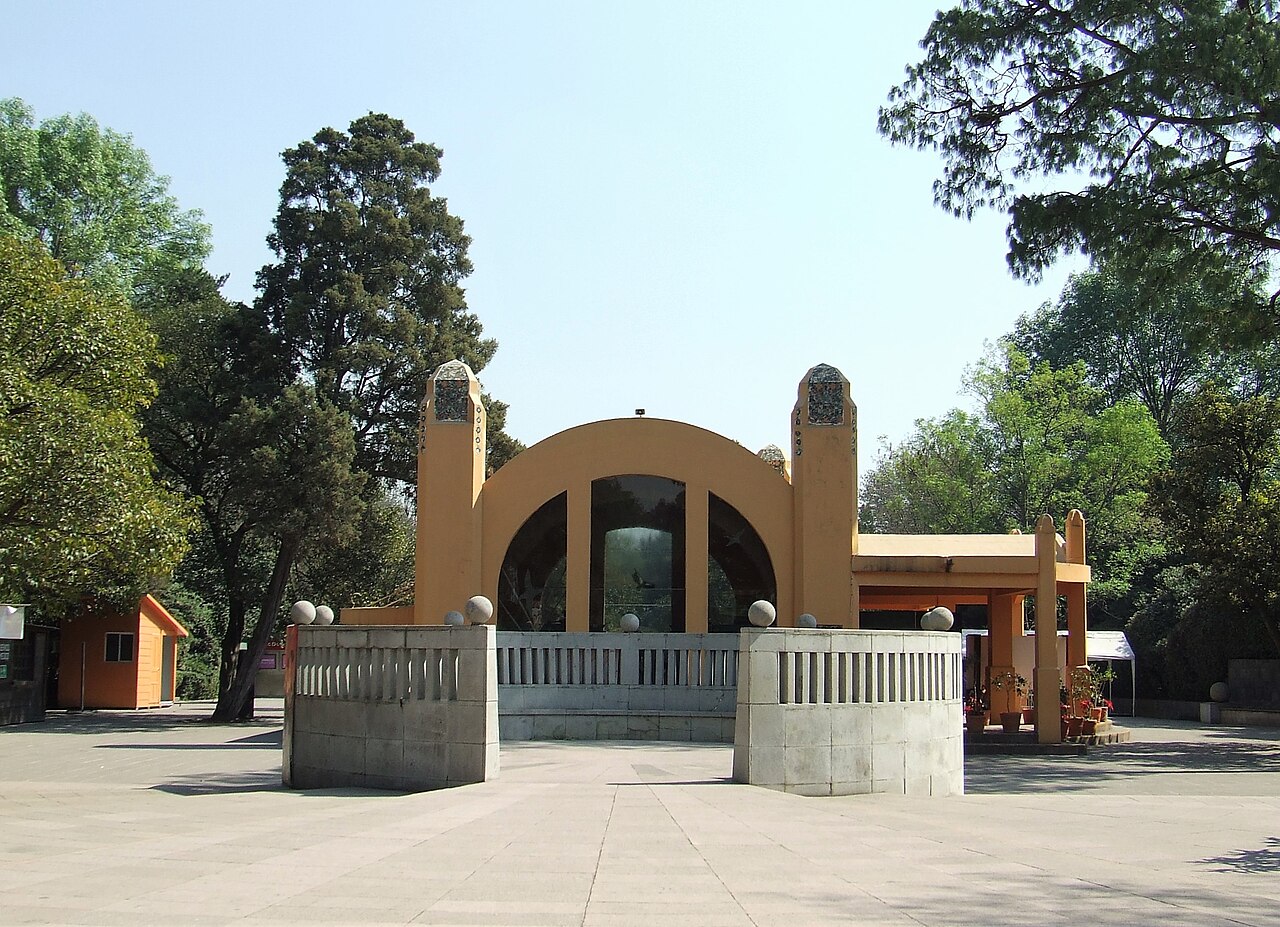
Chapultepec Zoo, or Zoológico de Chapultepec, is a large public zoo in the first section of Chapultepec Park in Mexico City. It is a family-oriented destination within one of the capital’s most important green spaces, making it easy to combine animal viewing with a wider walk through the park. The zoo adds a different rhythm to a Chapultepec day: visitors move between outdoor exhibits, shaded paths, and educational displays rather than progressing through a single interior gallery. Its scale makes comfortable footwear and a relaxed pace useful. Chapultepec Zoo, known locally as Zoológico de Chapultepec, is a large public zoo situated in the first section of Chapultepec Park in Mexico City.
Checked 2026-08-26 · Source
The zoo contains diverse animal collections and presents them in an educational and conservation-oriented setting. Its position inside Chapultepec Park gives the visit a greener, more open atmosphere than a conventional city attraction. Visitors can build the experience around animal viewing, family conversation, and a broader park walk. The guide does not identify a current species list, individual exhibit names, or feeding programs, so plan around the zoo as a varied public animal collection rather than a promised list of particular animals. Allow children time to pause at exhibits that capture their interest.
Checked 2026-08-26 · Source
The size of the zoo supports a visit of several hours, with the final duration shaped by walking speed, family needs, weather, and interest in individual exhibits. Families with young children may need frequent pauses, while adults moving quickly can create a shorter circuit. Add time if the zoo is part of a larger Chapultepec itinerary, because travel between the zoo and other park destinations also uses time. A steady pace with water, shade, and occasional rests will make the grounds easier to enjoy.
Checked 2026-08-26 · Source
Morning is a practical time for a zoo visit because temperatures are often more comfortable and the group begins the walking portion of the day with fresh energy. Weekends, public holidays, and school vacation periods can bring more families and denser paths. Mexico City’s rainy season generally extends from about June through October, so outdoor movement may be less comfortable during wet periods. Choose clothing and footwear suited to changing conditions, and leave enough flexibility to connect the zoo with other Chapultepec attractions without rushing.
Checked 2026-08-26 · Source
Chapultepec Zoo is a public attraction, but the supplied guide does not establish current admission prices, concessions, or special-entry arrangements. Treat ticket planning as a separate part of the outing and keep funds available for the wider day in Chapultepec Park. The zoo’s family role makes it easy to include in a low-key park itinerary, particularly when the group wants an outdoor activity between museums. Avoid building the day around a special exhibit or service unless it is already confirmed as part of the visit.
Checked 2026-08-26 · Source
The zoo is in the first section of Chapultepec Park. Metro Chapultepec on Line 1 serves the park area, and visitors then continue through the park on foot. The central location also connects with Mexico City’s bus and taxi network. Chapultepec is extensive, so reaching the park perimeter is only part of the journey; allow time for the internal walk to the zoo. Comfortable shoes, a charged phone, and a clear meeting point are useful for families moving through the large park grounds.
Checked 2026-08-26 · Source
Expect substantial walking on outdoor paths and prepare for sun, rain, and changing temperatures. Keep children close in busy areas and secure valuables in crowded sections of the park. Respect barriers, signs, and all animal-welfare instructions; animals can behave unpredictably and must never be approached or fed. Hydration and sun protection help during exposed stretches. If the group includes someone with mobility needs, route planning matters because the guide does not describe every path or facility. Build rest stops into the day rather than treating the zoo as a fast circuit.
Checked 2026-08-26 · Source
Photography can record the animals and the Chapultepec setting, but animal welfare and visitor safety come first. Avoid flash where signs or staff prohibit it, and never use photography as a reason to cross barriers or disturb an animal. Keep cameras and phones secure in busy paths, especially when supervising children. Give other visitors room at popular viewing points, and avoid photographing identifiable children or families without permission. Drones, commercial equipment, and special photographic setups may face restrictions in a public zoo environment.
Checked 2026-08-26 · Source
Chapultepec Zoo is in the first section of Chapultepec Park in Mexico City.
The zoo presents diverse animal collections in an educational and conservation-oriented public setting.
Allow several hours, with extra time for children’s pauses, slower walking, weather interruptions, and connections with other park attractions.
Metro Chapultepec on Line 1 serves the park area, followed by a walk through Chapultepec Park to the zoo.
Yes. It is an established family destination with animal collections and educational value inside a large urban park.
Wear comfortable shoes and prepare for sun or rain. Water, sun protection, and secure handling of valuables are useful on the park’s walking paths.
Loading the interactive map…
The interactive map could not be loaded.
Last updated:
Source: OpenStreetMap contributors, Wikidata ·