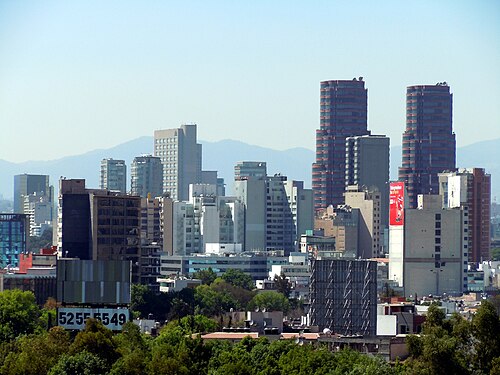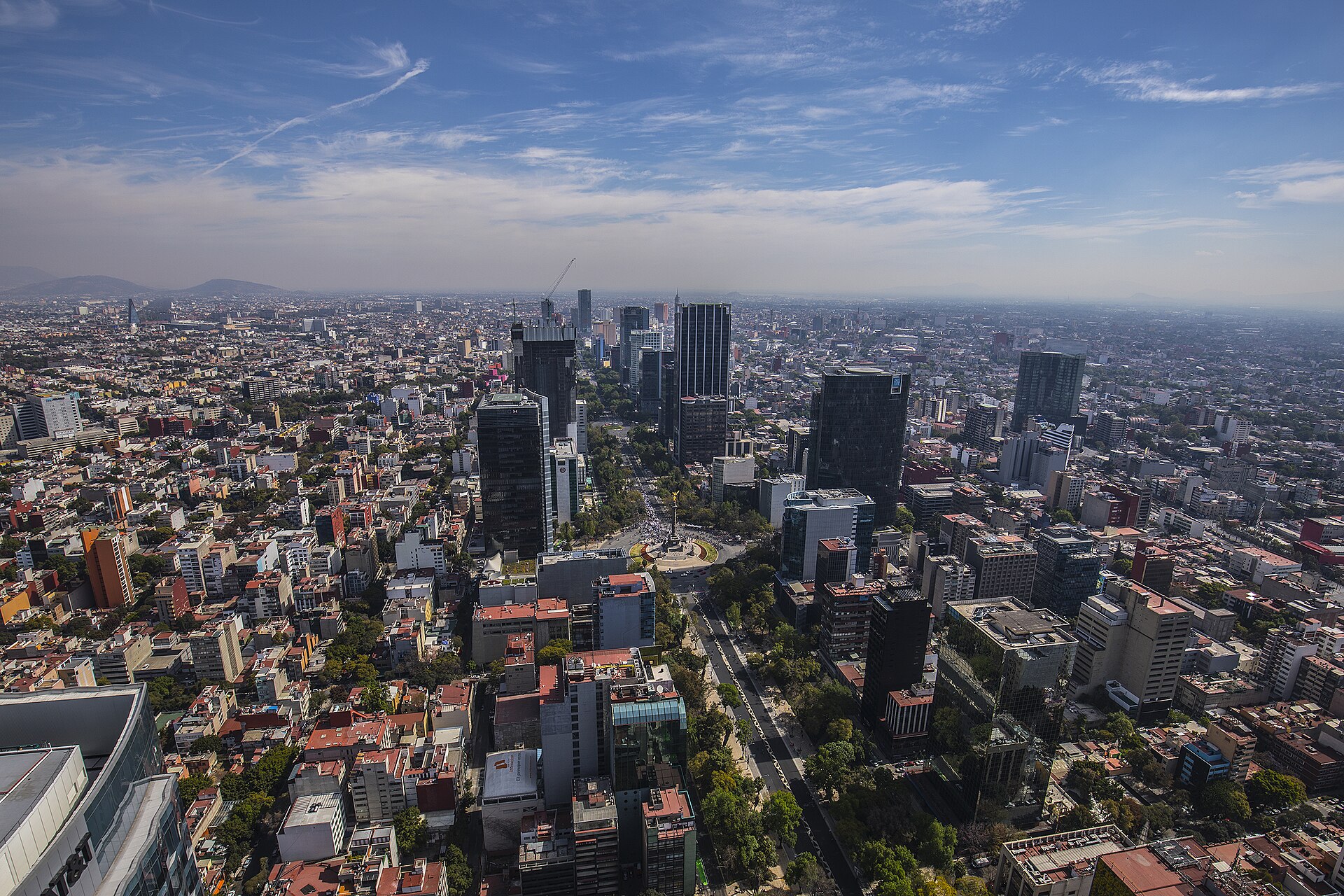
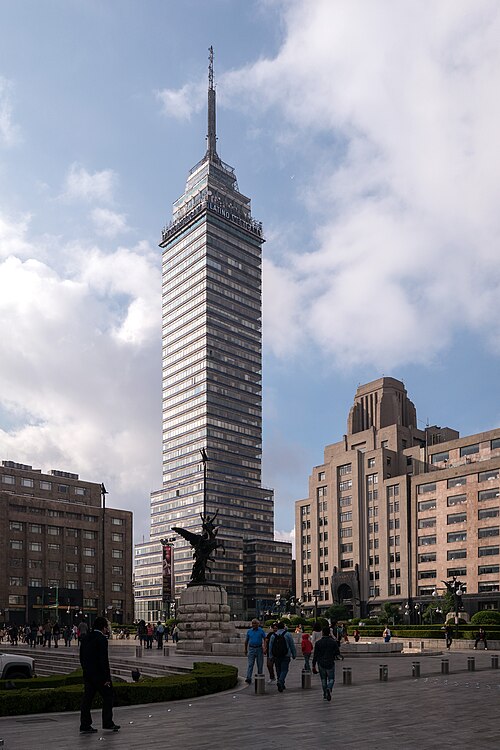
A photograph of Mexico City

City guide · Mexico

Mexico City

Mexico City is a large, high-altitude capital made of several visitor districts rather than one centre. The Historic Centre contains the Zócalo, cathedral, muse...

Photograph · Gobierno CDMX · CC0

6,526 Places
Suggested stay
Not recorded
Getting around
Metro, Metrobús, bus and taxi

Turn this list into a plan

Set your days, your pace and the hours you actually want to be out. The planner works around closing days and travel time, and leaves room to eat.

Plan Mexico City

Reviewed by Elena Voss · Roavina Travel Editor

Mexico City is a large, high-altitude capital made of several visitor districts rather than one centre. The Historic Centre contains the Zócalo, cathedral, museums and remains of Tenochtitlan. Reforma, Chapultepec and Polanco form a western corridor, Roma and Condesa sit farther south, and Coyoacán and Xochimilco require separate journeys. Assign each day to one district cluster and leave time for cross-city travel.

Checked 2026-08-26

Practical information

Language spoken
Spanish; recognised Indigenous languages are also spoken
National practical orientation; regional and minority languages may also be used
Dialling code
+52
International calling code; local area and mobile prefixes still apply
Currency
Mexican peso (MXN)
Use the official local currency; card acceptance varies by place
Emergency number
911
Use only for an emergency; tourist assistance may use a separate number
Plug type
Type A and B · 127 V
Check that chargers support the recorded voltage before using an adapter
Tap water
Not recorded
No verified nationwide visitor drinking-water statement was recorded

Planning a visit

September · September averages 144.8 mm of rain across about nineteen days in Mexico City, despite a mild 22.3°C mean high.

  1. January: best time to visit
  2. February: best time to visit
  3. March: best time to visit
  4. April: good time to visit
  5. May: good time to visit
  6. June: viable with meaningful trade-offs
  7. July: viable with meaningful trade-offs
  8. August: viable with meaningful trade-offs
  9. September: viable with meaningful trade-offs — current month
  10. October: good time to visit
  11. November: best time to visit
  12. December: best time to visit

Sources

Top things to see

Ranked by importance — sitelinks, pageviews and heritage status, not editor preference.

  1. Torre Latinoamericana Torre Latinoamericana
    07 45 min

    Torre Latinoamericana

    Torre Latinoamericana is a landmark skyscraper in Mexico City's Centro Histórico, completed in 1956. Its steel structure and seismic engineering made it an important achievement in high-rise construction, especially in an earthquake-prone city.

    • Must see
    • Historic monument
  2. Monument to the Revolution Monument to the Revolution
    08 45 min

    Monument to the Revolution

    Monumento a la Revolución

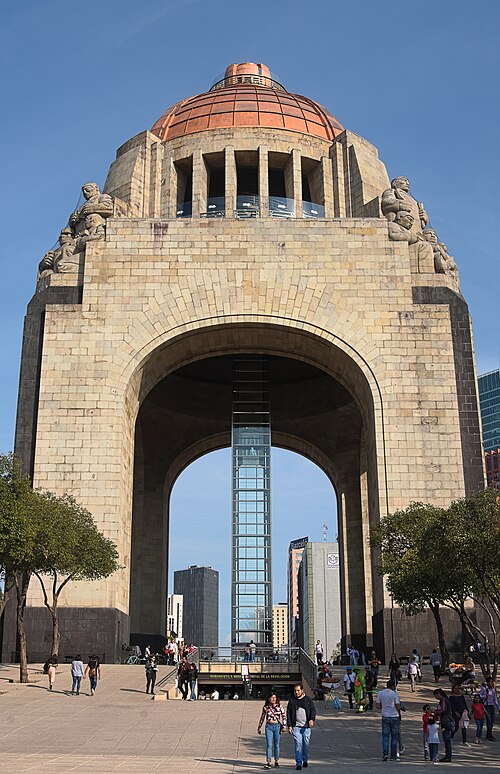
    Monument to the Revolution is one of Mexico City’s most recognizable landmarks, rising above Plaza de la República in the Tabacalera area. Its great dome began as part of an unfinished federal legislative palace during the Porfiriato.

    • Must see
    • Historic monument
  3. Palacio de Correos de Mexico Palacio de Correos de Mexico
    09 45 min

    Palacio de Correos de Mexico

    Palacio Postal

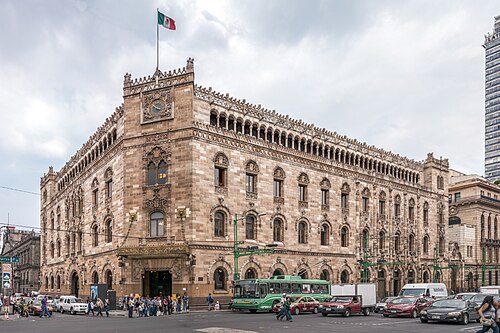
    Palacio Postal, locally Palacio de Correos de México, is an ornate working central post office in Mexico City's historic centre. The building ranks among the most distinctive interiors in the area.

    • Must see
    • Historic monument
  4. Polanco Polanco
    10 45 min

    Polanco

    Polanco Chapultepec

    Polanco is an upscale residential and commercial district in Mexico City, located west of Chapultepec Park in the Miguel Hidalgo borough.

    • Must see
    • Historic monument
  5. plaza Garibaldi plaza Garibaldi
    11 45 min

    plaza Garibaldi

    Plaza Garibaldi

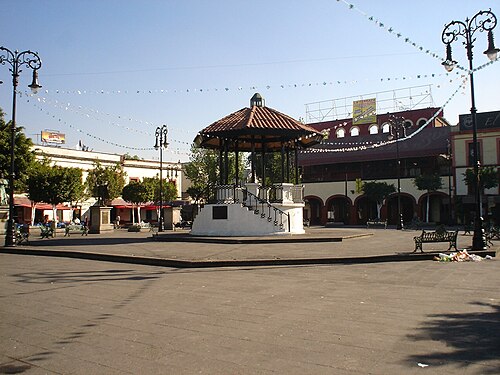
    Plaza Garibaldi is a public square in the historic centre of Mexico City, internationally recognised as the capital of mariachi music. Since the 1920s, mariachi musicians have gathered here to perform, forming a distinctive cultural tradition.

    • Must see
    • Historic monument
  6. Arena México Arena México
    12 45 min

    Arena México

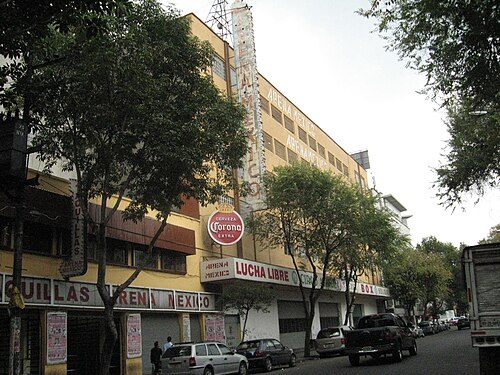
    Arena México is the principal arena for lucha libre professional wrestling in Mexico City. Opened in the 1950s, it serves as the main venue for Consejo Mundial de Lucha Libre, the oldest professional wrestling promotion in the world.

    • Must see
    • Historic monument
  7. Cárcamo de Dolores Cárcamo de Dolores
    13 45 min

    Cárcamo de Dolores

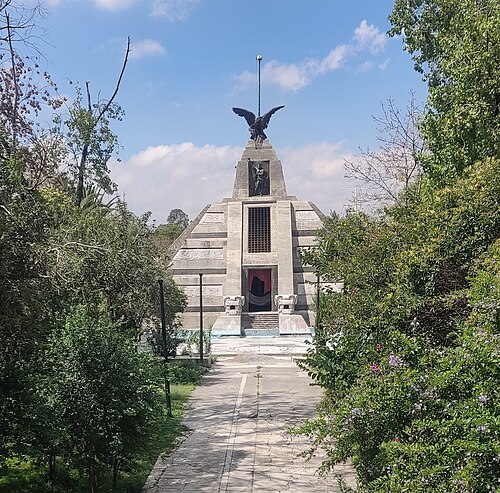
    Cárcamo de Dolores is a hydraulic monument and art installation in Chapultepec Park, Mexico City. Architect Ricardo Rivas designed the structure as part of the capital’s water infrastructure, including facilities connected with the Lerma River supply network.

    • Must see
    • Historic monument
  8. Monumento a La Raza Monumento a La Raza
    14 45 min

    Monumento a La Raza

    Monumento a la Raza

    Monument to the Race, known locally as Monumento a la Raza, is a striking landmark in northern Mexico City. Its tall Art Deco form is combined with indigenous-inspired symbolism, giving the structure a distinctive visual identity.

    • Must see
    • Historic monument
  9. Estadio Azteca Estadio Azteca
    15 45 min

    Estadio Azteca

    Estadio Banorte

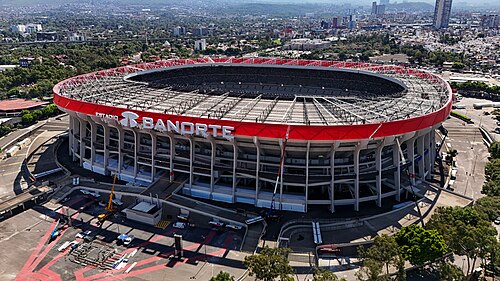
    Estadio Azteca is a major football stadium in southern Mexico City and the home ground of Club América and the Mexico national football team. It is one of the city’s most recognisable sporting landmarks.

    • High
    • Historic monument

Source: OpenStreetMap contributors, Wikidata ·

How the city is laid out

Use the Historic Centre as one walking cluster, then treat Chapultepec and the Paseo de la Reforma museums as another. Roma, Condesa and Zona Rosa can be combined, while Coyoacán and San Ángel make a southern cultural day. Xochimilco lies farther southeast and Teotihuacán is outside the city. The official tourism guides map these areas separately because repeated crossings can consume more time than individual visits.

Checked 2026-08-26

Getting around

The Metro and Metrobús are the main public-transport backbone, supported by buses, trolleybuses and licensed taxis. Stations are dense in central districts but not every museum or southern attraction sits beside one. Plan the final walk and any interchange before departure, allowing more time at peak periods. Teotihuacán and other outlying destinations use separate regional transport and do not belong in a central Metro itinerary.

Checked 2026-08-26

Common questions

How is Mexico City organised for sightseeing?

the Historic Centre, Chapultepec, Roma-Condesa and the southern districts are separate clusters

How many days should I spend in Mexico City?

No fixed stay length is recorded; choose the district clusters that matter and assign each its own time.

What is the easiest way to get around Mexico City?

Metro and Metrobús handle many long journeys, but the final walk and interchange still need planning.

Which places need a separate trip from central Mexico City?

Coyoacán and Xochimilco are southern journeys; Teotihuacán is a separate excursion outside the city.

What is the most practical way to plan a day in Mexico City?

The Historic Centre is the clearest first cluster for the Zócalo, cathedral and central museums.