Museo Tamayo
Museo Rufino Tamayo
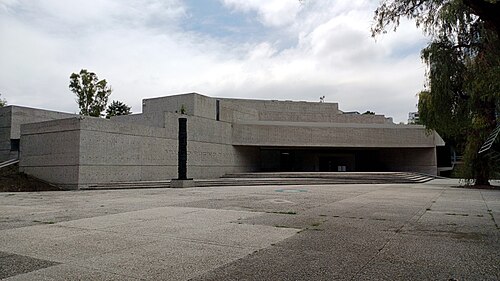
Museo Tamayo Arte Contemporáneo is a contemporary art museum in Mexico City dedicated to the work of Rufino Tamayo, one of Mexico's most significant 20th-century artists.
- Must see
- Museum
City guide · Mexico
Mexico City is a large, high-altitude capital made of several visitor districts rather than one centre. The Historic Centre contains the Zócalo, cathedral, muse...
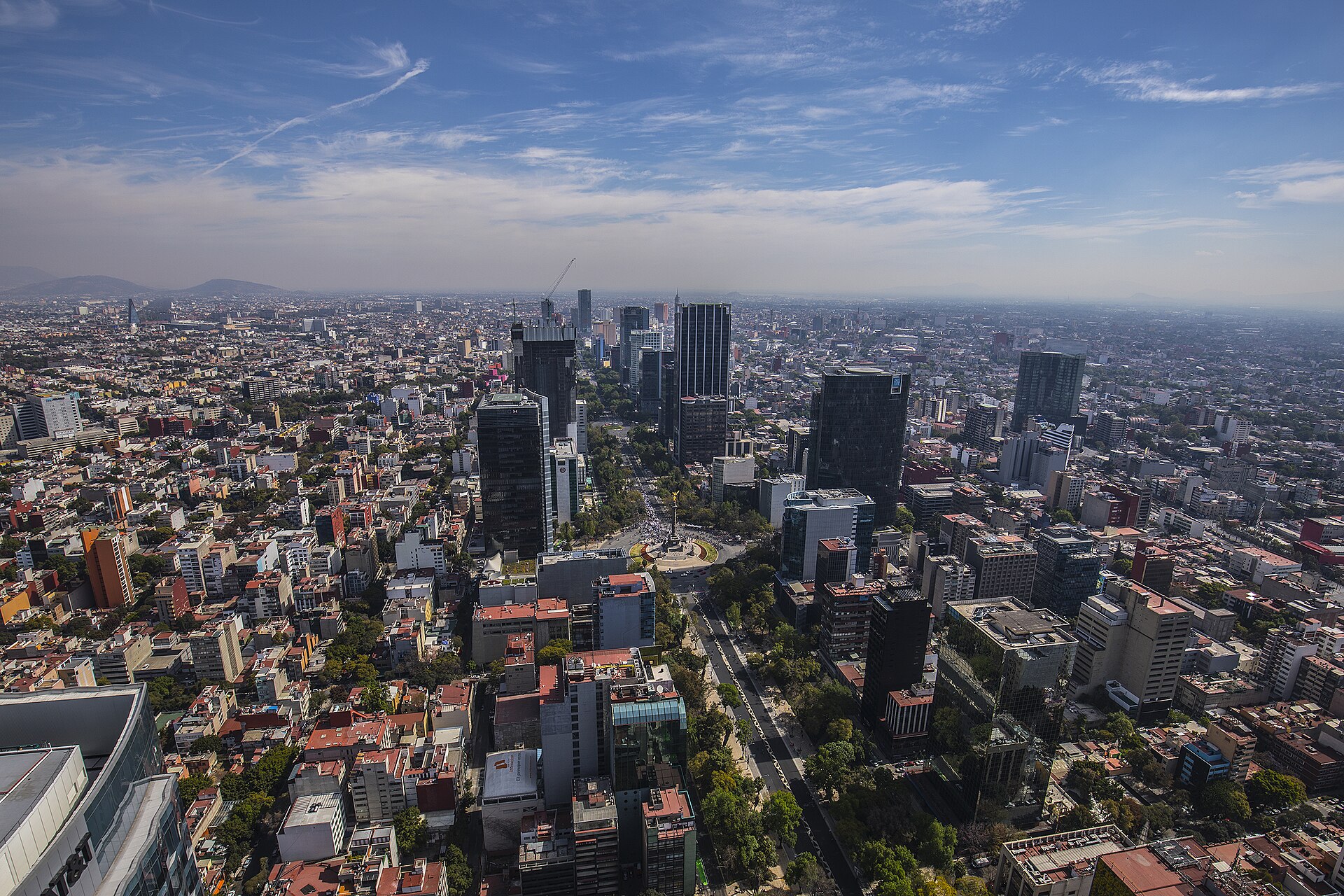
Photograph · Gobierno CDMX · CC0
Set your days, your pace and the hours you actually want to be out. The planner works around closing days and travel time, and leaves room to eat.
Reviewed by Elena Voss · Roavina Travel Editor
Mexico City is a large, high-altitude capital made of several visitor districts rather than one centre. The Historic Centre contains the Zócalo, cathedral, museums and remains of Tenochtitlan. Reforma, Chapultepec and Polanco form a western corridor, Roma and Condesa sit farther south, and Coyoacán and Xochimilco require separate journeys. Assign each day to one district cluster and leave time for cross-city travel.
Checked 2026-08-26
September · September averages 144.8 mm of rain across about nineteen days in Mexico City, despite a mild 22.3°C mean high.
Ranked by importance — sitelinks, pageviews and heritage status, not editor preference.
34 places match
Category
Typical visit duration
Interests
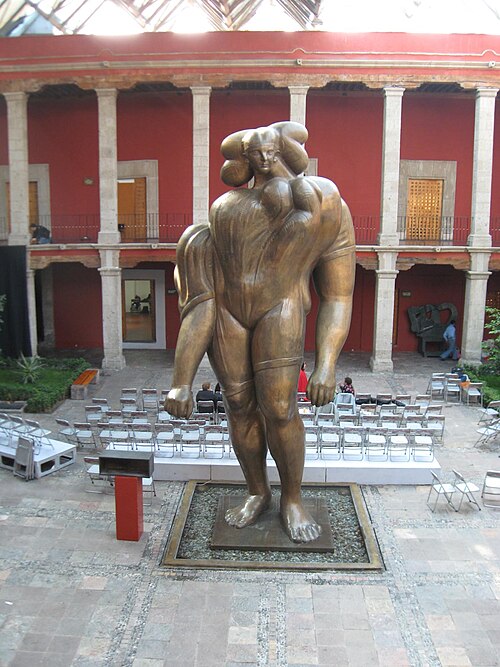
Museo Rufino Tamayo
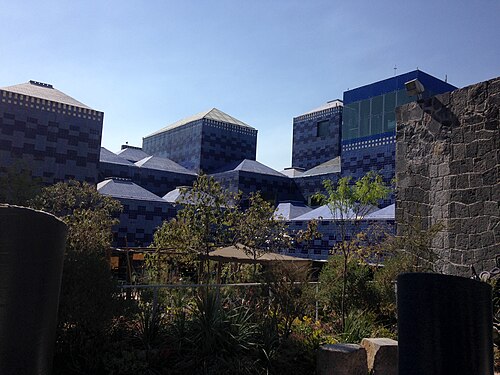
Museo Tamayo Arte Contemporáneo is a contemporary art museum in Mexico City dedicated to the work of Rufino Tamayo, one of Mexico's most significant 20th-century artists.
Museo Diego Rivera Anahuacalli
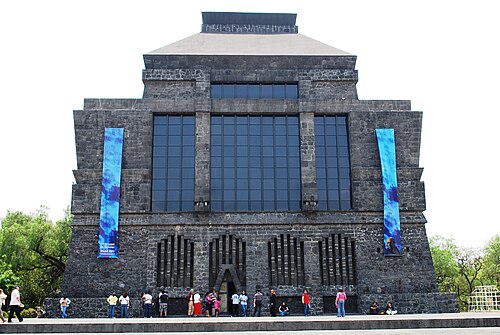
The Diego Rivera Anahuacalli Museum is a volcanic-stone building in Mexico City designed by the renowned Mexican muralist Diego Rivera to house his extensive pre-Hispanic art collection.
Museo Mural Diego Rivera
Museo Mural Diego Rivera is a Mexico City museum built around Diego Rivera’s monumental painting Dream of a Sunday Afternoon in the Alameda Central.
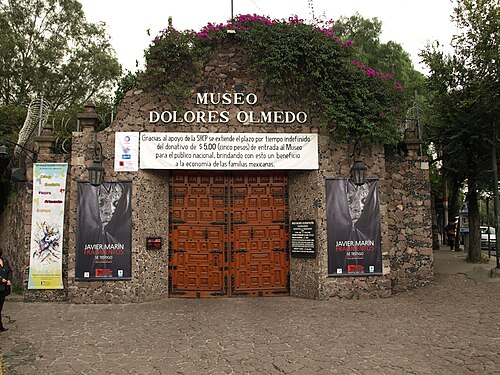
Museo Dolores Olmedo occupies a former hacienda in Xochimilco, in southern Mexico City. The museum grew from the collection of Dolores Olmedo, an important patron of Mexican art.
Museo Nacional de las Culturas
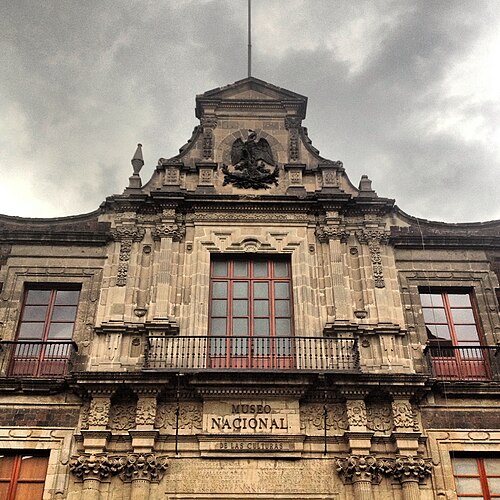
Museo Nacional de las Culturas del Mundo occupies a historic-centre position and is Mexico’s principal museum collection devoted to cultures beyond Mexico.
Museo Franz Mayer
The Franz Mayer Museum is a cultural institution housed in a former hospital building in Mexico City. It bears the name of Franz Mayer, a German-born financier and collector who assembled significant holdings of decorative arts.
Museo de Arte Popular
The Museum of Popular Art, known locally as Museo de Arte Popular, is a cultural institution in Mexico City dedicated to Mexican folk art and craft traditions.
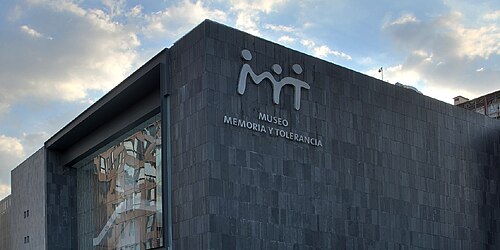
Museo Memoria y Tolerancia
The Memory and Tolerance Museum is an internationally focused institution in Mexico City dedicated to examining genocide, human rights, and civic tolerance. Located beside Alameda Central, the museum occupies a prominent position in the historic center.
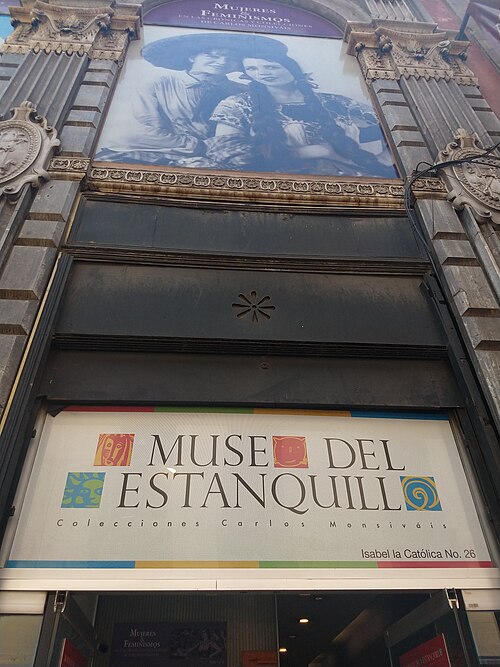
Museo Estanquillo
Museo del Estanquillo is a museum in Mexico City housing the personal collection of Carlos Monsiváis, the celebrated Mexican writer and chronicler.
Museo José Luis Cuevas
The Museo José Luis Cuevas is an art museum located in Mexico City near the Zócalo. It occupies a former convent building, giving it historical architectural significance alongside its cultural purpose.
Antiguo Colegio de San Ildefonso
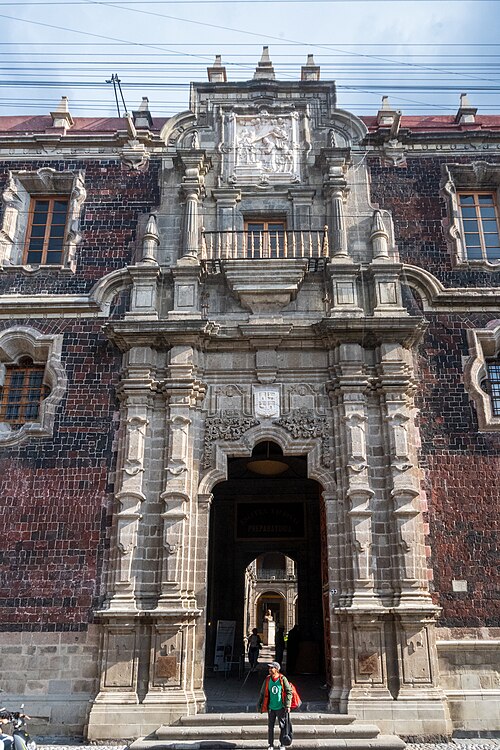
The Antiguo Colegio de San Ildefonso is a former Jesuit college in Mexico City. Founded in the sixteenth century, it became one of the most important educational institutions in colonial New Spain.
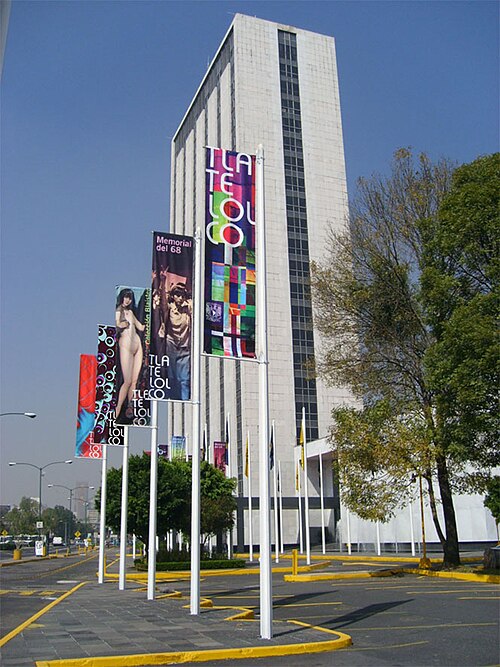
Centro Cultural Universitario Tlatelolco is a cultural complex operated by the National Autonomous University of Mexico (UNAM). It occupies a significant site in the Tlatelolco area of Mexico City, near the historic Plaza de las Tres Culturas.
Papalote•Museo del Niño
Papalote Museo del Niño is a hands-on children's museum located in Mexico City. It stands as one of the city's leading family-oriented institutions, positioned near the Chapultepec area.
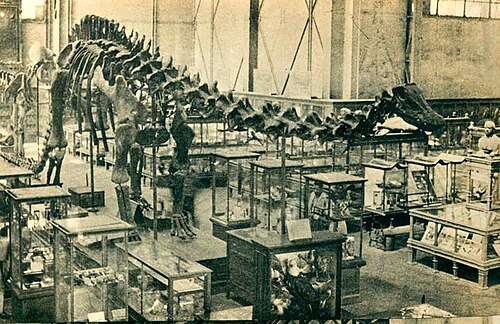
The Museum of Natural History and Environmental Culture is a natural-history museum in Chapultepec Park, Mexico City. Its subject is the natural world and environmental culture, making it a different experience from the nearby National Museum of Anthropology.
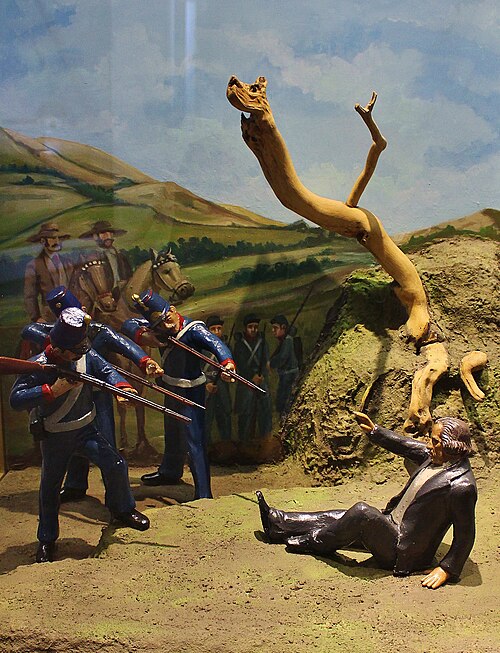
Museo del Caracol is a history museum in Mexico City’s Chapultepec complex. Its formal name is Museo Nacional de Historia, Museo del Caracol, while the popular name refers to the building’s distinctive spiral form.
Museo Jumex
Museo Jumex is a private contemporary-art museum in Polanco, Mexico City. Established by the Colección Jumex, one of Latin America's most significant collections of contemporary art, the museum occupies a distinctive building designed by British architect David Chipperfield.
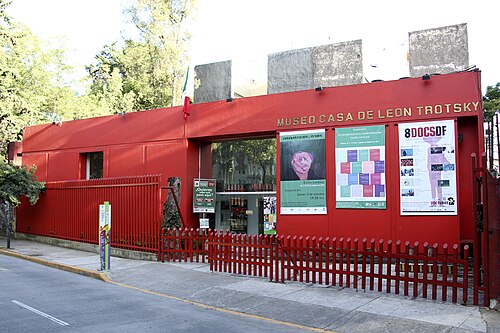
Museo Casa de León Trotsky
Leon Trotsky House Museum preserves the Coyoacán home where the Russian revolutionary lived during exile from 1939 until his assassination in 1940. The house, garden, and defensive modifications create an unusually direct encounter with twentieth-century political history.
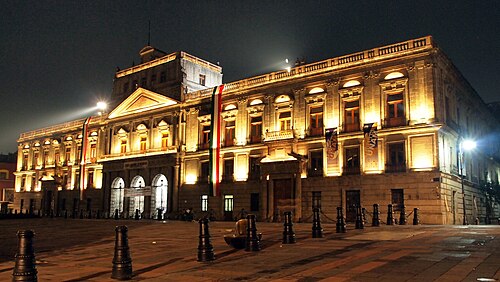
Museo de la Ciudad de México
Mexico City Museum, or Museo de la Ciudad de México, occupies a former palace in the capital’s historic center.
Palacio de Minería is a neoclassical building in Mexico City’s historic centre. It was constructed as an engineering school and remains one of the area’s notable civic interiors.
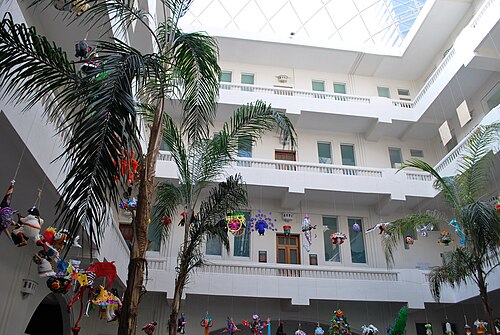
The Museum of Antique Toys Mexico, known locally as Museo del Juguete Antiguo México or MUJAM, is a distinctive private museum in Mexico City dedicated to popular culture and folk art through the lens of vintage toys.
MODO - Museo del Objeto del Objeto
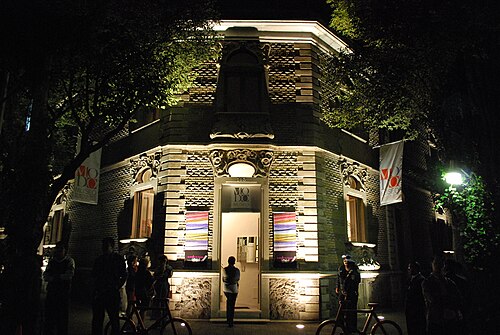
Museo del Objeto del Objeto, known as MODO, is a museum in Mexico City’s Roma neighbourhood. It interprets visual culture through Mexican design, advertising and everyday objects.
The Museo Nacional de la Estampa, or National Museum of Prints, is Mexico’s national museum devoted to printmaking and graphic art.
Museo Kaluz is a Mexico City museum devoted to Mexican art. It occupies a restored former hospice facing Alameda Central, placing a private cultural collection directly within the historic centre.
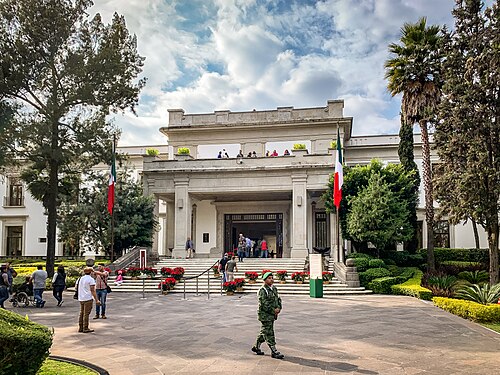
Los Pinos Cultural Complex, known locally as Complejo Cultural Los Pinos, is a public cultural institution in Mexico City's Chapultepec area.
Casa de Carranza
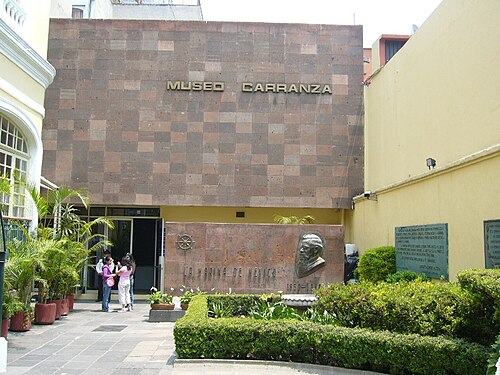
The Museo Casa de Carranza is a historic house museum in Mexico City dedicated to Venustiano Carranza, a constitutionalist president and key figure in Mexico's revolutionary era.
Use the Historic Centre as one walking cluster, then treat Chapultepec and the Paseo de la Reforma museums as another. Roma, Condesa and Zona Rosa can be combined, while Coyoacán and San Ángel make a southern cultural day. Xochimilco lies farther southeast and Teotihuacán is outside the city. The official tourism guides map these areas separately because repeated crossings can consume more time than individual visits.
Checked 2026-08-26
The Metro and Metrobús are the main public-transport backbone, supported by buses, trolleybuses and licensed taxis. Stations are dense in central districts but not every museum or southern attraction sits beside one. Plan the final walk and any interchange before departure, allowing more time at peak periods. Teotihuacán and other outlying destinations use separate regional transport and do not belong in a central Metro itinerary.
Checked 2026-08-26
the Historic Centre, Chapultepec, Roma-Condesa and the southern districts are separate clusters
No fixed stay length is recorded; choose the district clusters that matter and assign each its own time.
Metro and Metrobús handle many long journeys, but the final walk and interchange still need planning.
Coyoacán and Xochimilco are southern journeys; Teotihuacán is a separate excursion outside the city.
The Historic Centre is the clearest first cluster for the Zócalo, cathedral and central museums.