


_-_A944.jpg)
7 min walk
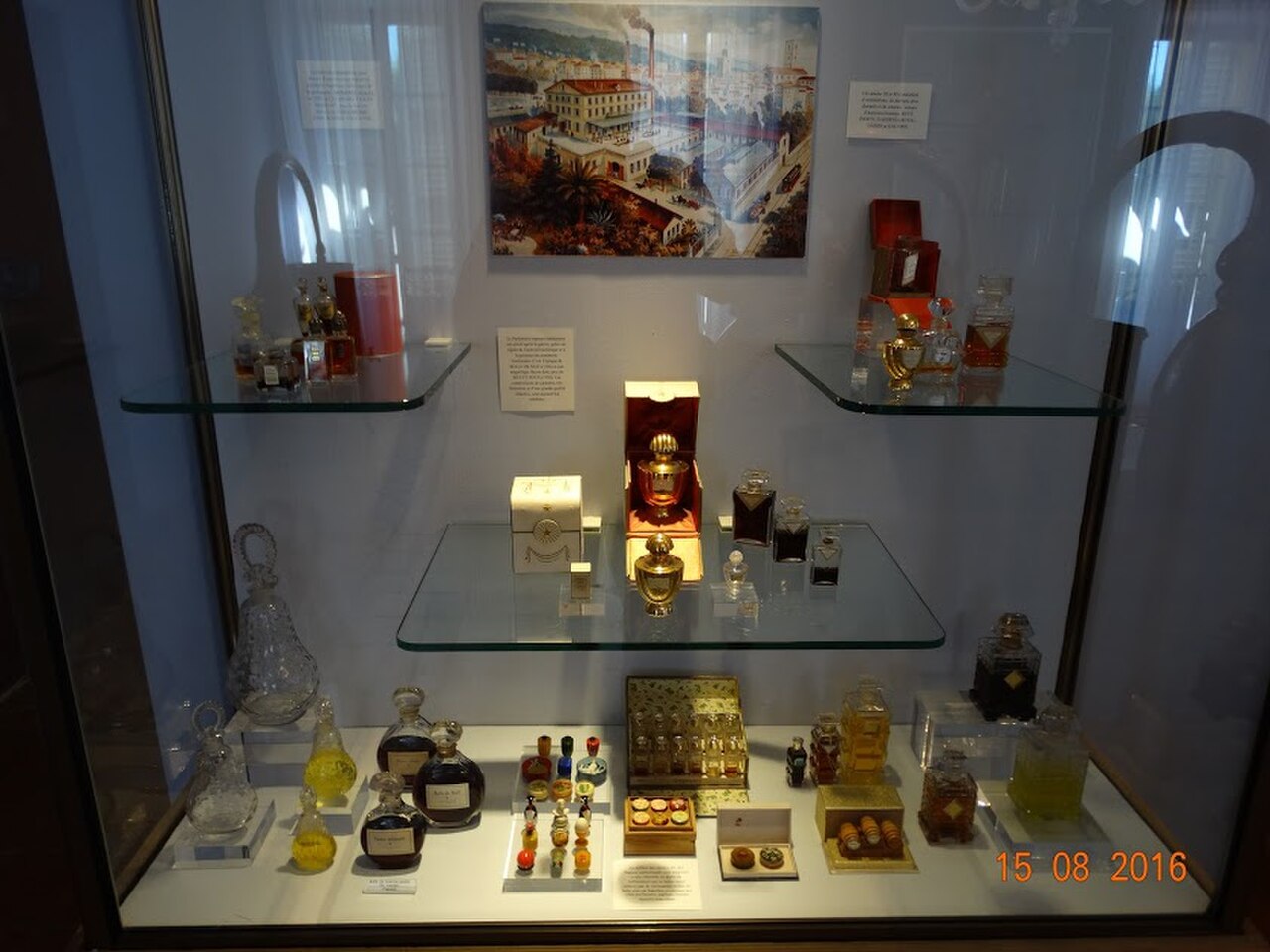
Marrakech Museum of Perfume
- Must see
- Museum
Language · 11 published
Historic monument · Marrakesh
Editorial responsibility: Elena Voss · Roavina Travel Editor
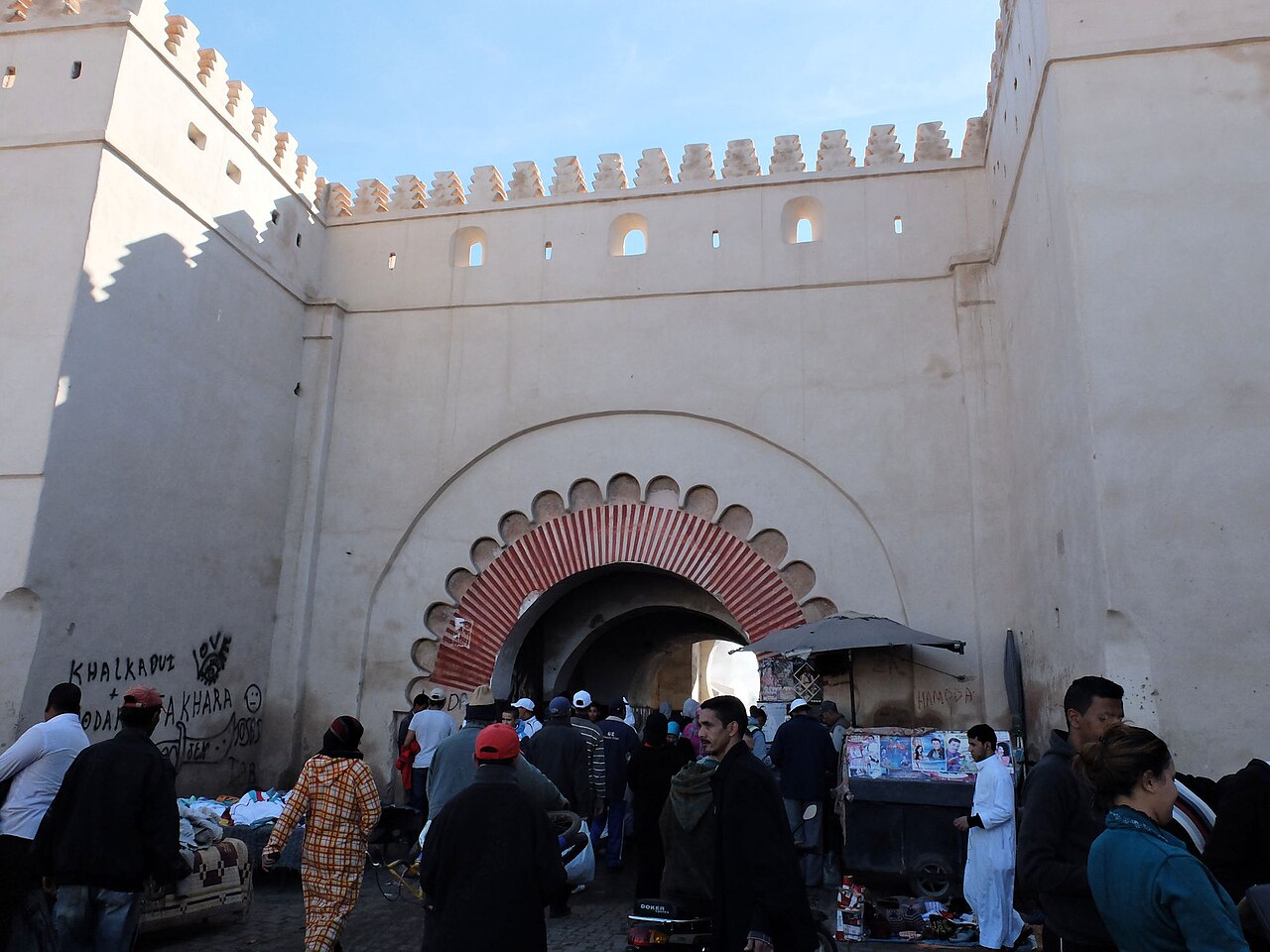
This place is a Monument.
Bab el Khemis is a historic gate in the northern ramparts of Marrakesh’s ancient medina. Its name recalls the Thursday market associated with the area. For travelers, it is both defensive city architecture and a practical threshold into the old town, offering a different arrival from the better-known southern and western entrances. Bab el Khemis is one of the historic gates punctuating the ramparts of Marrakesh's ancient medina. Its name derives from the Thursday market, or souk el khemis, that historically convened in its vicinity. The gate serves as a northern entry point into the old city, offering visitors passage through the defensive walls that have encircled the medina for centuries. Unlike more celebrated gates, Bab el Khemis presents an alternative threshold for those seeking a less trafficked approach to Marrakesh's historic core. No. The gate serves primarily as a functional entry point with secondary landmark status. Its value lies in offering a less tourist-saturated medina approach rather than celebrated architectural prominence.
Checked 2026-08-26 · Source
The gate itself is the principal sight: a fortified passage through the medina walls. Beyond it, residential and commercial streets replace formal visitor displays. The Thursday-market association gives the entrance a commercial identity, while the northern approach feels less concentrated with tourists than routes around Jemaa el-Fnaa. Come for the threshold and street life. Passing through Bab el Khemis leads into a medina quarter with reduced tourist density compared to principal southern and western entries. The immediate surroundings feature residential and commercial spaces serving local populations rather than visitor-oriented enterprises. The gate itself constitutes the primary architectural feature, with its fortified passage representing characteristic Moroccan medina defensive construction. No interior chambers or exhibitions are documented.
Checked 2026-08-26 · Source
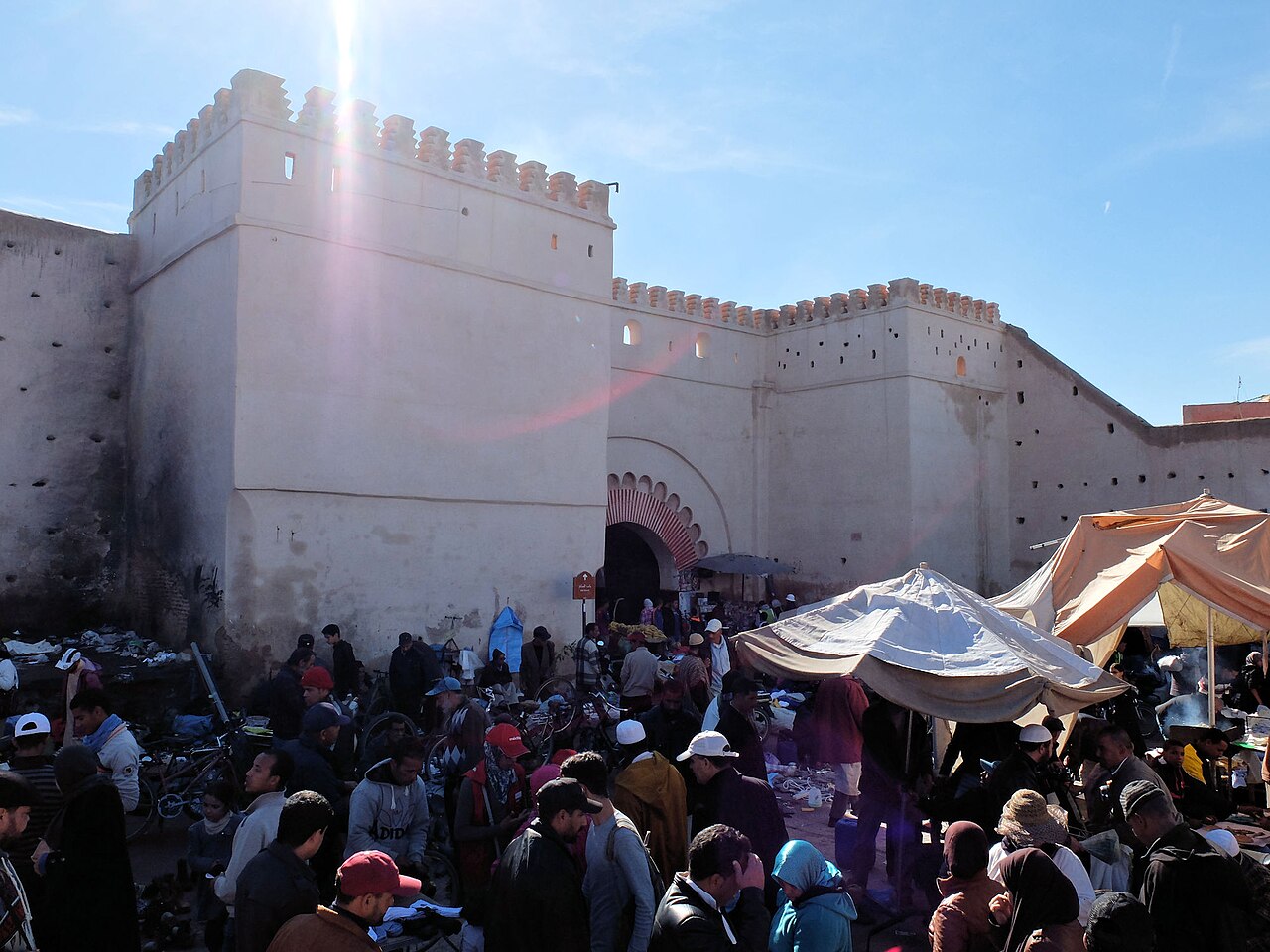
Crossing and photographing Bab el Khemis takes only a few minutes. Give it longer when using the gate as the starting point for a walk through northern medina streets and market areas. It is a waypoint rather than a monument with rooms, so combine it with exploration beyond the entrance. A visit to Bab el Khemis requires minimal dedicated time if approached as a photographic or passing landmark. Most visitors traverse the gate within minutes while entering or exiting the medina. Those intending to explore the adjacent Thursday market or surrounding streets should allocate additional time proportionate to their interests. The gate does not function as a destination requiring extended engagement. Integration with broader medina exploration represents the typical visitor pattern, with Bab el Khemis serving as one node in a walking itinerary.
Checked 2026-08-26 · Source
Use Bab el Khemis as a daylight starting point for the northern medina. Early morning and late afternoon bring more comfortable walking conditions and useful light on the masonry. Thursday carries particular historical resonance because of the name’s market connection. Winter is gentler for long walks; summer favours early or later starts. The gate functions as a public thoroughfare rather than a ticketed attraction, suggesting continuous availability for pedestrian passage. The historical Thursday market association implies potential weekly periodicity in surrounding commercial activity, though current operational details are unverified. Seasonal considerations for Marrakesh generally apply: summer months bring intense heat potentially affecting walking comfort, while winter offers milder conditions.
Checked 2026-08-26 · Source
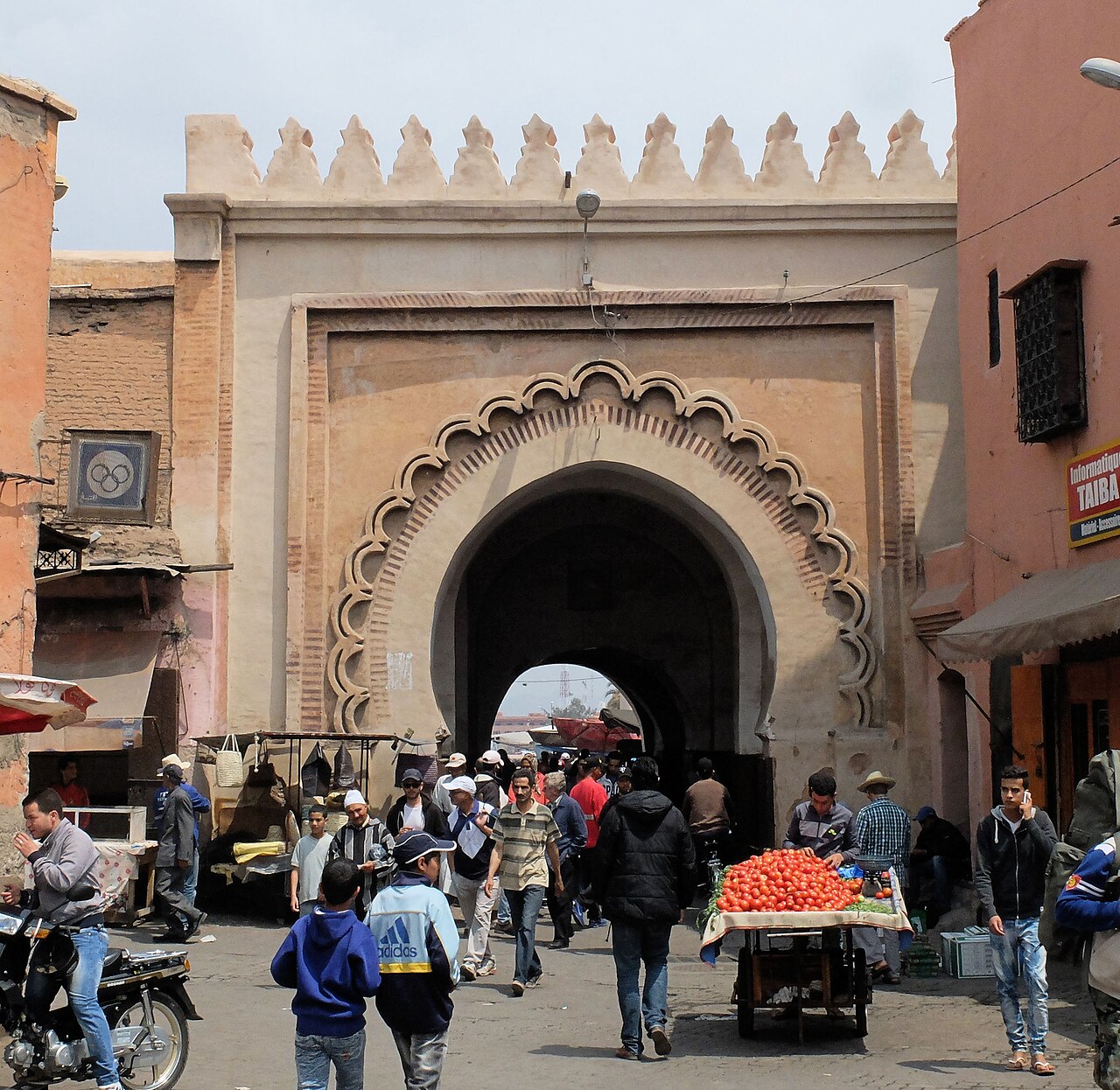
Crossing Bab el Khemis involves no admission process because it is a public medina gate. Treat it as part of the city streets rather than a ticketed attraction. Spending begins with the surrounding experience: market purchases, food, or a guide arranged for a wider medina walk. The gate itself is a free heritage waypoint.
Checked 2026-08-26 · Source
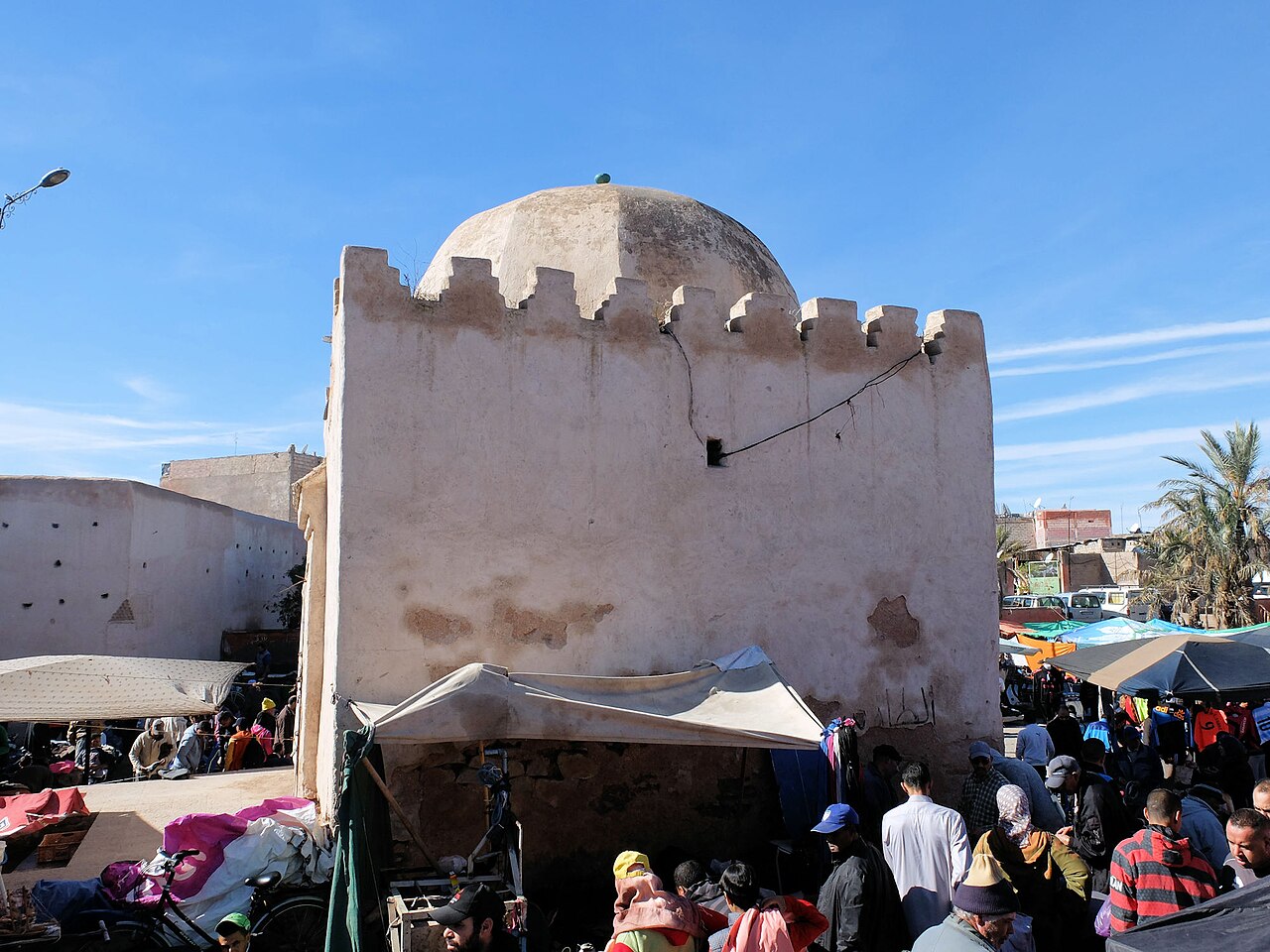
Bab el Khemis stands on the northern edge of the Marrakesh medina. Approach the northern ramparts by taxi or on foot, then continue through the gate into pedestrian streets. The area is less familiar to many visitors than Jemaa el-Fnaa, so allow extra orientation time. Inside, walk south or exit through another historic gate.
Checked 2026-08-26 · Source
The northern approach can have fewer obvious signs, so expect to navigate independently. Watch for uneven paving, narrow passages, and motorcycles sharing lanes with pedestrians. Keep belongings secure and remember that market streets involve negotiation. Stay aware while photographing because the gate is an active urban threshold, not a closed monument.
Checked 2026-08-26 · Source
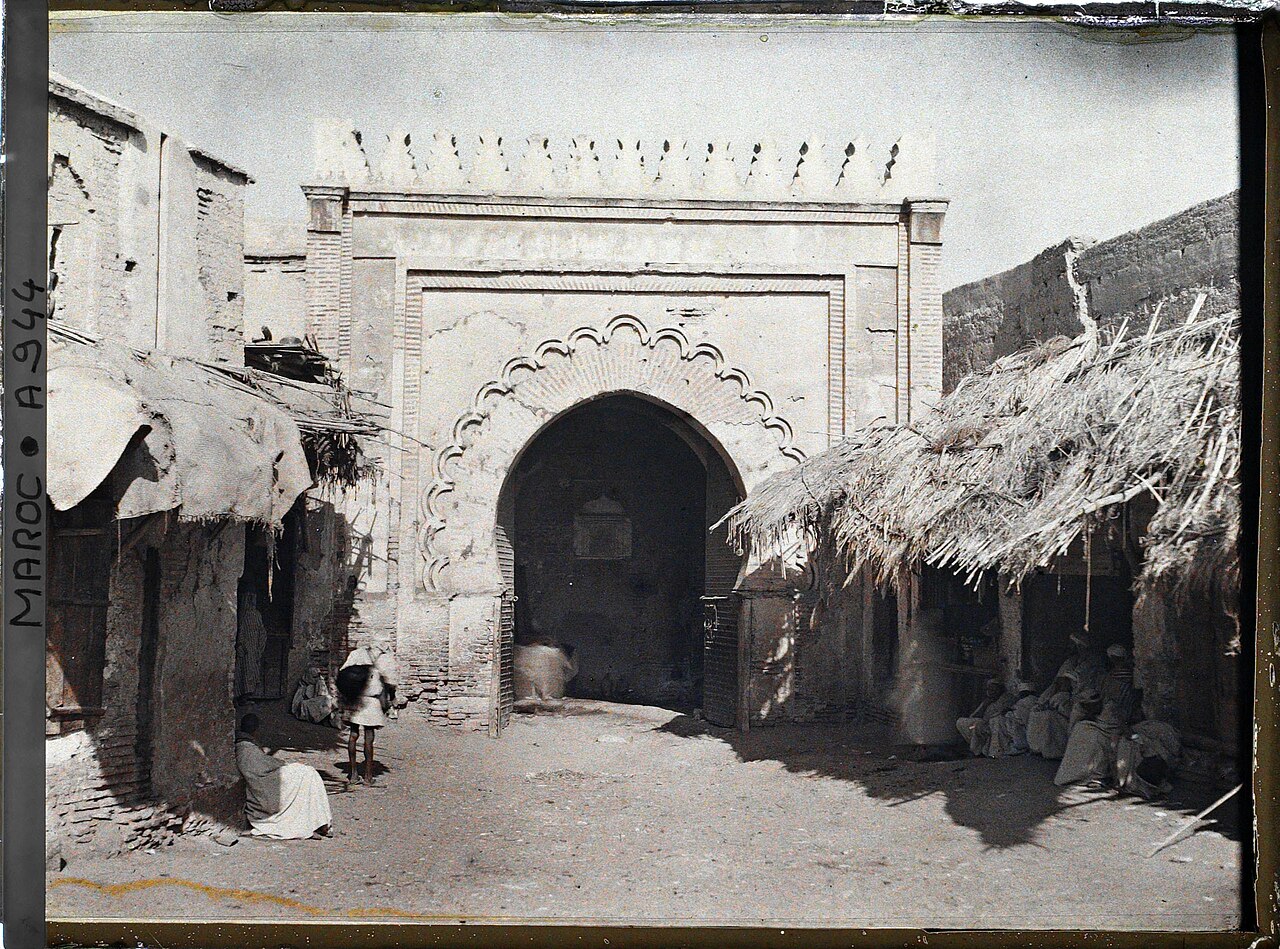
Bab el Khemis works well for images showing transition: frame the fortified opening with medina streets beyond, or turn outward toward the ramparts and northern approach. Early and late daylight add texture to the masonry. Ask before photographing people, stalls, or private activity. Keep equipment out of the passage because it remains an active route.
Checked 2026-08-26 · Source
It is a historic gate in the northern ramparts of the medina and a practical entrance into Marrakesh’s old city.
The name recalls the Thursday market, or souk el khemis, historically associated with the gate’s surroundings.
Crossing and photographing the gate takes a few minutes; allow longer if it begins a walk through the northern medina.
Yes. Crossing the public gate is part of the medina street network and has no admission process.
It is on the northern perimeter of Marrakesh’s ancient medina, beside the historic ramparts.
Visit for a historic medina threshold, a less tourist-focused northern approach, and a natural starting point for exploring surrounding streets.
Loading the interactive map…
The interactive map could not be loaded.
Last updated:
Source: OpenStreetMap contributors ·