.jpg)
1 min walk
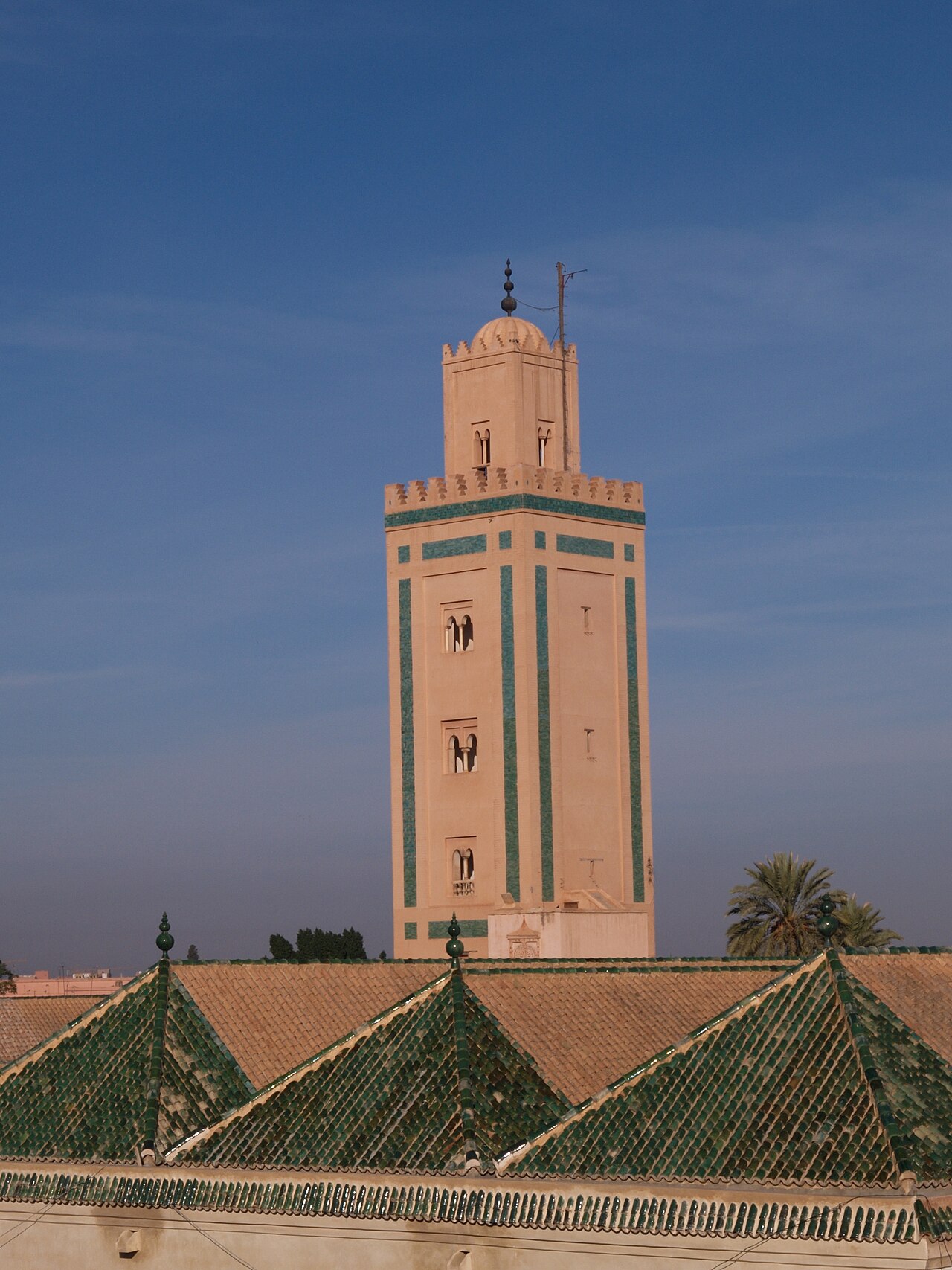
Ibn Yusuf Mosque
- Must see · Heritage site
- Place of worship
Language · 11 published
Museum · Marrakesh
Dar Bellarj دار بلارج
Reviewed by Elena Voss · Roavina Travel Editor
| Monday | 09:00 – 17:30 |
|---|---|
| Tuesday | 09:00 – 17:30 |
| Wednesday | 09:00 – 17:30 |
| Thursday | 09:00 – 17:30 |
| Friday | 09:00 – 17:30 |
| Saturday | 09:00 – 17:30 |
| Sunday | Closed |
Parsed from OpenStreetMap opening hours on 2026-09-09.
This place is a Museum.
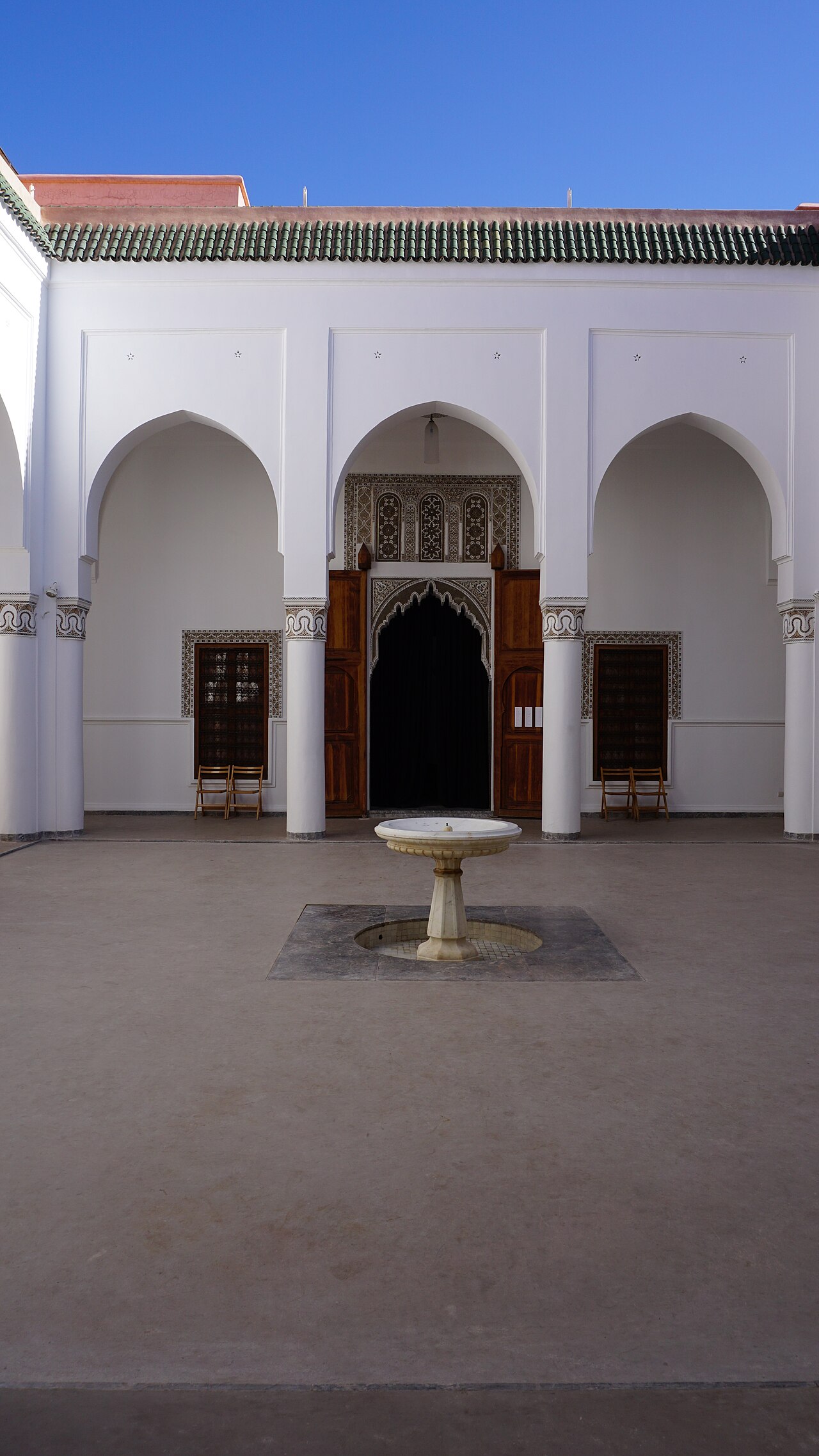
Dar Bellarj is a restored historic building near Ben Youssef in Marrakesh’s medina. Its earlier role caring for injured storks gives it an unusual story, while its present character connects heritage architecture with craft activity and cultural programming. It suits travelers seeking a quieter cultural stop. Dar Bellarj is a restored historic building in Marrakesh, Morocco, located near the Ben Youssef area. It was formerly known as a stork hospital, a facility dedicated to caring for injured storks. The building has been repurposed to support craft and cultural programming. It stands as an example of architectural restoration in the medina. The structure represents traditional Moroccan design elements. Its transformation from animal care to cultural venue illustrates adaptive reuse of heritage buildings in the city. Visitors encounter a space where historical function meets contemporary cultural activity. No. Dar Bellarj is a separate building located beside the Ben Youssef area. It was formerly a stork hospital and now supports craft and cultural programming. The Ben Youssef Madrasa is a distinct and more famous Islamic college.
Checked 2026-08-26 · Source
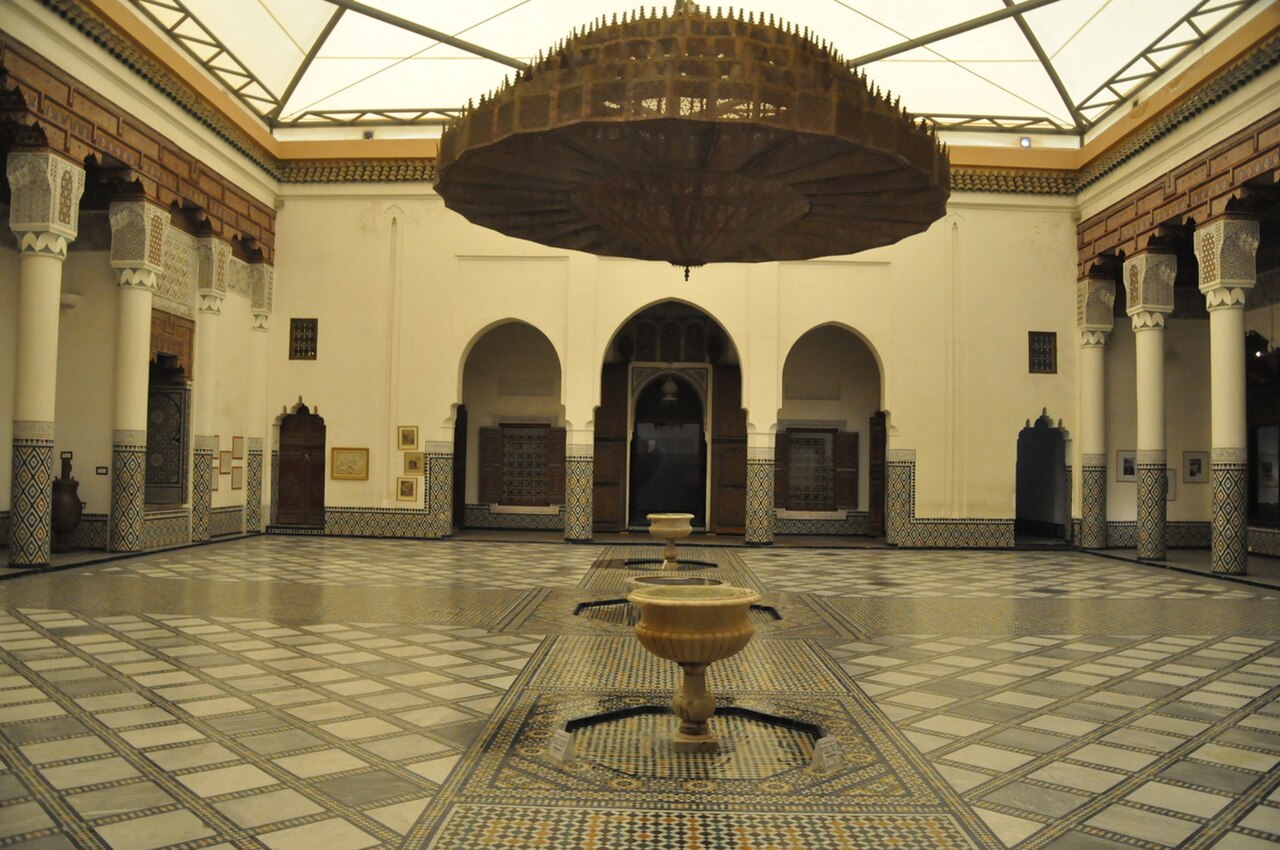
Inside, expect restored Moroccan architectural details and spaces used for exhibitions, workshops, and cultural activity. Dar Bellarj is a cultural venue rather than a conventional museum with one permanent collection. Look closely at the building’s rooms, courtyards, decoration, and relationship with changing craft programming. The interior of Dar Bellarj contains spaces dedicated to craft and cultural programming. The building features restored architectural elements typical of Moroccan riad-style structures. Exhibition areas and workshop spaces support artisan activities. The fine restoration preserves original decorative features. The quality of restoration suggests attention to traditional building techniques. Visitors should expect a cultural venue rather than a museum with fixed displays. The building's historical character as a former stork hospital may be referenced in interpretive materials.
Checked 2026-08-26 · Source
Allow about thirty minutes to one hour for a straightforward visit. The compact setting fits easily between Ben Youssef Madrasa, the Marrakesh Museum, and nearby medina streets. Stay longer when a craft demonstration, exhibition, or cultural event deserves closer attention and slower architectural viewing. A visit to Dar Bellarj typically requires between thirty minutes and one hour, depending on current programming and visitor interest. Those engaged with craft demonstrations or temporary exhibitions may spend additional time. The building's modest scale relative to major monuments suggests a shorter visit duration. Photography enthusiasts examining architectural details might extend their stay. Visitors combining this site with nearby Ben Youssef Madrasa or the Marrakesh Museum should allocate time accordingly. The flexible nature of cultural programming means individual experiences vary.
Checked 2026-08-26 · Source
Plan Dar Bellarj as a daytime medina stop. Morning can feel calmer for appreciating the restored rooms and decoration, while a scheduled cultural activity may shape your timing. Spring and autumn are comfortable for walking in Marrakesh; summer heat makes shaded interiors and shorter approaches especially welcome. Visitors should verify current schedules before planning their visit. The medina location suggests daytime access is most practical for navigation and safety. Morning visits may offer quieter conditions for appreciating the restored architecture. Cultural programming schedules may influence optimal timing. Seasonal considerations for Marrakesh include intense summer heat, making spring and autumn generally more comfortable for medina exploration. Ramadan periods may affect accessibility and programming. Visitors should consult local sources or contact the venue directly for current operational status and any special events.
Checked 2026-08-26 · Source
Treat Dar Bellarj as a cultural stop connected with exhibitions, workshops, or events. The place description establishes its cultural role but gives no single admission amount to quote. Carry Moroccan dirhams for small medina purchases and services during the same walk through Marrakesh’s historic quarter.
Checked 2026-08-26 · Source
Dar Bellarj lies near Ben Youssef in the medina, so the final approach is on foot through narrow pedestrian streets. Taxis and buses serve the outer edges rather than the immediate building. Allow extra wayfinding time and wear comfortable shoes when combining it with nearby sights.
Checked 2026-08-26 · Source
Medina lanes can be winding, uneven, and shared with bicycles or motorcycles. Keep valuables secure and step aside when traffic approaches. Inside the restored building, thresholds or steps may require care. Ask before photographing people, artisans, or workshops, and expect the atmosphere to change with programming.
Checked 2026-08-26 · Source
Photograph Dar Bellarj for its traditional Moroccan details, restored surfaces, courtyard spaces, and intimate riad-like character. Interior light may change across rooms, so combine wider architectural views with close details. Keep equipment compact, avoid blocking circulation, and ask permission before photographing staff, artisans, or visitors.
Checked 2026-08-26 · Source
It is a restored historic building near Ben Youssef, known for its earlier stork-care role and later craft and cultural programming.
No. Dar Bellarj is a separate restored building near the Ben Youssef area; the madrasa is a distinct historic Islamic college.
You can see restored Moroccan architecture and spaces used for craft exhibitions, workshops, and cultural programming.
Allow about thirty minutes to one hour, with extra time for an exhibition, craft demonstration, or cultural event.
It is in Marrakesh’s medina near Ben Youssef, reached by walking through the old city’s narrow streets.
Focus on restored riad-style architecture, traditional decoration, courtyard spaces, and the venue’s relationship with the surrounding medina.
Loading the interactive map…
The interactive map could not be loaded.
Last updated:
Source: OpenStreetMap contributors, Wikidata ·