
3 min walk
Tower
- Notable
- Viewpoint
Language · 11 published
Museum · Marrakesh
Musée Dar El Bacha دار الباشا
Reviewed by Elena Voss · Roavina Travel Editor
| Monday | Closed |
|---|---|
| Tuesday | 10:00 – 18:00 |
| Wednesday | 10:00 – 18:00 |
| Thursday | 10:00 – 18:00 |
| Friday | 10:00 – 18:00 |
| Saturday | 10:00 – 18:00 |
| Sunday | 10:00 – 18:00 |
Checked 2026-08-31 · Source
Read from the OpenStreetMap access tags; anything not listed has no tag recorded.
Set the group type to family in the planner and the day window contracts to about three quarters of a solo day.
This place is a Museum. It was established in 1910.
Dar El Bacha’s Museum of Confluences occupies a historic palace in the heart of Marrakesh’s medina. Morocco’s National Foundation of Museums presents the building itself as an example of palatial architecture organised around decorated courtyards and gardens. This keeps the guide useful without turning an estimate or copied listing into a promise at the door. Conditions can change after the verification date, so a fresh operator check remains part of responsible trip planning. Tuesday–Sunday 10:00–18:00; closed Monday. The National Foundation of Museums lists no midday closure or separate last-admission time.
Checked 2026-08-31 · Source
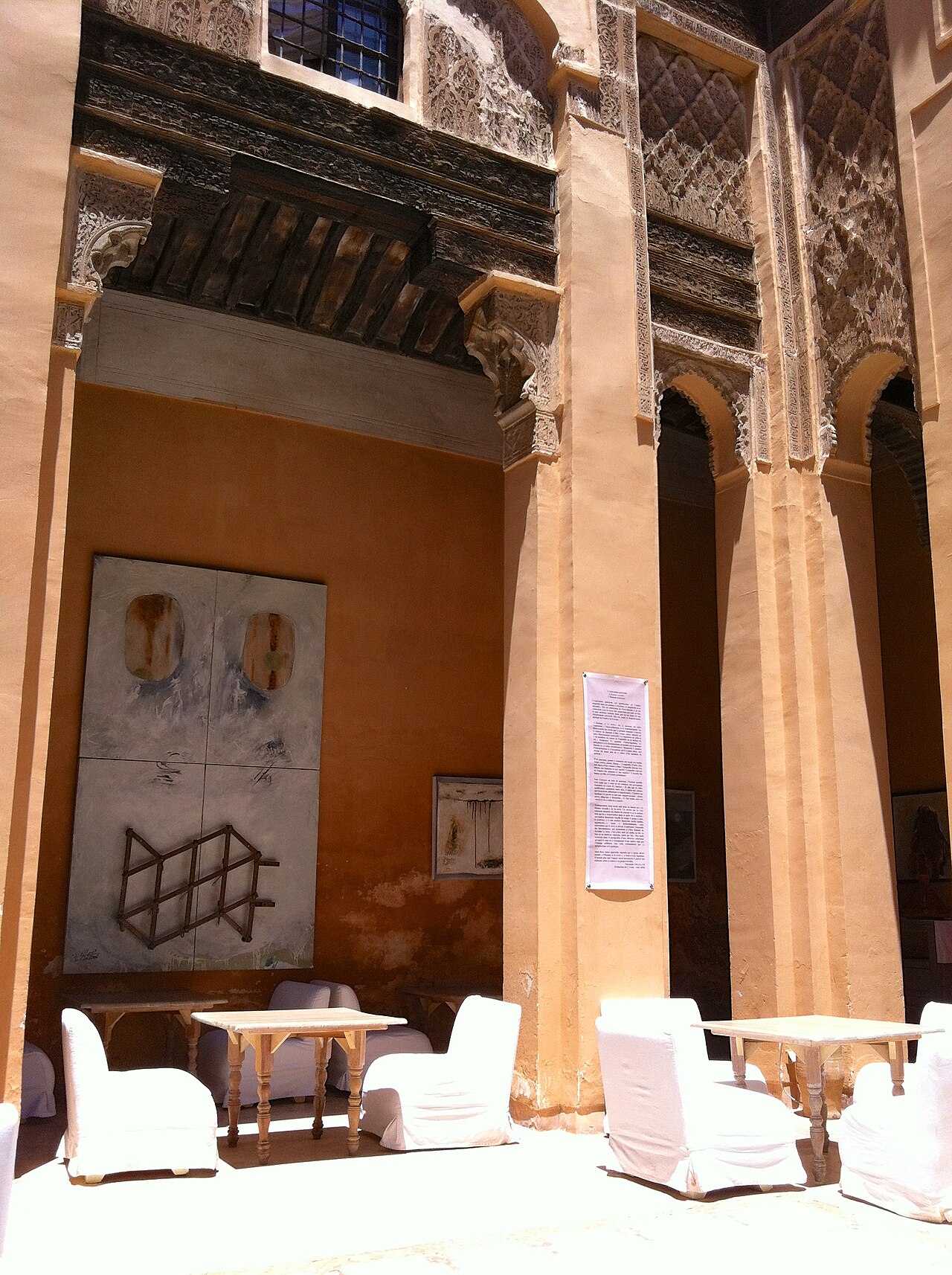
The museum combines Moroccan decorative arts and ethnographic collections with ceramics, textiles, jewellery, manuscripts and daily-life objects. Zellige, carved wood and sculpted plaster make the palace fabric part of the collection rather than a neutral container. This keeps the guide useful without turning an estimate or copied listing into a promise at the door. Conditions can change after the verification date, so a fresh operator check remains part of responsible trip planning. The National Foundation of Museums lists no midday closure or separate last-admission time.
Checked 2026-08-31 · Source
Allow at least an hour for the courtyard sequence and galleries, then add time only if a current temporary exhibition or the separately operated café is part of the plan. This keeps the guide useful without turning an estimate or copied listing into a promise at the door. Conditions can change after the verification date, so a fresh operator check remains part of responsible trip planning. Foreign visitors: MAD 60. Moroccan citizens and foreign residents in Morocco: MAD 25. Moroccan citizens and resident foreigners under 18: MAD 15.
Checked 2026-08-31 · Source
The National Foundation of Museums publishes opening from 10:00 to 18:00 Tuesday through Sunday and closure on Monday. This keeps the guide useful without turning an estimate or copied listing into a promise at the door. Conditions can change after the verification date, so a fresh operator check remains part of responsible trip planning. Tuesday–Sunday 10:00–18:00; closed Monday. The official address is 65–69 Riad Laârous, route Dar El Bacha, inside the Marrakech medina. For public transport, use the Riad Laarousse stop, served by Alsa Marrakech bus line 2, then continue on foot to route Dar El Bacha.
Checked 2026-08-31 · Source
The operator lists admission at 25 MAD for Moroccans and foreign residents, 15 MAD for eligible visitors under eighteen, and 60 MAD for foreign visitors. This keeps the guide useful without turning an estimate or copied listing into a promise at the door. Foreign visitors: MAD 60. Moroccan citizens and foreign residents in Morocco: MAD 25. Moroccan citizens and resident foreigners under 18: MAD 15. HandiOasis gives the museum its green accessibility rating and describes circulation through the visitor areas as easy. No adapted toilet is available.
Checked 2026-08-31 · Source
The museum publishes its address as 65–69 Riad Laârous, route Dar El Bacha, Marrakech. This keeps the guide useful without turning an estimate or copied listing into a promise at the door. The official address is 65–69 Riad Laârous, route Dar El Bacha, inside the Marrakech medina. For public transport, use the Riad Laarousse stop, served by Alsa Marrakech bus line 2, then continue on foot to route Dar El Bacha. No adapted toilet is available. The restored former residence operates as the Museum of Confluences under Morocco’s National Foundation of Museums; it opened as a museum in 2017.
Checked 2026-08-31 · Source
The palace contains fragile surfaces, active exhibition rooms and narrow transitions. Do not touch zellige, plaster or woodwork, keep the courtyard circulation clear, and confirm current accessibility, bag and café-queue arrangements directly with museum staff. This keeps the guide useful without turning an estimate or copied listing into a promise at the door. HandiOasis gives the museum its green accessibility rating and describes circulation through the visitor areas as easy. The restored former residence operates as the Museum of Confluences under Morocco’s National Foundation of Museums; it opened as a museum in 2017.
Checked 2026-08-31 · Source
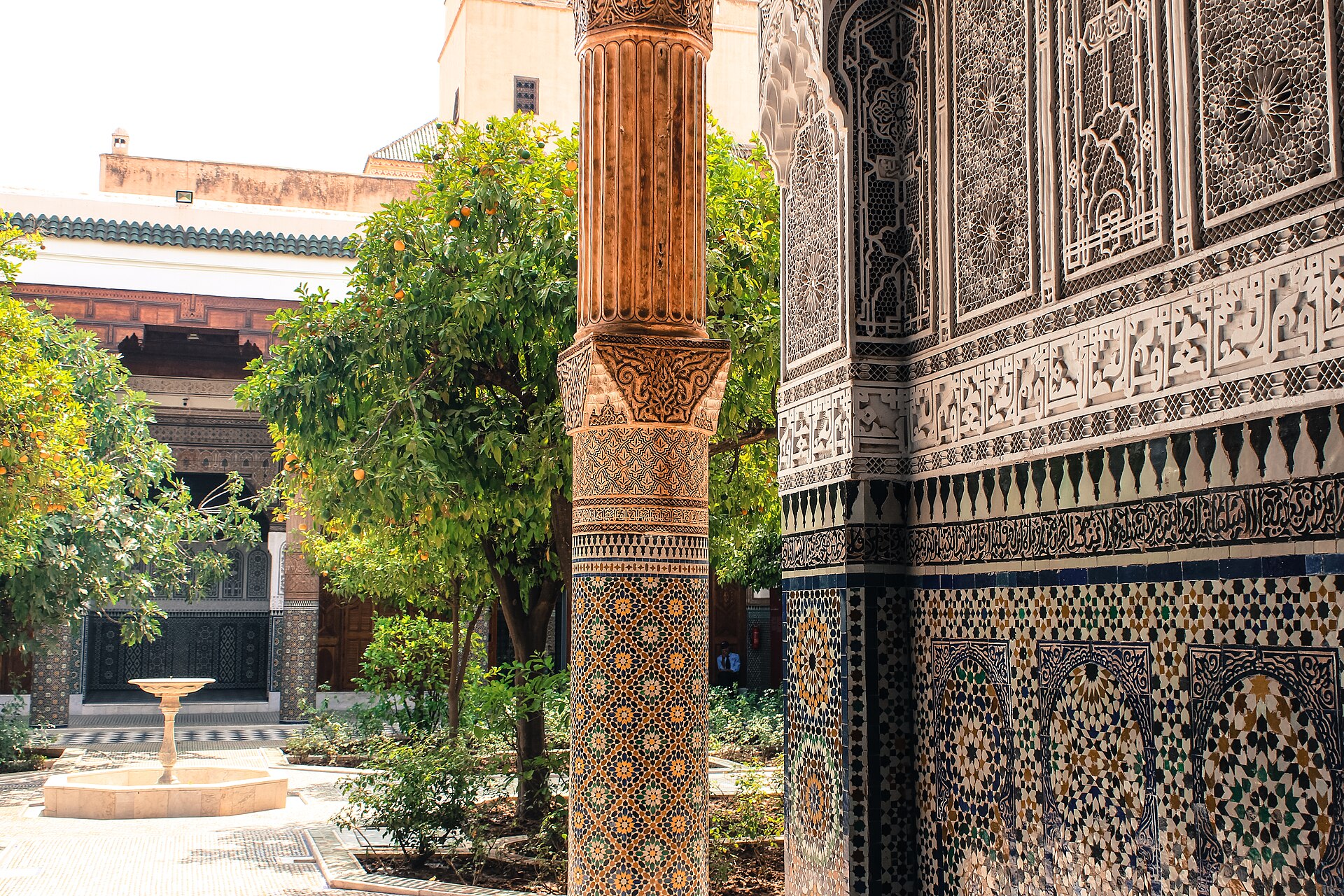
The central courtyard, fountain, zellige, carved cedar and repeating arches form the strongest compositions. The foundation does not record a complete visitor policy for flash, tripods, drones or commercial work on the page reviewed, so follow gallery notices. This keeps the guide useful without turning an estimate or copied listing into a promise at the door. Conditions can change after the verification date, so a fresh operator check remains part of responsible trip planning. Dar El Bacha was the residence of Thami El Glaoui, whom Sultan Moulay Youssef appointed pasha of Marrakech in 1912.
Checked 2026-08-31 · Source
The restored former residence operates as the Museum of Confluences under Morocco’s National Foundation of Museums; it opened as a museum in 2017.
Dar El Bacha was the residence of Thami El Glaoui, whom Sultan Moulay Youssef appointed pasha of Marrakech in 1912.
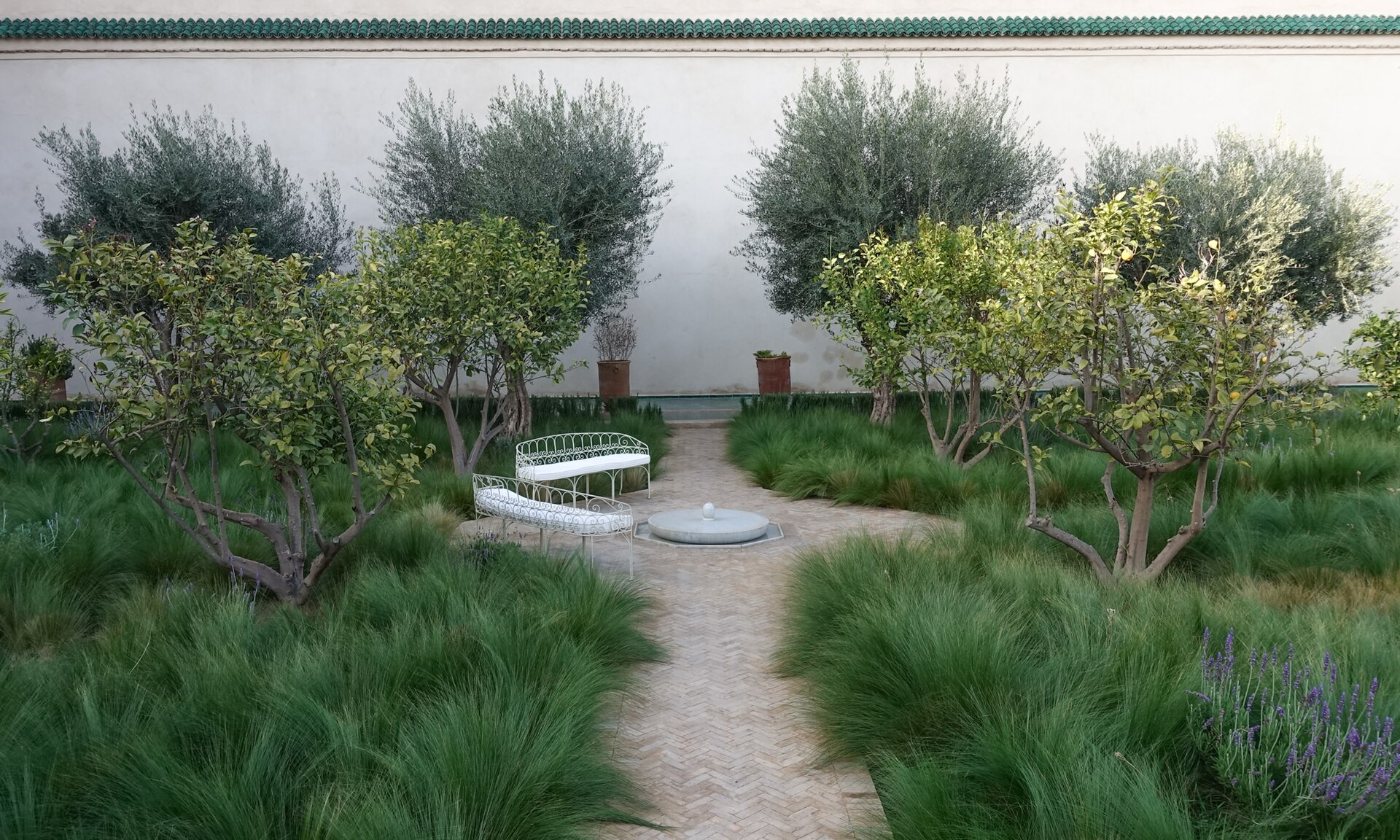
The palace follows a symmetrical riad plan, with a central garden and six rooms arranged around its four sides.
The complex includes a traditional hammam, a douiria formerly used by servants, a library and the family’s private harem quarters.
The museum presents Moroccan decorative arts and ethnographic material, including ceramics, textiles, jewellery, manuscripts and everyday objects.
Its interiors feature zellige tilework, carved cedar ceilings and woodwork, sculpted plaster, fountains and orange trees in the central courtyard.
Loading the interactive map…
The interactive map could not be loaded.
Last updated:
Source: OpenStreetMap contributors, Wikidata ·